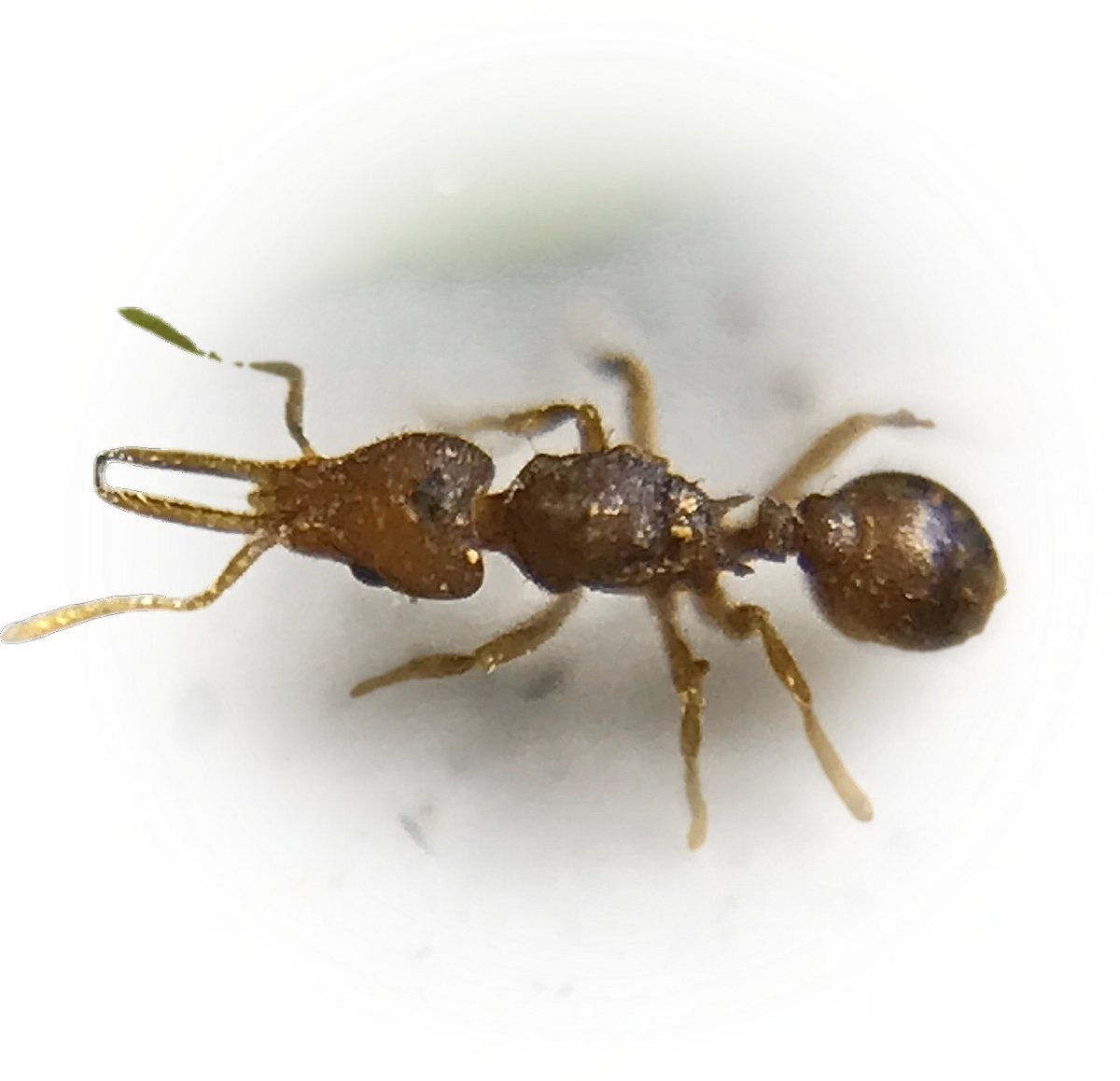

Strumigenys denticulata
- Scientific Name
- Strumigenys denticulata
- Tribe
- Attini
- Subfamily
- Myrmicinae
- Author
- Mayr, 1887
- Distribution
- Found in 5 countries
Strumigenys denticulata Overview
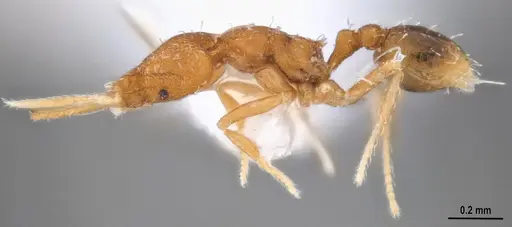
Strumigenys denticulata is an ant species of the genus Strumigenys. It is primarily documented in 5 countries , including Brazil, Colombia, Ecuador. Detailed taxonomic data and occurrence records can be further explored via authoritative databases such as AntWeb or the Global Biodiversity Information Facility (GBIF).
Strumigenys denticulata
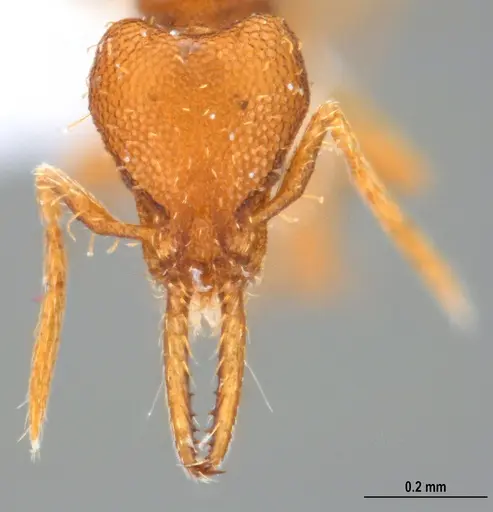
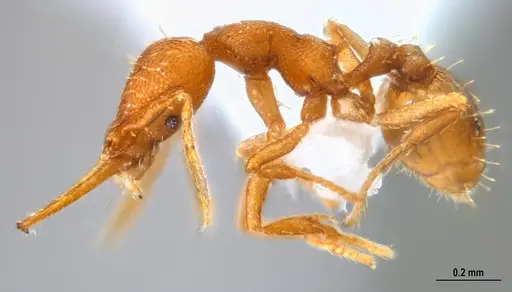
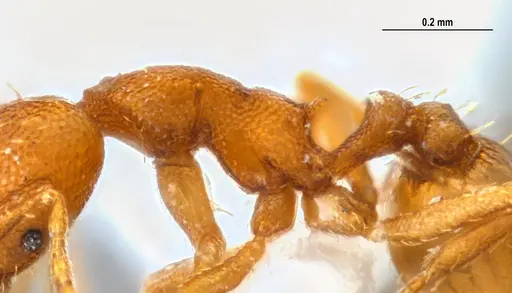
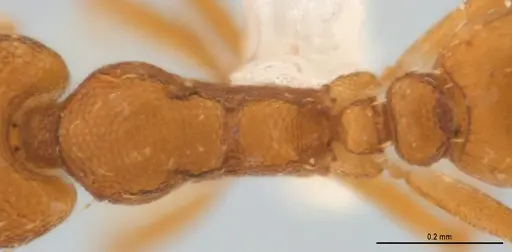
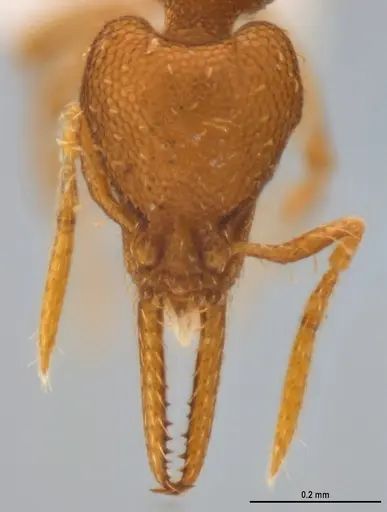
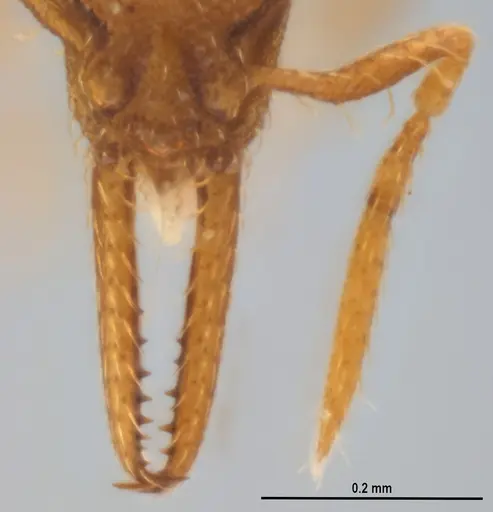
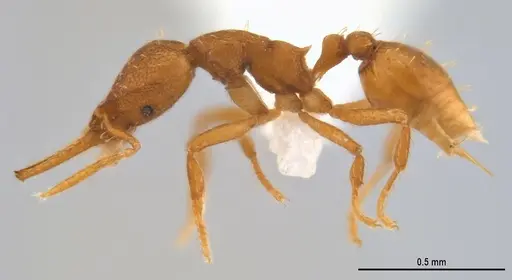
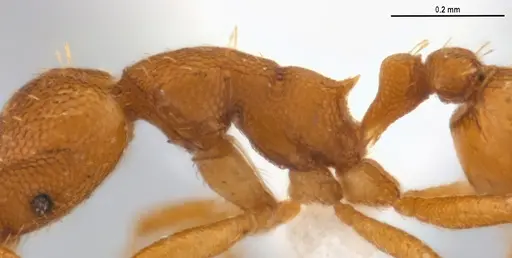
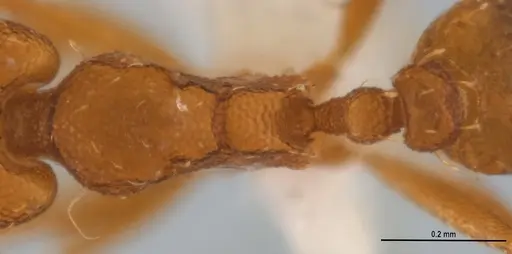
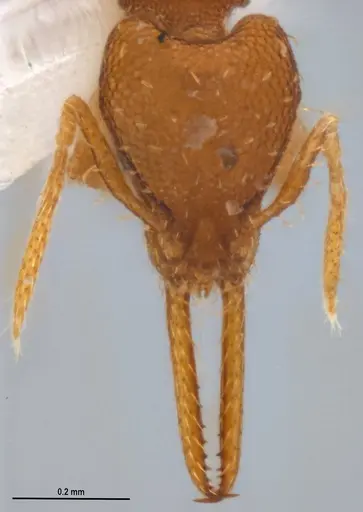
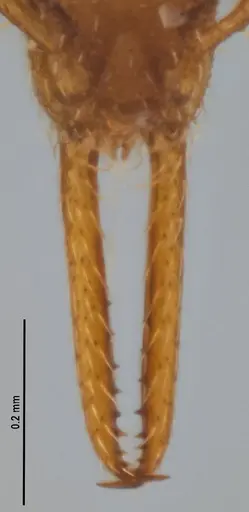
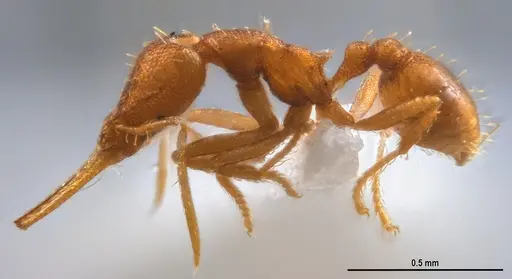
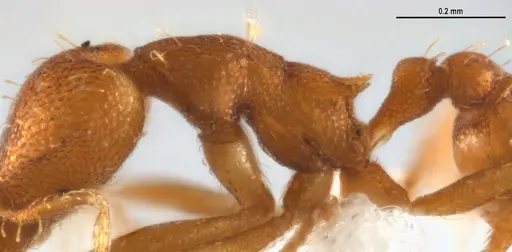
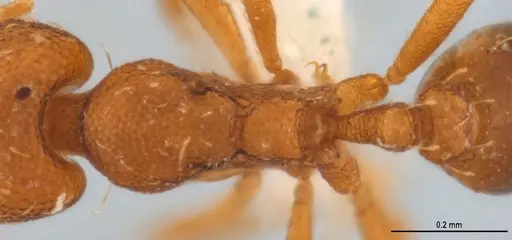
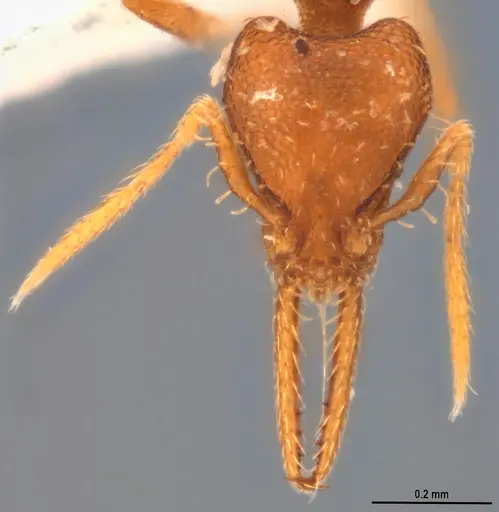
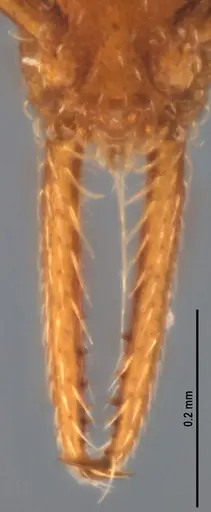
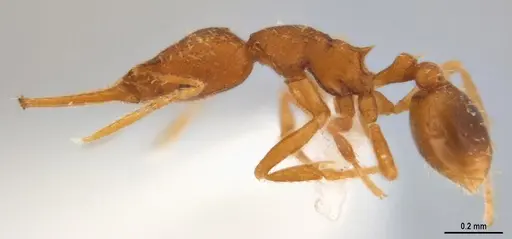
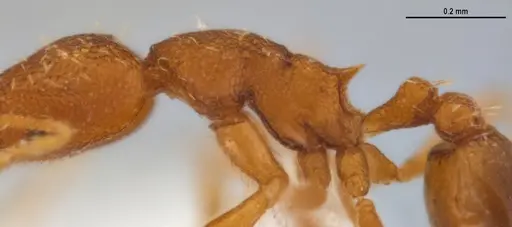
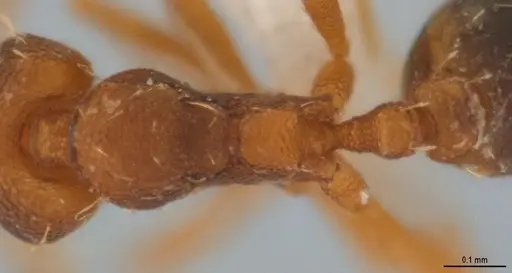
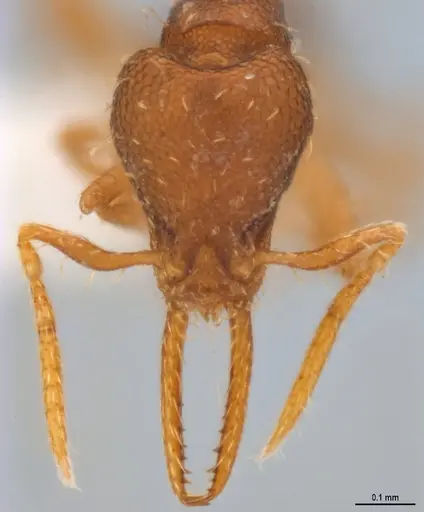
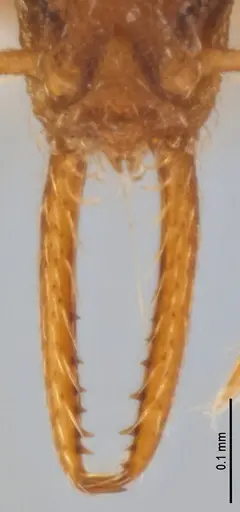
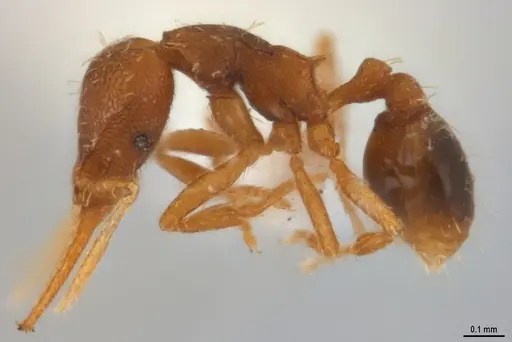
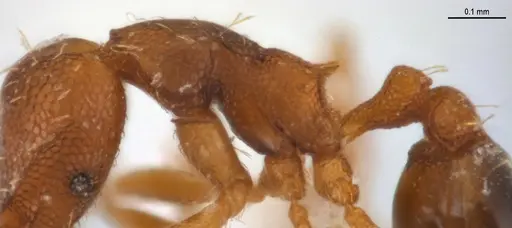
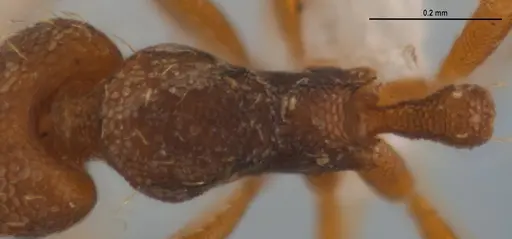
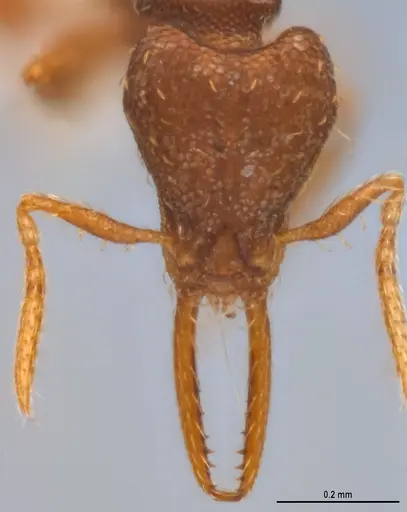
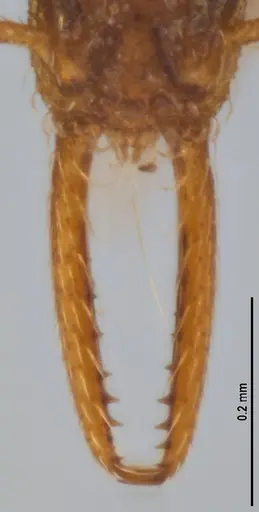
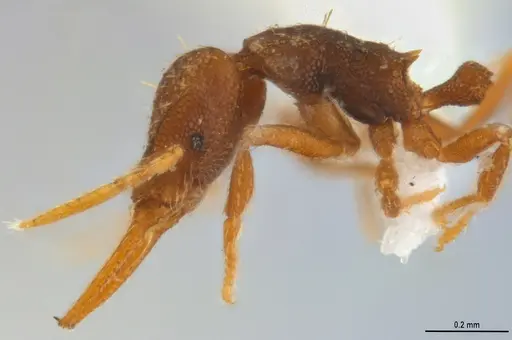
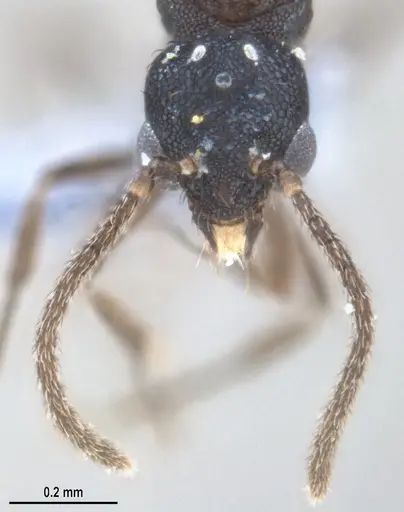
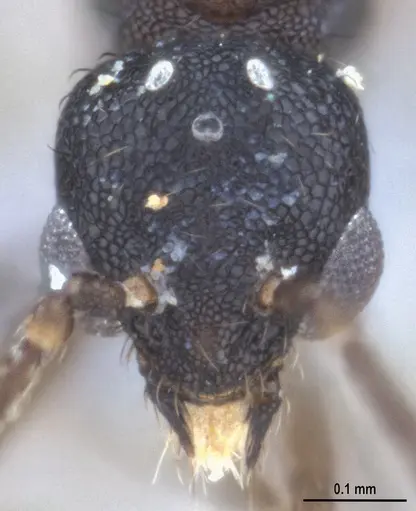
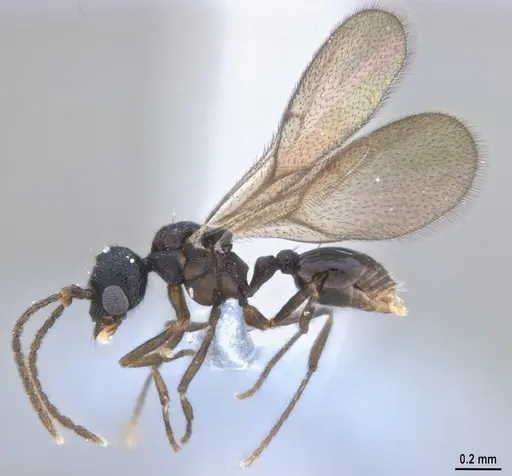
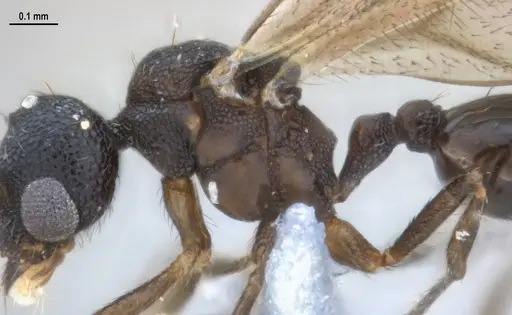
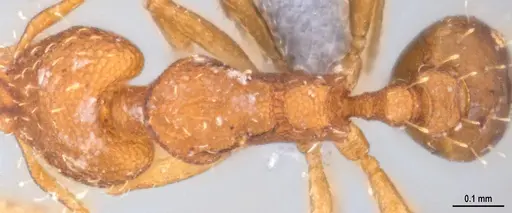
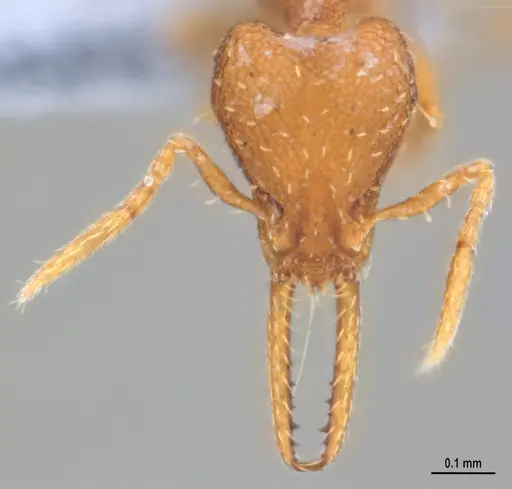
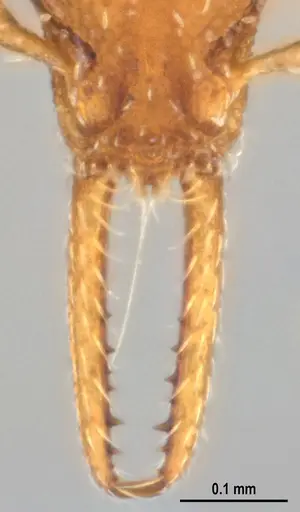
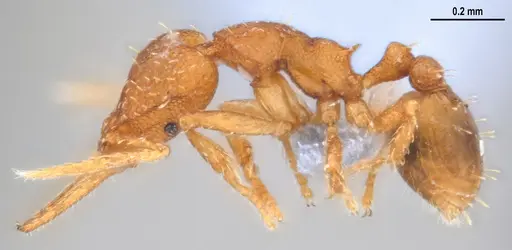
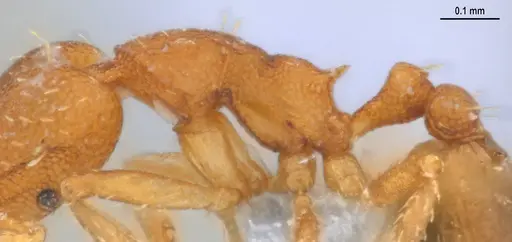
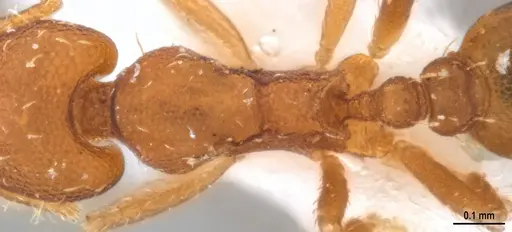
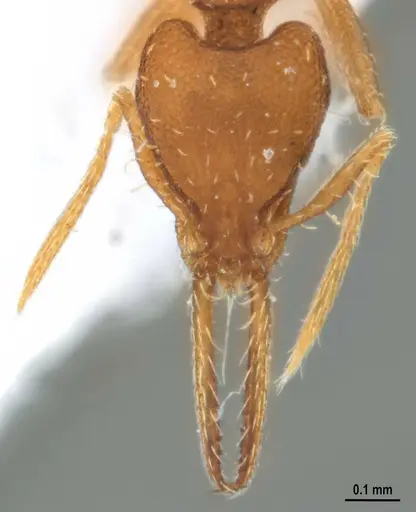
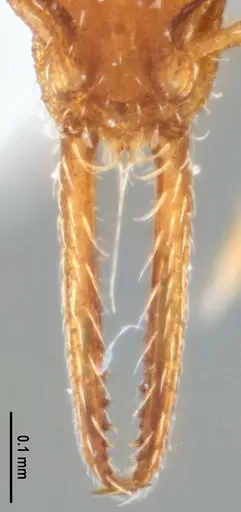
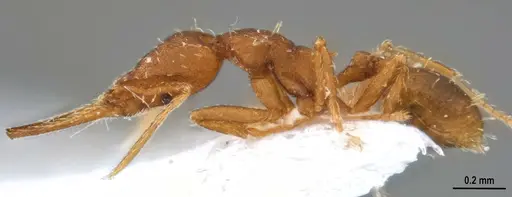
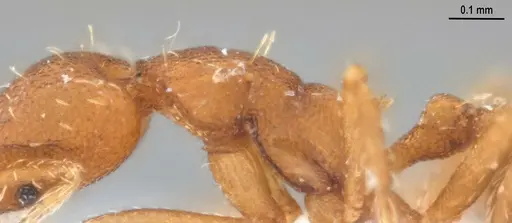
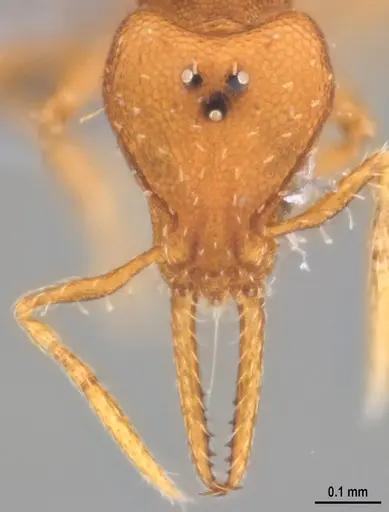
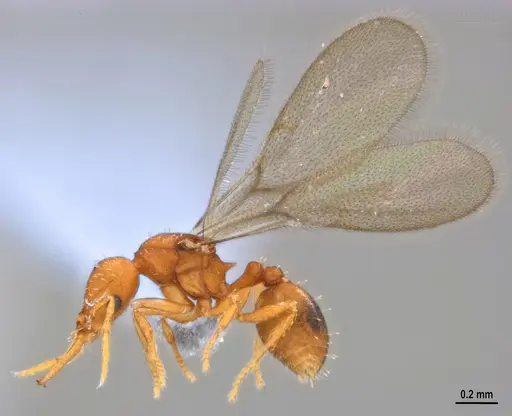
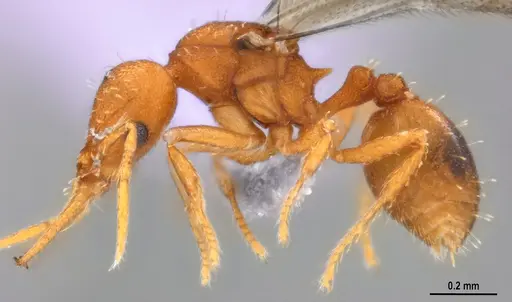
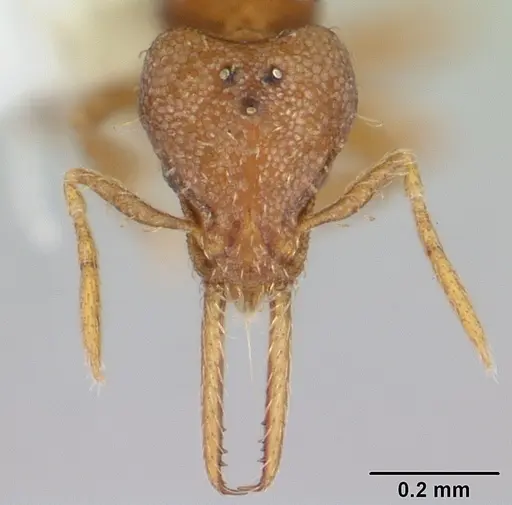
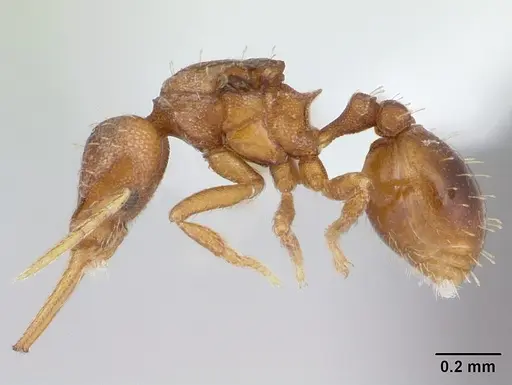
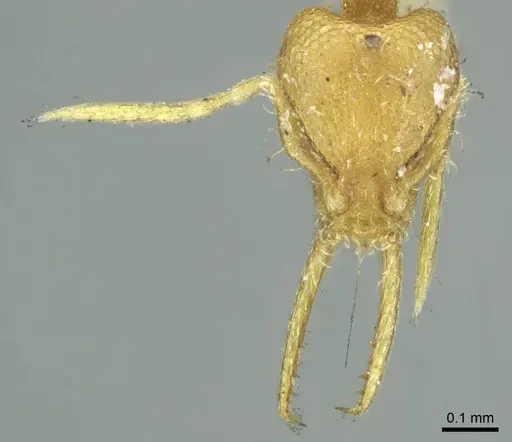
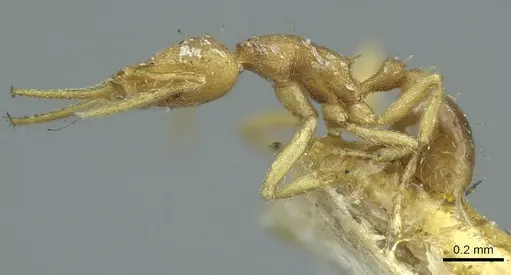
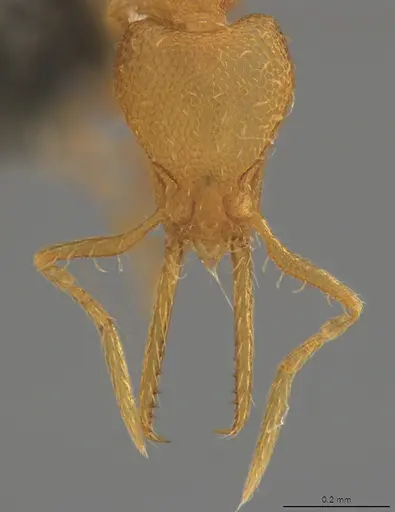
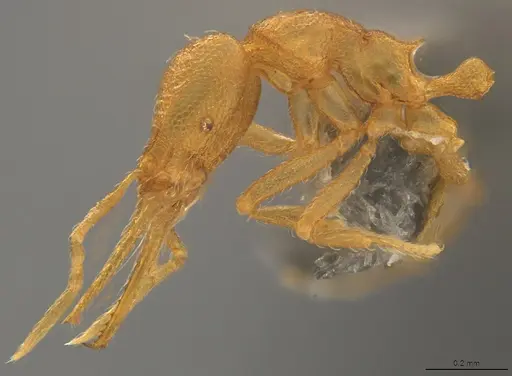
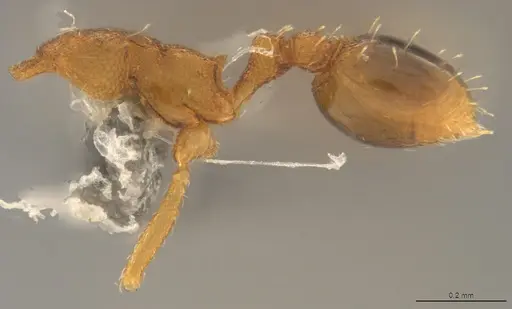
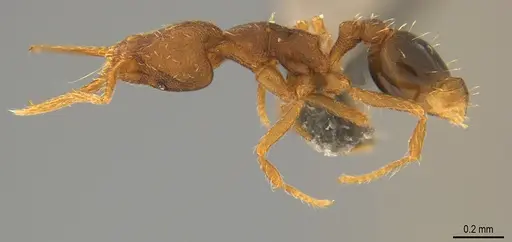
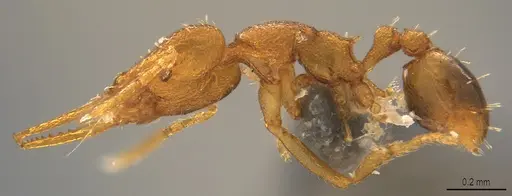
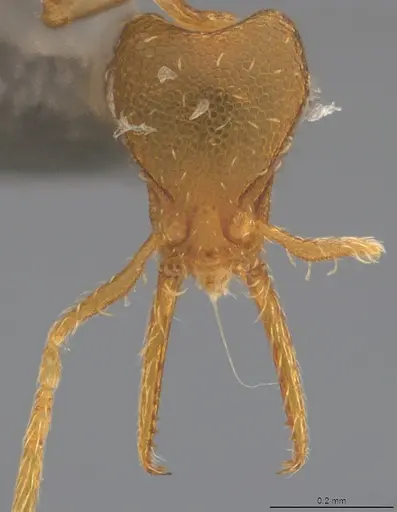
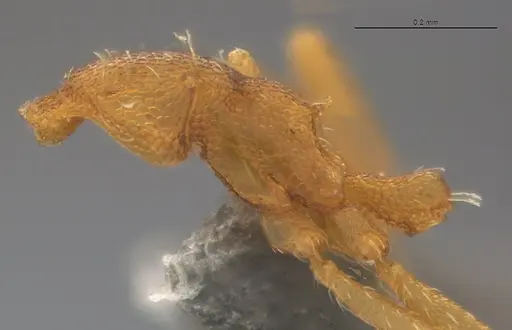
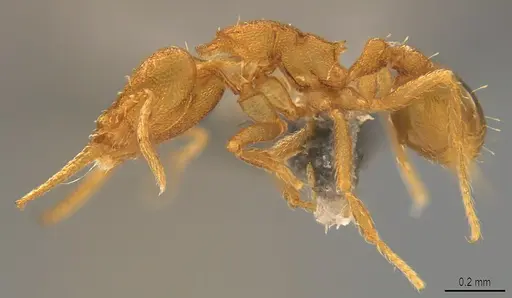
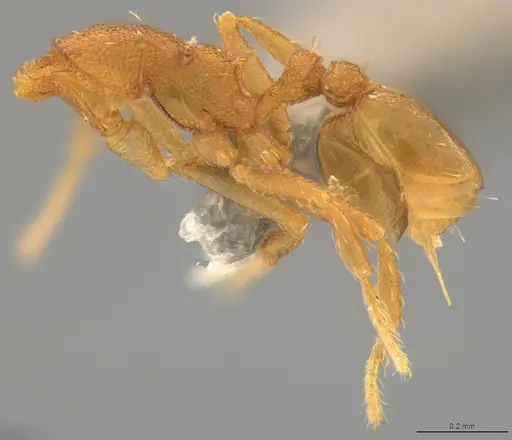
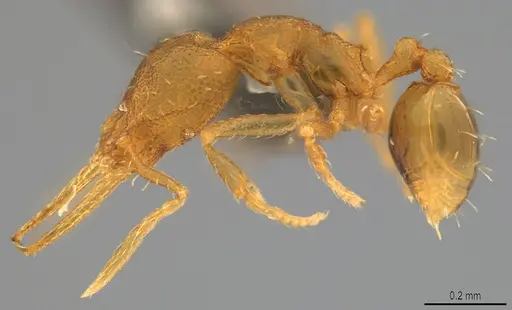
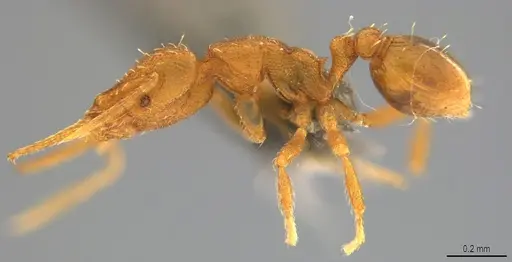
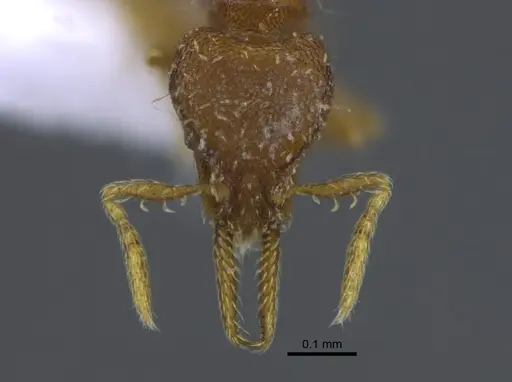
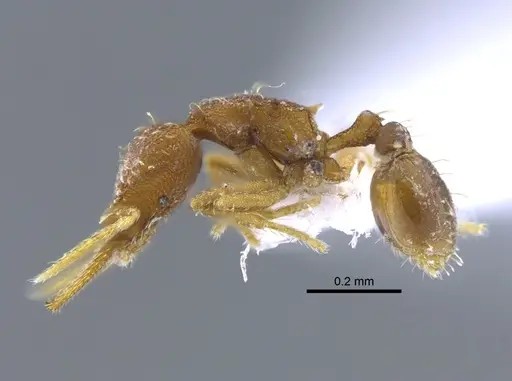
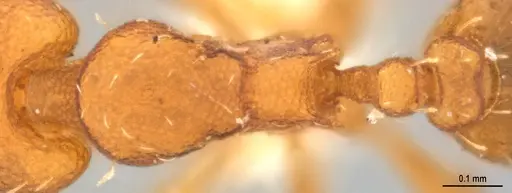
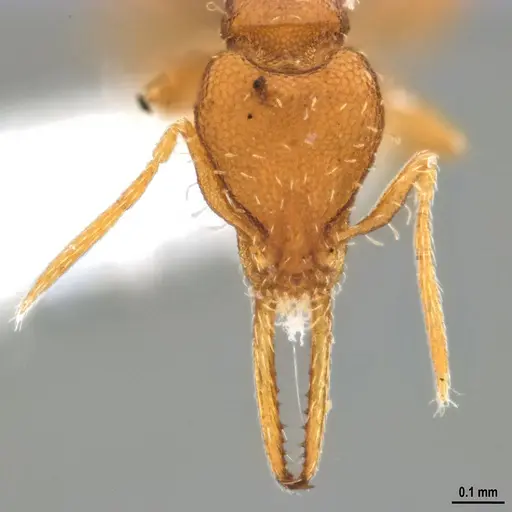
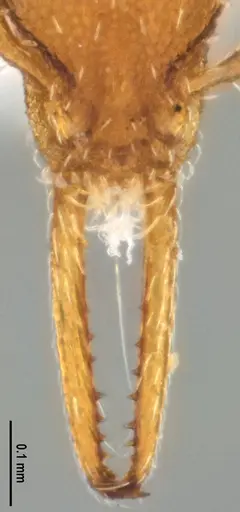
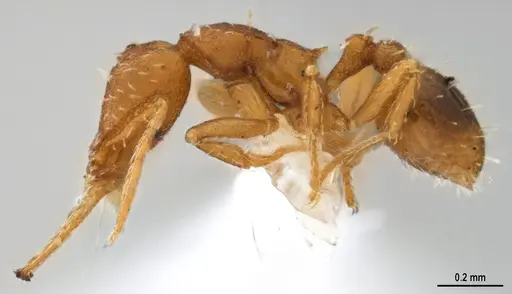
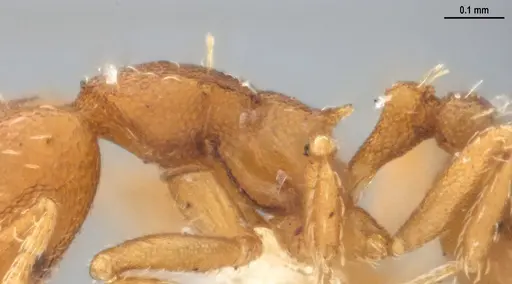
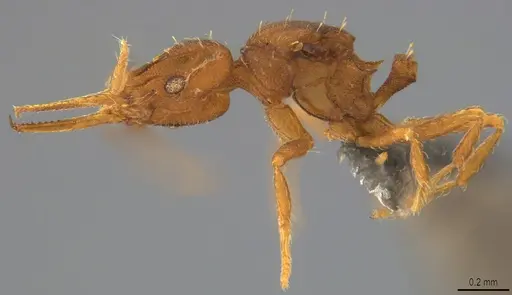
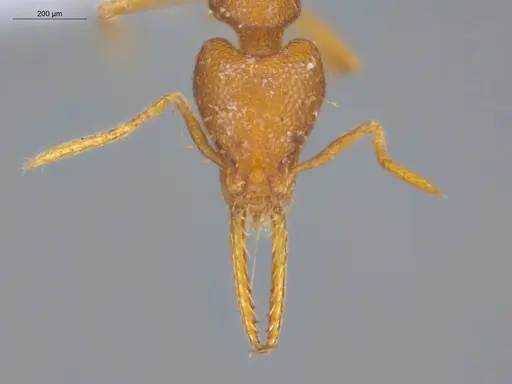
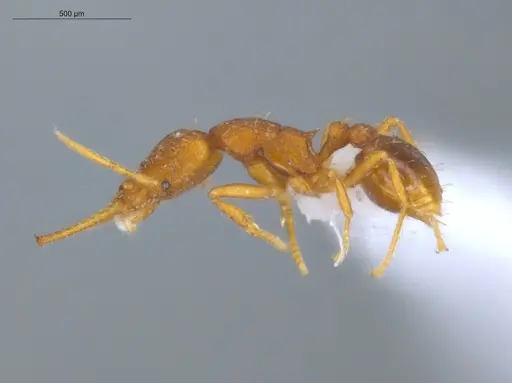
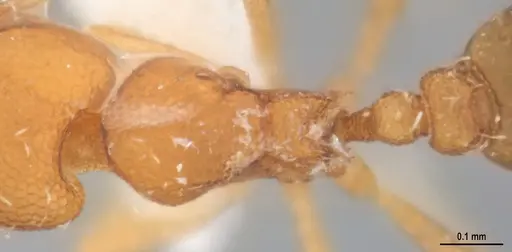
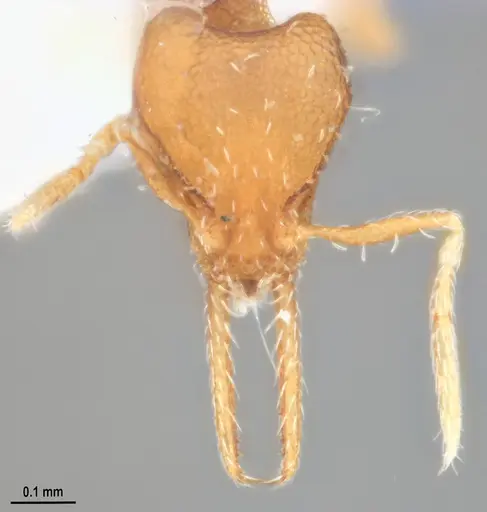
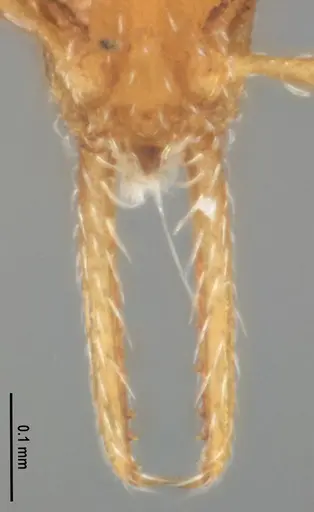
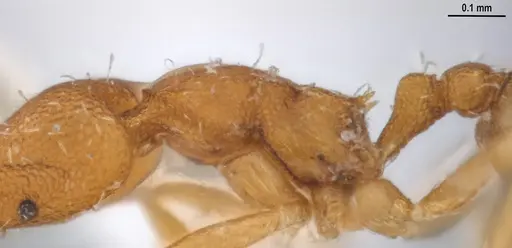
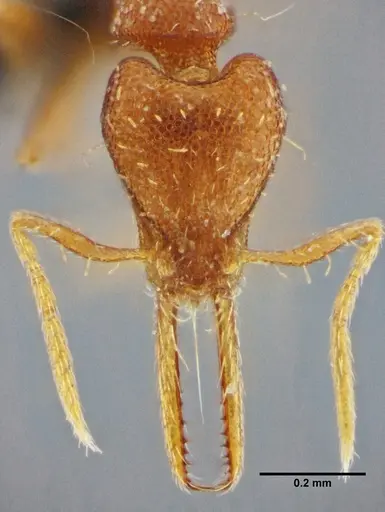
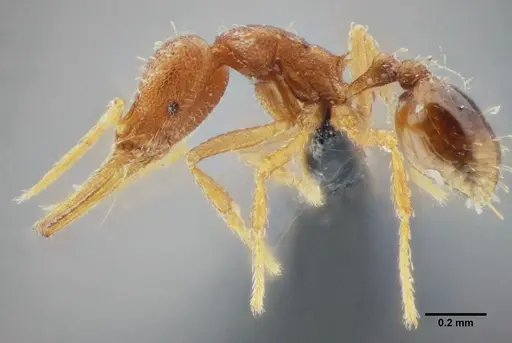
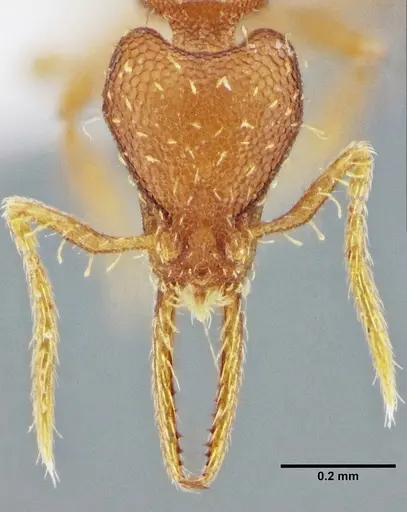
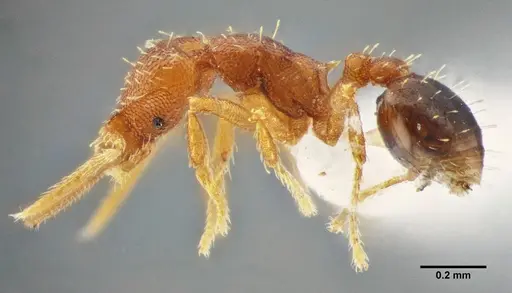
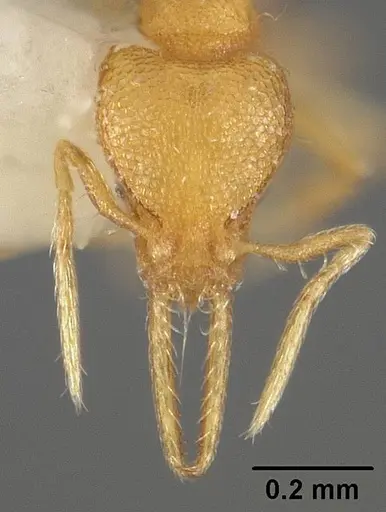
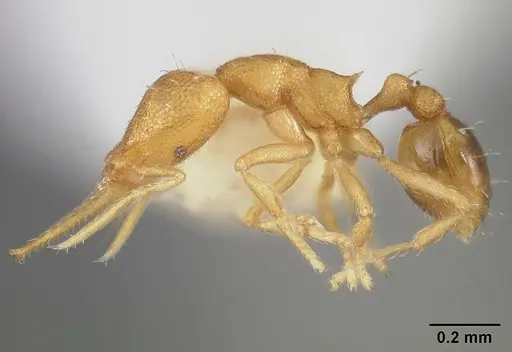
Strumigenys denticulata is a tiny predatory ant native to the Neotropical region, found across much of northern South America including Brazil, Colombia, Peru, and surrounding countries [1]. Workers measure just 1.8-2.2mm with remarkably long, slender mandibles that give them their characteristic appearance, these trap-jaw mandibles are their primary hunting tool for capturing springtails [2][3]. The species belongs to the gundlachi species group and is recognized by its very long mandibles (mandibular index 72-85) and reduced spongiform appendages on the postpetiole [2]. These ants live exclusively in leaf litter and rotting wood on the forest floor, making them a true litter-dwelling species [4][5].
What makes S. denticulata particularly interesting is its specialized predatory lifestyle, it hunts almost exclusively on springtails (Collembola), using its trap-jaw mandibles to capture these tiny prey [6][4]. This specialization makes them a specialized predator, and they're considered one of the most frequent ant species in litter samples across the Atlantic Forest of Brazil [4][7]. They're also remarkably resilient, this species persists in secondary forests, Eucalyptus plantations, and even urban forest remnants, though they prefer the best-preserved areas [8][9].
Quick Summary
- Difficulty: Medium
- Origin & Habitat: Neotropical region, Argentina, Bolivia, Brazil, Colombia, Ecuador, French Guiana, Guyana, Panama, Paraguay, Peru, Suriname, Trinidad and Tobago, Venezuela. Found in leaf litter of primary and secondary forest, rotting twigs, epiphytes, and occasionally termite nests [1][5].
- Colony Type: Colony structure is unconfirmed. Based on related species, likely single-queen (monogyne) colonies. No documented ergatoid replacement reproductives for this species.
- Size & Growth:
- Queen: Unconfirmed, related species suggest queens slightly larger than workers, likely 2.5-3mm
- Worker: 1.8-2.2mm [2]
- Colony: Unknown, likely small colonies typical of litter-dwelling Strumigenys, probably under 100 workers
- Growth: Slow, specialized predators typically grow slowly
- Development: Unconfirmed, based on related Strumigenys species, estimate 6-10 weeks at optimal temperature (No direct development data available for this species. Estimates based on genus-level patterns for tropical litter-dwelling ants.)
- Antkeeping:
- Temperature: Keep at 24-28°C, they're a tropical species from lowland forests [5]. A gentle gradient is helpful but not critical.
- Humidity: High humidity required, these are forest floor ants. Keep substrate consistently moist but not waterlogged. Think damp forest floor conditions.
- Diapause: No, this is a tropical species with no documented diapause requirement [5]. They remain active year-round in captivity.
- Nesting: Y-tong or plaster nests work well. They prefer tight, humid chambers scaled to their tiny size. Naturalistic setups with leaf litter and substrate also work, they naturally nest in litter layers.
- Behavior: These ants are cryptic and not aggressive. They're specialized predators that hunt springtails using their trap-jaw mandibles, they don't form raiding parties or defend territories aggressively [3][4]. Workers are tiny and can escape through very small gaps. They're slow-moving compared to many ants and spend most of their time hunting through leaf litter. They don't sting, being in the tribe Attini, they lack functional stingers and rely on their mandibles for defense [3]. Escape prevention is critical due to their minute size.
- Common Issues: escape prevention is critical, they are tiny and can squeeze through the tiniest gaps, specialized diet means they may refuse standard ant foods, live springtails are essential, colonies are small and grow slowly, beginners may lose patience, wild-caught colonies may have parasites that kill them in captivity, sensitive to drying out, forest floor habitat requires consistent moisture
Housing and Nest Setup
Strumigenys denticulata requires a setup that mimics their natural leaf litter habitat. A Y-tong (AAC) nest with narrow chambers works well, as does a plaster nest with small chambers. The key is providing tight, humid spaces scaled to their tiny 2mm size, avoid tall, open spaces they won't use [8]. A naturalistic setup with a layer of forest floor substrate (leaf litter, small twigs, soil) in a shallow container also works excellently. Place the nest in a dark or low-light area, these are cryptic ants that avoid bright conditions. The outworld should be simple since they don't forage far from the nest. Use excellent escape prevention, these tiny ants can squeeze through gaps you didn't know existed. Apply Fluon to all rim edges and use fine mesh on any ventilation holes.
Feeding and Diet
This species is a specialized predator that feeds almost exclusively on springtails (Collembola) [6][4]. This is critical, they will not survive on standard ant foods like sugar water, fruit, or protein mixes. In captivity, you must establish a culture of live springtails (Folsomia candida or similar) to feed them. Offer springtails regularly, typically several times per week. The springtails should be small enough for the ants to handle, roughly 1-2mm. Some keepers report success with other tiny arthropods like booklice (psocids) and very small fruit fly larvae, but springtails should form the core of their diet. Never rely on sugar sources, this species does not forage for honeydew or nectar [6].
Temperature and Care
Keep these ants warm at 24-28°C, they're a tropical species from lowland Neotropical forests [5]. Room temperature in most homes (20-24°C) is acceptable, but they will be more active and grow faster in the warmer range. A heating cable on one side of the nest can create a gentle gradient if your room runs cool. Humidity is crucial, they come from the damp forest floor and will quickly die if dried out. Keep the nest substrate consistently moist but never waterlogged. A water reservoir connected to the nest works well for maintaining humidity. Do not mist directly on the ants, instead, maintain ambient humidity through damp substrate. No hibernation or winter rest is needed for this tropical species [5].
Behavior and Temperament
Strumigenys denticulata is a cryptic, non-aggressive ant. Workers are slow-moving and spend most of their time hunting through the substrate for springtails [4]. They don't defend territory or form raiding parties, their hunting strategy is ambush predation using their specialized trap-jaw mandibles [3]. When hunting, they wait motionless until a springtail comes within striking range, then snap their mandibles shut with remarkable speed. They pose no threat to humans, their mandibles are too small to bite effectively, and being in the Myrmicinae tribe Attini, they lack a functional stinger [3]. The main behavioral concern for keepers is their escape risk due to their minute size. They will explore any gap in their enclosure, so escape prevention must be excellent from day one.
Colony Establishment
Establishing a colony of this species can be challenging. Wild-caught colonies are rare since they live in leaf litter and are difficult to locate. If you obtain a founding queen, she should be housed in a small test tube setup with moist substrate. The founding behavior is unconfirmed but likely claustral like other Strumigenys, the queen seals herself in and raises the first brood alone on stored fat reserves [5]. First workers (nanitics) will be very small and may take several months to appear. Once the colony reaches 10-20 workers, you can transition them to a more permanent nest setup. Growth is slow, specialized predators typically produce fewer eggs than generalist species. Patience is essential. Wild-caught colonies may carry parasites that can wipe out the colony in captivity, so quarantine and careful observation during the first few months is recommended.
Frequently Asked Questions
Can I keep Strumigenys denticulata in a test tube?
Yes, you can keep them in a test tube for the founding stage. Use a small test tube with a water reservoir and keep it horizontally or slightly tilted. The tube should have moist (not wet) cotton or substrate. However, once the colony reaches 15-20 workers, transition them to a Y-tong or plaster nest with small chambers. They need tight spaces scaled to their tiny 2mm size.
What do Strumigenys denticulata eat?
They eat almost exclusively live springtails (Collembola). This is a specialized predator that hunts springtails in the wild [6][4]. You cannot keep them on standard ant foods. Establish a springtail culture to feed them regularly, offer small springtails several times per week. Some keepers report success with other tiny arthropods, but springtails should form the core of their diet.
How long does it take for Strumigenys denticulata to produce first workers?
The exact timeline is unconfirmed, but based on related Strumigenys species, expect 6-10 months from founding to first workers. These are slow-growing ants. The queen will lay a small number of eggs and raise the brood alone. Growth is much slower than common species like Lasius or Camponotus. Patience is essential with this species.
Are Strumigenys denticulata good for beginners?
No, this species is not recommended for beginners. Their specialized diet (requiring live springtail cultures), tiny size making escape likely, and need for high humidity make them challenging. They're better suited for antkeepers with some experience who can provide the specific conditions they need. Consider starting with easier species like Lasius or Tetramorium before attempting Strumigenys.
Do Strumigenys denticulata need hibernation?
No, they do not need hibernation. This is a tropical species from the Neotropical region with no documented diapause requirement [5]. Keep them warm (24-28°C) year-round. They remain active throughout the year in captivity.
Why are my Strumigenys denticulata dying?
The most common causes are: 1) Dried out, they need consistently moist substrate,2) Starvation, they need live springtails, not other foods,3) Escaped, they're tiny and will find any gap,4) Wild-caught parasites, many wild colonies carry parasites that kill them. Check your humidity levels first, then verify you're offering live springtails. Examine any dead ants for signs of parasites or unusual discoloration.
How big do Strumigenys denticulata colonies get?
Colony size is unknown but likely remains small, probably under 100 workers. This is typical for litter-dwelling Strumigenys species. They are not a large colony species. The focus is on the specialized hunting behavior rather than colony numbers.
When should I move Strumigenys denticulata to a formicarium?
Move them when the colony reaches 15-20 workers. Before that, keep them in a simple setup like a test tube or small container with moist substrate. Once they outgrow a small setup, transition to a Y-tong or plaster nest with small chambers. They prefer tight spaces, so avoid large formicaria designed for bigger ants.
Can I keep multiple Strumigenys denticulata queens together?
This has not been documented. Based on related species, they likely form single-queen colonies. Combining unrelated queens is not recommended, there's no evidence they can found colonies pleometrotically (multiple queens together) like some other ants. Keep one queen per colony.
References

This caresheet is licensed under CC BY-SA 4.0 .
ANTWEB1047248
View on AntWeb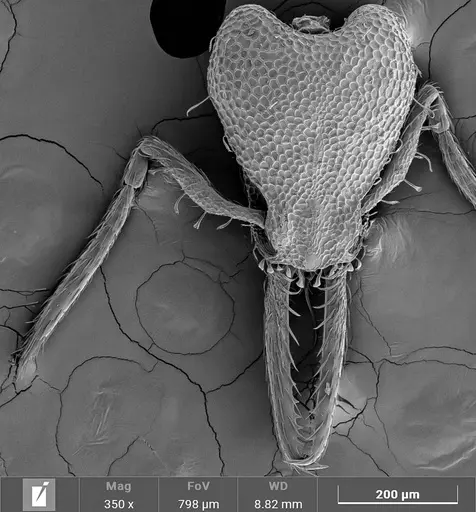
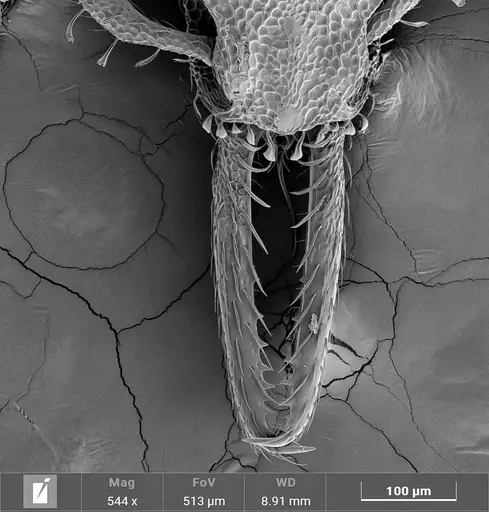
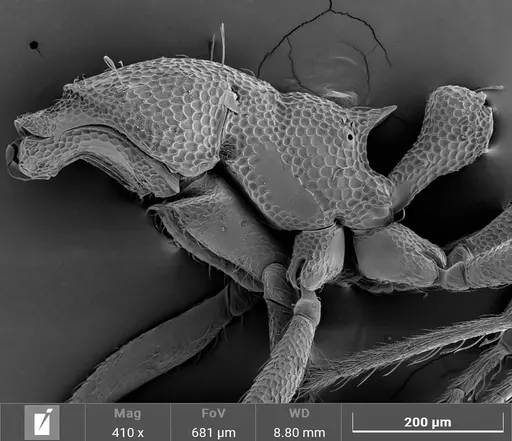
ANTWEB1047842
View on AntWeb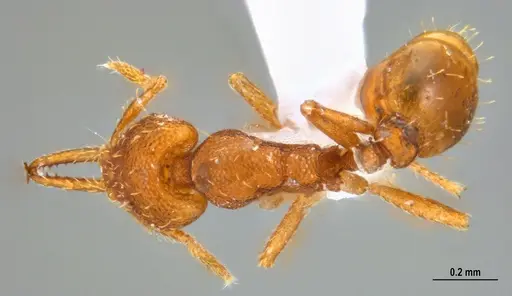
ANTWEB1053240
View on AntWeb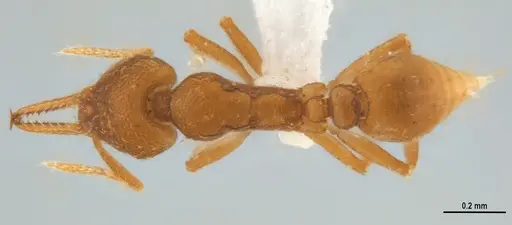
ANTWEB1053241
View on AntWeb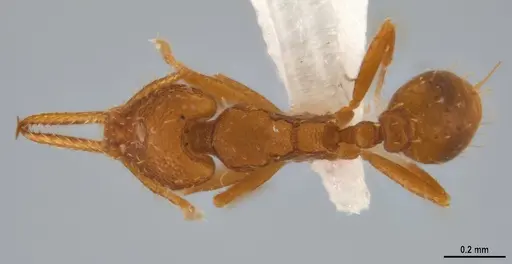
ANTWEB1053277
View on AntWeb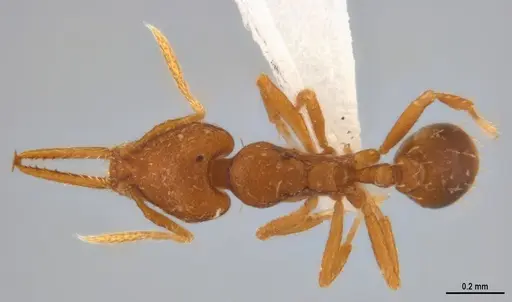
ANTWEB1053278
View on AntWeb
ANTWEB1053280
View on AntWeb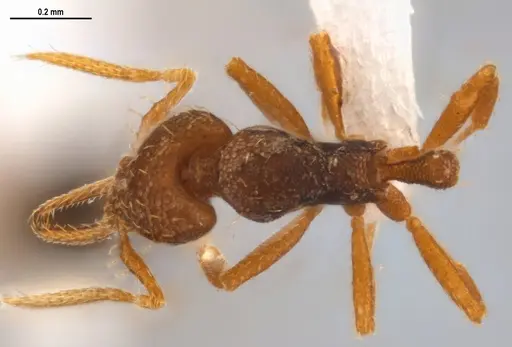
ANTWEB1053517
View on AntWeb
ANTWEB1053518
View on AntWeb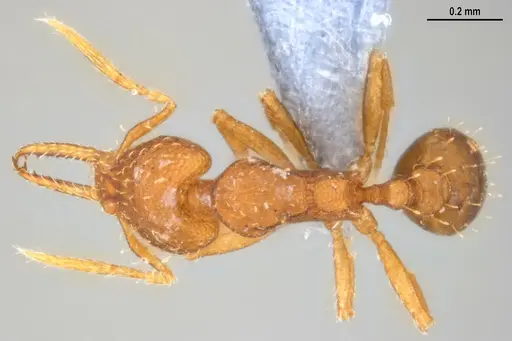
ANTWEB1053519
View on AntWeb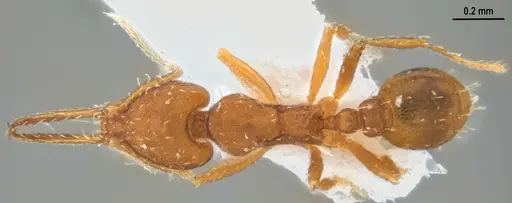
ANTWEB1053915
View on AntWeb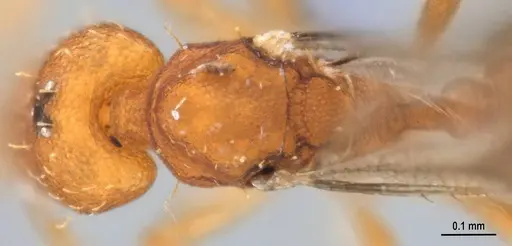
CASENT0178116
View on AntWeb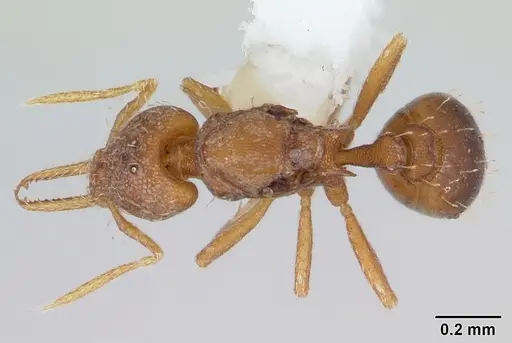
CASENT0178117
View on AntWeb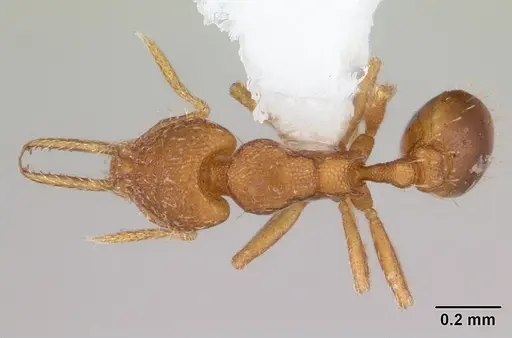
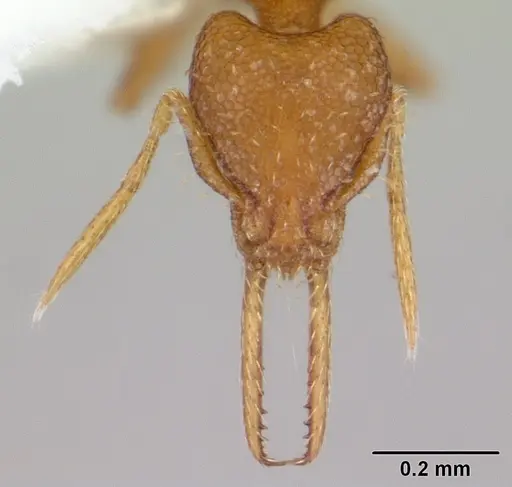
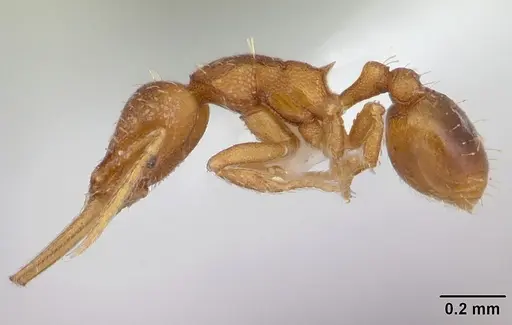
CASENT0900180
View on AntWeb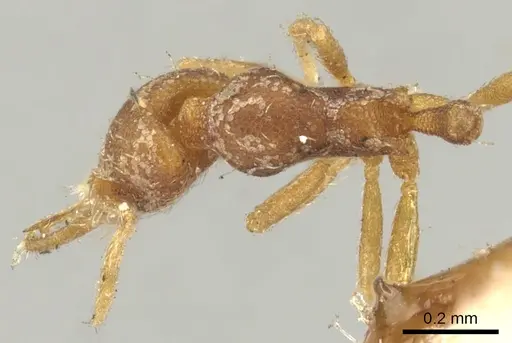
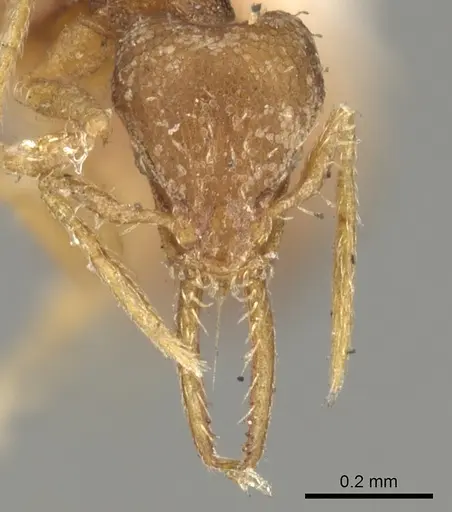
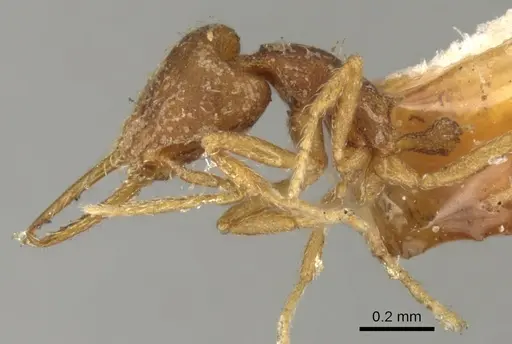
CASENT0914587
View on AntWeb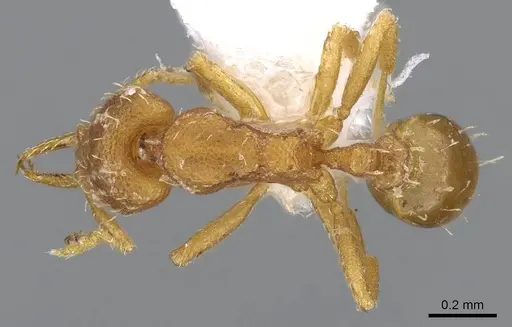
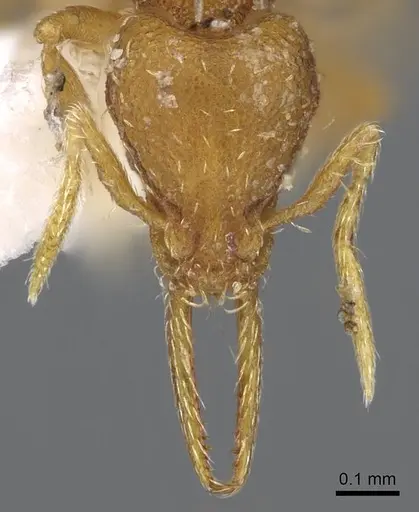
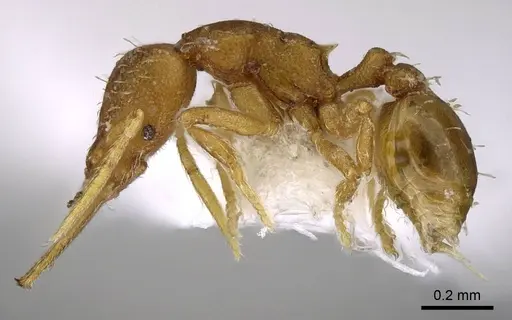
CASENT0915944
View on AntWeb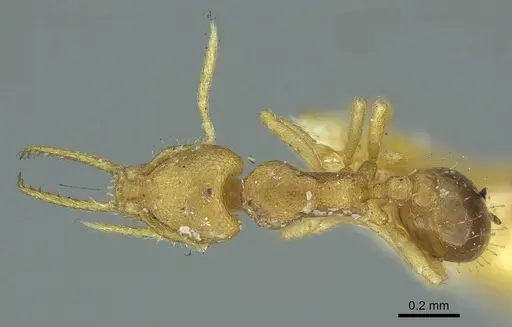
CASENT4036127
View on AntWeb
CASENT4036130
View on AntWeb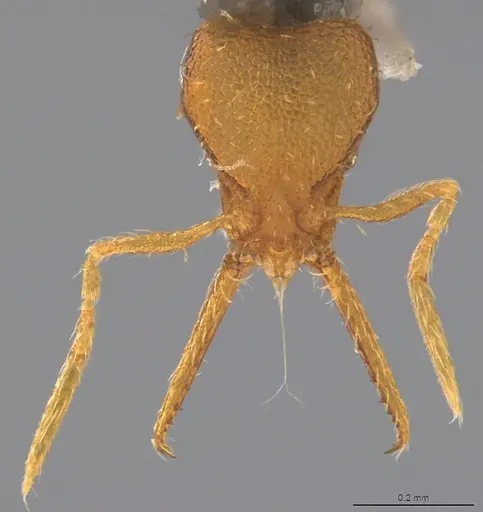
CASENT4036131
View on AntWeb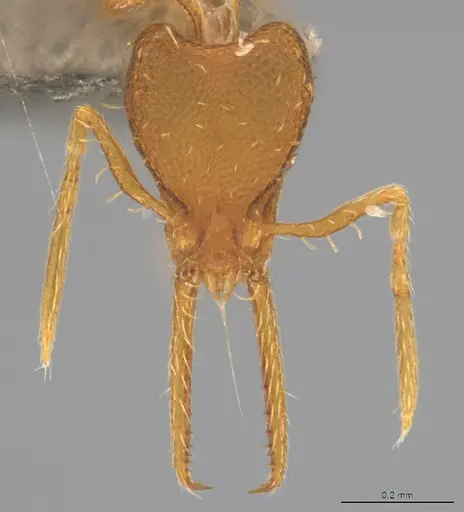
CASENT4036132
View on AntWeb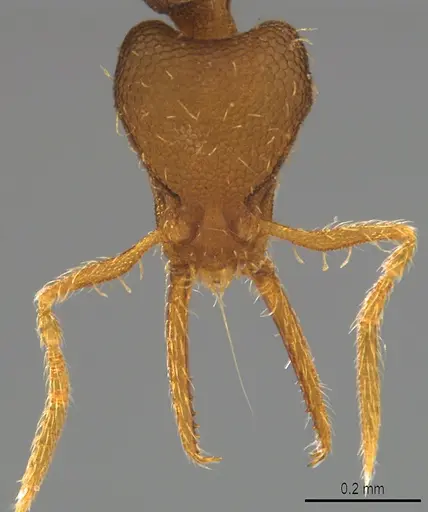
CASENT4036133
View on AntWeb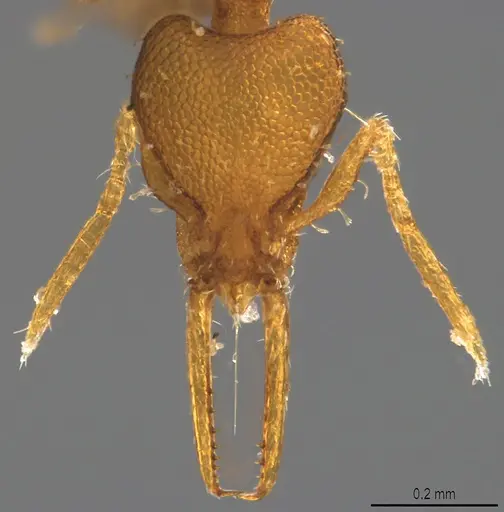
CASENT4036134
View on AntWeb
CASENT4036135
View on AntWeb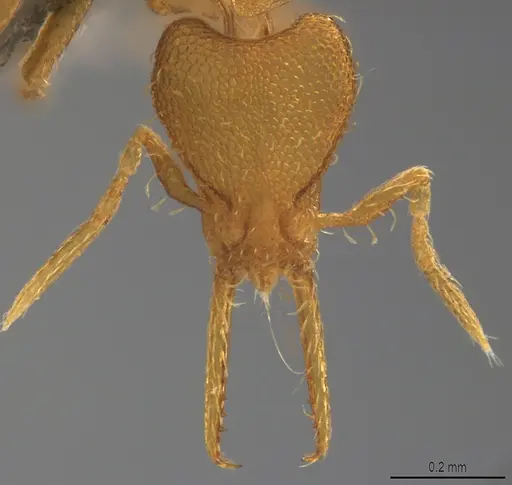
CASENT4036136
View on AntWeb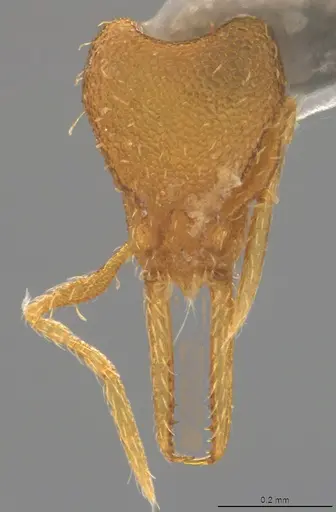
CASENT4036137
View on AntWeb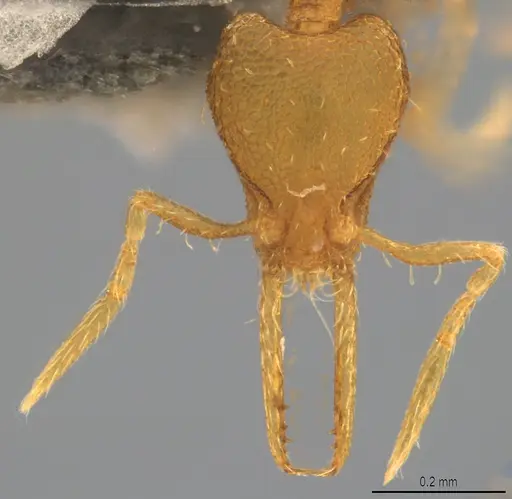
CASENT4036138
View on AntWeb
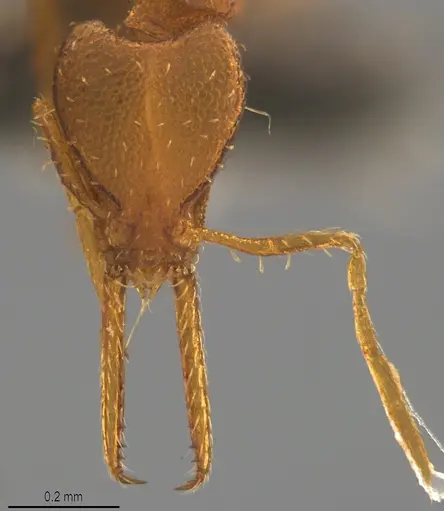
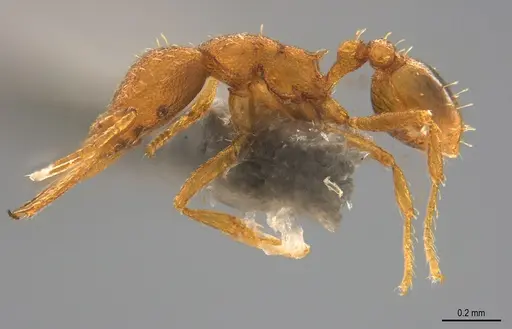
CASENT4036199
View on AntWeb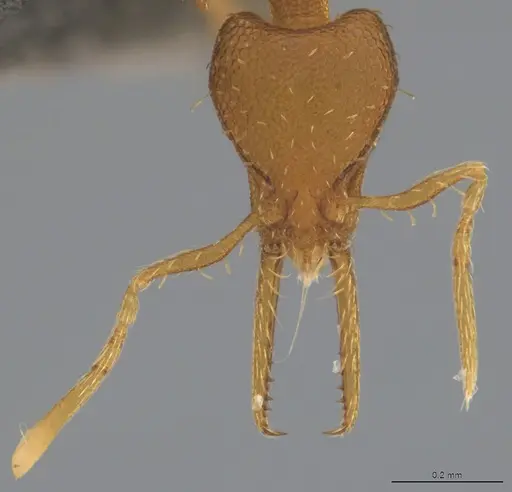
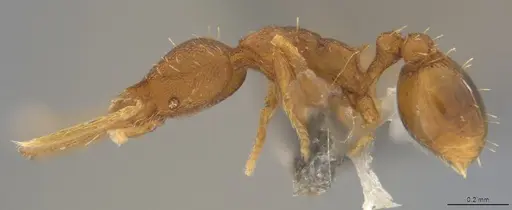
CASENT4036218
View on AntWeb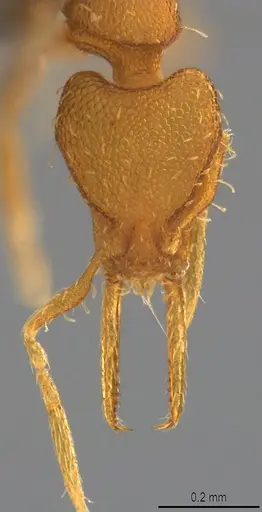
CBUMAGENT41684
View on AntWeb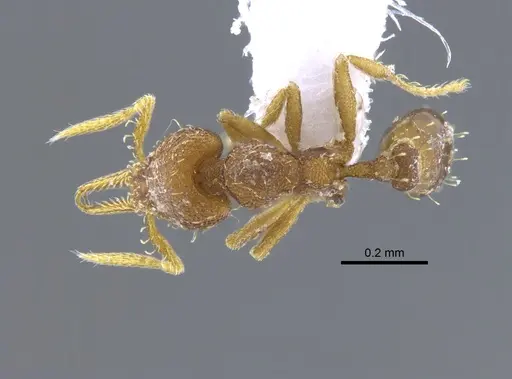
DZUP556983
View on AntWeb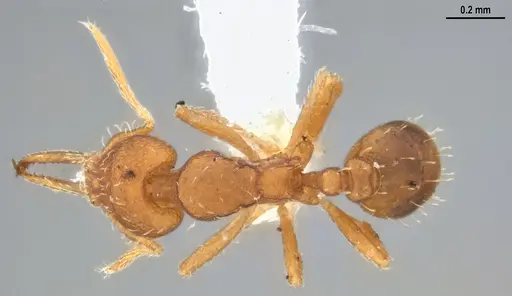
DZUP556984
View on AntWeb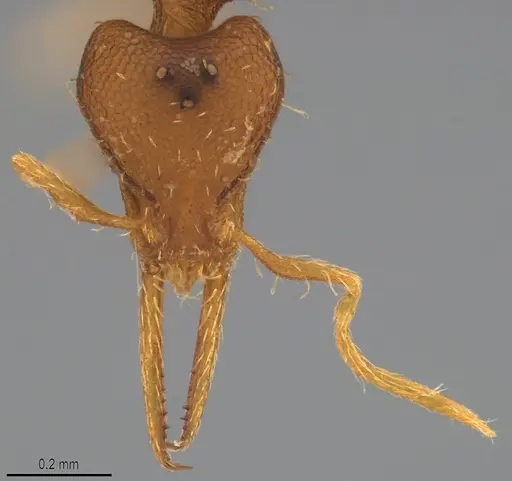
ECOFOG-CRL20-0007-13
View on AntWeb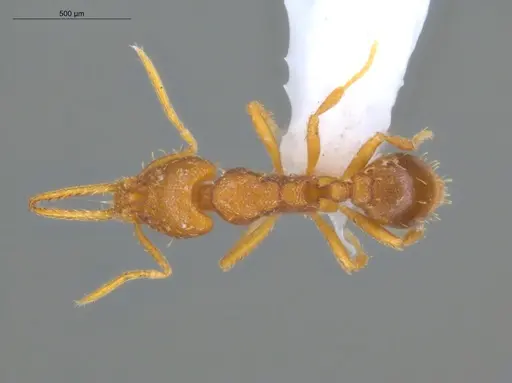
MZSPHYM0140221
View on AntWeb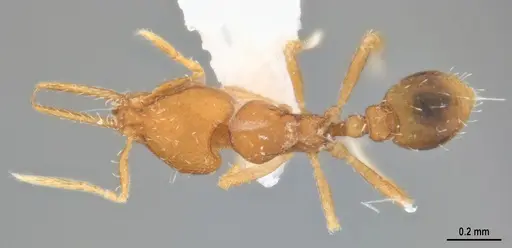
UFV-LABECOL-000065
View on AntWeb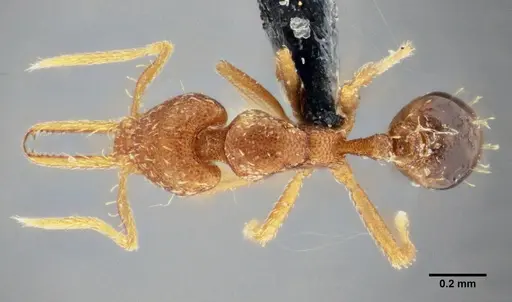
UFV-LABECOL-000066
View on AntWeb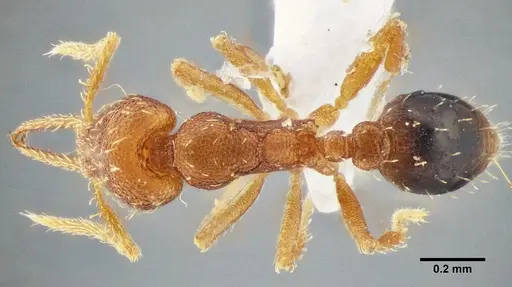
USNMENT00442251
View on AntWeb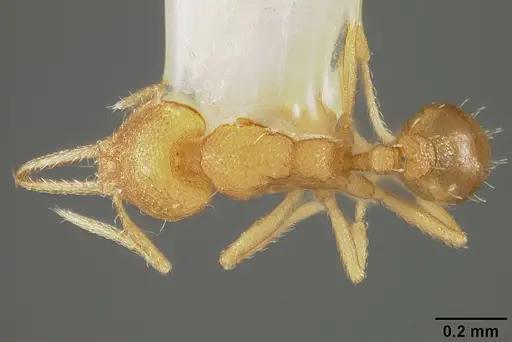
Literature
Loading...Loading products...