

Strumigenys decipula
- Scientific Name
- Strumigenys decipula
- Tribe
- Attini
- Subfamily
- Myrmicinae
- Author
- Bolton, 2000
- Distribution
- Found in 1 countries
Strumigenys decipula Overview
Strumigenys decipula is an ant species of the genus Strumigenys. It is primarily documented in 1 countries , including Ecuador. Detailed taxonomic data and occurrence records can be further explored via authoritative databases such as AntWeb or the Global Biodiversity Information Facility (GBIF).
Strumigenys decipula
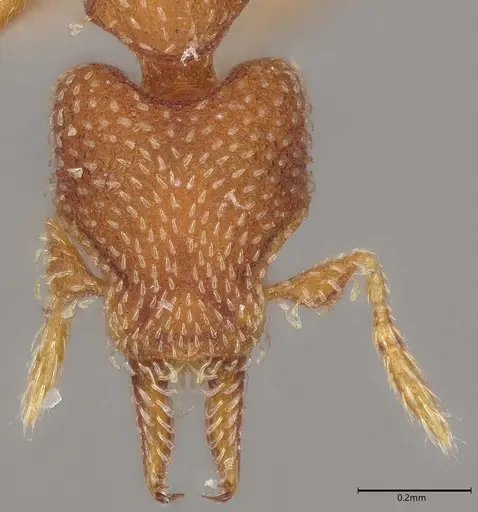
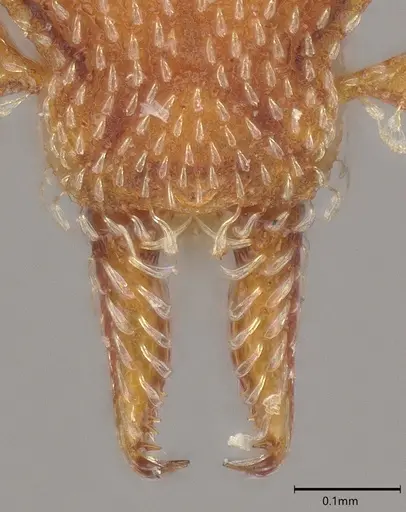
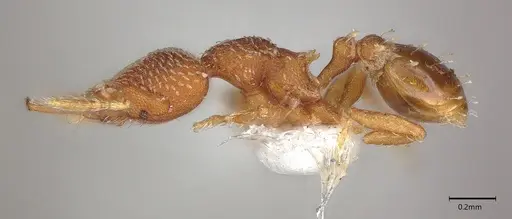
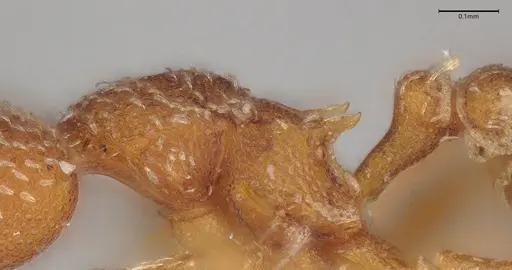
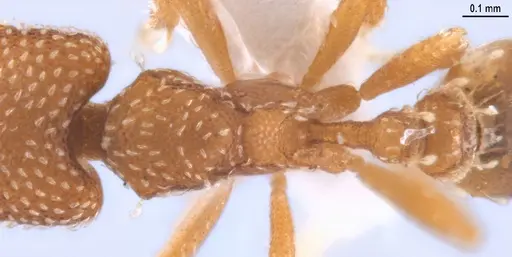
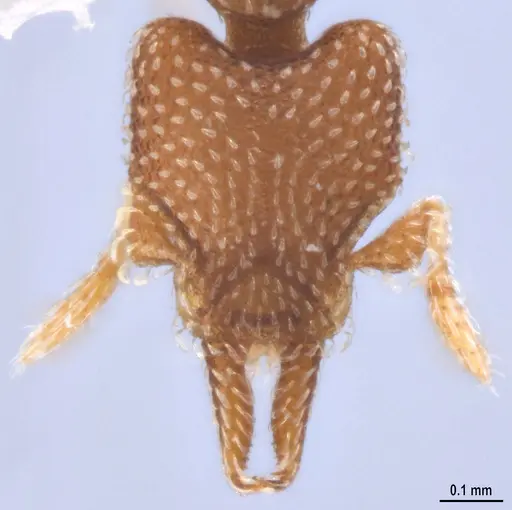
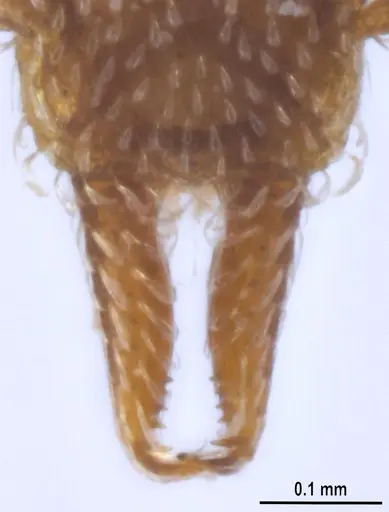
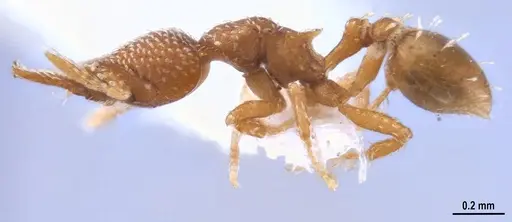
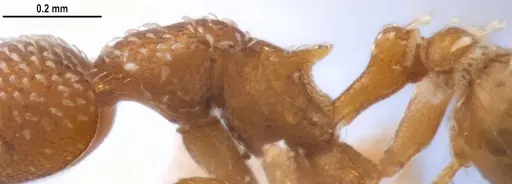
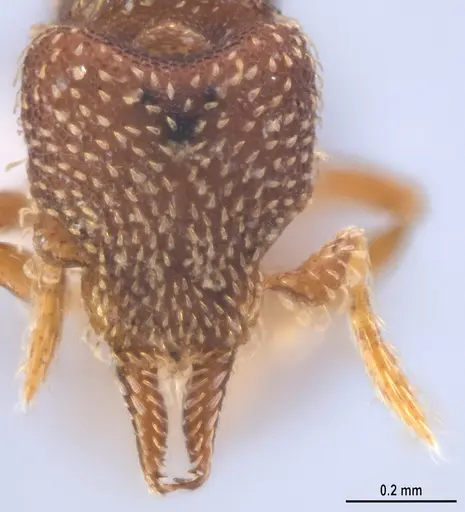
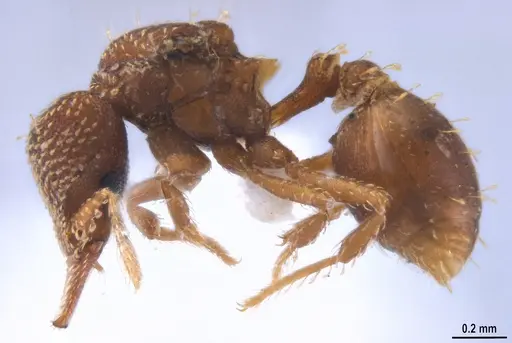
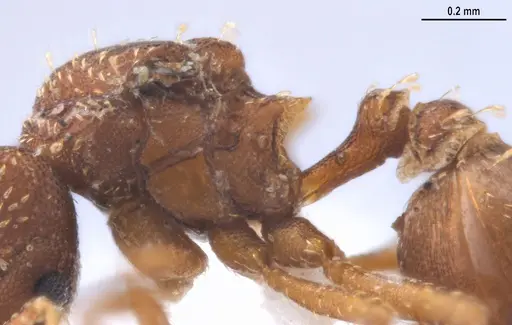
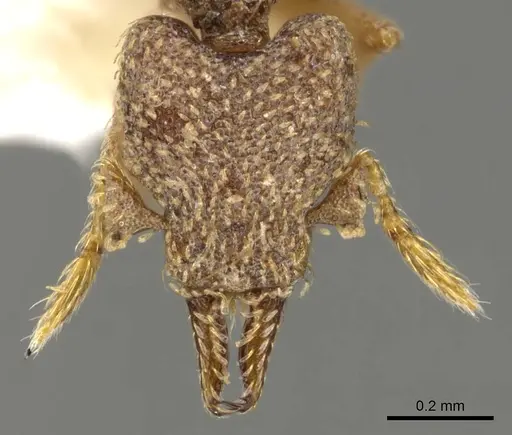
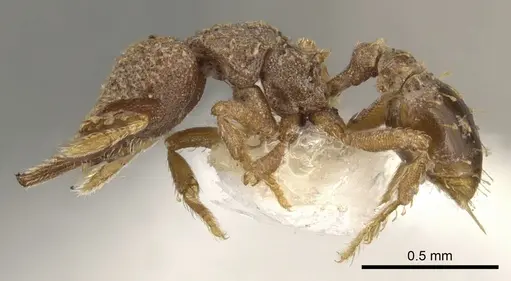
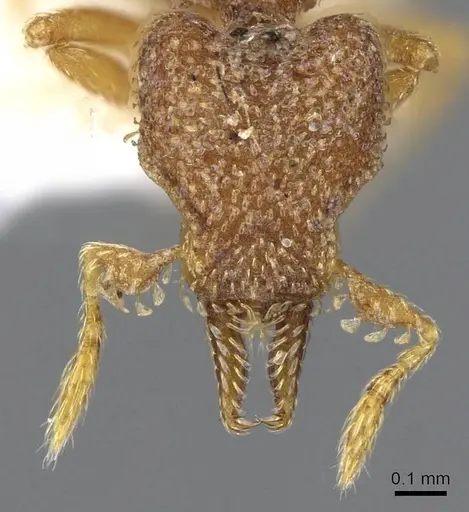
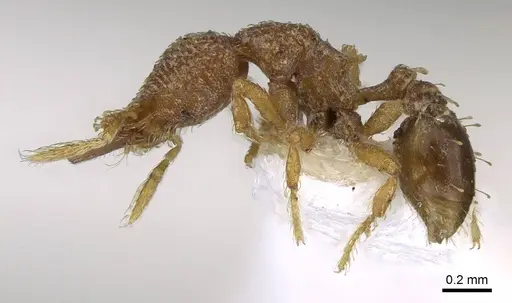
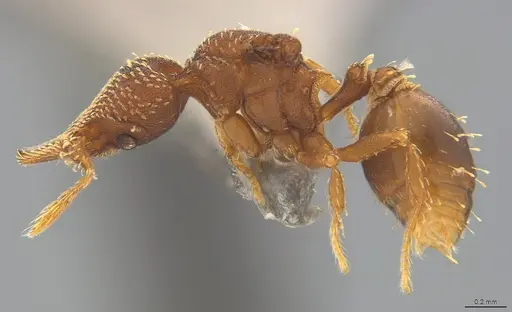
Strumigenys decipula is a tiny predatory ant measuring just 2.1-2.2mm in total length. This species belongs to the gundlachi group within the genus Strumigenys, characterized by their trap-jaw mandibles used to snap shut on prey [1]. Workers have a distinctive appearance with very broad, short antennae (scapes) that expand into a lobe, small eyes with only three ommatidia, and no standing hairs on the dorsal mesosoma, instead they have dense, short, spatulate (spoon-shaped) hairs that lie flat against the body [2]. The mandibles are elongate and sublinear with strongly convex inner margins that meet at midlength when closed [2].
This species is found across the northern South American region, with confirmed records from Brazil, Colombia, Ecuador, and Peru [2][1][3]. In Colombia, specimens have been collected at both high elevation (2730m in Boyacá) and lowland Amazonian sites (300m in Caquetá), suggesting adaptability to different altitudes [2]. The biology of this specific species remains unstudied, but like other Strumigenys, they are predatory ants that hunt small arthropods.
Quick Summary
- Difficulty: Expert
- Origin & Habitat: Neotropical region, Brazil, Colombia, Ecuador, and Peru. Found in both highland (2730m) and lowland (300m) tropical forest environments [2].
- Colony Type: Colony structure is unconfirmed. Based on genus patterns, likely single-queen (monogyne) colonies with claustral founding.
- Size & Growth:
- Queen: Undescribed, estimated 3-4mm based on worker size proportion (queens typically 1.5x worker length in Strumigenys)
- Worker: 2.1-2.2mm total length
- Colony: Likely small, under 500 workers based on typical Strumigenys colony sizes
- Growth: Unknown, likely slow to moderate like other Strumigenys
- Development: Estimated 8-12 weeks at optimal temperature based on related species (Development time is unconfirmed for this species, estimates based on genus-level patterns for small Myrmicinae)
- Antkeeping:
- Temperature: Keep at 22-26°C. Based on Neotropical distribution, they prefer warm, stable conditions. Avoid temperatures below 20°C or above 30°C.
- Humidity: High humidity required, aim for 70-85%. These are forest-floor ants that need consistently moist substrate. Keep the nest area damp but not waterlogged.
- Diapause: Unconfirmed, Neotropical species may not require true hibernation but may have reduced activity during cooler/drier seasons. Monitor for seasonal slowdowns.
- Nesting: In nature they nest in rotting wood, leaf litter, and soil. In captivity, a small test tube setup or miniature acrylic/plaster nest works well. The nest chambers should be appropriately scaled to their tiny 2mm size.
- Behavior: Strumigenys are specialized predators with trap-jaw mandibles designed to capture small prey (typically springtails and other micro-arthropods). They are not aggressive toward humans and cannot sting. Their small size (2mm) means escape prevention is critical, they can squeeze through tiny gaps. Workers are likely to be active foragers hunting individually. Colonies are probably shy and may abandon brood if disturbed.
- Common Issues: tiny size makes escape prevention challenging, use fine mesh barriers, specialized diet requirements may be difficult to meet, need live small prey, small colony sizes mean slow population growth and high vulnerability to loss, wild-caught colonies may carry parasites that are difficult to treat, sensitive to drying out, requires consistent humidity monitoring
Appearance and Identification
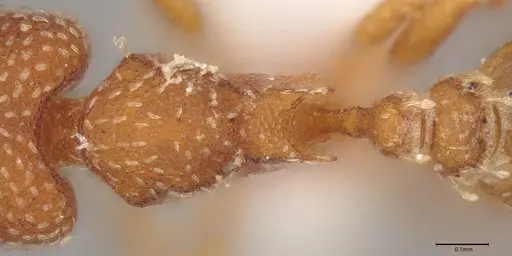
Strumigenys decipula workers are among the smallest ants you can keep, measuring just 2.1-2.2mm in total length. Their most distinctive feature is the very broad, short antenna!scape that expands into a large convex lobe toward the middle [2]. The eyes are tiny, only three ommatidia (individual lens units) in the longest row, making them among the smallest eyes in the ant world [2]. Unlike many ants, they have no standing hairs on the dorsal mesosoma (the middle body section), instead, they possess dense, short, spoon-shaped (spatulate) hairs that lie flat against the body [2]. The mandibles are elongate and sublinear with strongly convex inner margins that meet at about midlength when fully closed [2]. This species is very closely related to Strumigenys subedentata but can be immediately distinguished by its lack of standing hairs on the dorsal alitrunk, very broad scape, and smaller eyes.
Distribution and Habitat
This species is found across the northern Neotropics, with confirmed records from Brazil (the type locality near Manaus), Colombia, Ecuador, and Peru [2][1][3]. The wide altitudinal range is notable: specimens have been collected from 300m in lowland Amazonian forest (Caquetá, Colombia) to 2730m in highland Andean forest (Boyacá, Colombia) [2]. This suggests the species is adaptable to different elevations within tropical environments. In their natural habitat, they likely live in rotting wood, leaf litter, and moist soil on the forest floor, typical microhabitats for Strumigenys ants.
Feeding and Diet
Like all Strumigenys, this species is a specialized predator. They use their trap-jaw mandibles to capture small arthropods, primarily springtails (Collembola) and other micro-arthropods found in leaf litter and soil [1]. In captivity, you will need to provide live small prey, this is not a species that accepts sugar water or dead insects readily. Offer small live springtails as a primary food source. Other small live prey like micro-arthropods, fruit flies, or tiny crickets may be accepted. Do not rely on sugar sources, these ants are obligate predators. Feed every 2-3 days, removing any uneaten prey to prevent mold.
Temperature and Care
As a Neotropical species from Brazil and surrounding countries, Strumigenys decipula prefers warm, stable temperatures in the range of 22-26°C. Avoid temperatures below 20°C or above 30°C. Room temperature (around 22-24°C) is often suitable for this species. Use a heating cable on one side of the nest only if your room falls below 20°C, place it on top of the nest, not underneath, to avoid excessive drying. High humidity is essential, aim for 70-85% relative humidity. Keep the nest substrate consistently moist but not waterlogged. These are forest-floor ants that thrive in humid conditions. Ensure adequate ventilation to prevent mold while maintaining humidity.
Nesting Requirements
In the wild, Strumigenys nest in rotting wood, leaf litter, and soil. For captivity, a small test tube setup works well for founding colonies. The chambers must be appropriately scaled to their tiny 2mm size, avoid large, open spaces. A miniature acrylic nest or plaster nest with small chambers is ideal. Keep the nest material consistently moist. Because of their very small size, escape prevention is critical, use fine mesh (at least 0.5mm or smaller) on any openings. They are not aggressive and pose no stinging risk to humans.
Colony Development
The colony structure and development of this specific species has not been documented in scientific literature. Based on typical Strumigenys patterns, colonies are likely small, probably under 500 workers at maturity. Growth rate is likely slow to moderate. The founding type is unconfirmed but likely claustral (queen seals herself in a chamber and lives off stored fat reserves until first workers emerge), this is the typical pattern for Myrmicinae. Expect 8-12 weeks from egg to first worker at optimal temperature, though this is an estimate based on genus-level patterns rather than species-specific data. Nanitics (first workers) will be very small, similar in size to the workers you observe.
Frequently Asked Questions
How long does it take for Strumigenys decipula to produce first workers?
The exact development time is unconfirmed for this species. Based on typical Strumigenys patterns, expect approximately 8-12 weeks from egg to first worker at optimal temperature (22-26°C). This is a slow process, be patient with founding colonies.
What do Strumigenys decipula ants eat?
These are specialized predators that require live small prey. Offer small live springtails as a primary food source. Other micro-arthropods like fruit flies, tiny crickets, or soil mites may be accepted. They do not typically accept sugar water, honey, or dead insects. This is not a species for keepers who want easy feeding.
What size colony do Strumigenys decipula colonies reach?
Colony size is unconfirmed but likely small, probably under 500 workers at maturity based on typical Strumigenys colony sizes. These are not large colony species.
Do Strumigenys decipula ants need hibernation?
Hibernation requirements are unconfirmed. As a Neotropical species from Brazil and surrounding countries, they likely do not require true hibernation. However, they may have reduced activity during cooler or drier seasons. Monitor your colony for natural slowdowns and adjust care accordingly.
What is the best nest type for Strumigenys decipula?
A small test tube setup works well for founding colonies. For established colonies, use a miniature acrylic or plaster nest with small chambers appropriately scaled to their tiny 2mm size. Keep the nest material consistently moist and ensure escape prevention with fine mesh barriers.
Why are my Strumigenys decipula dying?
Common causes include: drying out (they require high humidity), inadequate food (they need live small prey, not sugar or dead insects), escape through tiny gaps (use fine mesh), and stress from disturbance. These are sensitive, specialized ants that require precise conditions. Wild-caught colonies may also carry parasites.
Are Strumigenys decipula good for beginners?
No, this is an expert-level species. Their tiny size, specialized predatory diet (requiring live springtails), high humidity needs, and general fragility make them challenging even for experienced antkeepers. They are not recommended for beginners.
Where is Strumigenys decipula found?
This species is found across the northern Neotropics: Brazil (type locality near Manaus), Colombia, Ecuador, and Peru [2][1]. In Colombia, they have been recorded from both highland (Boyacá at 2730m) and lowland Amazonian (Caquetá at 300m) locations.
Can I keep multiple Strumigenys decipula queens together?
Colony structure is unconfirmed for this species. Based on typical Strumigenys patterns, they likely have single-queen colonies. Combining unrelated queens has not been documented and is not recommended. If you obtain multiple foundresses, house them separately.
References

This caresheet is licensed under CC BY-SA 4.0 .
ANTWEB1053316
View on AntWeb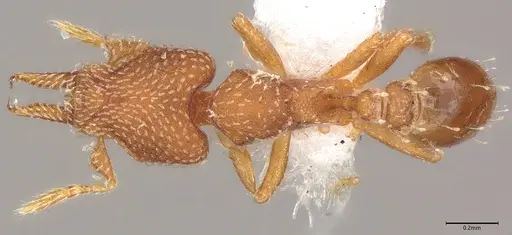
ANTWEB1053317
View on AntWeb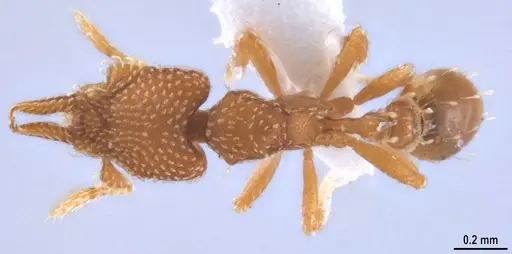
ANTWEB1053319
View on AntWeb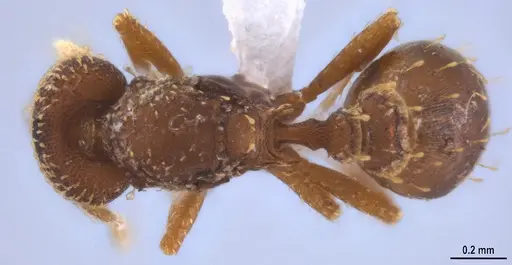
CASENT0900186
View on AntWeb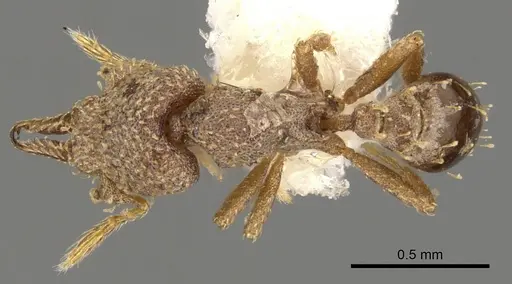
CASENT0914685
View on AntWeb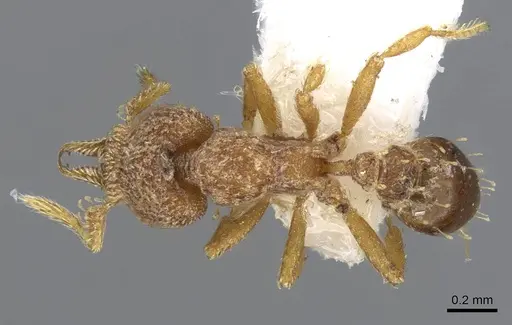
CASENT4036128
View on AntWeb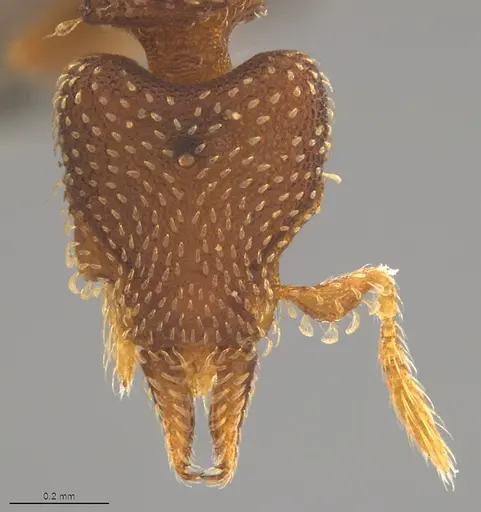
Literature
Loading...Loading products...