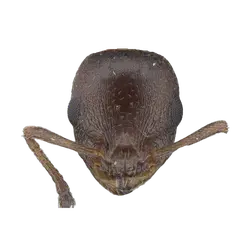
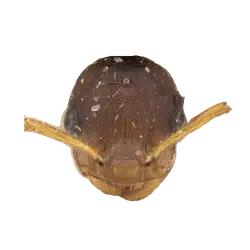
Strumigenys zeteki - "Zetek's Trap-Jaw Ant"
Strumigenys zeteki is a fascinating small ant species known for its distinctive trap-jaw mandibles, which can snap shut at incredible speeds to capture prey. These tiny ants, part of the Dacetine tribe, are often overlooked due to their cryptic nature and minute size. Workers are typically dark brown to black, with queens being slightly larger and often exhibiting a more robust gaster. Their unique hunting method and preference for humid, detritus-rich environments make them a specialized but rewarding species for experienced antkeepers. They are not known for large, bustling colonies but rather for their intricate individual behaviors.
- Difficulty: Hard
- Origin & Habitat: Central America (e.g., Panama, Costa Rica) in Humid tropical forests, often found in leaf litter, decaying wood, or under rocks in damp soil..
- Colony Type: Monogyne (single queen), claustral (queen seals herself in) founding.
- Size & Growth:
- Queen: 2.5-3.5mm
- Worker: 1.5-2.5mm
- Colony: Small (hundreds). Slow growth.
- Antkeeping:
- Temperature: Maintain a stable temperature between 24-28°C (75-82°F) for optimal development. Avoid sudden temperature fluctuations..
- Humidity: High humidity is crucial, ideally 85-95% within the nest and outworld. Misting the outworld regularly and maintaining a moist nest substrate is vital..
- Diapause: Not required. Not specified at Not specified.
- Nesting: Prefer naturalistic setups like plaster, Ytong, or natural soil nests with plenty of hiding spots and a substrate layer. Acryclic or glass nests can work if a humid substrate layer is provided..
- Behavior: Low (towards handler), Medium (towards specific prey) aggressiveness.
- Common Issues: Lack of specific prey (springtails), Low humidity leading to desiccation, Mold in nest (if not managed properly), Escapees due to small size, Colony stalling due to stress.
Keeping Strumigenys zeteki is a unique challenge primarily due to their specialized diet and need for consistently high humidity. These ants are micro-predators, almost exclusively feeding on small arthropods like springtails (Collembola). Establishing a thriving culture of springtails in their outworld, or providing a consistent supply, is absolutely essential for their survival and the growth of the colony. Without this specific food source, they will quickly decline.
Their tiny size means they are excellent escape artists. Ensure your setup is completely escape-proof, as even the smallest gap can be an exit. A fine mesh or tightly sealed lid is paramount. Also, due to their preference for dark, humid environments, they can be quite shy and spend most of their time foraging cryptically within the substrate or leaf litter in their outworld, so direct observation might be limited.
Humidity is not just important; it's non-negotiable for Strumigenys zeteki. They thrive in conditions that would cause mold for many other species. Consider using a moisture gradient within the nest and maintaining a damp substrate in a naturalistic outworld. Regular misting or the use of a humidity chamber can help achieve the required levels. Monitor for mold growth, but understand that some level of dampness is necessary.
These ants are not aggressive towards handlers but can be very defensive of their brood. They are incredibly sensitive to vibrations and light, so try to minimize disturbances to their nest. When checking on them, use a dim red light if possible to reduce stress. A calm, stable environment will greatly contribute to their success in captivity.
Frequently Asked Questions
What is the primary diet for Strumigenys zeteki?
These ants are specialist predators, primarily feeding on tiny arthropods like springtails (Collembola). You must provide a consistent source of live springtails for them to thrive.
How do I maintain the high humidity Strumigenys zeteki needs?
You can maintain high humidity by using a plaster or Ytong nest with a large hydration reservoir, regularly misting the outworld, and providing a deep, damp substrate layer like coco fiber or soil mix in both the nest and foraging area.
Are Strumigenys zeteki difficult to keep?
Yes, they are considered a 'Hard' difficulty species due to their very specific humidity and dietary requirements, and their small size making them prone to escapes.
What type of nest is best for these ants?
Naturalistic setups like plaster, Ytong, or natural soil nests are ideal. Acrylic nests can work if they include a section for a deep, moist substrate.
How large do Strumigenys zeteki colonies get?
They form relatively small colonies, typically reaching only a few hundred workers at maturity.
Do they sting or bite?
No, Strumigenys zeteki do not possess a sting that is medically significant to humans, nor do they bite in a way that would harm a keeper. Their trap-jaw mandibles are used for prey capture.
Why aren't my Strumigenys zeteki eating the fruit flies I offer?
They are highly specialized predators. While some might take very small, freshly killed insects, their primary and preferred prey is springtails. Larger insects or common feeder insects are usually ignored.
Do I need to hibernate Strumigenys zeteki?
No, as a tropical species, Strumigenys zeteki do not require a diapause period. Maintain consistent temperatures and humidity year-round.
How fast do their colonies grow?
Colony growth is typically slow. Don't expect rapid population explosions; they are a species that develops at a more measured pace.
Are they escape artists?
Absolutely. Their tiny size means they can squeeze through incredibly small gaps. Ensure all ventilation holes are covered with fine mesh and the lid is completely secure.
Can I keep multiple queens together (pleometrosis)?
No, Strumigenys zeteki are monogyne, meaning colonies are founded and maintained by a single queen. Pleometrosis is not recommended and usually leads to conflict.
What does 'trap-jaw' mean for this species?
It refers to their highly modified mandibles that can snap shut extremely fast, trapping small, quick-moving prey like springtails. It's a key hunting adaptation for them.