

Strumigenys coveri
- Scientific Name
- Strumigenys coveri
- Tribe
- Attini
- Subfamily
- Myrmicinae
- Author
- Fisher, 2000
- Distribution
- Found in 1 countries
Strumigenys coveri Overview
Strumigenys coveri is an ant species of the genus Strumigenys. It is primarily documented in 1 countries , including Madagascar. Detailed taxonomic data and occurrence records can be further explored via authoritative databases such as AntWeb or the Global Biodiversity Information Facility (GBIF).
Strumigenys coveri
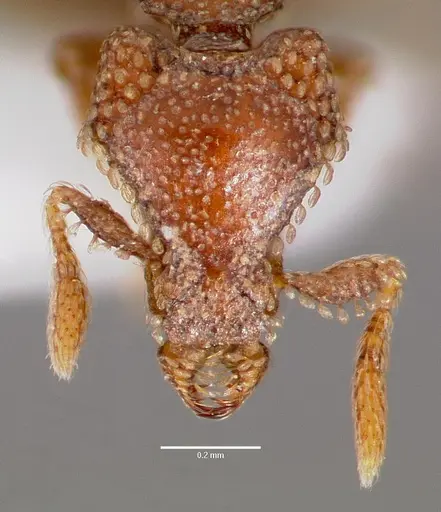
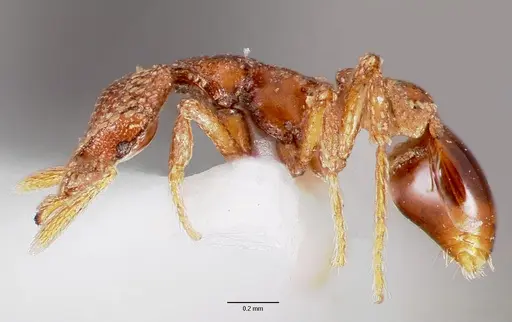
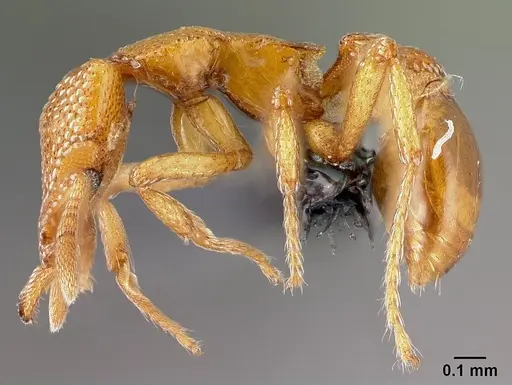
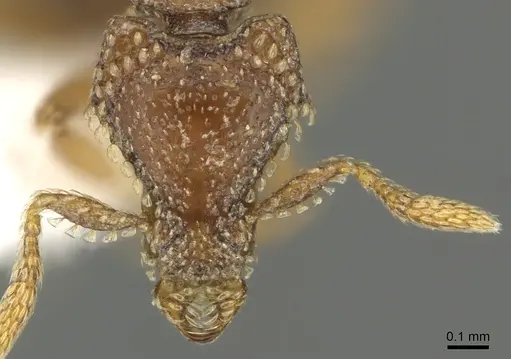
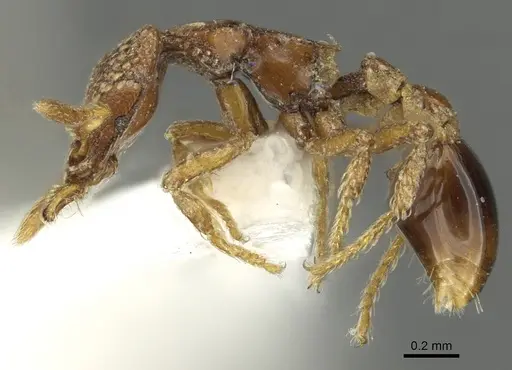
Strumigenys coveri is an exceptionally tiny ant species from Madagascar, measuring just 2.4mm in total length. These ants belong to the dexis group within the genus Strumigenys, characterized by their distinctive trap-jaw mechanism in the head (the mandibles can snap shut rapidly to catch prey). Workers have a pale yellowish-brown coloration with a smooth postpetiole disc and weakly developed basigastral costulae (fine ridges near the abdomen tip). The dorsal surfaces lack standing hairs, giving them a sleek appearance. This species is known only from lowland rainforest habitats in northeastern Madagascar, where it lives in rotting wood and leaf litter[1].
What makes S. coveri particularly interesting is its extreme specialization as a predator. Like other Strumigenys species, it uses its trap-jaw mandibles to capture tiny prey, primarily springtails and other micro-arthropods found in forest floor litter. This specialized hunting strategy means they require very specific care conditions in captivity, they cannot simply be fed standard ant foods. Their tiny size also makes them one of the most escape-prone ant species in the hobby, requiring exceptional barrier methods.
Quick Summary
- Difficulty: Expert
- Origin & Habitat: Northeastern Madagascar, lowland rainforest at elevations around 125m. Found in rotting logs and leaf litter samples[1].
- Colony Type: Likely monogyne (single queen colonies) based on typical Strumigenys patterns. Colony size is unknown but related species typically form small colonies of 50-200 workers.
- Colony: Monogyne
- Size & Growth:
- Queen: Undescribed, queens have not been documented in scientific literature
- Worker: 2.4mm total length
- Colony: Unknown, likely 50-200 workers based on related species patterns
- Growth: Slow, based on typical Strumigenys development
- Development: Unknown, estimated 8-12 weeks based on related Strumigenys species at warm temperatures (Development time is unconfirmed for this species. Related Strumigenys species typically develop slowly due to their specialized predatory lifestyle and small colony sizes.)
- Antkeeping:
- Temperature: Keep at 22-26°C. These are tropical rainforest ants that prefer warm, stable conditions. A gentle gradient allowing workers to self-regulate is ideal.
- Humidity: High humidity is essential, aim for 70-85%. These ants live in rotting wood and leaf litter in humid rainforests, so the nest substrate should be consistently moist but not waterlogged. Provide a water source nearby.
- Diapause: No, this is a tropical species that does not require hibernation. Maintain warm temperatures year-round.
- Nesting: Best kept in naturalistic setups with moist substrate (like a soil/plaster mix) or tight acrylic chambers. They prefer tight, humid spaces similar to their natural rotting wood habitat. Y-tong nests work well if kept consistently moist.
- Behavior: These ants are specialized predators that hunt using their trap-jaw mandibles. They are not aggressive toward humans and cannot sting. Workers are extremely small and fast-moving, actively foraging through substrate for tiny prey. Escape prevention is critical, they can squeeze through gaps smaller than 0.5mm. They are skittish and may abandon broods if disturbed frequently. Unlike many ants, they do not collect honeydew or sugary substances.
- Common Issues: escape prevention is critical, they are tiny enough to squeeze through standard barrier methods, colonies often fail because keepers try to feed them inappropriate foods like honey or standard protein sources, slow growth and small colony sizes mean these ants are easily stressed by disturbance, humidity drops cause rapid colony decline, they require consistently moist conditions, wild-caught colonies may carry parasites that can devastate the colony in captivity
Housing and Escape Prevention
Housing Strumigenys coveri presents unique challenges due to their extreme small size. Standard formicarium setups often fail because these ants can escape through gaps as small as 0.3mm. Use only high-quality acrylic nests (like Y-tong) with tightly sealed connections, or naturalistic setups with fine mesh barriers. Apply fluon (ant barrier) to all rim edges and ensure lid seals are tight. Test tube setups can work but require careful attention to cotton placement, use multiple layers of cotton to prevent escape through the water reservoir end. Because they are so small, even standard 'ant-proof' mesh may not contain them, use mesh with holes smaller than 0.25mm or seal all ventilation holes with fine mesh. The nesting area should be kept dark (cover three sides of test tubes or nests) as these forest-floor ants prefer dim conditions [1].
Feeding and Diet
Strumigenys coveri is an obligate predator that requires live small prey. In the wild, they hunt springtails, tiny mites, and other micro-arthropods found in leaf litter. In captivity, their primary food should be live springtails (collembola), these can be cultured separately and added to the colony's foraging area. Other accepted prey includes: freshly killed fruit flies, tiny isopods, and psyllids. Do NOT attempt to feed them honey, sugar water, or standard ant protein mixes, they will not accept these. Some keepers report success with very small pieces of raw meat or fish, but live prey is far more reliable. Feed small amounts every 2-3 days, removing any uneaten prey after 24 hours to prevent mold. The hunting behavior is fascinating to watch, workers use their trap-jaw mandibles to rapidly snap shut on prey items [1].
Temperature and Humidity
These are tropical rainforest ants that require warm, humid conditions year-round. Maintain temperatures between 22-26°C (72-79°F), avoid temperatures below 20°C or above 28°C. A heating cable on one side of the nest can create a gentle gradient, but ensure the warm end doesn't exceed 28°C. Humidity is critical: keep the nest substrate consistently moist but not waterlogged. For test tube setups, ensure the water reservoir is large enough to maintain humidity for 1-2 weeks. For naturalistic setups, mist regularly and use moisture-retaining substrates like coconut fiber or plaster. Poor humidity causes rapid colony decline, workers will become sluggish and brood development will halt. Do not confuse this with the diapause requirement of temperate species, these ants need warmth continuously [1].
Colony Establishment
Establishing a colony of S. coveri is challenging. If starting from a queen, she will likely seal herself in a small chamber (claustral founding is typical for Strumigenys, though unconfirmed for this specific species). The founding chamber should be kept dark, humid, and undisturbed. The queen will lay a small number of eggs and the first workers (nanitics) will be very tiny. Do not feed during the founding stage, the queen survives on stored fat reserves. Once workers emerge, begin offering very small live prey. Growth is slow, expect 6-12 months to reach 20-30 workers. These ants do not form large colonies quickly, so patience is essential. Wild-caught colonies may already be stressed and prone to failure. Quarantine and observe any new colonies for 2-3 weeks before introducing to your main collection [1].
Behavior and Temperament
Strumigenys coveri workers are active foragers that hunt individually through substrate rather than forming large foraging trails. They are not defensive and will not attack humans, their trap-jaw mechanism is designed for catching tiny prey, not for defense. However, they are easily stressed: frequent disturbances, bright light, or dry conditions cause workers to abandon brood and may trigger colony decline. They prefer to nest in tight, dark spaces and will often relocate if conditions are not ideal. Workers communicate using chemical signals and may form temporary trails to food sources. Unlike many ants, they do not exhibit tandem running or other visible recruitment behaviors, each worker hunts independently. Their small size and cryptic lifestyle make them challenging to observe, but their specialized hunting behavior is fascinating for patient keepers [1].
Frequently Asked Questions
Can I keep Strumigenys coveri in a test tube?
Yes, test tubes work well for starting colonies. Use a small test tube (15mm or less diameter) with a water reservoir. Keep the cotton packed tightly, these tiny ants can squeeze through standard cotton fibers. Cover the tube with dark paper to block light and maintain humidity by refilling the water reservoir before it empties. Transfer to a larger setup only when the colony reaches 30+ workers.
What do Strumigenys coveri ants eat?
They eat only live small prey, primarily springtails. In captivity, offer live springtails, tiny fruit flies, or small mites. They will not accept honey, sugar, or dead protein. This is an obligate predator, if you cannot provide live prey, this species is not suitable for you. Some keepers experiment with tiny pieces of raw meat, but success is inconsistent.
How long does it take for Strumigenys coveri to produce first workers?
Unknown for this specific species, but based on related Strumigenys, expect 8-12 weeks from egg to worker at optimal temperature (24-26°C). Growth is slow and colonies remain small, do not expect rapid expansion. A healthy founding colony may take 6-12 months to reach 20-30 workers.
Are Strumigenys coveri good for beginners?
No, this is an expert-level species. Their tiny size makes escape prevention difficult, their specialized diet requires live prey cultures, and they need consistently high humidity. They are easily stressed by disturbance and grow very slowly. Beginners should start with more forgiving species like Lasius or Camponotus.
Do Strumigenys coveri need hibernation?
No, they are tropical rainforest ants from Madagascar and do not require hibernation. Keep them warm year-round (22-26°C). Temperatures below 20°C cause problems. There is no seasonal rest period in their natural habitat.
Why are my Strumigenys coveri dying?
Common causes include: humidity too low (rapid death), temperature too cold or too hot, feeding inappropriate foods (they will starve on honey/sugar), stress from disturbance or bright light, and escape through tiny gaps. Check all environmental parameters before assuming disease. Wild-caught colonies often carry parasites.
How big do Strumigenys coveri colonies get?
Unknown for this specific species, but related Strumigenys typically form small colonies of 50-200 workers. They do not become large colonies, this is not a species for keepers expecting rapid growth or impressive worker numbers.
When should I move Strumigenys coveri to a formicarium?
Wait until the colony has at least 30-50 workers and the test tube is becoming cramped. These ants prefer tight spaces, so do not move them to oversized nests. A small Y-tong or acrylic nest works well. Ensure the new setup can maintain high humidity.
Can I keep multiple Strumigenys coveri queens together?
Not recommended. There is no evidence that this species is polygynous (multiple queens). Combining unrelated queens typically results in fighting. If you acquire a multi-queen colony from the wild, separate them unless they are clearly cooperating.
References

This caresheet is licensed under CC BY-SA 4.0 .
CASENT0003240
View on AntWeb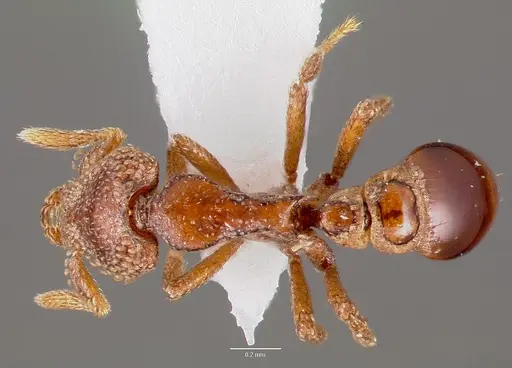
CASENT0005893
View on AntWeb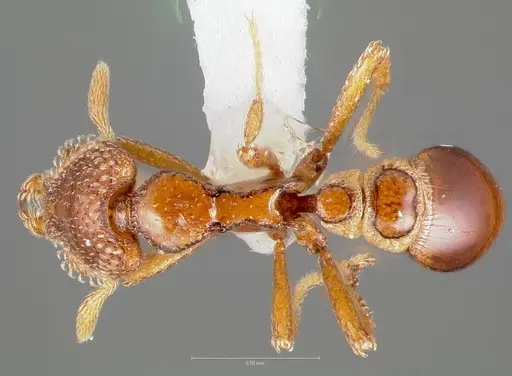
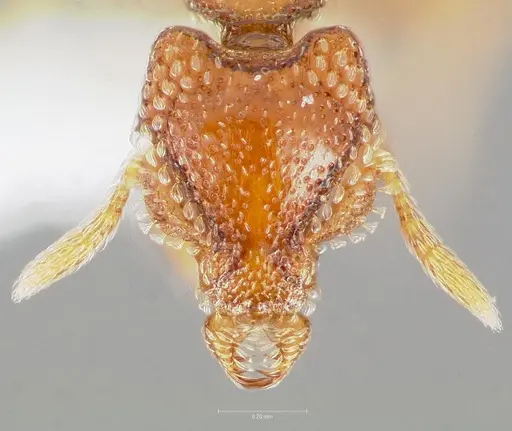
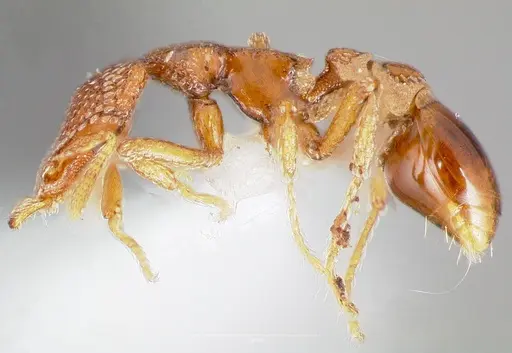
CASENT0153050
View on AntWeb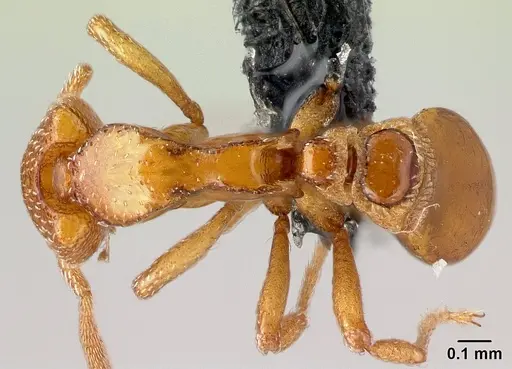
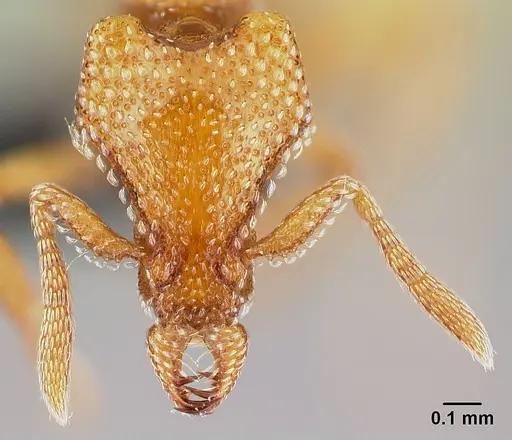
CASENT0900690
View on AntWeb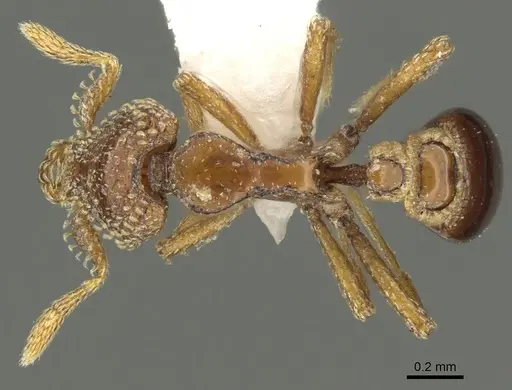
Literature
Loading...Loading products...