

Strumigenys conspersa
- Scientific Name
- Strumigenys conspersa
- Tribe
- Attini
- Subfamily
- Myrmicinae
- Author
- Emery, 1906
- Distribution
- Found in 2 countries
Strumigenys conspersa Overview
Strumigenys conspersa is an ant species of the genus Strumigenys. It is primarily documented in 2 countries , including Argentina, Brazil. Detailed taxonomic data and occurrence records can be further explored via authoritative databases such as AntWeb or the Global Biodiversity Information Facility (GBIF).
Strumigenys conspersa
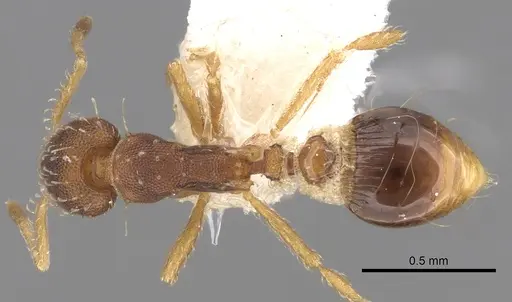
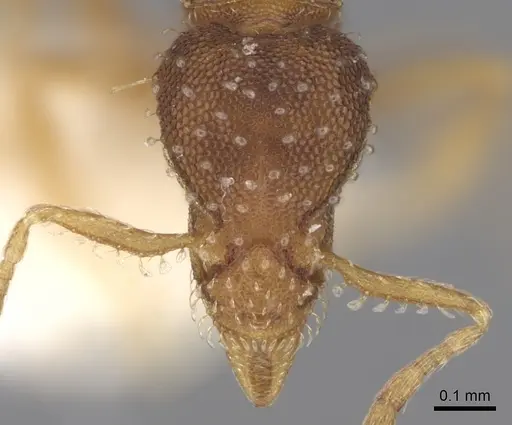
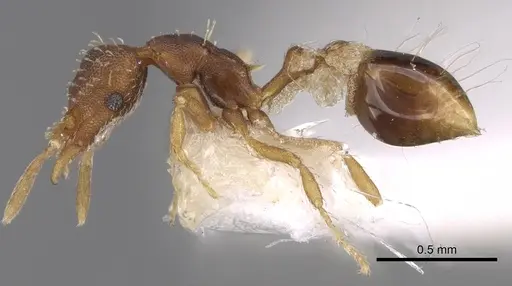
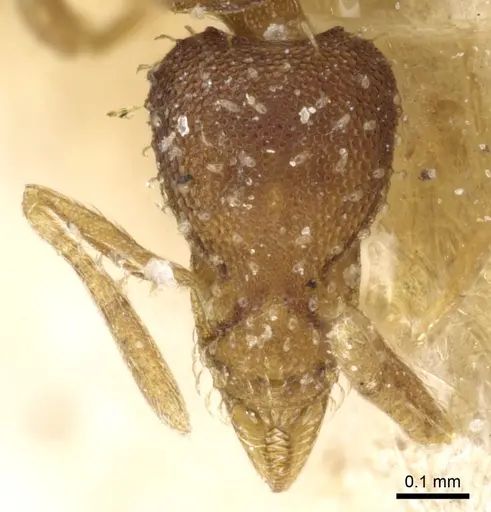
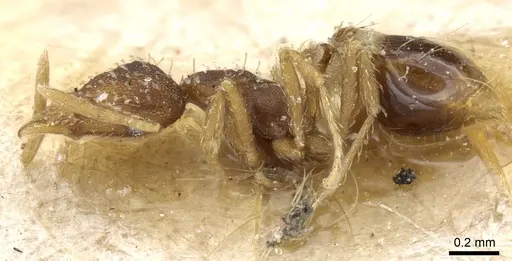
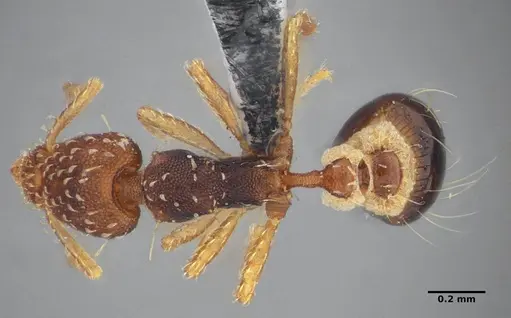
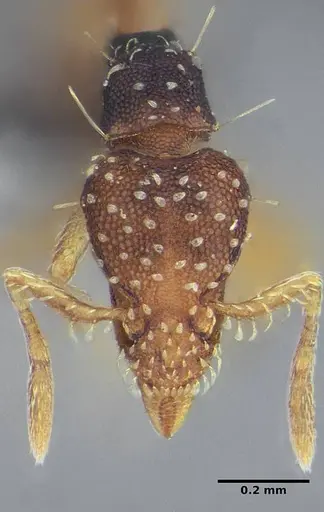
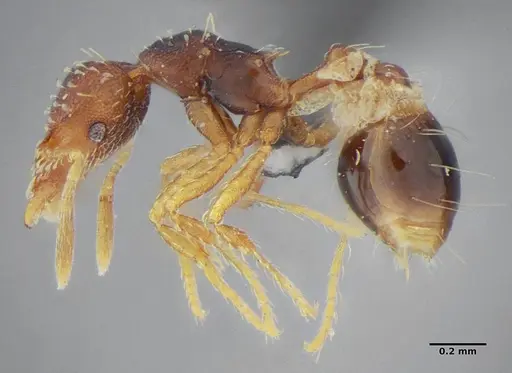
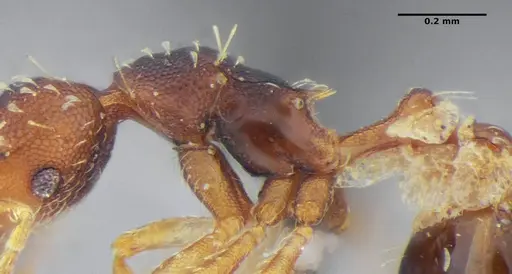
Strumigenys conspersa is a minute predatory ant belonging to the tribe Dacetini, native to the Neotropical region of Argentina and Brazil [1]. Workers measure a mere 2.0-2.1mm in total length, making them one of the smallest ants you can keep. They belong to the alberti species group and feature extremely long, needle-like propodeal spines and large eyes with 6-7 ommatidia. The mandibles bear a basal series of 5 narrow triangular teeth, adapted for capturing small prey.
The biology of this species remains completely unstudied in the scientific literature. However, like all Dacetini, they are specialized predators of springtails and other tiny soil-dwelling arthropods. Their extremely small size and specialized predatory lifestyle make them a challenging but fascinating species for experienced antkeepers who can provide the delicate care they require.
Quick Summary
- Difficulty: Expert
- Origin & Habitat: Neotropical region, Argentina and Brazil. Found in Salta, Argentina and Rondônia, Brazil [1][2]. Likely inhabits leaf litter and soil in tropical or subtropical forest environments.
- Colony Type: Unknown colony structure. Dacetini species typically form small colonies with single queens, but this has not been confirmed for S. conspersa.
- Size & Growth:
- Queen: Undescribed in measurements, estimated 3-4mm based on worker size and related species
- Worker: 2.0-2.1mm
- Colony: Unknown, likely small, under 100 workers based on typical Dacetini colony sizes
- Growth: Unknown, likely slow based on small colony sizes typical of the genus
- Development: Unknown, estimated 8-12 weeks based on related Strumigenys species at warm temperatures (No direct development data exists for this species. Estimates based on genus-level patterns for small Myrmicinae predators.)
- Antkeeping:
- Temperature: Warm conditions needed, aim for 24-28°C. Dacetini are active hunters and benefit from stable warmth.
- Humidity: High humidity required, keep substrate consistently moist but not waterlogged. These are leaf-litter ants from humid tropical environments.
- Diapause: Unlikely, being tropical/subtropical, they probably do not require a diapause period. Maintain warm conditions year-round.
- Nesting: Prefers tight, humid chambers. Y-tong (AAC) nests or moist plaster nests work well. Provide a small outworld and keep nesting area humid. Very small size requires excellent escape prevention.
- Behavior: Extremely shy and non-aggressive. As specialized predators, they are slow-moving but can deliver a sting. Escape prevention is critical due to their minute size, they can squeeze through the tiniest gaps. They hunt springtails and other micro-arthropods using their specialized mandibles. Colonies are likely small and slow-growing.
- Common Issues: escape prevention is critical, they are tiny and can slip through standard barrier setups, no biological data means care is largely inferential from related species, slow growth and small colony sizes make them vulnerable to stress, specialized diet requires live micro-prey, difficult to feed compared to generalist ants, high humidity needs can lead to mold issues if ventilation is poor
Size and Identification
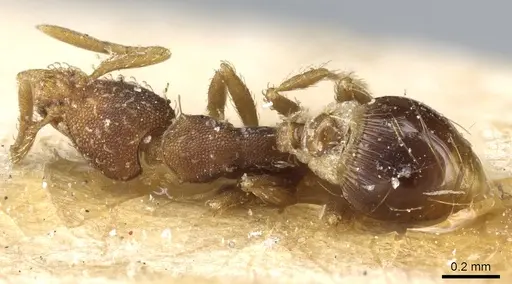
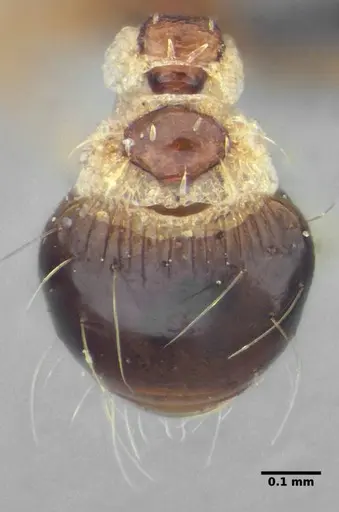
Strumigenys conspersa workers measure just 2.0-2.1mm in total length, making them among the smallest ants in the hobby. They have a head length of 0.52-0.54mm and head width of 0.35-0.36mm. The most distinctive features are their extremely long, needle-like propodeal spines and large eyes with 6-7 ommatidia in the longest row. The mandibles feature a basal series of 5 narrow triangular teeth, adapted for capturing tiny prey. They belong to the alberti species group, characterized by specific mandibular and pilosity features. The spongy lobe around the petiolar node is moderately developed, similar to the related S. clipeata of North America [1].
Distribution and Habitat
This species is known from two main locations: Salta in northern Argentina, where the type specimens were collected by F. Silvestri [1], and Rondônia in western Brazil [2]. The distribution covers the southern Amazon basin region and adjacent areas of northern Argentina. In their natural habitat, these ants likely inhabit leaf litter and upper soil layers in humid tropical or subtropical forests, like other Dacetini species. They are collected from soil and litter microhabitats rather than open areas.
Diet and Feeding
As members of the Dacetini tribe, Strumigenys conspersa are specialized predators of springtails (Collembola) and other tiny soil-dwelling arthropods. Their specialized mandibles with multiple triangular teeth are adapted for capturing these small, fast-moving prey. In captivity, you will need to culture or provide live springtails, which are the ideal primary food source. Other tiny live prey such as booklice (psocids), minute soil mites, and small fruit fly larvae may also be accepted. Sugar sources are unlikely to be accepted, these are obligate predators. Feed small prey items every 2-3 days, adjusting based on colony size and consumption rate.
Temperature and Care
Being a Neotropical species from Argentina and Brazil, Strumigenys conspersa requires warm conditions. Aim for temperatures in the range of 24-28°C in the nesting area. Stable temperatures are important, avoid major fluctuations. A heating cable on one side of the nest can create a gentle gradient if room temperature is below this range. Place the heating element on top of the nest to avoid drying out the substrate. High humidity is essential, keep the nest substrate consistently moist but not waterlogged. These ants come from humid leaf-litter environments and will not tolerate dry conditions.
Nesting and Housing
Due to their extremely small size, Strumigenys conspersa requires careful nest selection. Y-tong (AAC) nests with narrow chambers or moist plaster nests work well. The chambers should be small and tight-fitting to make the ants feel secure. Provide high humidity within the nest, these ants are prone to desiccation. Use a small outworld as they do not need much foraging space. Escape prevention is absolutely critical, these tiny ants can squeeze through gaps that larger ants cannot. Use tight-fitting lids, fine mesh barriers, and reliable escape barriers like fluon on all edges.
Colony Development
No specific data exists on colony development for this species. Based on typical Dacetini patterns, colonies likely remain small, probably under 100 workers at maturity. Growth rate is expected to be slow, as is typical for specialized predators with small colony sizes. The first workers (nanitics) will likely be smaller than subsequent workers. Be patient with founding colonies, they may take several months to produce their first workers, and many months more to reach even modest sizes. Avoid disturbing founding queens unnecessarily.
Frequently Asked Questions
How long does it take for Strumigenys conspersa to produce first workers?
The exact timeline is unknown as this species has never been bred in captivity. Based on related Strumigenys species and small Myrmicinae patterns, expect 8-12 weeks from egg to worker at optimal warm temperatures (around 26°C). Founding colonies require significant patience.
What do Strumigenys conspersa ants eat?
They are specialized predators that require live springtails as their primary food. Other tiny live prey like booklice, minute mites, and small fruit fly larvae may be accepted. Sugar sources are unlikely to be accepted. This is not a beginner-friendly species due to the specialized diet requirements.
Can I keep Strumigenys conspersa in a test tube?
A test tube setup can work for founding colonies, but you must ensure high humidity and excellent escape prevention. These ants are extremely tiny and can escape through standard cotton plugs. Use a water reservoir setup and consider adding fluon barriers. A small Y-tong or plaster nest is often better for established colonies.
How big do Strumigenys conspersa colonies get?
Colony size is unknown but likely remains small, probably under 100 workers at maturity. This is typical for Dacetini ants, which maintain small, specialized hunting colonies rather than large supercolonies.
Do Strumigenys conspersa need hibernation?
No, being from tropical/subtropical South America, they do not require a diapause or hibernation period. Maintain warm, stable temperatures year-round (24-28°C).
Are Strumigenys conspersa good for beginners?
No, this species is not recommended for beginners. The complete lack of biological data, extremely small size, specialized predatory diet, and high humidity requirements make it an expert-level species. Start with more established species like Temnothorax or basic Lasius before attempting Strumigenys.
Why are my Strumigenys conspersa dying?
Common causes include: escape (they are tiny and will slip through barriers), dry conditions (they require high humidity), improper food (they need live springtails, not sugar or large prey), and temperature stress (they need 24-28°C). Also ensure they are not being attacked by mold from overly wet conditions.
When should I move Strumigenys conspersa to a formicarium?
Move them only when the colony is well-established with at least 10-20 workers and the test tube setup is becoming cramped. Ensure the new nest maintains high humidity and has appropriately small chambers. Moving too early can stress founding colonies.
Can I keep multiple Strumigenys conspersa queens together?
This has not been documented. Based on typical Dacetini patterns, they likely form single-queen colonies. Combining unrelated queens is not recommended due to lack of data on their founding behavior.
References

This caresheet is licensed under CC BY-SA 4.0 .
Literature
Loading...Loading products...