

Strumigenys concolor
- Scientific Name
- Strumigenys concolor
- Tribe
- Attini
- Subfamily
- Myrmicinae
- Author
- Santschi, 1914
- Distribution
- Found in 4 countries
Strumigenys concolor Overview
Strumigenys concolor is an ant species of the genus Strumigenys. It is primarily documented in 4 countries , including Gabon, Ghana, Malawi. Detailed taxonomic data and occurrence records can be further explored via authoritative databases such as AntWeb or the Global Biodiversity Information Facility (GBIF).
Strumigenys concolor
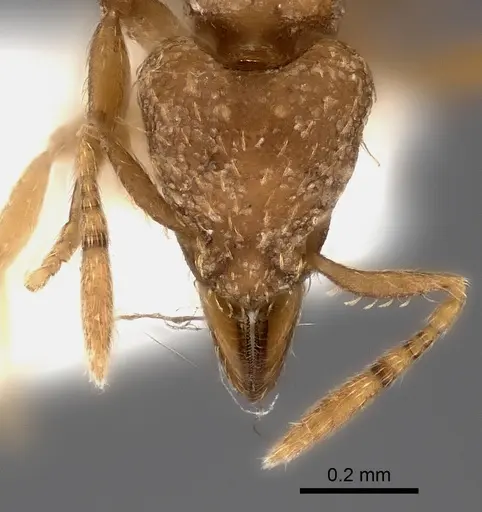
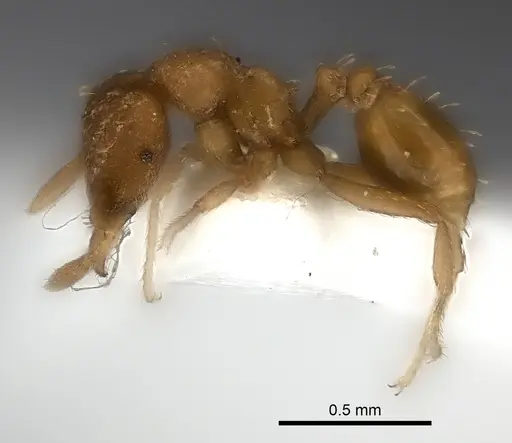
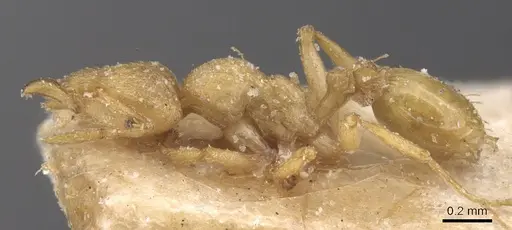
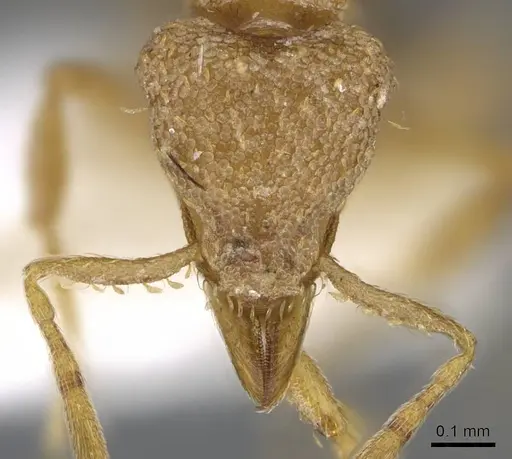
Strumigenys concolor is a tiny predatory ant measuring just 2.0-2.2mm in total length. Workers are yellow to yellowish brown in color, with distinctive stiff hairs on their head and body that are swollen (clavate) at the tips. This species belongs to the Strumigenys lujae group and can be identified by having only one pair of standing hairs on the mesonotum, and a single pair each on the petiole and postpetiole. The genus Strumigenys belongs to the tribe Attini (subfamily Myrmicinae), and these ants are specialized predators that hunt springtails and other tiny soil-dwelling arthropods using their trap-jaw mandibles.
This species occurs across West and Central Africa, from Ghana east to Uganda and south to Angola and the Democratic Republic of Congo [1]. It inhabits wet to moist forest habitats, with most specimens collected from leaf litter samples. Nests have been found in soil and rotting wood [2].
Quick Summary
- Difficulty: Hard
- Origin & Habitat: West and Central Africa, Ghana, Ivory Coast, Cameroon, Equatorial Guinea, Gabon, Angola, Democratic Republic of Congo, Rwanda, Uganda, Kenya. Inhabits wet to moist tropical forests, typically collected from leaf litter in lowland and highland forest areas [1][3][4].
- Colony Type: Colony structure is not well documented. Based on related species in the genus, they likely form small colonies with single queens. Ergatoid (wingless replacement queens) have not been specifically documented for this species.
- Colony: Monogyne
- Founding: Claustral
- Size & Growth:
- Queen: Not fully described in available literature, but likely slightly larger than workers at 2.5-3mm based on genus patterns
- Worker: 2.0-2.2mm total length, head length 0.48-0.52mm, head width 0.40-0.46mm
- Colony: Likely small, probably 50-200 workers based on typical Strumigenys colony sizes and their predatory lifestyle
- Growth: Slow, small colonies grow gradually as they rely on live prey
- Development: Unknown for this specific species. Based on related Strumigenys species, estimate 8-12 weeks at optimal temperature. Small colony size and specialized diet suggest slower development. (Development time is unconfirmed for this species. Related dacetine ants typically take 2-3 months from egg to worker.)
- Antkeeping:
- Temperature: Keep at 22-26°C. This species comes from tropical forests with warm, stable temperatures. Avoid temperatures below 20°C or above 30°C.
- Humidity: High humidity is essential, these are forest floor ants from moist habitats. Keep nest substrate consistently damp but not waterlogged. Aim for 70-85% humidity in the nest area. Provide a water tube for humidity access.
- Diapause: Unlikely to require true diapause. However, slight temperature reduction during winter months (dropping to 18-20°C) may be appropriate given their tropical origin. Do not hibernate them like temperate species.
- Nesting: Use a naturalistic setup with moist substrate (soil/plaster mix) or a well-hydrated Y-tong/acrylic nest. They prefer tight, humid chambers that retain moisture. Given their tiny size and preference for leaf litter microhabitats, a naturalistic terrarium-style setup with moss and leaf litter works well.
- Behavior: These ants are specialized predators with extremely fast trap-jaw mandibles used to capture springtails and other tiny arthropods. They are not aggressive toward humans and cannot sting. Their small size (2mm) makes them excellent escape artists, they can squeeze through remarkably small gaps. Workers are slow-moving compared to many ants but strike quickly when prey is detected. Colonies are likely peaceful and do not exhibit territorial aggression toward other colonies. They are cryptic and spend most of their time hunting in the substrate.
- Common Issues: escape prevention is critical, their tiny 2mm size means they can escape through gaps invisible to the naked eye, live prey requirement makes them difficult to feed, they need a constant supply of springtails or other tiny arthropods, slow growth and small colony sizes mean colonies develop slowly and may appear stagnant, high humidity needs can lead to mold problems if ventilation is inadequate, wild-caught colonies may contain parasites that can decimate the colony in captivity
Housing and Nest Setup
Strumigenys concolor requires a setup that maintains high humidity while providing hunting space for these tiny predators. A naturalistic terrarium-style formicarium works best, use a container filled with moist soil or a soil-plaster mix, layered with leaf litter and moss to replicate their natural forest floor habitat. Alternatively, a well-hydrated Y-tong or acrylic nest with narrow chambers can work, but ensure the chambers are appropriately scaled to their tiny 2mm size. The nest area should be kept consistently moist but never waterlogged. Add a water tube or small water reservoir to help maintain humidity. Because of their minute size, all connections and barriers must be extremely tight, even standard ant keeping setups often have gaps large enough for these ants to escape. Use fluon or other barrier treatments on all edges and consider double-checking all seams. [1]
Feeding and Diet
This is the most challenging aspect of keeping Strumigenys concolor. They are specialized predators that primarily hunt springtails (collembola) and other tiny soil-dwelling arthropods. Their trap-jaw mandibles are specifically adapted for catching these small, fast-moving prey. In captivity, you must establish a culture of springtails to provide a constant food source. Other tiny prey such as booklice (psocids), dust mites, and fruit fly larvae may be accepted, but springtails should form the bulk of their diet. They are unlikely to accept sugar water or honey as they are obligate predators. Do not attempt to feed them typical ant foods like mealworms or cricket pieces, these are far too large. Feeding frequency depends on colony size but plan to provide prey every few days, removing any uneaten prey to prevent mold. A well-established springtail culture is essential before acquiring these ants. [1]
Temperature and Humidity Requirements
Strumigenys concolor comes from tropical African forests and requires warm, humid conditions. Maintain temperatures between 22-26°C in the nest area. Temperatures below 20°C will slow their metabolism and may prevent proper brood development, while temperatures above 30°C can be lethal. Use a gentle heat source if needed, a heating cable on one side of the setup can create a suitable gradient. Humidity is critical: aim for 70-85% relative humidity in the nest. The substrate should feel consistently damp to the touch. However, balance humidity with adequate ventilation to prevent mold growth, which can be fatal to these tiny ants. A thin layer of condensation on the nest walls is ideal, if you see heavy water droplets or pooling, reduce humidity, if the substrate looks dry, increase it. [1]
Handling and Temperament
These ants are completely harmless to keepers. They are too small to bite effectively and do not possess a functional stinger. Their defense mechanism is simply fleeing or hiding rather than aggression. However, their tiny size makes them extremely difficult to handle or move without accidentally injuring them. When working with these ants, use soft brushes or pipettes rather than forceps. Their slow movement and cryptic behavior mean you may not see much activity, this is normal. Workers spend most of their time hunting through the substrate rather than foraging openly on the surface. Colonies are likely peaceful and can be kept in multi-queen setups if desired, though single-queen colonies are more typical and easier to manage. [1]
Growth and Development
Colony growth in Strumigenys concolor is slow. Based on related species, expect 8-12 weeks from egg to first worker (nanitic) at optimal temperature. The first workers will be very small and may take several months before you see significant colony growth. Colonies likely remain small at maturity, probably under 200 workers. This slow growth is typical for predatory ants that invest heavily in each individual rather than producing many workers quickly. Be patient with these ants and avoid the temptation to overfeed, as excess prey can mold and harm the colony. Monitor brood development and adjust temperature if you notice slow or stalled development. A slight temperature increase within their range can sometimes stimulate activity and growth. [1]
Frequently Asked Questions
Can I keep Strumigenys concolor in a test tube?
A test tube setup can work for a founding queen or very small colony, but these ants need more space to hunt than typical ants. A naturalistic setup with moist substrate is better long-term. If using test tubes, ensure excellent escape prevention as they can squeeze through tiny gaps. Consider transitioning to a naturalistic setup once the colony reaches 10-15 workers.
What do Strumigenys concolor eat?
They are specialized predators that need live springtails as their primary food source. Establish a springtail culture before acquiring these ants. They may also accept other tiny arthropods like booklice, dust mites, and fruit fly larvae, but springtails should form the bulk of their diet. They will not accept sugar water, honey, or typical ant protein foods.
How long does it take for Strumigenys concolor to produce first workers?
Exact timing is unconfirmed for this species, but based on related Strumigenys species, expect 8-12 weeks from egg to first worker at optimal temperature (22-26°C). Growth is slow, colonies remain small even at maturity.
Are Strumigenys concolor dangerous?
No, they are completely harmless. They are too small to bite effectively and do not have a functional stinger. They are cryptic, non-aggressive ants that prefer to hide rather than defend.
Do Strumigenys concolor need hibernation?
No, they come from tropical Africa and do not require true hibernation. However, a slight temperature reduction in winter months (to around 18-20°C) may be appropriate. Do not hibernate them like temperate species, keep them warm year-round.
Why are my Strumigenys concolor escaping?
Their tiny 2mm size makes them excellent escape artists. They can squeeze through gaps that are barely visible. Use excellent escape prevention: apply fluon to all edges, check all seams, and use fine mesh if you have any ventilation openings. Even standard ant keeping setups often have gaps too large for these minute ants.
How big do Strumigenys concolor colonies get?
Based on typical Strumigenys species, colonies likely reach 50-200 workers at maturity. They remain small colonies compared to many common ant species. This is typical for predatory ants that invest heavily in each individual.
Are Strumigenys concolor good for beginners?
No, this species is not recommended for beginners. Their specialized diet (requiring live springtail cultures), high humidity needs, tiny size making escape prevention difficult, and slow growth make them a challenging species. They are best suited for experienced antkeepers who can provide the specific conditions they require.
What temperature should I keep Strumigenys concolor at?
Keep them at 22-26°C. This is a tropical species that needs warm, stable temperatures. Avoid temperatures below 20°C or above 30°C. A gentle heat gradient can help them regulate their temperature preference.
Why is my Strumigenys concolor colony not growing?
Several factors could be involved: temperatures may be too low (below 20°C), humidity may be inadequate, they may not be accepting the prey you're offering, or the colony may be too young. Ensure you have a thriving springtail culture and optimal temperature (22-26°C) and humidity (70-85%). Growth is naturally slow for this species.
References

This caresheet is licensed under CC BY-SA 4.0 .
CASENT0217193
View on AntWeb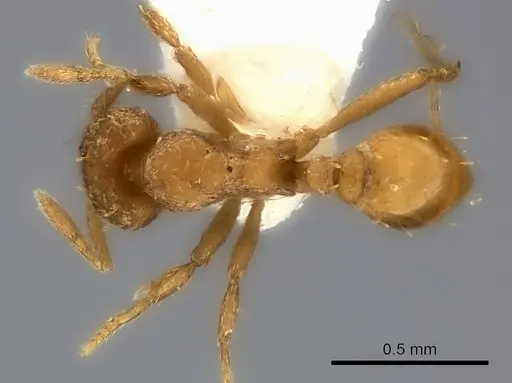
CASENT0217919
View on AntWeb


CASENT0358443
View on AntWeb
CASENT0763579
View on AntWeb

CASENT0912833
View on AntWeb

CASENT0914706
View on AntWeb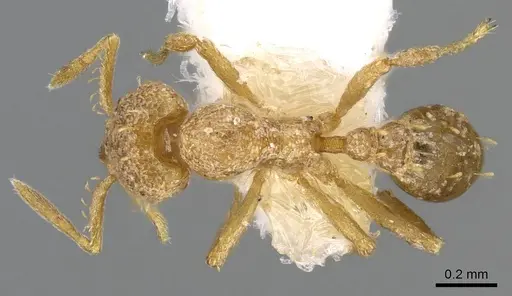

Literature
Loading...Loading products...