

Strumigenys cloydi
- Scientific Name
- Strumigenys cloydi
- Tribe
- Attini
- Subfamily
- Myrmicinae
- Author
- Pfitzer, 1951
- Distribution
- Found in 1 countries
Strumigenys cloydi Overview
Strumigenys cloydi is an ant species of the genus Strumigenys. It is primarily documented in 1 countries , including United States of America. Detailed taxonomic data and occurrence records can be further explored via authoritative databases such as AntWeb or the Global Biodiversity Information Facility (GBIF).
Strumigenys cloydi
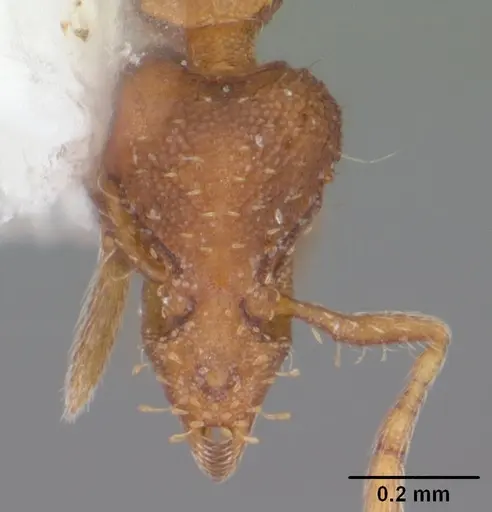
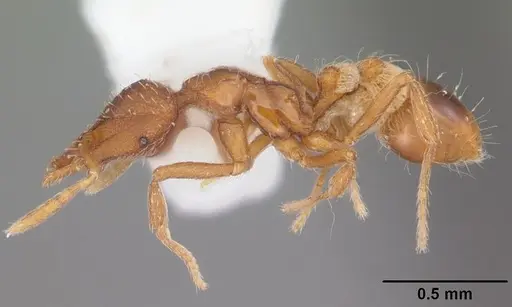
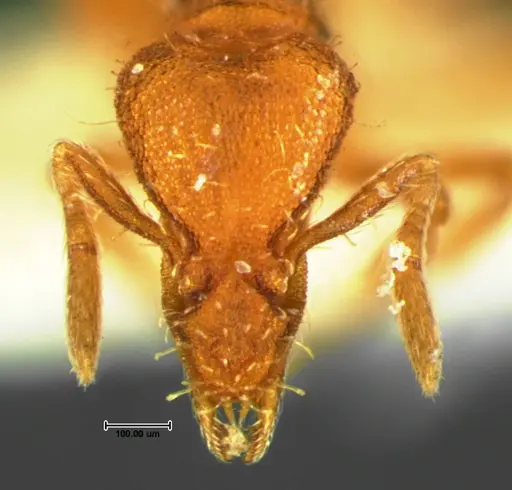
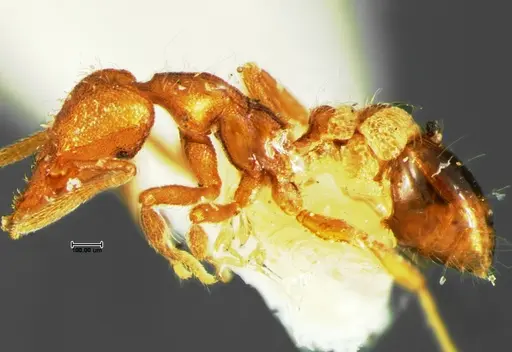
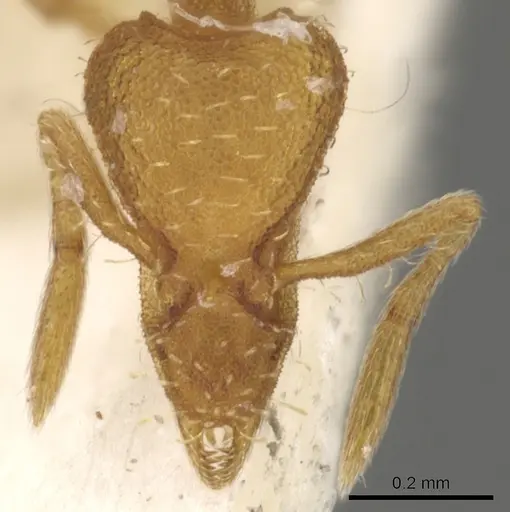
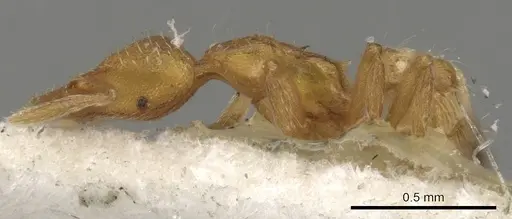
Strumigenys cloydi is a tiny predatory ant native to the eastern United States, specifically found in Tennessee [1]. These ants belong to the tribe Dacetini, known for their remarkable trap-jaw mandibles that they use to catch springtails and other small soil-dwelling arthropods. Workers are among the smallest ants you'll encounter, typically measuring just 2-3mm. The genus Strumigenys is characterized by their unusual spongy body texture and specialized hunting apparatus, when triggered, their mandibles snap shut at incredible speeds to capture prey. This species is part of the Nearctic lineage, meaning it's adapted to temperate North American conditions [2].
Quick Summary
- Difficulty: Hard
- Origin & Habitat: Eastern United States, specifically Tennessee. These ants live in forest floor habitats, typically in moist soil or rotting wood where springtails and other micro-arthropods are abundant.
- Colony Type: Likely single-queen colonies based on typical Strumigenys behavior. Colony sizes remain small, typically under 100 workers.
- Colony: Monogyne
- Size & Growth:
- Queen: Estimated 3-4mm based on genus patterns
- Worker: 2-3mm based on genus patterns
- Colony: Likely under 100 workers, typical for Strumigenys species
- Growth: Slow
- Development: Estimated 8-12 weeks based on related Dacetini species (Development is slow, with colonies growing gradually over many months)
- Antkeeping:
- Temperature: Keep at 22-26°C. Slightly warm conditions help maintain activity and support brood development.
- Humidity: High humidity is essential, these are forest floor ants that need consistently moist substrate. Keep the nest substrate damp but not waterlogged.
- Diapause: Likely requires a mild winter rest period of 2-3 months at cooler temperatures (around 15-18°C), typical for Nearctic species.
- Nesting: Y-tong (AAC) nests or test tube setups work well. They prefer tight, humid chambers close to moisture sources. Avoid dry conditions.
- Behavior: These ants are specialized predators. They hunt primarily springtails and other tiny soil arthropods. They are not aggressive toward humans and rarely sting. Their trap-jaw mechanism is fascinating to observe but poses no danger to keepers. Escape prevention is critical due to their tiny size, they can squeeze through remarkably small gaps.
- Common Issues: escape prevention is critical, their tiny size means they can slip through standard barrier setups, live prey requirement makes them difficult to feed, they need a constant supply of springtails or similar micro-arthropods, slow growth tests keeper patience, colonies take many months to establish, high humidity needs can lead to mold problems if ventilation is poor, wild-caught colonies may have parasites that cause colony failure in captivity
Housing and Nest Setup
Strumigenys cloydi requires careful housing due to their tiny size and humidity needs. Y-tong (AAC) nests work exceptionally well because they maintain humidity while allowing you to observe the colony. Alternatively, a well-sealed test tube setup with a water reservoir can work, but you must ensure the cotton stays damp without flooding. The key is providing tight chambers that match their small size, avoid large, open spaces. Place the nest in a quiet area away from direct sunlight and vibrations. A small outworld connected to the nest allows for feeding and waste removal. Because they are so small, apply fluon or another reliable barrier to all connections and edges, these ants can and will find any tiny gap to escape through. [2]
Feeding and Diet
These ants are specialized predators that require live prey. Their primary food source in the wild is springtails (Collembola), and this should form the basis of their diet in captivity. You can culture your own springtail colony to provide a constant food source. Other small live prey like micro-arthropods, booklice (psocids), and tiny fruit fly larvae may also be accepted. Do not rely on sugar water or honey, Strumigenys are not interested in carbohydrate sources. They are obligate predators and will starve without live prey. Feed small prey items every 2-3 days, adjusting based on colony size and consumption. Remove any uneaten prey after 24 hours to prevent mold issues. [2]
Temperature and Seasonal Care
Maintain temperatures between 22-26°C for optimal colony health and activity. These ants are from the Nearctic region and will do best with a mild temperature gradient allowing them to choose their preferred zone. During winter (roughly November through February in the Northern Hemisphere), reduce temperatures to around 15-18°C to simulate natural seasonal changes. This winter rest period supports colony health and may trigger reproductive behavior in spring. Do not allow temperatures to drop below 10°C or rise above 30°C. A small heating cable on one side of the nest can create the necessary gradient, but always ensure part of the nest remains unheated. [1][2]
Humidity Management
High humidity is non-negotiable for Strumigenys cloydi. These forest floor ants evolved in consistently moist environments. Keep the nest substrate damp but never waterlogged, the substrate should feel moist to the touch with no standing water. A water reservoir connected to the nest helps maintain humidity through evaporation. Monitor for condensation on nest walls, which indicates good humidity levels. However, balance humidity with adequate ventilation to prevent mold growth. If you see mold appearing, improve ventilation immediately and replace the affected substrate. During feeding, avoid introducing excess moisture to the nest. [2]
Behavior and Observation
Watching Strumigenys hunt is one of the most fascinating aspects of keeping this species. Their trap-jaw mandibles can snap shut in milliseconds when triggered by prey movement. Workers forage individually along the substrate surface, antennae constantly probing for vibrations that signal potential prey. When they locate springtails or other small arthropods, they approach cautiously, then strike with remarkable speed. The colony will remain relatively inactive compared to more common ants, with workers often stationary or moving slowly between foraging bouts. This is normal behavior, they are ambush predators, not active hunters. Do not mistake their calm demeanor for illness. [2]
Frequently Asked Questions
How long does it take for Strumigenys cloydi to raise their first workers?
Expect 8-12 weeks from egg to first worker based on related Dacetini species. Development is slow, and the first workers (nanitics) will be smaller than mature workers. Patience is essential, do not disturb the founding queen during this period.
Can I keep Strumigenys cloydi in a test tube?
Yes, a test tube setup can work, but you need excellent escape prevention. These tiny ants will escape through gaps you cannot see. Apply fluon to all edges and use a tight-fitting barrier. Keep the water reservoir small to prevent flooding, and ensure the cotton stays damp.
What do Strumigenys cloydi eat?
They eat live springtails and other tiny micro-arthropods. They are obligate predators and will not accept dead prey, sugar water, or honey. You must culture your own springtail colony or purchase them regularly. This makes them a challenging species to keep.
Are Strumigenys cloydi good for beginners?
No. This species is considered difficult to keep. Their live prey requirement, high humidity needs, slow growth, and escape risk make them unsuitable for new ant keepers. Start with easier species like Lasius or Tetramorium before attempting Strumigenys.
How big do Strumigenys cloydi colonies get?
Colonies remain relatively small, typically under 100 workers at maturity. This is typical for the genus, they are not large colony ants. A mature colony will still seem small compared to common species like Camponotus or Formica.
Do Strumigenys cloydi need hibernation?
Yes, a mild winter rest period of 2-3 months at 15-18°C is recommended. This simulates their natural seasonal cycle in the eastern United States. Reduce feeding during this period and allow temperatures to drop gradually in autumn.
Why are my Strumigenys cloydi dying?
Common causes include: escape (check all barriers), starvation (ensure live prey is available), too dry (increase humidity), too cold/warm (check temperatures), or parasites from wild-caught colonies. Review each parameter and make adjustments gradually.
When should I move Strumigenys cloydi to a formicarium?
Wait until the colony has at least 20-30 workers before considering a formicarium. Even then, a Y-tong nest is usually preferable to larger formicaria because these ants do better in smaller, more humid spaces. Do not upgrade simply because the colony is growing, they prefer tight spaces.
Can I keep multiple Strumigenys cloydi queens together?
This has not been documented for this species. Based on typical Strumigenys behavior, they are likely single-queen colonies. Do not attempt to combine unrelated queens, they will likely fight and one will be killed.
References

This caresheet is licensed under CC BY-SA 4.0 .
CASENT0104334
View on AntWeb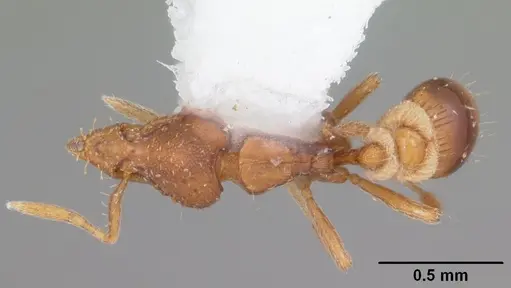
CASENT0105659
View on AntWeb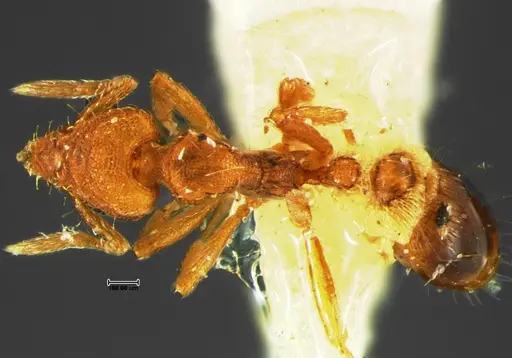
CASENT0747001
View on AntWeb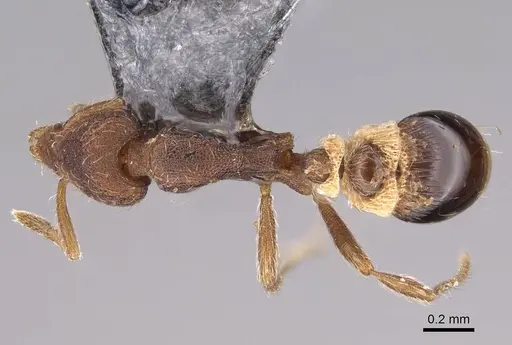
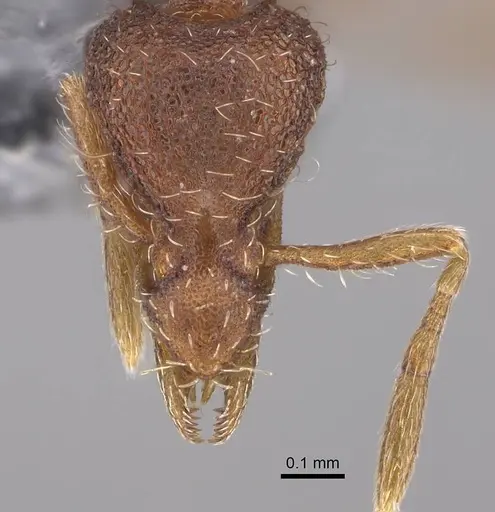
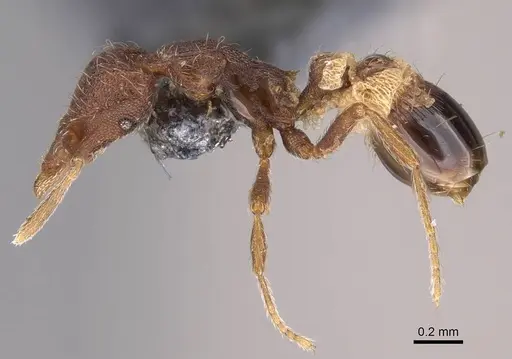
CASENT0747017
View on AntWeb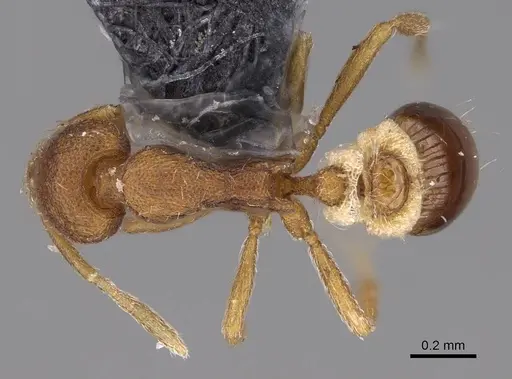
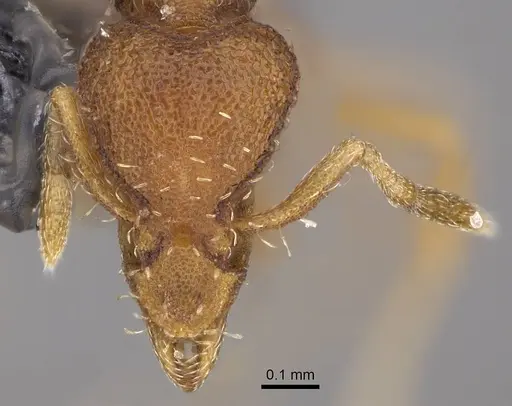
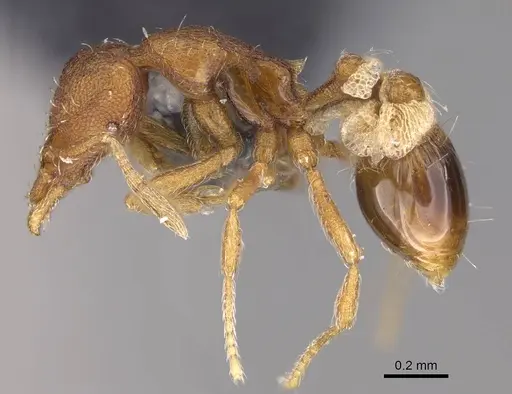
CASENT0900173
View on AntWeb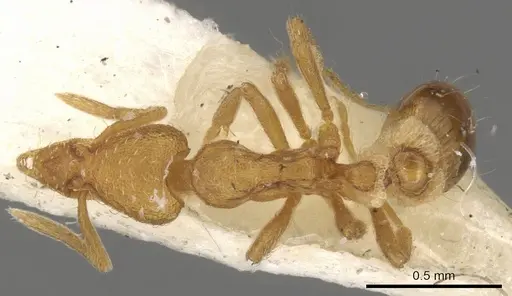
Literature
Loading...Loading products...