

Strumigenys charino
- Scientific Name
- Strumigenys charino
- Tribe
- Attini
- Subfamily
- Myrmicinae
- Author
- Fisher, 2000
- Distribution
- Found in 1 countries
Strumigenys charino Overview
Strumigenys charino is an ant species of the genus Strumigenys. It is primarily documented in 1 countries , including Madagascar. Detailed taxonomic data and occurrence records can be further explored via authoritative databases such as AntWeb or the Global Biodiversity Information Facility (GBIF).
Strumigenys charino
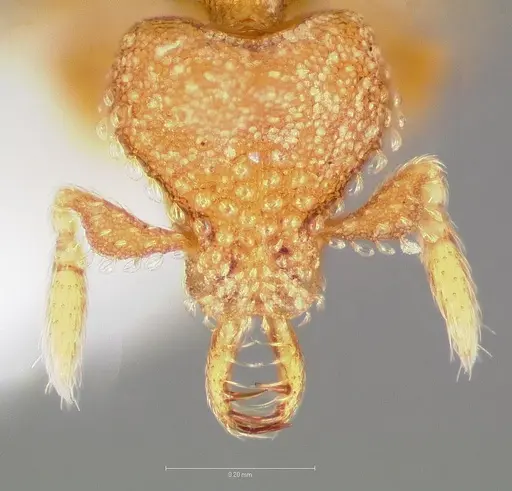
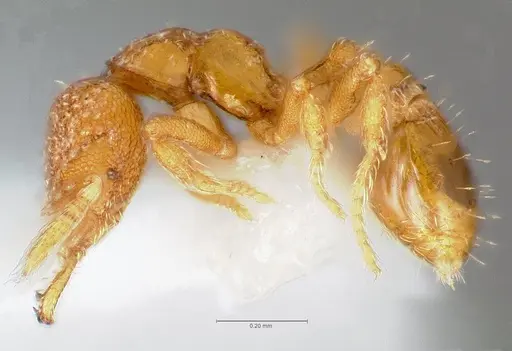
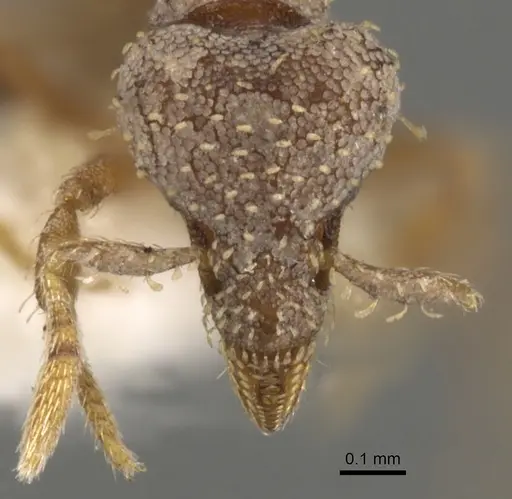
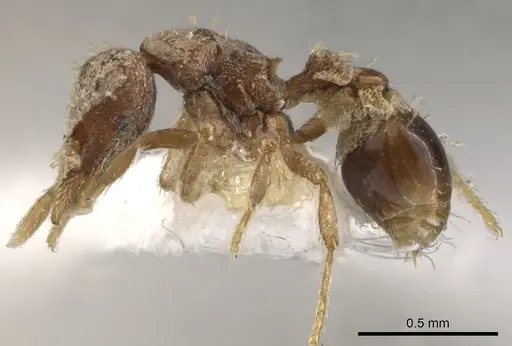
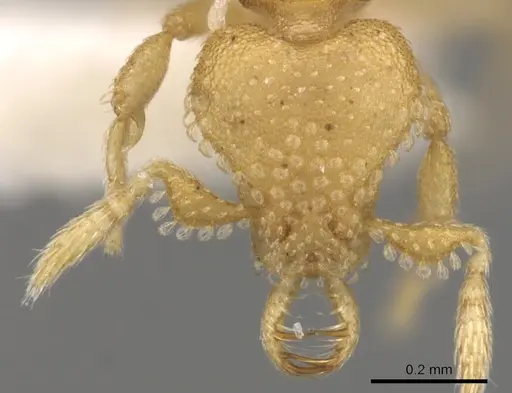
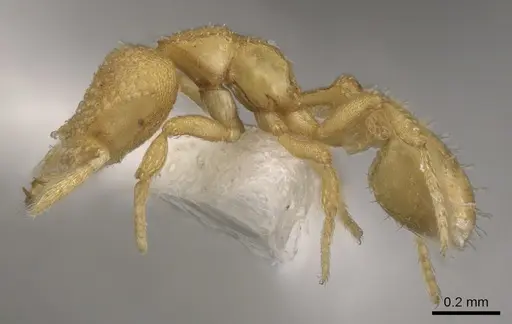
Strumigenys charino is a tiny predatory ant from Madagascar, measuring just 1.8mm in total length [1]. Workers are dull yellow to pale brown with distinctive spoon-shaped hairs on their head and a narrow propodeal lamella. This species belongs to the dacetine ant tribe (Attini), known for their specialized trap-jaw mandibles used to capture small prey. Found exclusively in the leaf litter of rainforest and montane forest habitats in northern Madagascar, these ants are terricolous (ground-dwelling) and prefer humid, shaded microenvironments [2].
Quick Summary
- Difficulty: Expert
- Origin & Habitat: Northern Madagascar, found in rainforest and montane forest leaf litter at elevations from 25m to montane zones [1][2]
- Colony Type: Colony structure unconfirmed, likely monogyne like most Strumigenys species
- Size & Growth:
- Queen: Undescribed in available literature
- Worker: 1.8mm total length [1]
- Colony: Likely small (under 500 workers) based on typical Strumigenys colony sizes
- Growth: Slow, based on genus patterns for tiny predatory ants
- Development: Unconfirmed, likely 8-12 weeks based on related dacetine species (Development timeline has not been directly studied for this species)
- Antkeeping:
- Temperature: Keep at 22-26°C, these are tropical rainforest ants that need warm, stable conditions
- Humidity: High humidity required (humid=1 in habitat data). Keep substrate consistently moist but not waterlogged, think damp forest floor
- Diapause: Unlikely, Madagascar has no true winter. Maintain stable conditions year-round
- Nesting: Naturalistic setup with fine substrate (like soil/leaf litter mix) works best. Test tubes can work but require careful moisture management. Y-tong nests with tight chambers scaled to their tiny size are suitable
- Behavior: These are specialized micro-predators. Workers hunt springtails and other tiny arthropods using their trap-jaw mandibles. They are not aggressive toward humans and cannot sting. Their tiny size (1.8mm) makes escape prevention critical, they can squeeze through standard mesh. Foraging is slow and methodical, typical of dacetine ants.
- Common Issues: escape prevention is critical due to their tiny 1.8mm size, use fine mesh barriers, slow growth can frustrate beginners, colonies develop slowly, requires live micro-prey (springtails), cannot survive on sugar alone like many ants, high humidity needs can lead to mold if ventilation is poor, wild-caught colonies may have parasites that can devastate captive colonies
Housing and Nest Setup
Strumigenys charino requires careful housing due to their tiny size and specialized needs. A naturalistic setup with a soil/leaf litter mixture works best, this mimics their natural leaf litter habitat and provides hunting grounds for their prey. Keep the substrate consistently moist but not waterlogged. A thin layer of damp plaster or a well-moistened test tube setup can also work if you monitor humidity carefully. Because they are only 1.8mm long, escape prevention must be excellent, standard mesh may not contain them. Use fine mesh (0.5mm or smaller) or fluon barriers on any openings. A small formicarium with tight chambers scaled to their tiny size helps them feel secure. [2][1]
Feeding and Diet
This is a specialized micro-predator. Strumigenys charino hunts springtails and other tiny soil arthropods using their specialized trap-jaw mandibles. In captivity, their primary food should be live springtails (Collembola), this is essential and cannot be substituted with larger prey. You can culture your own springtail colony to ensure a constant supply. Other tiny live prey like micro-arthropods, pot worms (Enchytraeidae), and newly hatched pinhead crickets may be accepted experimentally, but springtails should form the bulk of their diet. They are unlikely to accept sugar water or honey, these ants are obligate predators. Feed small amounts every few days, removing uneaten prey to prevent mold. [1]
Temperature and Humidity
As a Madagascar rainforest species, Strumigenys charino needs warm and humid conditions. Maintain temperatures between 22-26°C, avoid drops below 20°C as this can slow or stop their activity entirely. Room temperature in most homes is suitable if kept in the mid-20s. Humidity is critical: keep the substrate consistently damp but not soaking. The habitat data confirms they prefer humid conditions (humid=1) [2]. Use a moisture reservoir or mist regularly, but ensure good ventilation to prevent mold buildup. A hygrometer can help you monitor conditions, aim for 70-85% relative humidity in the nest area.
Behavior and Temperament
Strumigenys charino is a calm, non-aggressive species. Workers are small and slow-moving, hunting individually through the leaf litter. They use their trap-jaw mandibles to snap shut on prey, this is fascinating to watch but means they are specialized predators, not generalists. They do not sting and pose no danger to humans. Their small size and slow movement make them interesting observation ants, but they are not active foragers like some other species. Colonies are likely small and grow slowly. They are best suited for antkeepers who enjoy watching specialized predators and can provide their specific dietary needs. [1]
Colony Establishment
If you acquire a founding queen, she will likely seal herself in a chamber (claustral founding is typical for the genus, though not confirmed for this specific species). The queen will lay eggs and raise the first workers entirely on her stored fat reserves. Once the first workers (nanitics) emerge, they will begin hunting for micro-prey to feed the colony. Founding colonies should be left undisturbed in a dark location. Do not feed until workers emerge, the queen does not forage during founding. Growth is slow, so patience is essential. Wild-caught colonies may carry parasites, so quarantine and observe new colonies carefully before introducing them to any existing ant collections.
Frequently Asked Questions
Can I keep Strumigenys charino in a test tube?
Yes, but it requires careful moisture management. Use a small test tube with a water reservoir, but monitor closely, these ants need high humidity and the tube can dry out or flood. A naturalistic setup with damp substrate is often better for long-term success.
What do Strumigenys charino ants eat?
They are specialized predators that need live springtails (Collembola) as their primary food. They cannot survive on sugar water or standard ant feeds. Culturing your own springtail colony is highly recommended.
How long until first workers appear?
The exact timeline is unconfirmed for this species, but based on related dacetine ants, expect 8-12 weeks from egg to worker at optimal temperature (around 24-26°C). Growth is slow.
Are Strumigenys charino good for beginners?
No, this is an expert-level species. Their tiny size makes housing and escape prevention challenging, they require live springtails as food (which most beginners cannot provide), and they need high humidity with good ventilation to prevent mold. They grow slowly and require patience.
Do Strumigenys charino need hibernation?
No. As a Madagascar tropical species, they do not experience winter. Maintain stable warm (22-26°C) and humid conditions year-round.
Why are my Strumigenys charino dying?
Common causes include: too low humidity (they need damp conditions), lack of live springtail prey (they cannot survive without it), temperatures below 20°C, or parasites from wild-caught colonies. Check each of these factors and adjust accordingly.
How big do Strumigenys charino colonies get?
Based on typical Strumigenys species, colonies likely reach a few hundred workers at most. They are small colonies even when mature.
When should I move Strumigenys charino to a formicarium?
Wait until the colony has at least 20-30 workers and is actively foraging. Moving too early can stress the colony. A naturalistic setup often works better than traditional formicariums for this leaf-litter species.
Can I keep multiple queens together?
Not recommended. Combining unrelated queens of this species has not been documented, and they are likely single-queen colonies like most Strumigenys.
References

This caresheet is licensed under CC BY-SA 4.0 .
CASENT0005506
View on AntWeb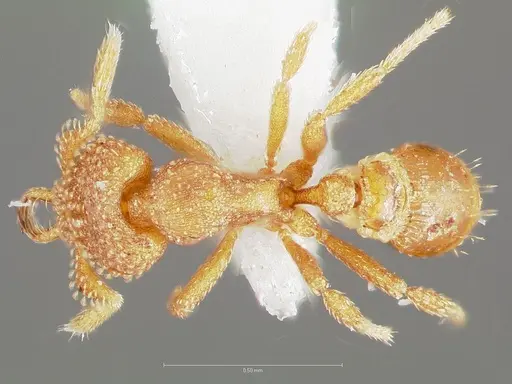
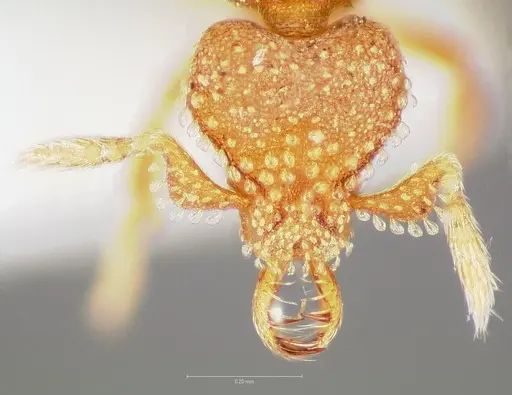
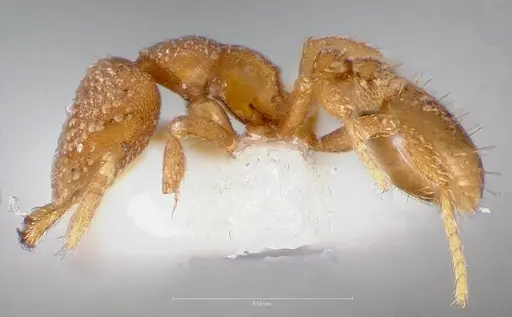
CASENT0005507
View on AntWeb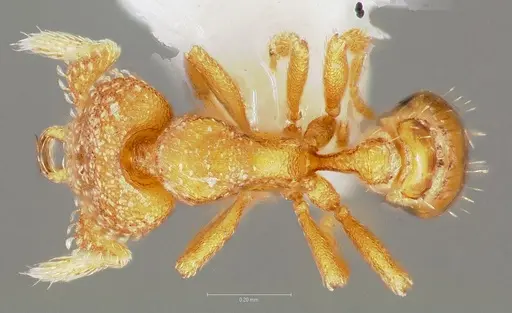
CASENT0900114
View on AntWeb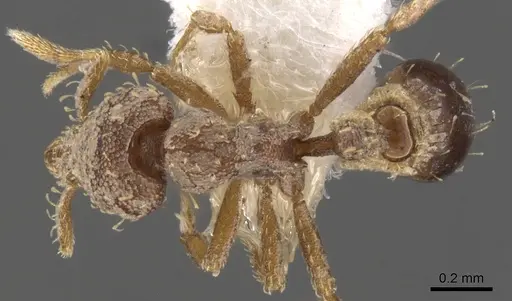
CASENT0900644
View on AntWeb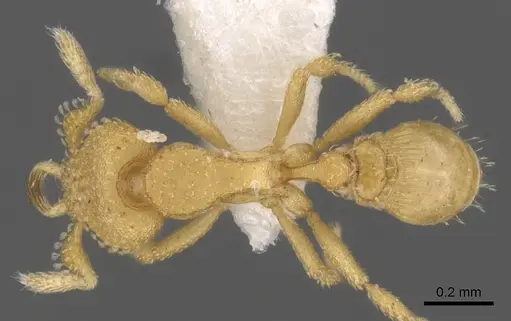
Literature
Loading...Loading products...