

Strumigenys chareta
- Scientific Name
- Strumigenys chareta
- Tribe
- Attini
- Subfamily
- Myrmicinae
- Author
- Bolton, 2000
- Distribution
- Found in 1 countries
Strumigenys chareta Overview
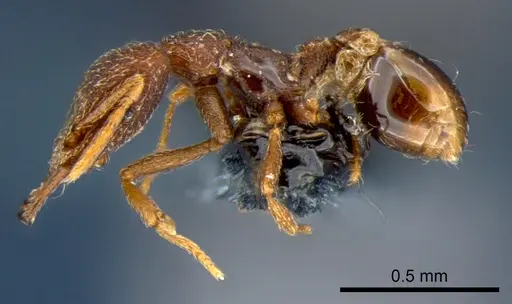
Strumigenys chareta is an ant species of the genus Strumigenys. It is primarily documented in 1 countries , including New Caledonia. Detailed taxonomic data and occurrence records can be further explored via authoritative databases such as AntWeb or the Global Biodiversity Information Facility (GBIF).
Strumigenys chareta
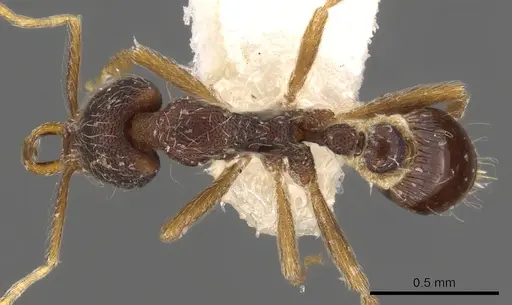
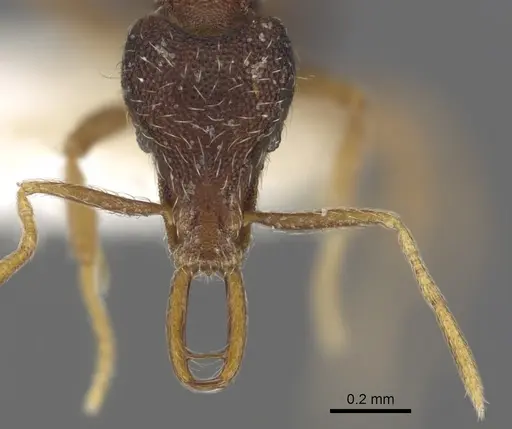
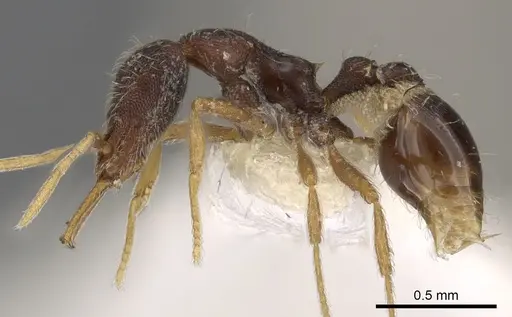
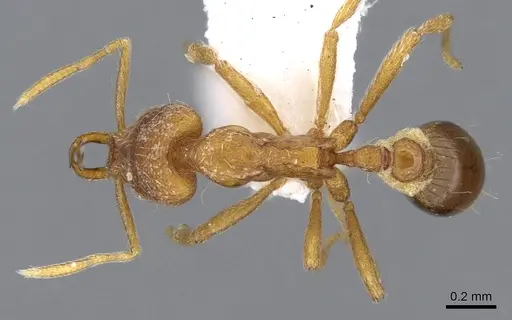
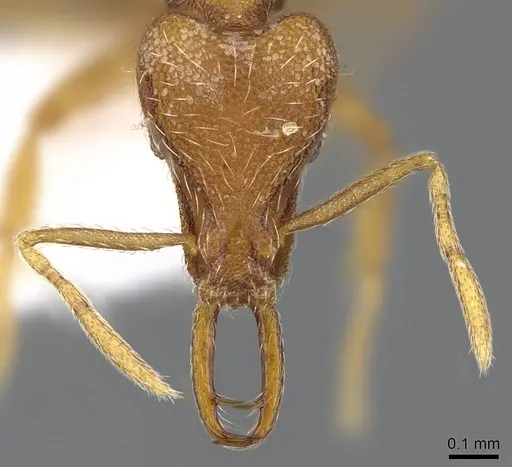
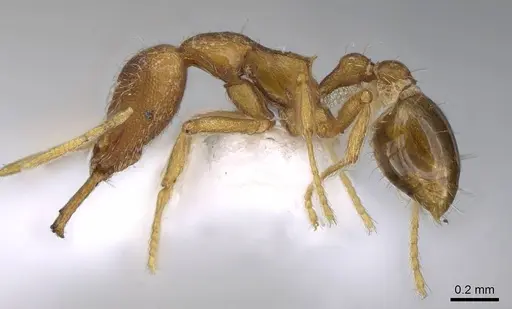
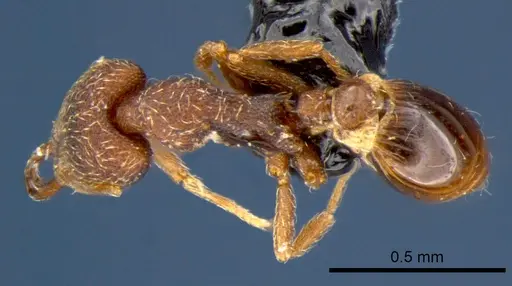
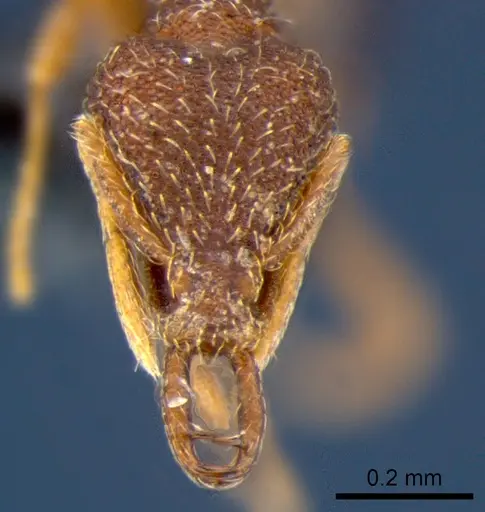
Strumigenys chareta is a small trap-jaw ant species native to New Caledonia, a tropical island in the southwestern Pacific Ocean [1]. These ants belong to a remarkable genus characterized by their elongated, trap-jaw mandibles that can snap shut with incredible speed to capture small prey. Workers are tiny, typically measuring just 2-4mm, with a distinctive appearance featuring smooth body surfaces and often pale coloration. The genus Strumigenys is known worldwide for their specialized predatory hunting style, using their spring-loaded mandibles to capture springtails and other tiny arthropods that other ants cannot reach.
Quick Summary
- Difficulty: Medium to Hard
- Origin & Habitat: New Caledonia, a tropical Pacific island with humid forest environments
- Colony Type: Likely single-queen colonies based on typical genus patterns
- Colony: Monogyne
- Founding: Claustral
- Size & Growth:
- Queen: Estimated 4-5mm based on genus patterns
- Worker: Estimated 2-4mm based on genus patterns
- Colony: Small colonies, likely under 500 workers based on typical Strumigenys growth
- Growth: Slow, trap-jaw ants typically develop slowly
- Development: Estimated 8-12 weeks at optimal temperature based on related species (Development is likely slow, consistent with other Strumigenys species)
- Antkeeping:
- Temperature: Keep at 24-28°C, these are tropical ants from New Caledonia
- Humidity: High humidity required, aim for 70-85%. These forest-floor ants need consistently moist substrate
- Diapause: Unlikely, New Caledonia has minimal seasonal temperature variation
- Nesting: Prefer naturalistic setups with moist substrate. Y-tong or plaster nests work well, but ensure humidity remains high
- Behavior: Strumigenys chareta is a specialized predator. Workers hunt individually using their trap-jaw mandibles to capture small prey like springtails, mites, and other micro-arthropods. They are not aggressive toward larger threats and will flee rather than fight. Escape prevention is critical due to their very small size, they can squeeze through tiny gaps. They are docile and suitable for observation of their unique hunting behavior.
- Common Issues: tiny size makes escape likely without fine mesh barriers, specialized diet means they may refuse standard ant foods, slow growth tests keeper patience, high humidity needs can lead to mold if ventilation is poor, wild-caught colonies may carry parasites
Housing and Nest Setup
Strumigenys chareta requires high humidity environments. A naturalistic setup with a moist substrate layer works best, use a mixture of soil and organic material that stays damp but not waterlogged. Y-tong (AAC) nests or plaster nests with water reservoirs can maintain the humidity they need. Because of their tiny size, ensure all connections between the outworld and nest are sealed with cotton or appropriate barriers. A small outworld is fine since these ants remain small even at maturity. Provide low lighting as they prefer shaded conditions.
Feeding and Diet
These are specialized predators that hunt small arthropods. Their primary food should be live springtails, these are ideal prey that trigger their trap-jaw hunting behavior. Other small live prey like micro-mites, fruit fly larvae, and tiny isopods may also be accepted. Sugar sources are typically ignored by Strumigenys, so do not rely on honey or sugar water. Feed small amounts of live prey every few days, removing any uneaten prey after 24 hours. The key to keeping this species healthy is providing a constant supply of appropriately-sized live prey.
Temperature and Care
As tropical ants from New Caledonia, Strumigenys chareta needs warm conditions. Keep the nest area at 24-28°C. A heating cable on one side of the nest can create a temperature gradient, allowing ants to regulate their own exposure to warmth. Avoid temperatures below 22°C as this can slow their metabolism and prevent proper brood development. High humidity is essential, monitor the substrate moisture regularly and mist if needed, but avoid creating standing water. Good ventilation is still important to prevent mold.
Behavior and Temperament
These ants are peaceful and not defensive. Workers hunt alone, using their distinctive elongated mandibles to snap shut on unsuspecting prey. When threatened, they will simply flee rather than attack. This makes them fascinating to observe, you can watch their unique hunting strategy in action. However, their small size means they are excellent escape artists. Use fine mesh on any openings and check all connections regularly. They are not suitable for keepers looking for aggressive or active foraging ants, these are quiet, cryptic predators that spend much of their time hunting in the substrate.
Frequently Asked Questions
What do Strumigenys chareta ants eat?
They are specialized predators that need live small arthropods. Feed them live springtails as a primary food source. They may also accept tiny mites, fruit fly larvae, and other micro-prey. Sugar and honey are typically ignored.
How long does it take for Strumigenys chareta to develop from egg to worker?
Development is slow, expect roughly 8-12 weeks from egg to first worker at optimal temperature (24-28°C). This is typical for Strumigenys species.
What size colony do Strumigenys chareta reach?
Colonies remain relatively small. Based on typical genus patterns, mature colonies likely reach 100-500 workers.
Are Strumigenys chareta good for beginners?
Not ideal for beginners. They have specialized dietary needs (requiring live prey), need high humidity, and are expert escape artists due to their tiny size. They are better suited for keepers with some experience maintaining humid conditions and providing live prey.
What temperature do Strumigenys chareta need?
Keep them warm at 24-28°C. These are tropical ants that need consistently warm conditions to thrive.
Do Strumigenys chareta need hibernation?
No. As tropical ants from New Caledonia, they do not require a hibernation period. Maintain warm temperatures year-round.
Why are my Strumigenys chareta escaping?
Their tiny size allows them to squeeze through incredibly small gaps. Use fine mesh on all openings, seal all connections with cotton or appropriate barriers, and check regularly for any gaps larger than 1mm.
Can I keep Strumigenys chareta in a test tube?
A test tube setup can work for founding colonies, but you will need to maintain high humidity carefully. A naturalistic setup with moist substrate is often better for established colonies.
Where is Strumigenys chareta found?
This species is native to New Caledonia, a tropical island in the southwestern Pacific Ocean.
References

This caresheet is licensed under CC BY-SA 4.0 .
Literature
Loading...Loading products...