

Strumigenys chapmani
- Scientific Name
- Strumigenys chapmani
- Tribe
- Attini
- Subfamily
- Myrmicinae
- Author
- Brown, 1954
- Distribution
- Found in 1 countries
Strumigenys chapmani Overview
Strumigenys chapmani is an ant species of the genus Strumigenys. It is primarily documented in 1 countries , including Philippines. Detailed taxonomic data and occurrence records can be further explored via authoritative databases such as AntWeb or the Global Biodiversity Information Facility (GBIF).
Strumigenys chapmani - "Trap-Jaw Ant (a Strumigenys species)"
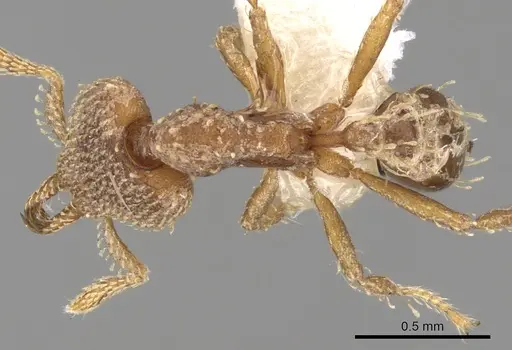
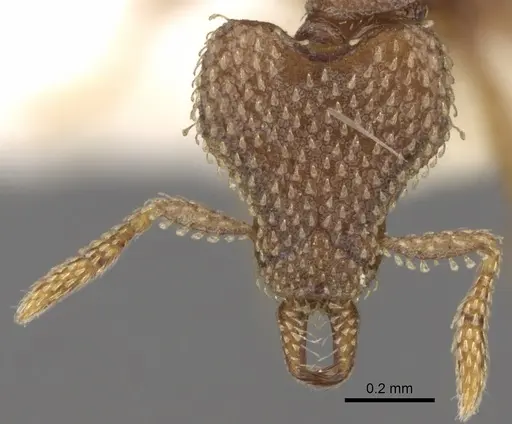
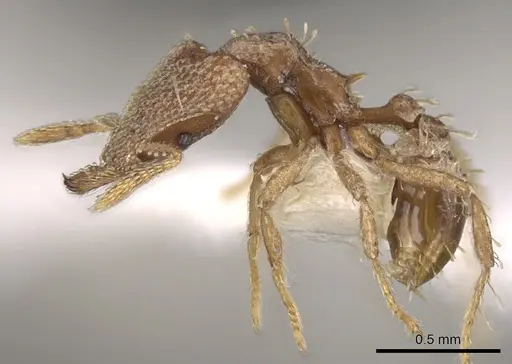
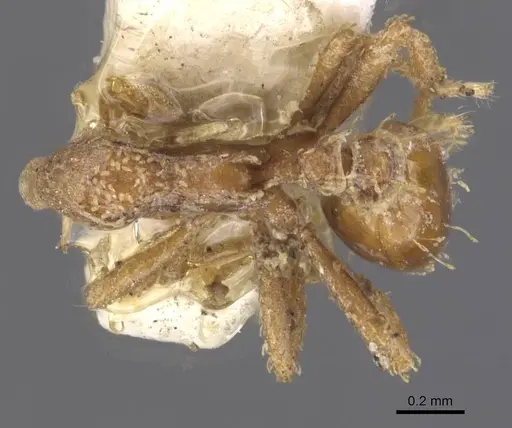
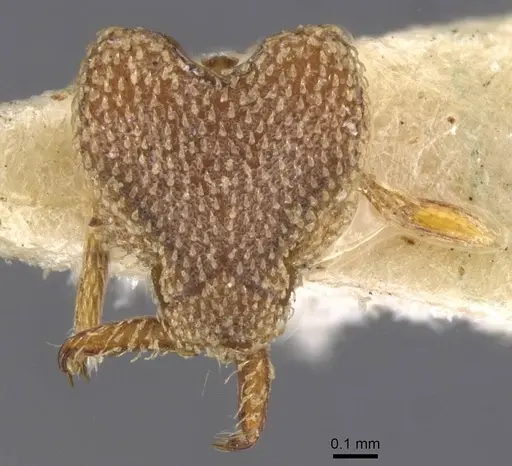
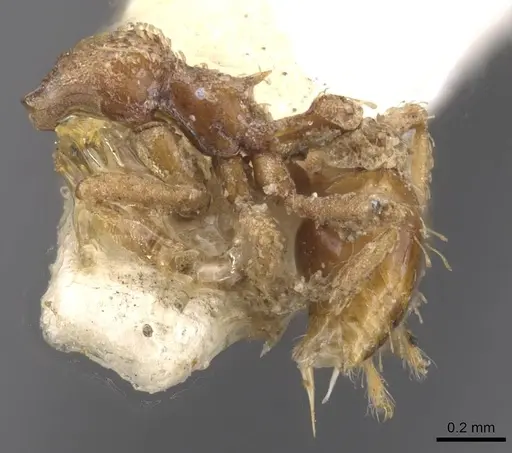
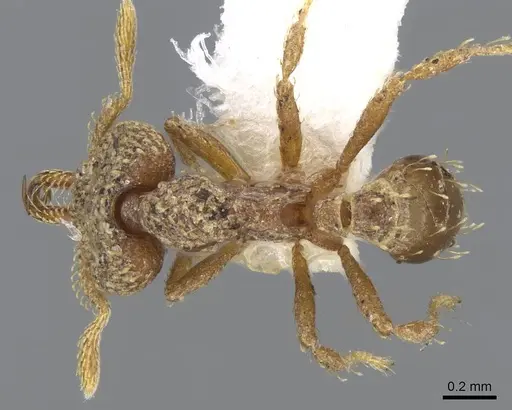
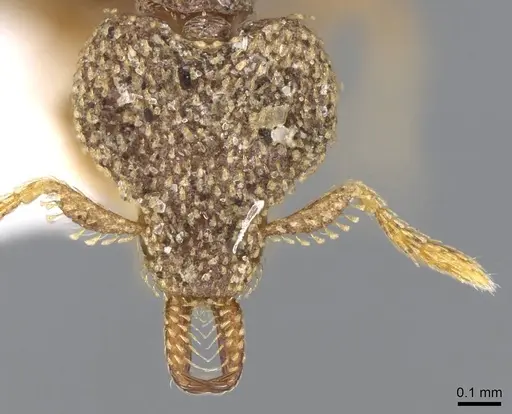
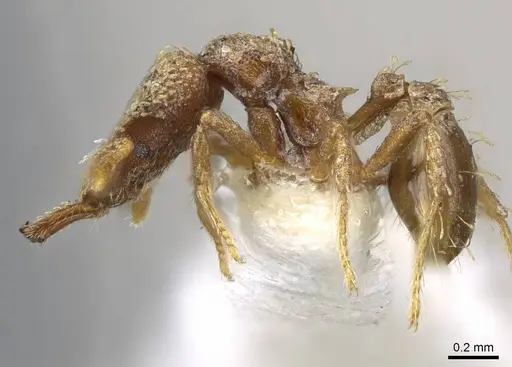
Strumigenys chapmani is a tiny, cryptic ant known for its specialized trap-jaw mandibles, which snap shut rapidly to capture prey. Workers typically measure between 2.4 and 2.9 mm in total length. Their coloration is usually a uniform medium ferruginous (reddish-brown), with legs, mandibles, and antennae appearing slightly lighter and more yellowish. This species, like many Strumigenys, often exhibits 'playing dead' or thanatosis behavior when disturbed, freezing in place to avoid detection. They are primarily found in moist, warm habitats, often within leaf litter and decaying wood.
- Difficulty: Medium
- Origin & Habitat: Indo-Australian Region, including the Philippines (type locality), Brunei Darussalam, Indonesia, Malaysia, and Singapore. in Moist, warm habitats such as forest floors, leaf litter, decaying wood, and humus. They have also been collected on tree trunks within lowland dipterocarp forests and limestone forests..
- Colony Type: Monogyne (typically, but polygyny can occur in the genus), claustral founding.
- Size & Growth:
- Queen: 2.8mm+
- Worker: 2.4-2.9mm
- Colony: Small (dozens to a few hundred individuals). Slow growth.
- Antkeeping:
- Temperature: Maintain temperatures between 22°C and 26°C. Avoid extreme temperature fluctuations..
- Humidity: High humidity levels are crucial, ideally between 60-80%..
- Diapause: Not required. Not specified at Not specified.
- Nesting: Small formicaria with easy-to-access chambers and a suitable foraging area are recommended. They thrive in setups that mimic their natural substrate, such as soil, leaf litter, or decaying wood..
- Behavior: Low (towards handler, primarily defensive if threatened) aggressiveness.
- Common Issues: Humidity fluctuations, Lack of appropriate live prey, Nest mold if ventilation is poor, Colony stalling due to stress.
One of the most captivating aspects of keeping Strumigenys chapmani is observing their unique hunting strategy. These ants are specialized predators, with springtails (Collembola) being their primary prey. They employ incredibly fast trap-jaw mandibles to ambush and seize their victims. Keepers should ensure a consistent supply of appropriately sized live prey to meet their specific dietary needs. Culturing springtails is highly recommended for long-term care.
Given their preference for moist, cryptic microhabitats, setting up their formicarium correctly is paramount. A small, enclosed nest with ample substrate like moist soil or decaying wood chunks will make them feel at home. Their shy nature means they often prefer to stay hidden, so an outworld with plenty of leaf litter and hiding spots will encourage natural foraging behavior while still allowing for observation.
Humidity is not just a preference for Strumigenys chapmani; it's a critical requirement for their survival. Fluctuations or insufficient moisture can quickly lead to colony stress and decline. Employing methods such as a consistently moist substrate, a humidity gradient within the nest, or even a specialized humidity-controlled setup is essential to replicate their natural damp environment. Regularly misting the outworld and checking hydration levels will contribute significantly to their well-being.
Due to their small size and specialized care needs, Strumigenys chapmani are often considered a more advanced species for antkeepers. They are not as active or visible as larger, more generalized ant species, which might be a consideration for those who prefer more observable colonies. However, for dedicated hobbyists fascinated by unique ant adaptations and behaviors, these little hunters offer a truly rewarding experience.
Colony sizes for Strumigenys species are typically quite small, usually less than a hundred individuals, though some can reach several hundred. This makes them ideal for smaller setups and for hobbyists who might not have space for sprawling colonies. Observing the intricate interactions within these compact communities and their precise hunting techniques can be a truly fascinating endeavor.
Frequently Asked Questions
What makes Strumigenys chapmani a 'trap-jaw ant'?
Strumigenys chapmani, like other 'trap-jaw' ants, possesses highly modified mandibles that can snap shut at incredibly high speeds. They hold their mandibles open and, when trigger hairs detect prey, these jaws close rapidly, trapping the unfortunate insect. This specialized mechanism is primarily used for hunting fast-moving small arthropods, particularly springtails.
Are Strumigenys chapmani good ants for a beginner antkeeper?
While captivating, Strumigenys chapmani are generally considered a 'Medium' difficulty species for antkeepers. Their specific requirements for diet (live micro-prey), high humidity, and relatively small, cryptic colonies can pose challenges for beginners. It's best to have some experience with more robust species before taking on these fascinating hunters.
What do Strumigenys chapmani ants eat?
Strumigenys chapmani are specialist predators, meaning their diet is quite specific. Their preferred food source is small arthropods, especially springtails (Collembola). They may also take other tiny, soft-bodied insects like micro-crickets. Sugary foods like honey or sugar water are generally not consumed by this species, unlike many other ants.
How big do Strumigenys chapmani colonies get?
Strumigenys chapmani colonies are typically small, estimated to range from a few dozen workers to potentially a few hundred individuals. This makes them a great choice for antkeepers who prefer smaller, more manageable formicaria rather than large, sprawling setups.
What kind of nest setup is best for Strumigenys chapmani?
For Strumigenys chapmani, a small formicarium that allows for high humidity and provides ample hiding spaces is ideal. Nests mimicking their natural environment, such as those made from moist soil, decaying wood, or even acrylic nests with a humid substrate layer, are highly recommended. A small outworld filled with leaf litter will encourage their natural foraging behavior.
Do Strumigenys chapmani need a diapause period?
Given their tropical and subtropical origins, Strumigenys chapmani generally do not require a diapause (winter hibernation) period. They thrive in consistently warm temperatures and high humidity year-round.
Are Strumigenys chapmani workers active and visible?
Strumigenys chapmani workers are quite cryptic and often slow-moving when not hunting. They tend to stay hidden within their nest or deep in the leaf litter of their outworld. While observing their trap-jaw hunting is a treat, they are not as openly active or visible as some larger, more common ant species.
What is their natural habitat like?
Strumigenys chapmani are native to the Indo-Australian region, found in countries like the Philippines, Brunei, Indonesia, and Malaysia. They primarily inhabit moist, warm environments such as forest floors, thriving in the dampness of leaf litter, humus, and decaying wood. They've also been found on tree trunks in certain forest types.
Do Strumigenys chapmani sting?
Yes, Strumigenys chapmani workers do possess a sting. However, due to their small size and generally non-aggressive nature towards handlers, a sting is highly unlikely unless the ant is severely provoked or accidentally squashed. It would likely feel like a minor prick, if anything.
How long does it take for Strumigenys chapmani eggs to develop into workers?
Specific data on the exact egg-to-worker development time for Strumigenys chapmani is not widely documented in antkeeping resources. However, like many tropical ant species, their development cycles are generally continuous and relatively fast under optimal warm and humid conditions, likely ranging from several weeks to a couple of months from egg to adult worker.

This caresheet is licensed under CC BY-SA 4.0 .
Literature
Loading...Loading products...