

Strumigenys cavinasis
- Scientific Name
- Strumigenys cavinasis
- Tribe
- Attini
- Subfamily
- Myrmicinae
- Author
- Brown, 1950
- Distribution
- Found in 2 countries
Strumigenys cavinasis Overview
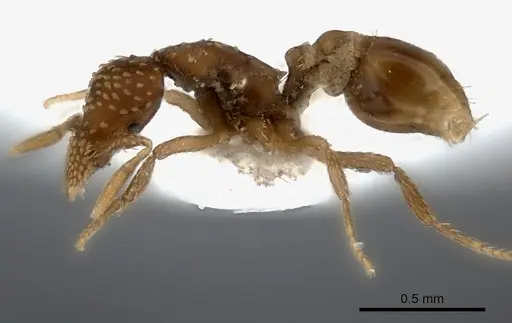
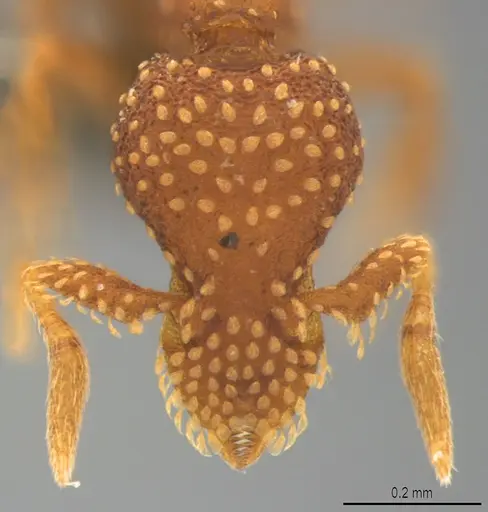
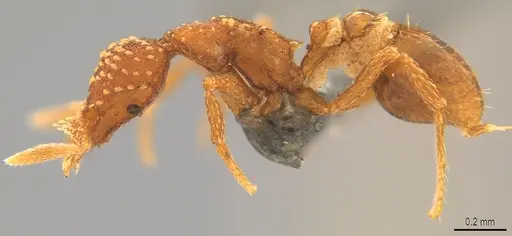
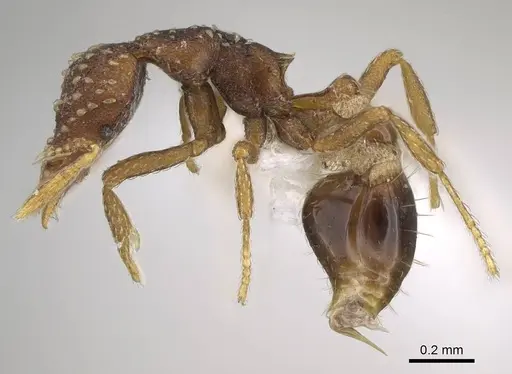
Strumigenys cavinasis is an ant species of the genus Strumigenys. It is primarily documented in 2 countries , including Kenya, Uganda. Detailed taxonomic data and occurrence records can be further explored via authoritative databases such as AntWeb or the Global Biodiversity Information Facility (GBIF).
Strumigenys cavinasis
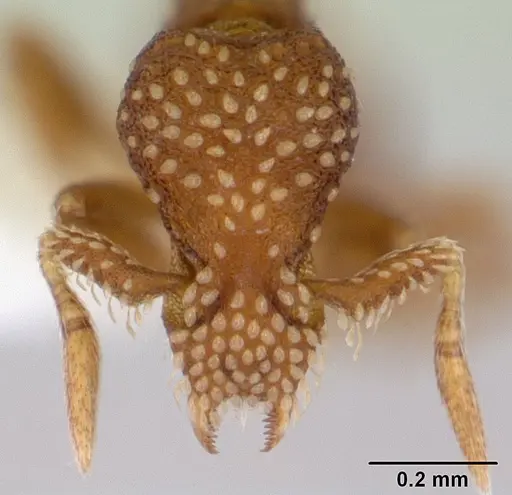
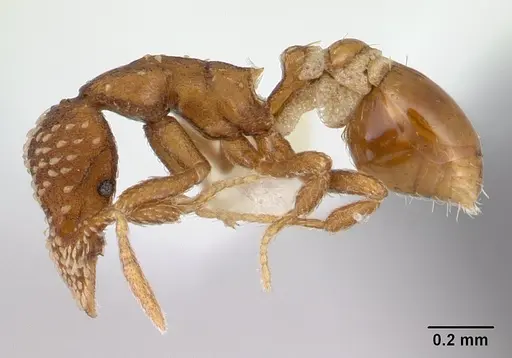
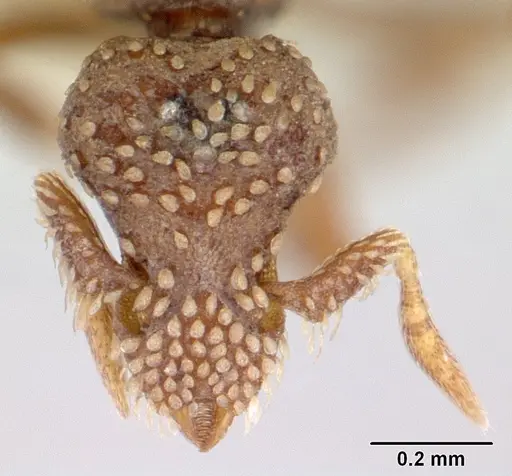
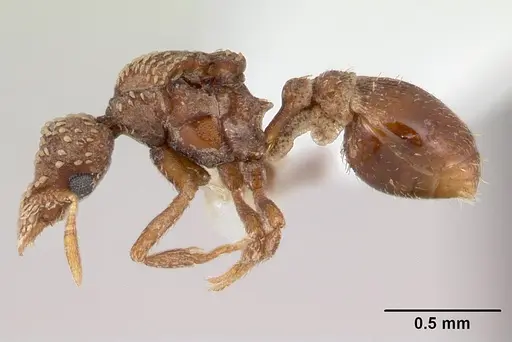
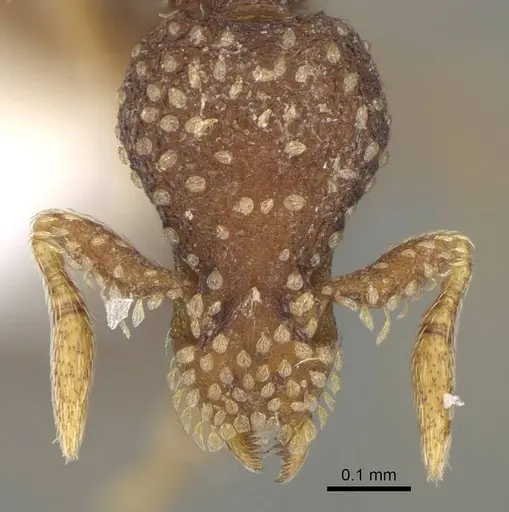
Strumigenys cavinasis is a small predatory ant species native to the Democratic Republic of Congo. These ants belong to the dacetine ant tribe, a group known for their specialized trap-jaw mandibles that can snap shut with remarkable speed to capture prey. Workers are tiny, typically measuring 2-3mm, with distinctive elongated mandibles lined with teeth. The genus Strumigenys is characterized by their highly specialized hunting strategy, they prey almost exclusively on springtails and other micro-arthropods in forest floor habitats. The species has been documented in the IT and NK provinces of the DRC, though detailed ecological studies are lacking [1].
Quick Summary
- Difficulty: Medium/Hard
- Origin & Habitat: Democratic Republic of Congo, specifically IT and NK provinces. In nature, these ants inhabit leaf litter and soil environments in forested areas, where they hunt small arthropods [1].
- Colony Type: Colony structure is unconfirmed. Many Strumigenys species have ergatoid (wingless) queens that can serve as replacement reproductives, but this has not been documented for cavinasis specifically.
- Size & Growth:
- Queen: Estimated 3-4mm based on genus patterns
- Worker: Estimated 2-3mm based on genus patterns
- Colony: Likely small colonies of several dozen to a few hundred workers based on typical Strumigenys colony sizes
- Growth: Likely slow, Strumigenys are known for slow colony development
- Development: Estimated 8-12 weeks based on related dacetine ant species (Development timeline is unconfirmed for this specific species, estimates based on genus-level data for similar trap-jaw ants)
- Antkeeping:
- Temperature: Keep at room temperature around 20-24°C. Avoid temperatures above 28°C as this species likely prefers cooler, shaded forest floor conditions.
- Humidity: High humidity is essential, these ants come from forest floor environments. Keep the nest substrate consistently moist but not waterlogged. Provide a gradient from damp to slightly drier areas.
- Diapause: Unconfirmed. Many Congolese ant species do not experience true hibernation, but a slight reduction in temperature during cooler months may be beneficial.
- Nesting: Use a naturalistic setup with moist substrate (like a terrarium-style formicarium) or a well-hydrated Y-tong/plaster nest. These ants prefer tight, humid chambers and will not use large open spaces.
- Behavior: Strumigenys are specialized predators that hunt almost exclusively on springtails and other tiny arthropods. They are not aggressive toward humans and cannot sting. Their trap-jaw mechanism is designed for capturing small prey, not defense. They are slow-moving and spend most of their time hunting through the substrate. Escape prevention is important due to their small size, they can squeeze through very small gaps.
- Common Issues: specialized diet requirements make them difficult to feed, they need live springtails or similar micro-prey, slow growth can frustrate keepers expecting rapid colony development, small size means escape prevention must be excellent, high humidity needs can lead to mold problems if ventilation is poor, wild-caught colonies may have parasites that are difficult to treat
Housing and Nest Setup
Strumigenys cavinasis requires a humid, naturalistic setup that mimics their forest floor habitat. A terrarium-style naturalistic setup works best, this allows you to maintain a deep layer of moist substrate (coconut fiber or a soil mix) where the ants can hunt and forage. Alternatively, a well-hydrated Y-tong or plaster nest with tight chambers can work, but ensure the chambers are appropriately sized for their tiny workers. The nest area should be kept consistently moist but never waterlogged. Provide a water reservoir connected to the nest to maintain humidity over time. Because they are so small, ensure all connections and gaps are sealed with cotton or fine mesh to prevent escapes. [1]
Feeding and Diet
This is the most challenging aspect of keeping Strumigenys cavinasis. They are specialized predators that require live springtails as their primary food source. These tiny ants have trap-jaw mandibles designed for catching equally tiny prey, they cannot tackle larger insects. Offer cultures of live springtails regularly (every few days) and remove uneaten prey before it dies and contaminates the nest. Some keepers report success with other tiny live prey like pot worms (Enchytraeids) or very small fruit fly larvae, but springtails should form the bulk of their diet. Sugar sources are generally not accepted by Strumigenys, they are obligate predators. Do not attempt to feed them standard ant foods like mealworms or honey water.
Temperature and Seasonal Care
Keep Strumigenys cavinasis at room temperature, ideally between 20-24°C. Avoid temperatures above 28°C as this species comes from shaded forest floor environments and does not tolerate heat well. Room temperature in most homes will be suitable. If your space runs cold in winter, a gentle heat gradient using a heating cable on one side of the nest can help, but ensure they can move to cooler areas. Unlike temperate species, they do not require a true hibernation period, but you may notice reduced activity during cooler months. Monitor colony behavior and adjust temperatures slightly based on how active the workers appear.
Behavior and Colony Dynamics
Strumigenys ants are fascinating to watch due to their unique hunting strategy. Their elongated mandibles have a trigger mechanism that allows them to snap shut lightning-fast on prey. They are not aggressive and will flee rather than confront threats. Colonies are likely small, probably consisting of several dozen to a few hundred workers at maturity. They are hypogaeic, meaning they spend most of their time within the substrate rather than foraging openly on the surface. Workers may form temporary trails between nest chambers and hunting areas. Unlike many ants, they do not recruit heavily to food sources, instead, individual workers hunt independently through the substrate.
Frequently Asked Questions
What do Strumigenys cavinasis ants eat?
They are specialized predators that require live springtails as their primary food. They will not accept standard ant foods or sugar sources. Offer cultures of live springtails regularly, and you may also experiment with other tiny live prey like pot worms.
How long does it take for Strumigenys cavinasis to develop from egg to worker?
The exact timeline is unconfirmed for this species. Based on related dacetine ant species, expect approximately 8-12 weeks from egg to first worker at optimal temperature. Colony growth is typically slow.
Can I keep Strumigenys cavinasis in a test tube setup?
A test tube can work for a founding queen, but this species requires high humidity and a naturalistic hunting environment. Once the colony grows beyond a few workers, transfer to a naturalistic setup with moist substrate where they can hunt springtails.
How big do Strumigenys cavinasis colonies get?
Based on typical Strumigenys colony sizes, they likely reach several dozen to a few hundred workers at maturity. They are not large colony-forming ants.
Are Strumigenys cavinasis good for beginners?
No, this species is not recommended for beginners. Their specialized diet (requiring live springtail cultures), high humidity needs, and slow growth make them challenging to keep successfully.
What temperature do Strumigenys cavinasis need?
Keep them at room temperature, ideally 20-24°C. Avoid temperatures above 28°C. They prefer cooler, shaded conditions similar to forest floor environments.
Do Strumigenys cavinasis need hibernation?
Unconfirmed. Unlike temperate species, they likely do not require a true hibernation period. A slight reduction in temperature during winter months may be beneficial but is not mandatory.
Why are my Strumigenys cavinasis dying?
The most common causes are: lack of live springtail prey (they will starve if only given dead food), improper humidity (too dry causes death, too wet causes mold), or temperatures that are too high. Also check for parasites common in wild-caught colonies.
Can I keep multiple Strumigenys cavinasis queens together?
This has not been documented for this species. Combining unrelated queens is not recommended as it often leads to aggression. If you capture a founding queen, house her alone until her first workers emerge.
References

This caresheet is licensed under CC BY-SA 4.0 .
CASENT0178306
View on AntWeb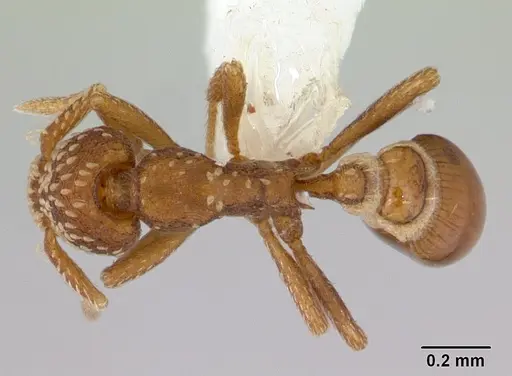
CASENT0178307
View on AntWeb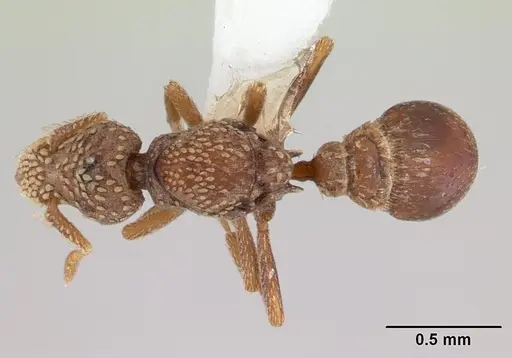
CASENT0217192
View on AntWeb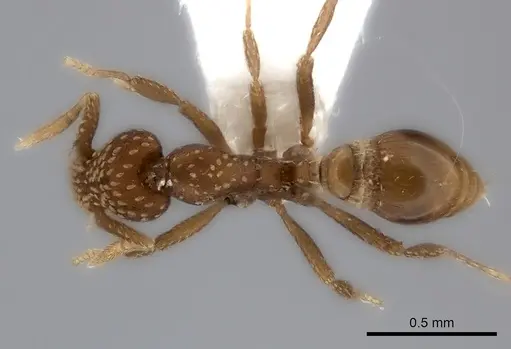
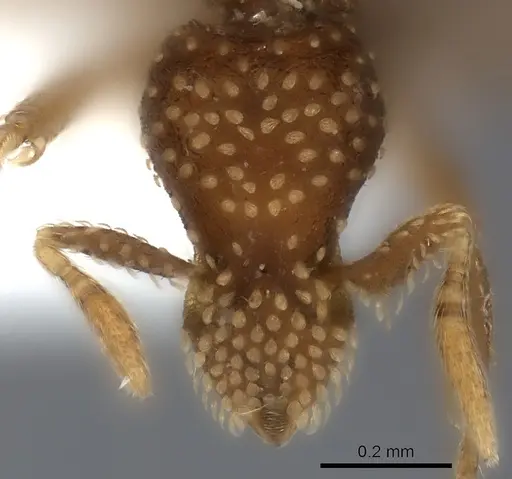
CASENT0358127
View on AntWeb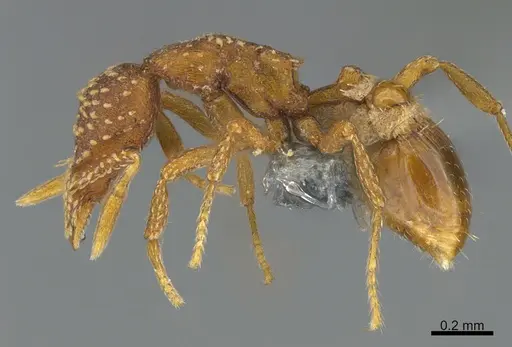
CASENT0358217
View on AntWeb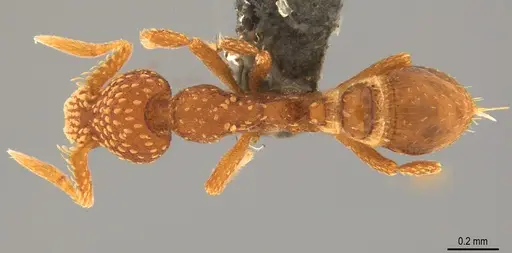
CASENT0747606
View on AntWeb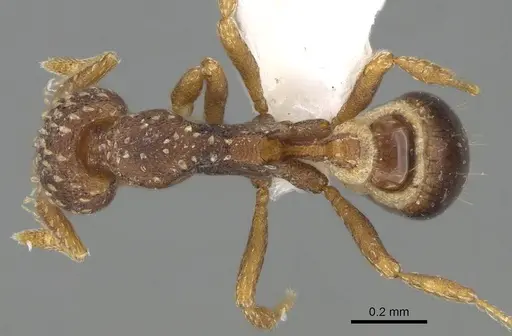
Literature
Loading...Loading products...