

Strumigenys cascanteae
- Scientific Name
- Strumigenys cascanteae
- Tribe
- Attini
- Subfamily
- Myrmicinae
- Author
- Longino, 2006
- Distribution
- Found in 1 countries
Strumigenys cascanteae Overview
Strumigenys cascanteae is an ant species of the genus Strumigenys. It is primarily documented in 1 countries , including Costa Rica. Detailed taxonomic data and occurrence records can be further explored via authoritative databases such as AntWeb or the Global Biodiversity Information Facility (GBIF).
Strumigenys cascanteae
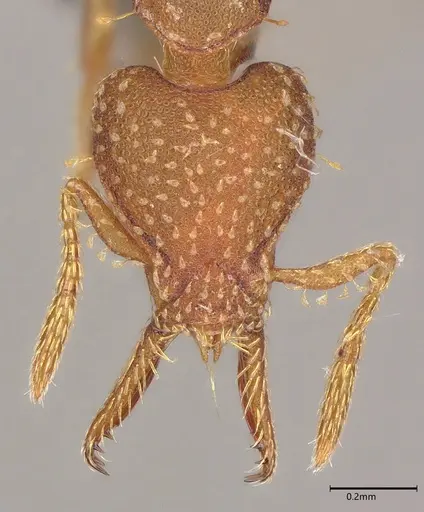
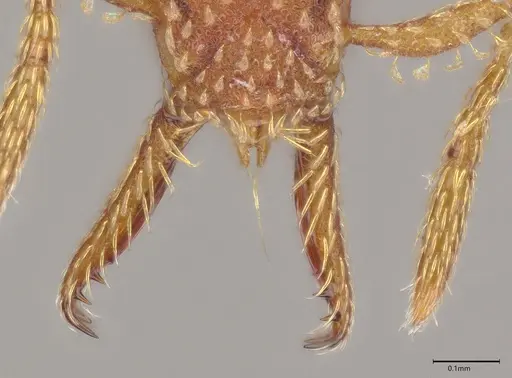
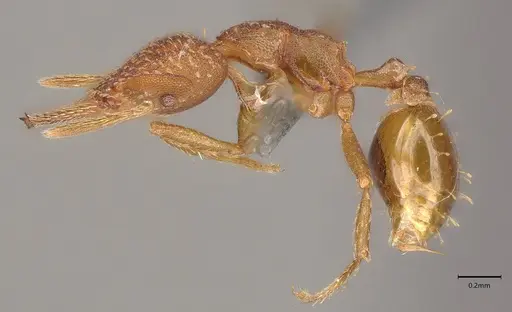
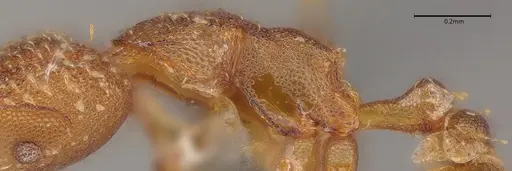
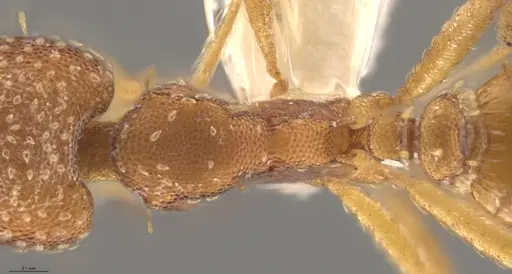
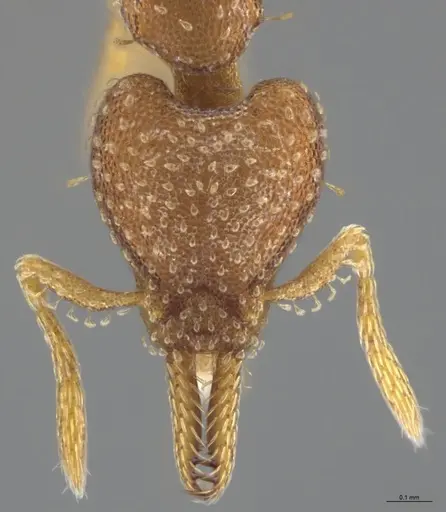
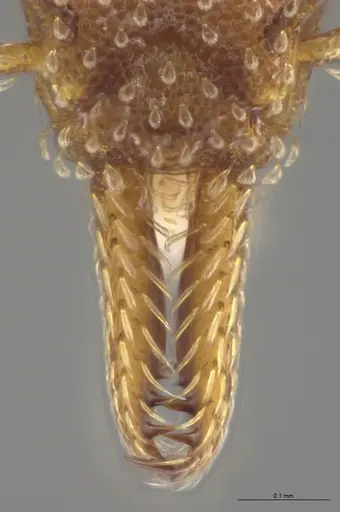
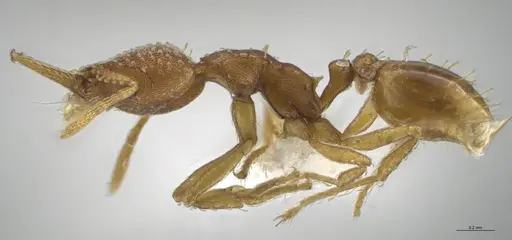
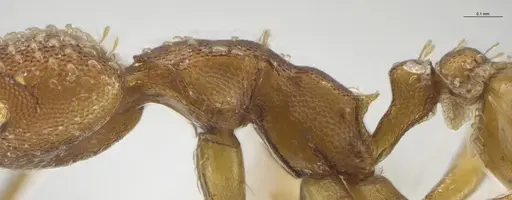
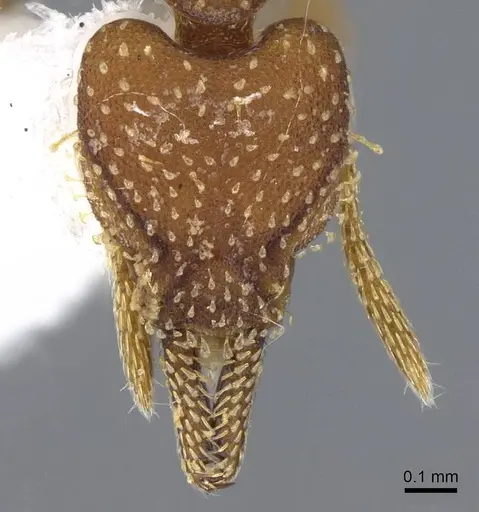
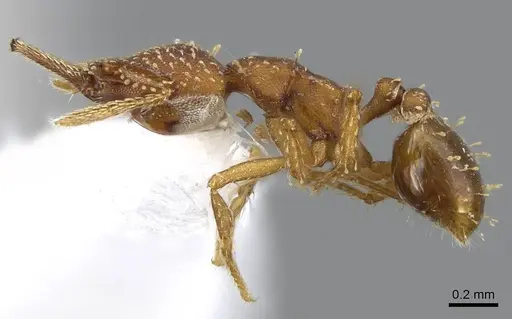
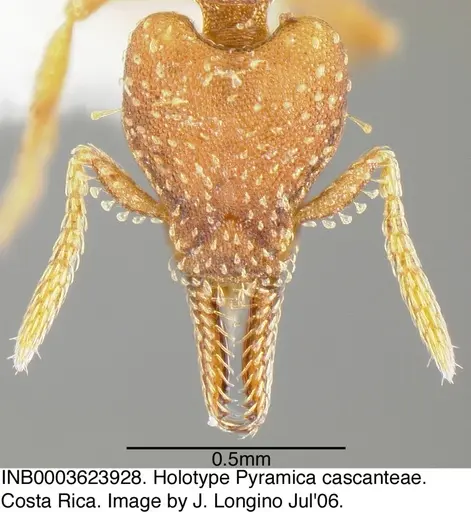
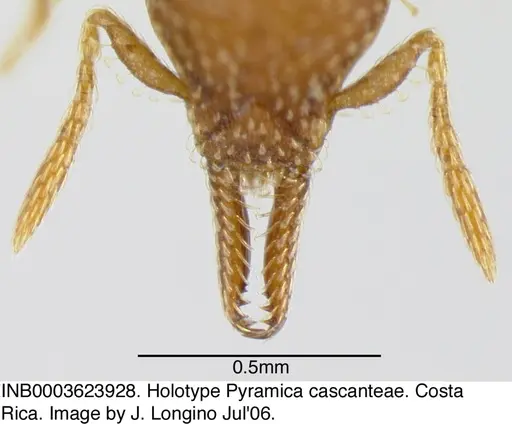
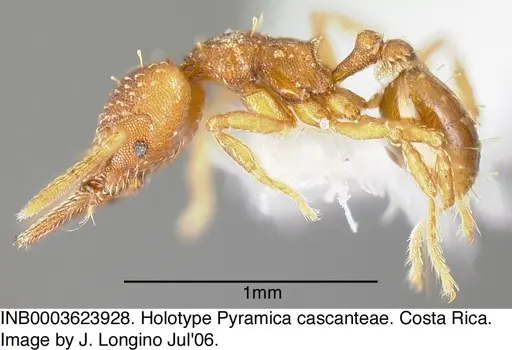
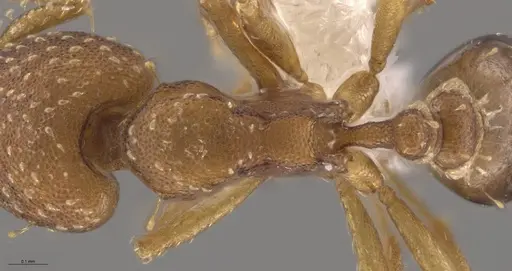
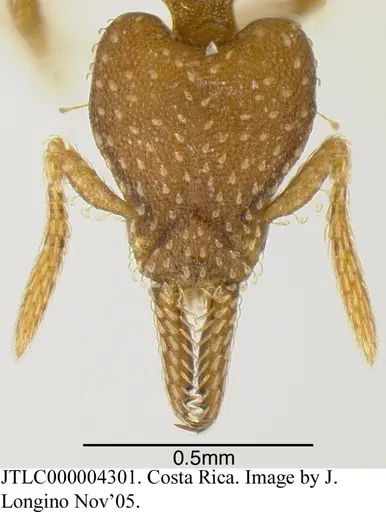
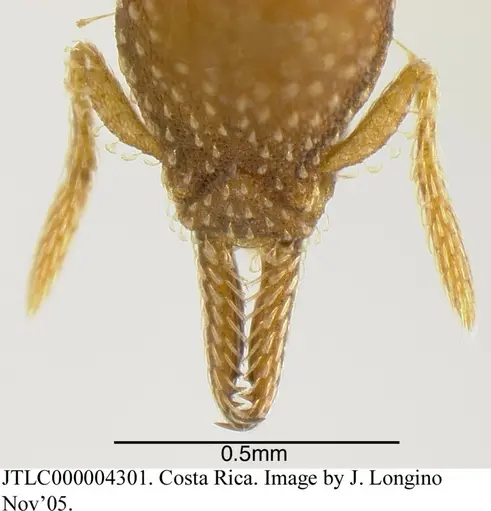
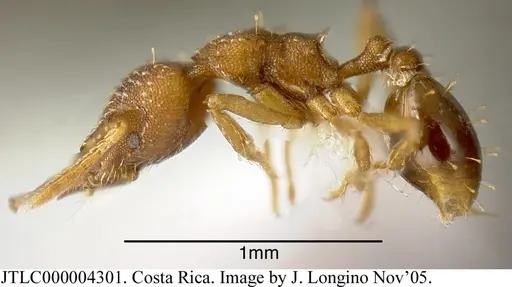
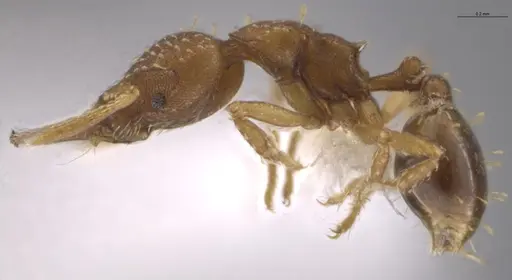
Strumigenys cascanteae is a tiny predatory ant native to the tropical rainforests of Costa Rica. Workers measure approximately 2.5mm in head width, making them one of the smaller ant species you'll encounter [1]. They belong to the dacetine ant group, known for their unusual trap-jaw mandibles that they use to capture prey [1]. The species was originally described as Strumigenys cascanteae before being reclassified to Strumigenys [1].
These ants are ground-dwelling predators that hunt springtails and other tiny arthropods in the leaf litter and epiphytic material of lowland tropical forests [2]. They prefer humid, shaded forest environments at elevations around 300 meters [1]. Their small size and specialized predatory lifestyle make them fascinating but challenging to keep.
Quick Summary
- Difficulty: Expert
- Origin & Habitat: Costa Rica, found in Braulio Carrillo National Park at 300m elevation and Arenal National Park. Inhabits tropical rainforest leaf litter and epiphytic material [1][2].
- Colony Type: Unknown colony structure, likely single-queen colonies based on typical Strumigenys patterns. Founding behavior is unconfirmed.
- Size & Growth:
- Queen: Unconfirmed, estimated slightly larger than workers (around 3mm) based on genus patterns
- Worker: Approximately 2.5mm head width (HW 0.530mm) [1]
- Colony: Unknown, likely small colonies of under 100 workers based on typical Strumigenys colony sizes
- Growth: Slow, unknown for this species, but typical Strumigenys grow slowly
- Development: Unknown, estimated 8-12 weeks based on related tropical Strumigenys species (Development timeline is unconfirmed for this species. Expect slow growth typical of predatory ants.)
- Antkeeping:
- Temperature: Keep at 24-27°C, these are tropical ants that need warm, stable temperatures. Avoid temperatures below 22°C
- Humidity: High humidity (70-85%), they come from humid rainforest environments. Keep substrate consistently moist but not waterlogged
- Diapause: No, as a tropical species, they do not require hibernation. Maintain warm conditions year-round
- Nesting: Prefers naturalistic setups with moist substrate. Y-tong or plaster nests with small chambers work well. They need tight, humid chambers scaled to their tiny size
- Behavior: Very docile and non-aggressive. These are specialized predators that hunt tiny springtails and other micro-arthropods. They are slow-moving and spend most of their time foraging in leaf litter. Escape risk is moderate, their small size means they can slip through small gaps, but they are not strong climbers. They rarely bite and pose no danger to keepers
- Common Issues: very small size makes escape prevention critical, use fine mesh and tight-fitting lids, specialized diet means they require live springtails or micro-prey, they cannot survive on sugar alone, slow growth and small colony sizes mean colonies develop slowly and may appear stagnant, high humidity requirements can lead to mold problems if ventilation is poor, wild-caught colonies may have parasites that are difficult to detect and treat
Housing and Nest Setup
Strumigenys cascanteae requires a setup that recreates the humid leaf litter environment of Costa Rican rainforests. A naturalistic setup with a moist substrate layer works best, use a mix of soil, leaf litter, and small pieces of wood or bark for them to forage through. The chamber should be small and tight-fitting to their tiny size. Y-tong (AAC) nests or plaster nests with small chambers also work well, provided you maintain high humidity. Place a water reservoir connected to the nest to keep moisture levels stable. Avoid tall, open spaces, these tiny ants feel secure in compact, enclosed spaces. Use excellent escape prevention: fine mesh on any ventilation holes and tight-fitting lids.
Feeding and Diet
This species is a specialized predator that requires live prey. Their primary food source in the wild is springtails and other tiny arthropods found in leaf litter. In captivity, you must provide live springtails, micro-arthropods, or very small insects. They will not accept sugar water or honey as a primary food source, their hunting behavior is obligate. Feed small prey items every 2-3 days, adjusting based on colony consumption. A well-fed colony will have workers actively hunting and patrolling. Do not overfeed, excess prey can mold and cause health problems. Some keepers report success with fruit flies as occasional prey, but springtails should form the bulk of their diet.
Temperature and Humidity
Maintain temperatures between 24-27°C year-round. These are tropical ants that do not tolerate cool conditions, temperatures below 22°C can slow their metabolism and reduce feeding activity. Use a gentle heat source if your room temperature is below this range, such as a heating cable on one side of the enclosure. Humidity should be high, around 70-85%. The substrate should feel consistently moist but never waterlogged. Mist occasionally, but rely on a water reservoir connected to the nest for stable humidity. Good ventilation is essential to prevent mold, but avoid excessive airflow that will dry them out. A layer of leaf litter in the setup helps maintain humidity and provides hunting grounds.
Colony Development
Strumigenys colonies typically grow slowly. The queen will seal herself in a small chamber during founding (likely claustral, though unconfirmed for this species) and raise her first workers on stored fat reserves. First workers, called nanitics, are often smaller than mature workers. Expect 8-12 weeks for the first workers to emerge, though this is estimated based on related species. Colonies remain small, even mature colonies likely have fewer than 100 workers. Growth is slow because each worker must be fed individually through predation. Do not disturb the founding chamber unnecessarily. Once workers emerge, they will begin hunting and the colony will gradually expand. Patience is essential with this species.
Behavior and Observation
These ants are fascinating to observe due to their unique hunting method. They use their trap-jaw mandibles to capture springtails, when prey triggers their sensory hairs, the mandibles snap shut in a fraction of a second. Workers are slow and methodical foragers rather than active hunters. They patrol leaf litter and wait for prey to trigger their traps. They are completely docile toward keepers and rarely attempt to bite. Their small size and cryptic behavior make them more of a observe-than-interact species. They do not form visible trails or large foraging swarms. Watch for workers carrying prey back to the nest, this indicates a healthy, hunting colony.
Frequently Asked Questions
Can I keep Strumigenys cascanteae in a test tube?
Test tubes are not ideal for this species. They require high humidity and a naturalistic hunting environment. A small naturalistic setup with moist substrate or a Y-tong nest with a water reservoir works much better. Test tubes dry out too quickly and don't provide space for hunting behavior.
What do Strumigenys cascanteae eat?
They are specialized predators that require live prey. Feed them live springtails as a primary food source. They will not accept sugar water or honey. Occasional small insects like fruit flies may be accepted, but springtails should form the bulk of their diet.
How long does it take for first workers to emerge?
The exact timeline is unconfirmed for this species. Based on related Strumigenys species, expect 8-12 weeks from egg to first worker at optimal temperature (24-27°C). Growth is slow, be patient.
Are Strumigenys cascanteae good for beginners?
No, this species is not recommended for beginners. They have very specific care requirements: high humidity, specialized live prey diet, and slow growth. They are best suited for experienced antkeepers who can provide consistent conditions and access to live springtail cultures.
How big do Strumigenys cascanteae colonies get?
Colony size is unconfirmed but likely remains small, probably under 100 workers at maturity. This is typical for Strumigenys species, which maintain small, specialized colonies rather than large swarms.
Do Strumigenys cascanteae need hibernation?
No, they do not require hibernation. As a tropical species from Costa Rica, they need warm conditions year-round. Maintain temperatures between 24-27°C throughout the year.
Why are my Strumigenys cascanteae dying?
Common causes include: temperature too low (below 22°C), humidity too low or too high (aim for 70-85% with stable moisture), lack of live prey (they must have springtails), and escape/stress from excessive disturbance. Check these parameters first and adjust accordingly.
When should I move Strumigenys cascanteae to a formicarium?
Wait until the colony has at least 20-30 workers before considering a formicarium. They do well in naturalistic setups and Y-tong nests. A formicarium is optional, what matters more is maintaining proper humidity and providing hunting space.
Can I keep multiple queens together?
This is unconfirmed for this species. Based on typical Strumigenys behavior, they likely have single-queen colonies. Do not attempt to combine unrelated queens, this is not recommended and has not been studied for this species.
References

This caresheet is licensed under CC BY-SA 4.0 .
CASENT0636148
View on AntWeb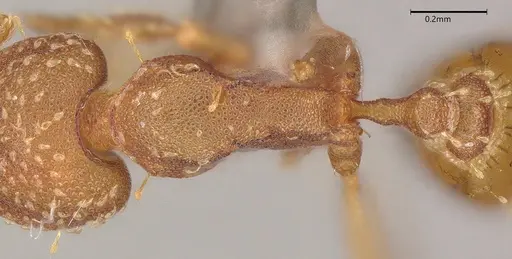
CASENT0637223
View on AntWeb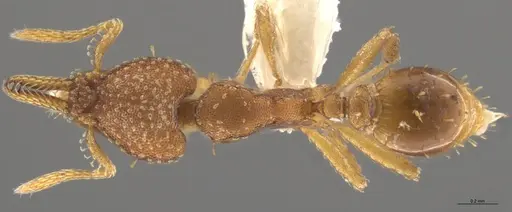
INB0003619741
View on AntWeb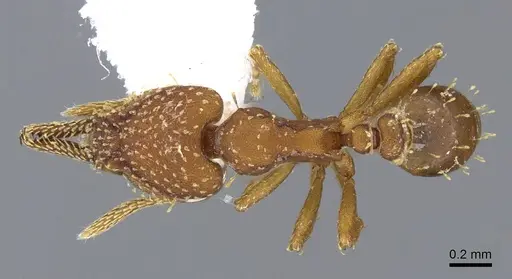
INB0003623928
View on AntWeb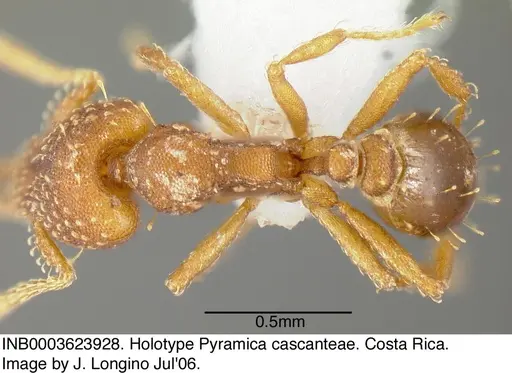
JTLC000004301
View on AntWeb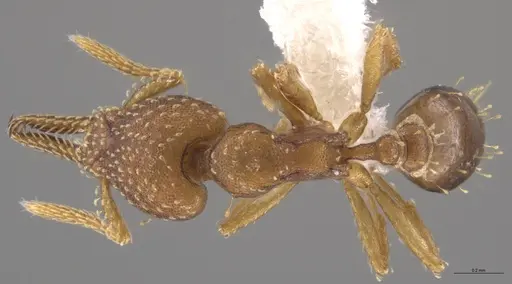
Literature
Loading...Loading products...