

Strumigenys carolinensis
- Scientific Name
- Strumigenys carolinensis
- Tribe
- Attini
- Subfamily
- Myrmicinae
- Author
- Brown, 1964
- Distribution
- Found in 1 countries
Strumigenys carolinensis Overview
Strumigenys carolinensis is an ant species of the genus Strumigenys. It is primarily documented in 1 countries , including United States of America. Detailed taxonomic data and occurrence records can be further explored via authoritative databases such as AntWeb or the Global Biodiversity Information Facility (GBIF).
Strumigenys carolinensis
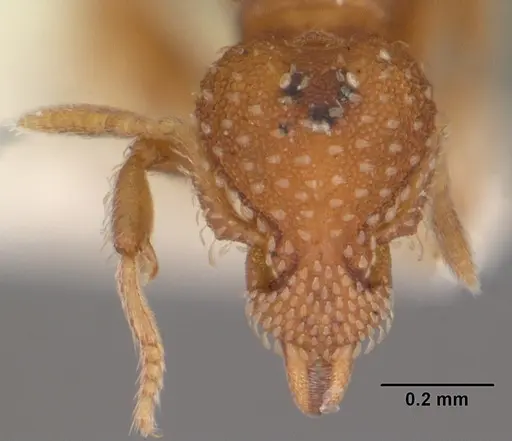
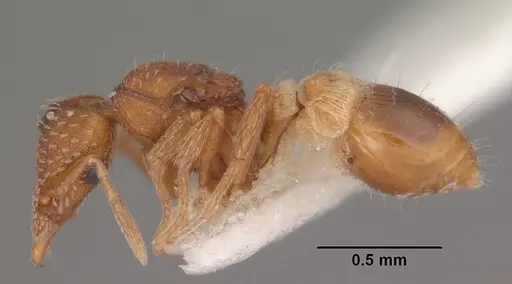
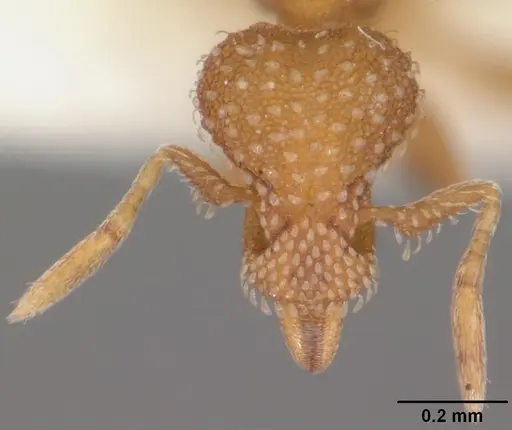
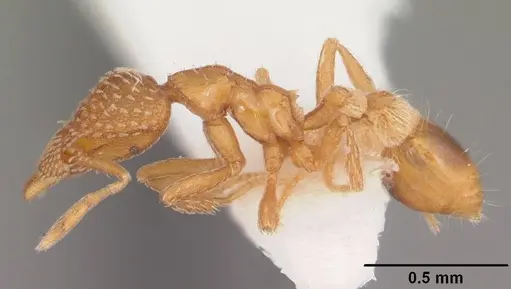
Strumigenys carolinensis is a tiny trap-jaw ant native to the southeastern United States, specifically found in South Carolina and North Carolina [1]. Workers are minute, measuring only 2-3mm, with the characteristic trap-jaw mandibles that give Strumigenys their common name. These ants have a distinctive appearance with a pear-shaped head and highly specialized mandibles capable of snapping shut in milliseconds to capture prey. The genus is known for their cryptobiotic lifestyle, they hide in dark, humid microhabitats and hunt small arthropods like springtails using their spring-loaded jaws.
Quick Summary
- Difficulty: Hard
- Origin & Habitat: Southeastern United States (South Carolina, North Carolina), found in damp, shaded forest habitats [1]. These ants live in humid microhabitats under leaf litter, in rotting wood, or soil cavities.
- Colony Type: Likely monogyne (single queen) based on typical Strumigenys colony structure. Colonies are small, typically under 100 workers.
- Colony: Monogyne
- Founding: Claustral
- Size & Growth:
- Queen: Estimated 3-4mm based on genus patterns
- Worker: 2-3mm based on genus patterns
- Colony: Likely under 100 workers based on typical Strumigenys colony sizes
- Growth: Slow
- Development: Estimated 8-12 weeks based on related Strumigenys species at optimal temperature (Growth is slow, expect several months from founding to first workers. This is typical for trap-jaw ants.)
- Antkeeping:
- Temperature: Keep around 20-24°C. They prefer stable, moderate temperatures typical of forest floor microhabitats.
- Humidity: High humidity is essential, aim for 70-80%. Keep the nest substrate consistently moist but not waterlogged. These ants dry out easily.
- Diapause: Likely requires a mild winter rest period (6-8 weeks at 10-15°C) based on temperate origin
- Nesting: Provide a humid nest with small chambers. Y-tong nests or moist test tube setups work well. They prefer dark, confined spaces.
- Behavior: These ants are shy and non-aggressive. They are slow-moving and spend most of their time hidden in the nest. Workers hunt using their trap-jaw mandibles to capture small live prey. Escape prevention is critical due to their tiny size, they can squeeze through standard barrier gaps.
- Common Issues: escape prevention is critical, they are tiny and squeeze through the smallest gaps, colonies grow very slowly, which can frustrate beginners, they require live springtail prey, without this they will starve, high humidity needs make them prone to mold issues if ventilation is poor, wild-caught colonies may have parasites that kill them in captivity
Housing and Nest Setup
Strumigenys carolinensis needs a humid, dark environment. A Y-tong (AAC) nest with small chambers works well, or you can use a moist test tube setup. The key is maintaining high humidity without letting the nest become waterlogged. Place the nest in a dark area or cover it to reduce light exposure, these ants are cryptobiotic and prefer darkness. The outworld should be small since colonies stay small, and use a fine mesh barrier since they are tiny escape artists.
Feeding and Diet
These ants are specialized predators that need live small prey. Springtails are the ideal food, they are the right size and provide proper nutrition. You can culture your own springtail colony to ensure a constant supply. Other small live prey like micro-arthropods may be accepted, but springtails should form the staple diet. Do not rely on sugar water or honey, Strumigenys are carnivorous and will not accept sugary liquids. Feed every few days, removing any uneaten prey to prevent mold.
Temperature and Seasonal Care
Keep the nest at room temperature, ideally 20-24°C. They prefer stable conditions without major temperature swings. Since they originate from the southeastern US temperate region, they benefit from a mild winter rest period. Reduce temperature to 10-15°C for 6-8 weeks during winter months. This mimics their natural seasonal cycle and helps maintain colony health. Do not cool suddenly, reduce temperature gradually over 1-2 weeks.
Colony Development
Expect slow growth. Founding colonies may take 3-6 months to produce their first workers (nanitics). The queen seals herself in a small chamber and raises the first brood alone on her stored fat reserves. Once workers emerge, the colony grows gradually. Strumigenys colonies typically max out at under 100 workers, so you will not see the large colonies common in other genera. Patience is essential, do not disturb the founding chamber or overfeed.
Handling and Temperament
These ants are completely non-aggressive and will not sting. Their trap-jaw mandibles are designed for hunting tiny prey, not defense. They are shy and will retreat when disturbed. The main concern is preventing escapes, their tiny size means they can slip through gaps that other ants cannot. Use fluon on test tube rims and ensure all connections are sealed. They are not suitable for observation nests where you want to watch active foraging.
Frequently Asked Questions
How long does it take for Strumigenys carolinensis to produce first workers?
Expect 3-6 months from founding to first workers. This is slow compared to many ants, so patience is essential.
What do Strumigenys carolinensis eat?
They need live springtails or other tiny live prey. They are specialized predators and will not accept sugar water or dead food.
Can I keep Strumigenys carolinensis in a test tube?
Yes, a moist test tube setup works well for founding colonies. Ensure the cotton is packed firmly and use fluon as an escape barrier.
How big do Strumigenys carolinensis colonies get?
Colonies typically reach 50-100 workers. They remain small compared to most ant species.
Do Strumigenys carolinensis need hibernation?
Yes, a mild winter rest at 10-15°C for 6-8 weeks is recommended. Reduce temperature gradually in autumn.
Are Strumigenys carolinensis good for beginners?
No, they are difficult to keep. They require live springtail prey, high humidity, and have very slow growth. They are best suited for experienced antkeepers.
Why are my Strumigenys carolinensis dying?
Common causes include: lack of live springtail prey (they will starve without it), low humidity (they dry out easily), escape (check all barriers), or parasites from wild-caught colonies.
When should I move Strumigenys carolinensis to a formicarium?
Only move when the colony reaches 30+ workers and the test tube becomes crowded. They prefer small spaces and do not need large formicaria.
What temperature is ideal for Strumigenys carolinensis?
Keep them at 20-24°C. Room temperature is usually suitable. Avoid temperatures above 28°C or below 15°C.
References

This caresheet is licensed under CC BY-SA 4.0 .
CASENT0104340
View on AntWeb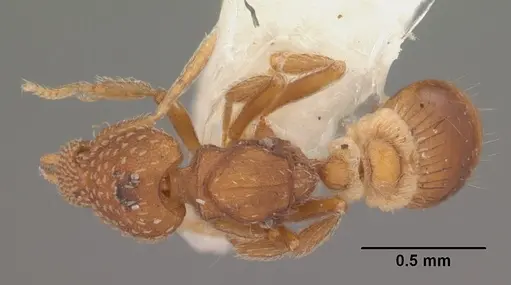
CASENT0104341
View on AntWeb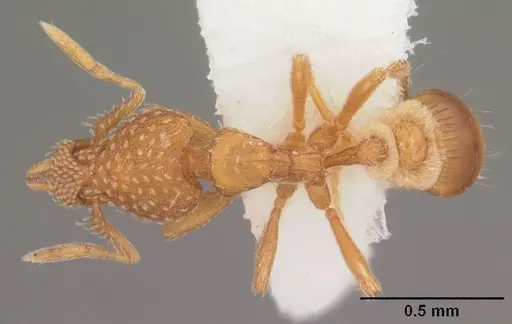
Literature
Loading...Loading products...