

Strumigenys carolinae
- Scientific Name
- Strumigenys carolinae
- Tribe
- Attini
- Subfamily
- Myrmicinae
- Author
- Fisher, 2000
- Distribution
- Found in 1 countries
Strumigenys carolinae Overview
Strumigenys carolinae is an ant species of the genus Strumigenys. It is primarily documented in 1 countries , including Madagascar. Detailed taxonomic data and occurrence records can be further explored via authoritative databases such as AntWeb or the Global Biodiversity Information Facility (GBIF).
Strumigenys carolinae
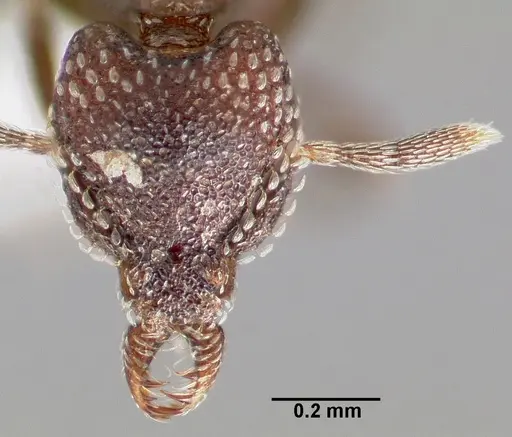
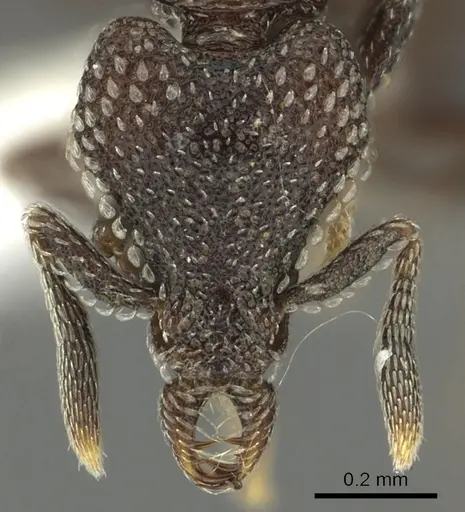
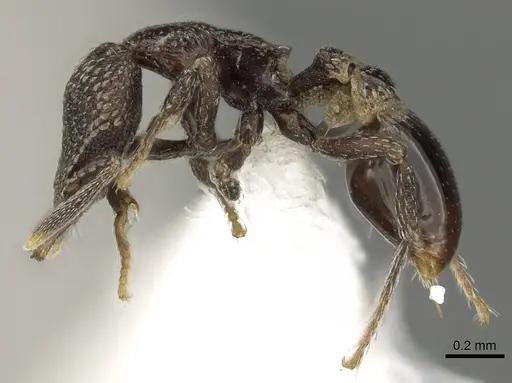
Strumigenys carolinae is a tiny predatory ant native to Madagascar. Workers measure just 2-3mm, with a distinctive elongated head and extremely fast-acting trap-jaw mandibles designed for catching small prey like springtails [1]. These ants are pale yellow to light brown with a characteristic slender appearance. In the wild, they live in leaf litter and rotting wood in humid forest habitats, typically found at elevations between 400m and 1580m in Madagascar [1]. Their colony sizes remain small, usually under 100 workers.
What makes Strumigenys special is their hunting strategy, they have some of the fastest predatory strikes in the ant world. Their trap-jaw mandibles can snap shut in milliseconds to capture prey too quick for most ants to catch. Unlike many ants, they are specialized predators that rarely if ever eat sugar sources, focusing entirely on small live prey.
Quick Summary
- Difficulty: Medium
- Origin & Habitat: Madagascar, found in humid forest leaf litter at elevations from 400m to 1580m [1]
- Colony Type: Likely monogyne (single queen) based on typical Strumigenys patterns. Colony size small, typically under 100 workers.
- Colony: Monogyne
- Founding: Claustral
- Size & Growth:
- Queen: Estimated 3-4mm based on genus patterns
- Worker: 2-3mm [1]
- Colony: Likely under 100 workers based on typical genus behavior
- Growth: Slow, these are tiny ants with small colonies
- Development: Estimated 4-8 weeks at optimal temperature based on related species (Development times are inferred from genus patterns, specific data for this species is unavailable)
- Antkeeping:
- Temperature: Keep around 22-26°C. They adapt to typical room temperature but prefer warmth.
- Humidity: High humidity is essential, think damp forest floor. Keep the nest substrate consistently moist but not waterlogged.
- Diapause: Unlikely needed, Madagascar species typically don't enter true diapause. They may slow down slightly in cooler months.
- Nesting: Y-tong (AAC) nests or test tubes work well. They prefer tight, humid chambers. Avoid dry environments.
- Behavior: Peaceful toward humans, they cannot sting and rarely bite. Escape risk is moderate due to their small size, use standard barriers. They are specialized predators that ignore sugar entirely. Foraging is done individually, hunting springtails and other micro-prey.
- Common Issues: slow growth can frustrate beginners, colonies stay small for months, they refuse sugar and protein sources other than live prey, feeding can be challenging, high humidity requirements make mold a constant threat, tiny size means escape prevention must be good even though they're not aggressive, wild-caught colonies may have parasites that are difficult to detect
Housing and Nest Setup
Strumigenys carolinae does well in small setups scaled to their tiny size. A test tube setup works for founding colonies, while more established colonies do well in Y-tong (AAC) nests with tight chambers. The key is humidity, these ants come from damp forest leaf litter in Madagascar, so the nest substrate should stay consistently moist but never waterlogged [1]. A small water reservoir connected to the nest helps maintain humidity. Avoid dry formicarium setups, these ants will struggle and may abandon chambers that get too dry. Because they're so small, even standard test tube setups need to be monitored closely for moisture levels.
Feeding and Diet
This is the most challenging aspect of keeping Strumigenys. They are specialized predators that focus almost entirely on springtails and other tiny live prey. Unlike many ants, they do not typically accept sugar water, honey, or fruit. Their trap-jaw mandibles are specifically adapted for catching small, fast-moving prey, they simply aren't set up to handle larger insects or sweet liquids. Feed small live springtails regularly, this should be their primary food source. You can also offer other tiny arthropods like booklice or fruit fly larvae, but springtails are ideal. Some keepers report success with tiny pieces of mealworm or other small protein sources, but live prey is always safest. Feed every few days, removing any uneaten prey within 24 hours.
Temperature and Seasonal Care
Keep your colony at room temperature or slightly warm, around 22-26°C. This matches their natural range in Madagascar's humid forests. They don't require heating in most homes, but if your room runs cool, a gentle heat gradient can help. Unlike temperate species, these ants likely don't need a true diapause period. However, they may show reduced activity during cooler months, this is normal and they should bounce back when temperatures warm. The main concern is avoiding temperature extremes in either direction. Stable, moderate warmth is better than fluctuations.
Behavior and Colony Dynamics
Strumigenys colonies stay small, typically under 100 workers even in established nests. This is normal for the genus and reflects their specialized hunting strategy. Workers are solitary hunters, patrolling the nest area and surrounding space individually rather than forming foraging trails. Their famous trap-jaw mechanism allows them to catch prey that would escape larger ants. Despite their predatory nature, they are completely harmless to humans, they cannot sting and their bite is negligible. The main behavioral concern is their small size making them prone to escaping through gaps that larger ants couldn't fit through. Standard barrier methods work fine, but inspect your setup carefully.
Frequently Asked Questions
Can I keep Strumigenys carolinae in a test tube?
Yes, test tubes work well for founding colonies. Keep the water reservoir small and maintain high humidity around the tube. However, monitor moisture carefully, these ants need damp conditions but sitting water can drown them.
How long until Strumigenys carolinae has first workers?
Based on related Strumimenys species, expect first workers (nanitics) around 4-8 weeks after the queen lays eggs, assuming optimal temperature and humidity. Growth is slow, be patient.
What do Strumigenys carolinae eat?
They eat almost exclusively live springtails and other tiny arthropods. They do not accept sugar sources. This makes them one of the more challenging ants to feed, you may need to culture your own springtail colony.
Are Strumigenys carolinae good for beginners?
They are intermediate difficulty. The main challenges are their specialized diet (live prey only) and high humidity needs. If you're prepared to culture springtails, they can be rewarding.
How big do Strumigenys carolinae colonies get?
Colonies stay small, typically under 100 workers even when mature. This is normal for the genus, not a sign of poor care.
Do Strumigenys carolinae need hibernation?
No, they don't require hibernation. As a Madagascar species, they aren't adapted to cold winters. Just keep them at stable room temperature year-round.
Why are my Strumigenys carolinae dying?
The most common causes are: too dry conditions (they need high humidity), feeding wrong foods (they need live springtails, not sugar), or stress from disturbance. Check your humidity levels first.
When should I move Strumigenys carolinae to a formicarium?
Wait until the colony has at least 20-30 workers and is actively foraging. Moving too early can stress the queen. A Y-tong or similar small-nest setup works better than large formicariums for these tiny ants.
Can I keep multiple Strumigenys carolinae queens together?
This hasn't been studied for this species. Based on typical Strumigenys behavior, single-queen colonies are most common. Combining unrelated queens is not recommended.
References

This caresheet is licensed under CC BY-SA 4.0 .
CASENT0005500
View on AntWeb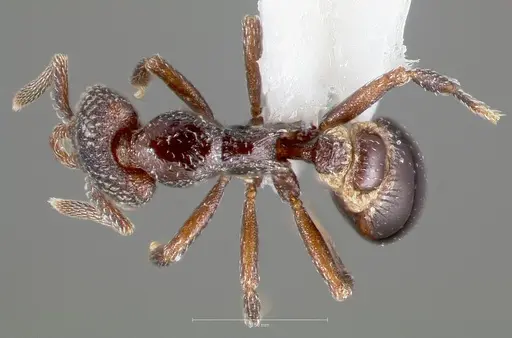
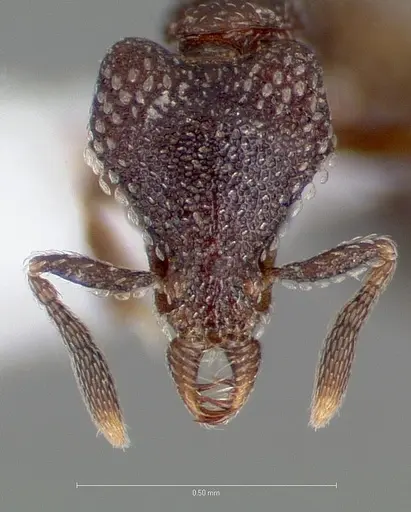
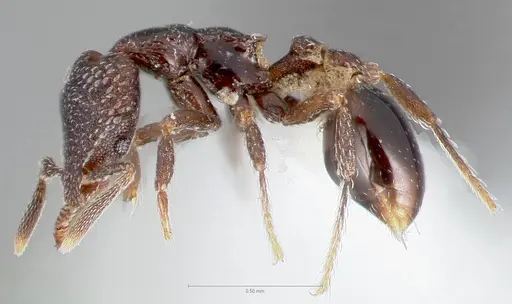
CASENT0005502
View on AntWeb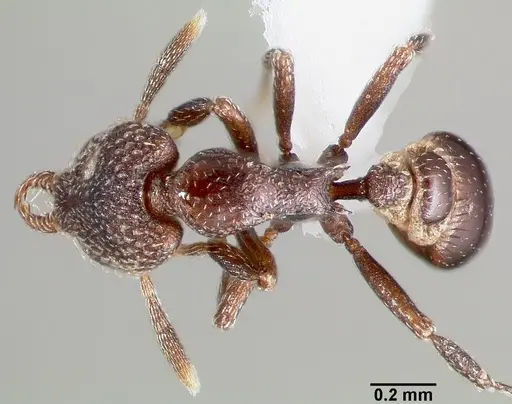
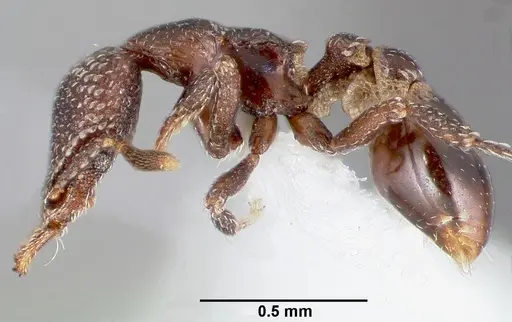
CASENT0005503
View on AntWeb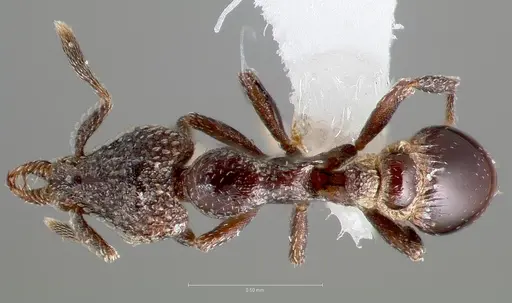
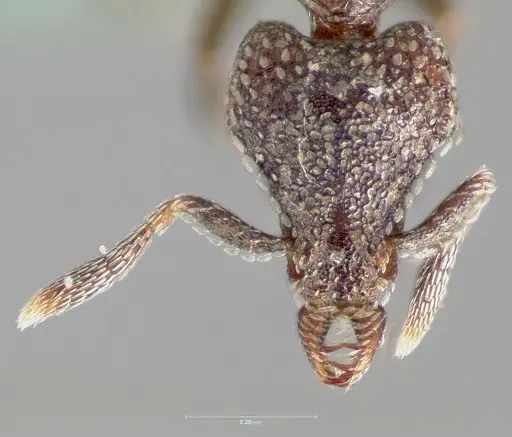
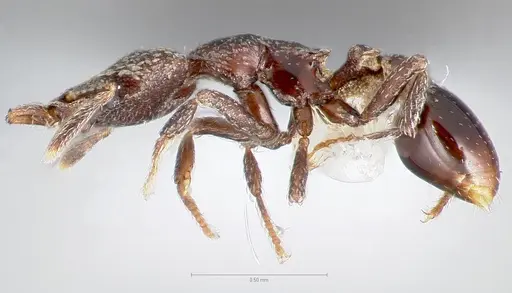
CASENT0005504
View on AntWeb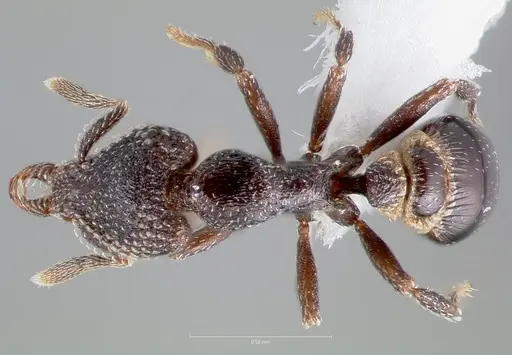
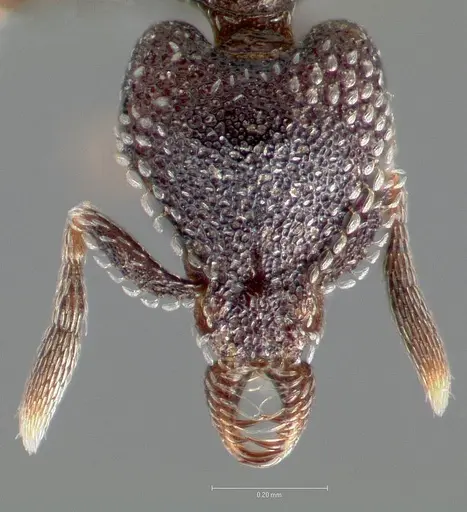
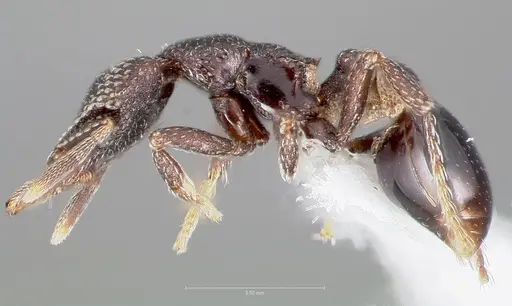
CASENT0900689
View on AntWeb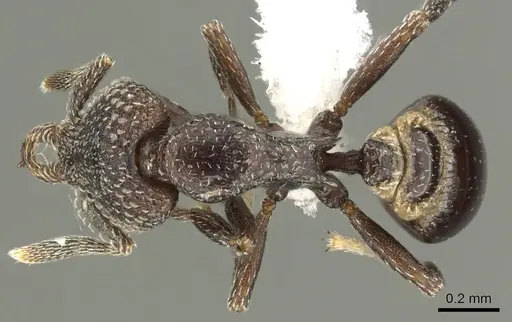
Literature
Loading...Loading products...