

Strumigenys canina
- Scientific Name
- Strumigenys canina
- Tribe
- Attini
- Subfamily
- Myrmicinae
- Author
- Brown & Boisvert, 1979
- Distribution
- Found in 4 countries
Strumigenys canina Overview
Strumigenys canina is an ant species of the genus Strumigenys. It is primarily documented in 4 countries , including China, Hong Kong, Japan. Detailed taxonomic data and occurrence records can be further explored via authoritative databases such as AntWeb or the Global Biodiversity Information Facility (GBIF).
Strumigenys canina
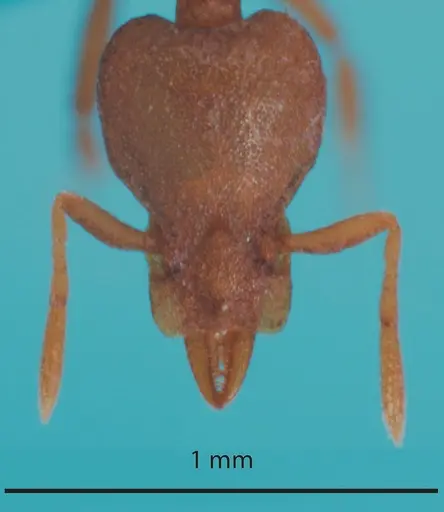
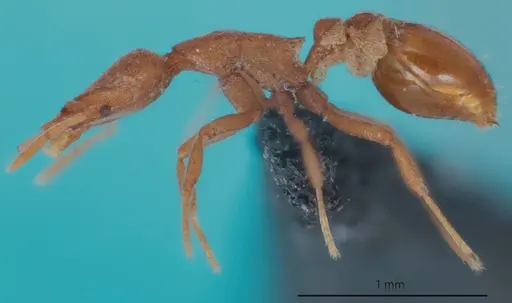
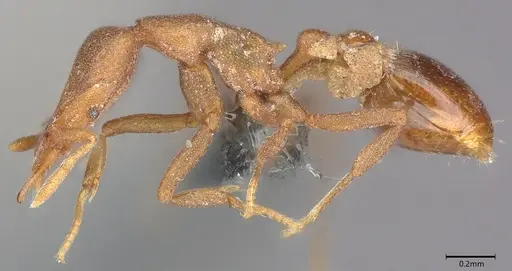
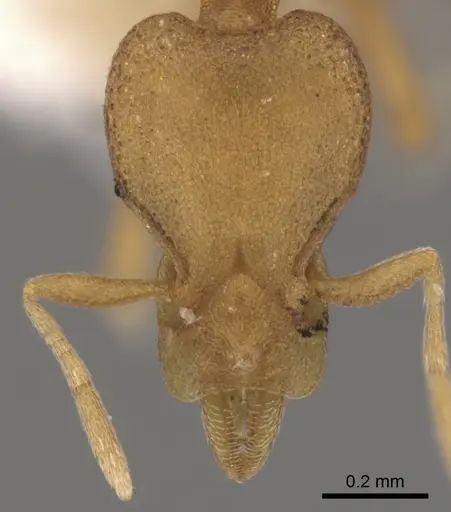
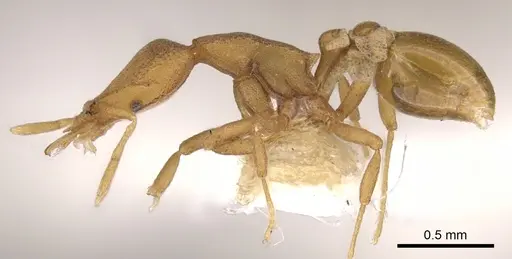
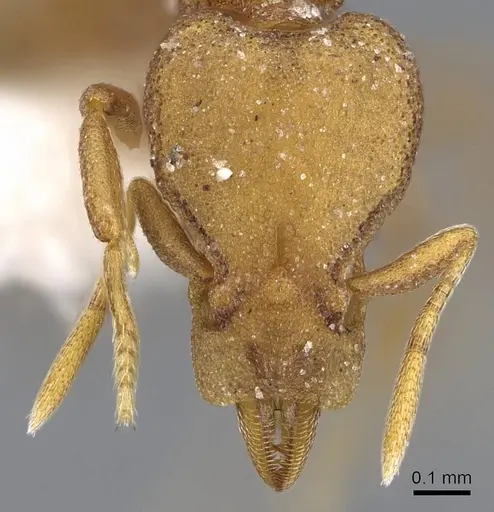
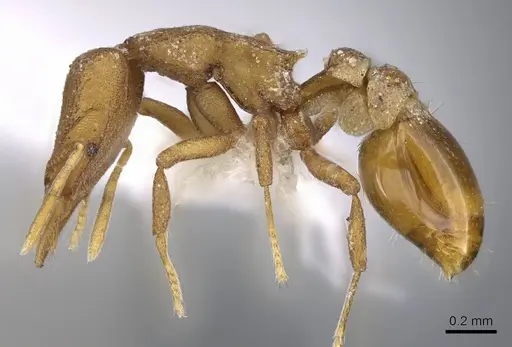
Strumigenys canina is a small predatory ant measuring 2-3mm, easily recognized by its relatively long narrow mandibles compared to other Strumigenys species. The fifth tooth from the base of the mandible is notably the longest and broadest, visible even when the mandibles are fully closed. This species belongs to the Strumigenys sauteri group and is one of the most common Strumigenys species in Hong Kong, where it has been collected from diverse habitats including roadsides, shrubland, tree plantations, bamboo forest, and secondary forests [1]. In Japan, it is considered rare but has been found in moist decaying wood within evergreen broadleaf forests [2]. The colony structure appears to be polygynous, with one sample containing 149 workers and 3 queens [1].
Quick Summary
- Difficulty: Medium
- Origin & Habitat: Native to East Asia including Japan, South Korea, mainland China (including Hainan, Hong Kong, Macau, Taiwan), and northern Vietnam. Found in primary and secondary forests, rubber plantations, and tree-lined areas from 29m up to 1000m elevation [1][3][4].
- Colony Type: Polygynous, colonies contain multiple queens. One documented colony had 3 queens along with 149 workers,24 alate gynes, and 1 male [1].
- Colony: Polygyne
- Founding: Claustral
- Size & Growth:
- Queen: Estimated 3-4mm based on genus Strumigenys patterns
- Worker: 2-3mm [5]
- Colony: At least 149 workers documented in a single colony, likely larger in established colonies [1]
- Growth: Slow, Strumigenys are slow-growing ants
- Development: Estimated 8-12 weeks based on genus patterns for short-mandibulate Strumigenys (Development is slow, colonies grow gradually. First workers (nanitics) will be smaller than mature workers.)
- Antkeeping:
- Temperature: Keep at 22-26°C, this species prefers warm, stable conditions typical of its subtropical to tropical range. A gentle heating gradient allows ants to thermoregulate.
- Humidity: High humidity required, aim for 70-85%. These ants come from moist forest environments and need consistently damp substrate. Keep the nest area noticeably humid.
- Diapause: Likely no true diapause given the subtropical/tropical distribution, but may show reduced activity in cooler months. Maintain stable temperatures year-round.
- Nesting: Prefers moist decaying wood in nature. In captivity, a naturalistic setup with damp soil/plaster works well, or a Y-tong nest with moisture chambers. Avoid dry conditions.
- Behavior: Strumigenys canina is a specialized predator that uses its short mandibles to capture small prey, primarily springtails and other micro-arthropods. Workers are slow-moving and forage individually. They are not aggressive and pose no threat to humans. Due to their tiny size, escape prevention is critical, use fine mesh barriers. The species exhibits unique behaviors including body smearing behavior documented by Masuko (1984).
- Common Issues: escape prevention is critical due to tiny 2-3mm size, they can slip through standard barriers, slow growth means colonies take months to establish, avoid overchecking or disturbing founding colonies, requires live prey (springtails), will not thrive on sugar alone or large prey items, high humidity is essential, dry conditions cause colony decline and death, wild-caught colonies may contain parasites that can devastate captive colonies
Housing and Nest Setup
Strumigenys canina requires high humidity and works well in naturalistic setups with damp substrate. A Y-tong (acrylic) nest with moisture chambers works well, or you can use a naturalistic setup with flat stones placed on damp soil. The key is maintaining consistently moist (but not waterlogged) conditions throughout the nest area. These ants naturally nest in moist decaying wood, so incorporating some rotten wood pieces into the setup mimics their natural environment. Because they are tiny (2-3mm), ensure all connections between the nest and outworld are narrow and use fine mesh on any barriers. A small water tube connected to the nest helps maintain humidity. [1][2]
Feeding and Diet
This species is a specialized predator that hunts small arthropods. In captivity, their primary food should be live springtails, these are the ideal prey item and what they would eat in the wild. Other small live prey like booklice, dust mites, and fruit flies may also be accepted. Strumigenys have short mandibles designed for precision hunting of tiny prey, so avoid offering large insects or chunks of protein. They do not typically scavenge and will ignore dead prey that is too large. Sugar sources are generally not accepted, these are strict predators. Feed small amounts of live prey every few days, removing any uneaten prey after 24 hours. [1]
Temperature and Care
Keep your colony at 22-26°C for optimal health and development. This species comes from warm subtropical to tropical regions in East Asia, so they do not tolerate cool temperatures. A heating cable on one side of the nest can create a temperature gradient, allowing the ants to choose their preferred zone. Room temperature within this range is acceptable. Avoid temperature fluctuations and keep the colony away from air conditioning vents or cold windows. Stable warmth is more important than exact temperature precision. [3][1]
Behavior and Temperament
Strumigenys canina workers are slow-moving and forage individually rather than in groups. They are not aggressive and will flee from disturbance rather than attack. The species is known for its unique 'body smearing behavior' documented in research. Workers have specialized glands that produce substances used in their hunting and possibly communication. Because they are so small, they are easily overlooked but are fascinating to watch when hunting. They pose no danger to humans and cannot sting. Their tiny size means they can escape through gaps that seem impossibly small, always use fine mesh (at least 0.3mm) for any barrier. [1][5]
Colony Development
Colonies appear to be polygynous, meaning they contain multiple queens. One documented colony had 3 queens along with 149 workers,24 alate gynes, and 1 male, suggesting this species naturally maintains multiple reproductive queens [1]. Growth is slow, Strumigenys are not fast-growing ants. A founding queen will take several months to produce her first workers (nanitics), and the colony will grow gradually from there. Be patient with founding colonies and avoid disturbing them too often. Queens areclaustral, meaning they seal themselves in a chamber and raise the first brood using stored fat reserves without leaving to forage.
Seasonal Care and Nuptial Flights
In Hong Kong, alates (reproductive males and females) have been collected via malaise trapping from mid-June to mid-July, suggesting nuptial flights occur during the summer months [1]. In Japan, colonies show activity year-round with workers collected in various months, though more frequently in warmer seasons [2]. Given their subtropical distribution, they likely do not require a true hibernation period. Maintain stable temperatures throughout the year and do not allow the nest to cool significantly in winter. The colony may show slightly reduced activity in cooler months but should remain active if kept warm.
Frequently Asked Questions
Can I keep Strumigenys canina in a test tube?
A test tube can work for a founding queen, but these ants need high humidity that can be difficult to maintain in a simple test tube setup. A naturalistic setup with damp substrate or a Y-tong nest with moisture chambers is more suitable for established colonies. If using a test tube, ensure the water reservoir is adequate and consider wrapping the tube in damp material to maintain humidity.
How long does it take for Strumigenys canina to produce first workers?
Expect 8-12 weeks from egg to first worker at optimal temperature (22-26°C). Development is slow, and the first workers (nanitics) will be smaller than mature workers. Be patient with founding colonies, disturbing them too often can cause queens to abandon or eat their brood.
What do Strumigenys canina ants eat?
They are strict predators that need live small prey. Feed them live springtails as their primary food, this is the ideal prey size for their short mandibles. Other small live prey like booklice, dust mites, and fruit flies may be accepted. They will not eat sugar, honey, or large insects. Do not offer dead prey or large food items.
Are Strumigenys canina good for beginners?
This species is rated as medium difficulty. While fascinating to keep, they have specific requirements: high humidity, warm temperatures, and a diet of live springtails. They also grow slowly, which can be frustrating for beginners wanting rapid colony growth. If you are committed to maintaining proper humidity and can source live springtails, they can be rewarding.
How big do Strumigenys canina colonies get?
Colonies can reach at least 150 workers based on documented samples, and likely grow larger in established colonies. They are polygynous, meaning multiple queens coexist in the colony, which supports larger colony sizes. Growth is slow, so reaching large numbers takes time.
Do Strumigenys canina need hibernation?
No, they do not require hibernation. As a subtropical species from East Asia, they prefer consistent warmth year-round. Keep temperatures stable at 22-26°C. They may show slightly reduced activity in cooler months but should remain active if kept warm.
Why are my Strumigenys canina dying?
Common causes include: low humidity (keep substrate noticeably damp), too cold (maintain 22-26°C), wrong food (they need live springtails, not dead prey or sugar), and escape-related losses (they are tiny and squeeze through small gaps). Also check for parasites if the colony was wild-caught. Review each of these factors and adjust accordingly.
When should I move my colony to a formicarium?
Wait until the colony has at least 20-30 workers before moving to a larger setup. Moving too early can stress the colony. Ensure the new setup can maintain high humidity, naturalistic setups or Y-tong nests with moisture chambers work well. The outworld should be escape-proof with fine mesh barriers.
Can I keep multiple queens together?
Yes, this species is naturally polygynous with multiple queens per colony. Documented colonies have had 3 queens, and they coexist peacefully. Introducing unrelated queens to an established colony may still carry some risk, but they are more likely to accept additional queens than strictly monogyne species.
References

This caresheet is licensed under CC BY-SA 4.0 .
ANTWEB1048550
View on AntWeb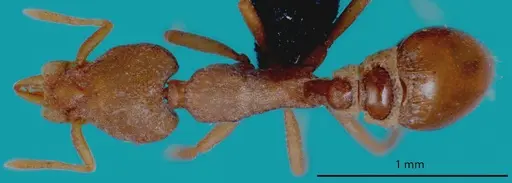
CASENT0728835
View on AntWeb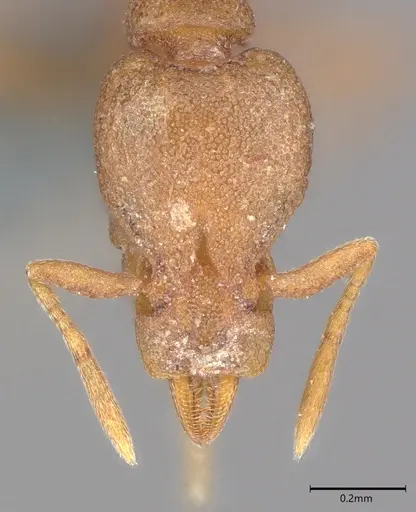
CASENT0900124
View on AntWeb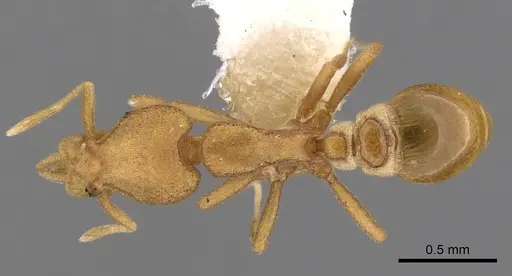
CASENT0914622
View on AntWeb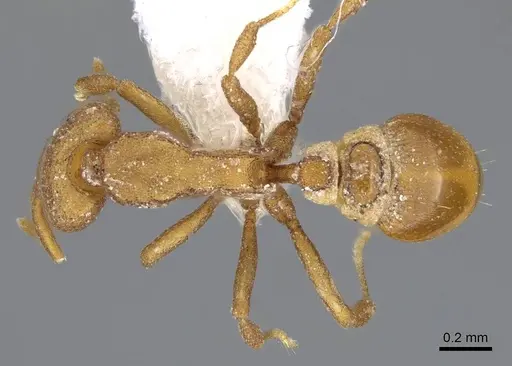
Literature
Loading...Loading products...