

Strumigenys calamita
- Scientific Name
- Strumigenys calamita
- Tribe
- Attini
- Subfamily
- Myrmicinae
- Author
- Bolton, 2000
- Distribution
- Found in 1 countries
Strumigenys calamita Overview
Strumigenys calamita is an ant species of the genus Strumigenys. It is primarily documented in 1 countries , including Costa Rica. Detailed taxonomic data and occurrence records can be further explored via authoritative databases such as AntWeb or the Global Biodiversity Information Facility (GBIF).
Strumigenys calamita
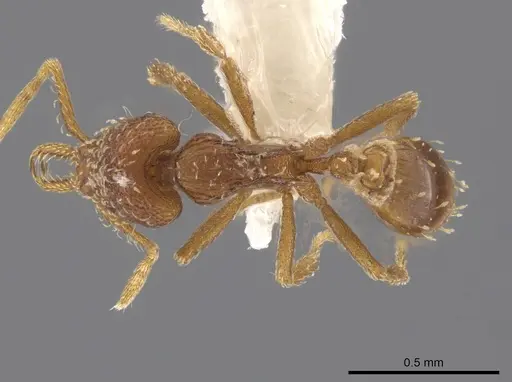
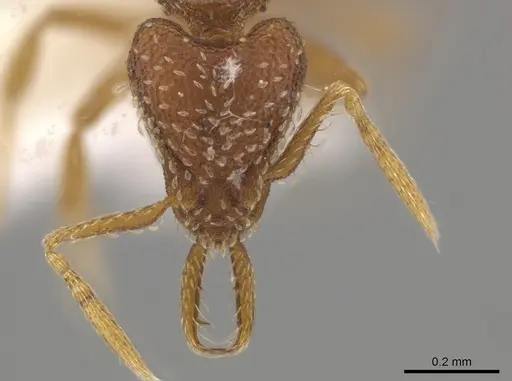
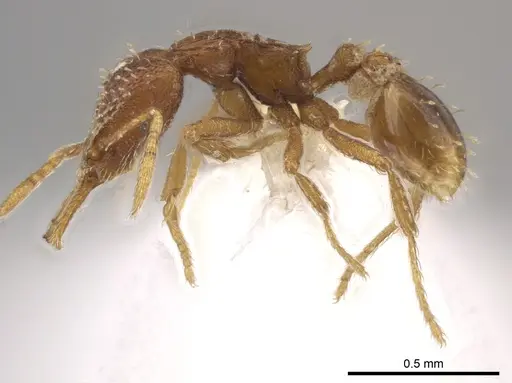
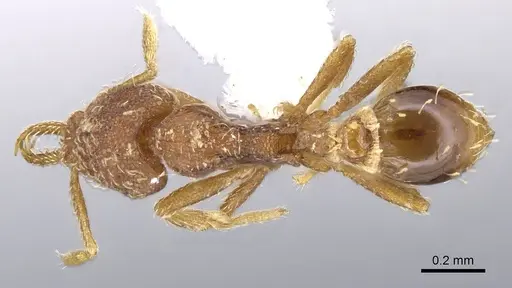
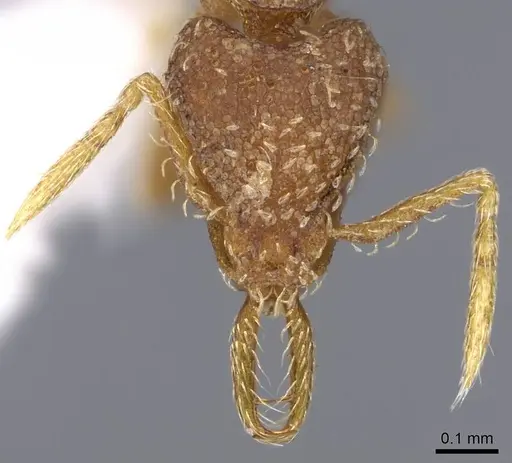
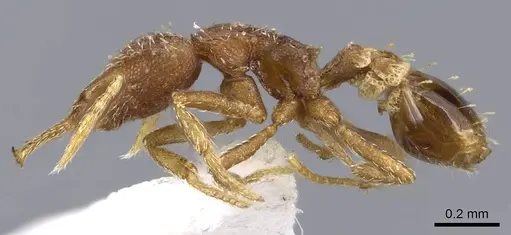
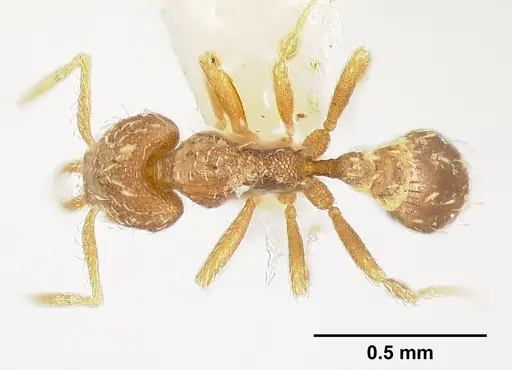
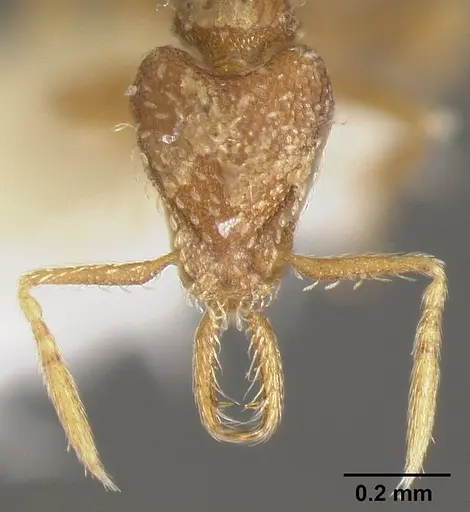
Strumigenys calamita is a tiny predatory ant species belonging to the subfamily Myrmicinae, specifically the tribe Dacetini [1]. Workers measure just 2-3mm, making them one of the smaller ant species you'll encounter. They have the characteristic trap-jaw mandibles of the Dacetini tribe, specialized mouthparts that can snap shut rapidly to capture prey. The species is found in Costa Rica, where it inhabits the forest floor in ground-level microhabitats [1]. These ants are highly specialized predators, targeting tiny arthropods like springtails and mites rather than typical ant fare. Their small size and cryptic lifestyle make them a challenge to spot in the wild, but they're an interesting species for antkeepers interested in predatory micro-ants.
Quick Summary
- Difficulty: Medium
- Origin & Habitat: Costa Rica, tropical forest floor environments [1]. This species is classified as ground-dwelling, typically found in leaf litter, under stones, or in rotting wood fragments in humid forest habitats.
- Colony Type: Colony structure is unconfirmed for this specific species. Based on typical Strumigenys patterns, colonies likely contain a single queen (monogyne) with small colony sizes of 50-200 workers.
- Size & Growth:
- Queen: Estimated 3-4mm based on genus patterns
- Worker: 2-3mm [1]
- Colony: Likely 50-200 workers based on typical Strumigenys colony sizes
- Growth: Slow, these are slow-growing ants with small colony sizes
- Development: Estimated 8-12 weeks at tropical temperatures (24-28°C) based on related species (Development is likely slower than typical ants due to their specialized predatory lifestyle and small colony sizes)
- Antkeeping:
- Temperature: Keep at 24-28°C, these are tropical ants requiring warm, stable conditions. A heating cable on one side of the nest can help maintain warmth.
- Humidity: High humidity is essential, think damp forest floor. Keep the nest substrate consistently moist but not waterlogged. Provide a water tube as a drinking source.
- Diapause: Unlikely, as a tropical species, they probably do not require a true diapause. They may show slight reduced activity during cooler periods but won't enter hibernation.
- Nesting: Best kept in naturalistic setups that mimic their natural leaf litter habitat. A Y-tong (AAC) nest with tight chambers or a plaster nest with good moisture retention works well. They prefer tight, humid spaces rather than open areas.
- Behavior: These ants are peaceful toward humans and unlikely to sting. They are specialized predators that hunt tiny arthropods using their trap-jaw mandibles. Workers are slow-moving and spend most of their time foraging through the substrate. Escape prevention is critical due to their very small size, they can squeeze through tiny gaps. They are not aggressive and will flee rather than fight when threatened.
- Common Issues: escape prevention is critical, their tiny size means they can slip through the smallest gaps without fine mesh barriers, slow growth can frustrate beginners, colonies develop slowly and remain small, specialized diet means they may refuse standard ant foods, live prey is essential, humidity must be maintained consistently, drying out can be fatal, wild-caught colonies may contain parasites that can decimate the colony in captivity
Housing and Nest Setup
Strumigenys calamita requires a setup that recreates the humid forest floor environment they naturally inhabit. A Y-tong (AAC) nest with narrow chambers works well, as does a plaster or soil-based naturalistic setup. The key is maintaining high humidity while allowing for some ventilation to prevent mold. Use a small water tube for drinking access. Because of their tiny size, all connections between the nest and outworld should use small-diameter tubing. The outworld should be simple, a small container works since these ants don't travel far from the nest. Escape prevention is critical: use fluon on the rim of the outworld and ensure all gaps are sealed, as these ants can squeeze through openings that would hold back larger species.
Feeding and Diet
These are specialized predators that require live small arthropods as their primary food source. Springtails are the ideal prey, they're small enough for these tiny ants to tackle and are nutritionally appropriate. Other accepted prey may include tiny mites, booklice (psocids), and fruit fly larvae. Do not expect these ants to accept sugar water, honey, or protein feeds like mealworms, they're obligate predators. Feed small prey items every 2-3 days, removing any uneaten prey after 24 hours. A constant water source is essential. Some keepers report success with small pieces of raw chicken or fish, but live prey should form the basis of their diet.
Temperature and Humidity
As a tropical species from Costa Rica, Strumigenys calamita requires warm and humid conditions. Keep the nest at 24-28°C year-round. A small heating cable placed on one side of the nest can help maintain these temperatures, but avoid direct heat that could dry out the nest. Humidity should be high, the nest substrate should feel consistently damp but not soggy. A water tube provides drinking water and helps maintain humidity through evaporation. Monitor for condensation inside the nest, some condensation is good, but excessive pooling can drown colonies. Room temperature in the low-to-mid 20s°C may be sufficient if your home is naturally warm.
Colony Development
Colonies remain small throughout their life, typically reaching only 50-200 workers. Growth is slow, expect many months to reach even 20-30 workers. The queen lays small numbers of eggs, and larvae develop slowly on a diet of tiny prey. First workers (nanitics) will be very small and may take 2-3 months to emerge from founding. Unlike faster-growing ant species, Strumigenys colonies require patience. Do not disturb the queen during founding, these ants are sensitive to vibration and may abandon or eat their brood if stressed. Once established, colonies are fairly robust but still require consistent humidity and appropriate prey.
Behavior and Temperament
Strumigenys calamita is a peaceful species that poses no threat to keepers. Workers are slow-moving and spend most of their time foraging through the substrate rather than exploring the outworld. They use their trap-jaw mandibles to capture tiny prey, snapping their jaws shut with remarkable speed. When threatened, they are more likely to flee than to bite or sting. Their small size and cryptic behavior make them fascinating to observe, but they don't provide the dramatic displays of larger, more active ant species. They are best suited for keepers who enjoy observing subtle, specialized behaviors rather than active, visible colonies.
Frequently Asked Questions
How long does it take for Strumigenys calamita to produce first workers?
Expect 8-12 weeks from founding to first workers emerging, though this is an estimate based on related species. Development is slow, and the queen may take several months to raise her first nanitic workers.
What do Strumigenys calamita ants eat?
They are specialized predators that require live tiny arthropods. Springtails are the ideal food, along with tiny mites, booklice, and fruit fly larvae. They will not accept sugar water, honey, seeds, or most commercial ant foods.
Can I keep Strumigenys calamita in a test tube?
A test tube setup can work for founding colonies, but you must maintain high humidity and provide tiny prey. A Y-tong or plaster nest with better moisture retention is preferable for established colonies.
Are Strumigenys calamita good for beginners?
They are considered medium difficulty. Their specialized diet and humidity requirements make them more challenging than species that accept commercial foods, but they are not as difficult as some other specialized predators.
How big do Strumigenys calamita colonies get?
Colonies remain small, typically reaching 50-200 workers at maturity. They are not large colony builders and will remain compact throughout their life.
Do Strumigenys calamita need hibernation?
No, as a tropical species from Costa Rica, they do not require hibernation. Keep them at warm tropical temperatures (24-28°C) year-round.
Why are my Strumigenys calamita dying?
Common causes include: drying out (humidity too low), wrong food (they need live prey, not commercial foods), escape through tiny gaps, and stress from disturbance during founding. Ensure high humidity and appropriate tiny live prey.
When should I move Strumigenys calamita to a formicarium?
Wait until the colony has at least 20-30 workers and has been stable for several months. Moving too early can stress the queen and cause colony failure. A small Y-tong or naturalistic setup works well.
Can I keep multiple queens together?
Combining unrelated queens has not been documented for this species. Based on typical Strumigenys behavior, single-queen colonies are most common. Do not attempt to combine queens without specific evidence that this species tolerates polygyny.
References

This caresheet is licensed under CC BY-SA 4.0 .
Literature
Loading...Loading products...