

Strumigenys bunki
- Scientific Name
- Strumigenys bunki
- Tribe
- Attini
- Subfamily
- Myrmicinae
- Author
- Brown, 1950
- Distribution
- Found in 1 countries
Strumigenys bunki Overview
Strumigenys bunki is an ant species of the genus Strumigenys. It is primarily documented in 1 countries , including United States of America. Detailed taxonomic data and occurrence records can be further explored via authoritative databases such as AntWeb or the Global Biodiversity Information Facility (GBIF).
Strumigenys bunki
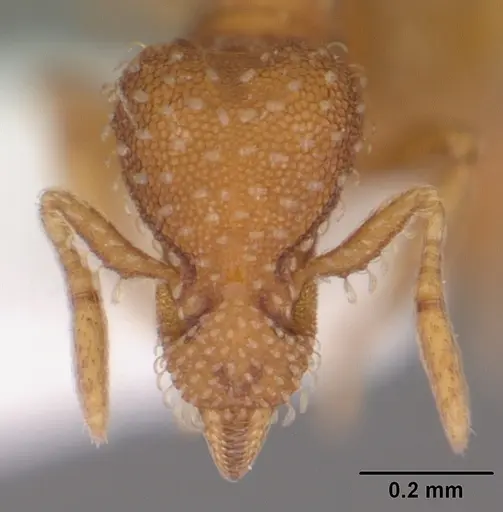
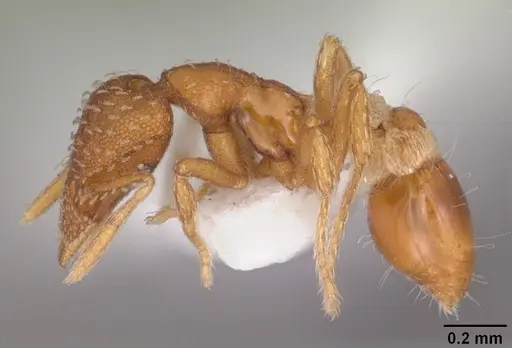
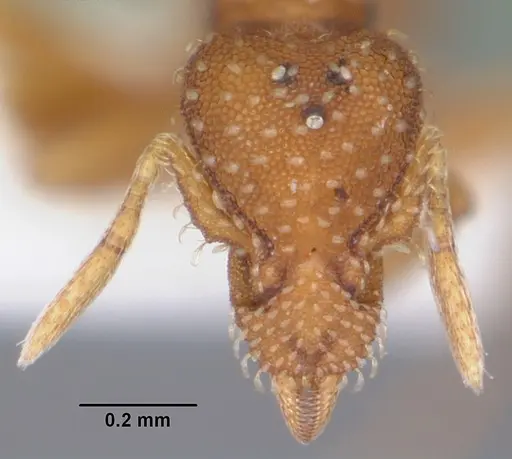
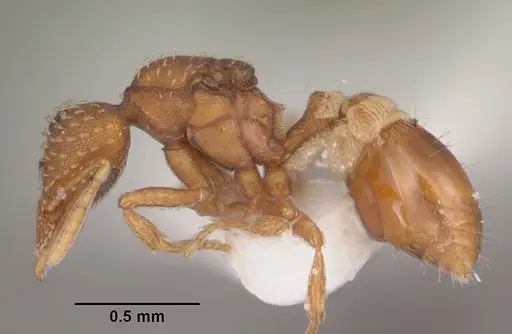
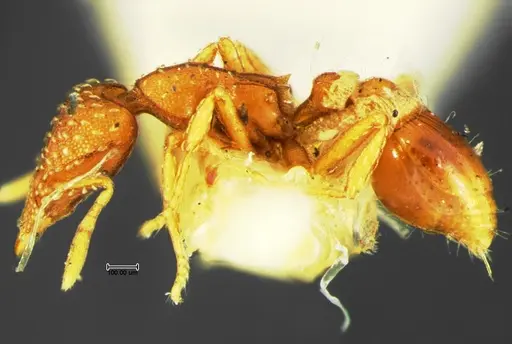
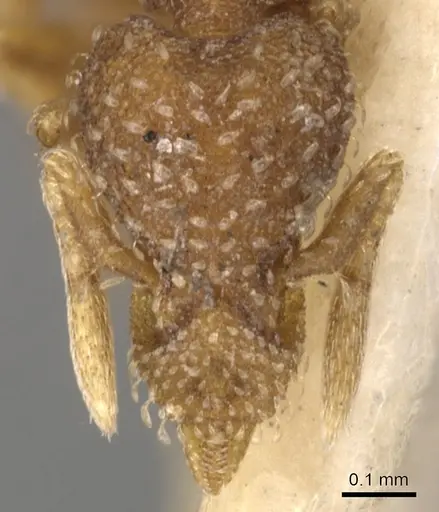
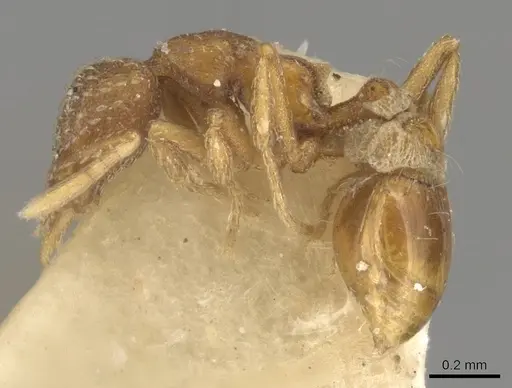
Strumigenys bunki is a tiny predatory ant native to the southeastern United States. Workers measure just 2.0-2.2mm, making them one of the smaller ant species you'll encounter in the hobby. They belong to the Attini tribe, which includes fungus-growers, but Strumigenys are specialized predators that hunt small soil-dwelling arthropods like springtails and mites. Their mandibles are designed for capturing tiny prey. The species is part of the Strumigenys rostrata group and is very similar in appearance to the related Strumigenys creightoni, with which it has frequently been confused in museum collections. You can identify bunki by its short diastema (the gap between mandible teeth) which is shorter than the basal tooth length, and by having 5 principal teeth in the basal mandibular row with the third tooth being the longest.
Quick Summary
- Difficulty: Medium
- Origin & Habitat: Southeastern United States, found in Mississippi, Georgia, Louisiana, Florida, and Alabama. They live in upland woodland habitats, pine woods, and have been collected from leaf litter and under stones[1].
- Colony Type: Likely monogyne (single queen colonies) based on typical Strumigenys patterns. Colony size is small, typically under 100 workers.
- Colony: Monogyne
- Founding: Claustral
- Size & Growth:
- Queen: Unconfirmed size, related species are slightly larger than workers
- Worker: 2.0-2.2mm
- Colony: Small colonies, likely under 100 workers based on typical Strumigenys size
- Growth: Slow, small colonies develop slowly
- Development: Estimated 8-12 weeks based on related Strumigenys species and temperate development patterns (Development is likely slow due to small colony size and predatory feeding requirements)
- Antkeeping:
- Temperature: Keep around 20-24°C, they are a temperate species from the southeastern US [2]
- Humidity: Moderate to high, they prefer woodland floor conditions with some moisture. Keep substrate damp but not waterlogged.
- Diapause: Yes, they likely require a winter rest period of 2-3 months at around 10-15°C based on their temperate distribution [2]
- Nesting: They nest in leaf litter, under stones, and in rotting wood. In captivity, they do well in naturalistic setups with moist substrate or in Y-tong/plaster nests with tight chambers scaled to their tiny size [2]
- Behavior: These ants are slow-moving and cryptic. They are specialized predators that hunt micro-arthropods using their trap-jaw mandibles. Workers forage individually through the substrate rather than in obvious trails. They are not aggressive and pose no threat to keepers. ESCAPE PREVENTION IS CRITICAL, at 2mm in size, they can squeeze through the tiniest gaps. Use fine mesh and tight-fitting lids [2].
- Common Issues: escape prevention is critical due to their tiny 2mm size, they squeeze through standard mesh easily, slow growth can frustrate beginners, colonies remain small for months, predatory diet means they need live small prey (springtails, micro-arthropods) which can be difficult to culture, colonies are small and fragile, disturbing the nest can cause stress and abandonment of brood, humidity must be carefully balanced, too dry causes desiccation, too wet causes mold problems
Housing and Nest Setup
Because Strumigenys bunki are tiny (only 2mm), they need carefully designed housing. A naturalistic setup works well, use a shallow container with moist soil or plaster as the substrate. Keep chambers tight and passages narrow, these ants feel exposed in large open spaces. A Y-tong (AAC) nest with small chambers also works, but ensure the connections are tight. Whatever setup you choose, escape prevention must be excellent, these ants can squeeze through gaps that seem impossible. Use fine mesh on any ventilation holes and check lid seals regularly. A small outworld connected to the nest works fine for feeding [2].
Feeding and Diet
Strumigenys bunki are specialized predators. In the wild, they hunt small soil-dwelling arthropods like springtails, mites, and other micro-fauna. In captivity, their primary food should be live springtails, these are ideal size and nutritional value. You can also offer other tiny live prey like fruit flies, small ants, and micro-arthropods. They typically ignore sugar sources and dead commercial feeder insects because their hunting strategy relies on movement to trigger their trap-jaw response. Setting up a springtail culture is essential before acquiring this species. Feed every 2-3 days, offering only what they can consume in a day. Remove uneaten prey to prevent mold [2].
Temperature and Seasonal Care
Keep your colony at room temperature, ideally around 20-24°C. This matches their natural range in the southeastern US where temperatures are moderate year-round. They do not need extreme heat, in fact, overheating is more dangerous than being slightly cool. During winter, they benefit from a diapause (winter rest) period of 2-3 months. Reduce temperature to around 10-15°C and reduce feeding frequency. This mimics their natural seasonal cycle and helps maintain colony health long-term. Do not cool suddenly, reduce temperature gradually over 1-2 weeks [2].
Humidity Management
Strumigenys bunki come from woodland habitats where conditions are damp but not wet. Keep the substrate consistently moist but never waterlogged. The substrate should feel damp to the touch, with some slightly drier areas available for the ants to regulate their own humidity. In naturalistic setups, mist the enclosure lightly and allow it to dry partially between mistings. In plaster or Y-tong nests, use a water reservoir but ensure the nest material doesn't become saturated. Poor humidity causes desiccation and death, while excessive moisture leads to mold that can destroy the colony [2].
Handling and Observation
These ants are cryptic and not particularly active. You won't see the bustling activity common in many ant species. Workers move slowly through the substrate, hunting individually rather than forming obvious foraging trails. Observation is best done with a magnifying glass since they are only 2mm. They are completely harmless, their tiny size means they cannot bite or sting effectively, and they are not aggressive toward keepers. When you need to move them (for cleaning or transport), use gentle coaxing with a soft brush rather than tapping or shaking the nest. Sudden vibrations can cause stress [2].
Frequently Asked Questions
How long does it take for Strumigenys bunki to produce first workers?
Expect 8-12 weeks from founding to first workers based on typical Strumigenys development patterns. Development is slow, the queen will remain sealed in her chamber for several weeks before the first nanitic workers emerge. Patience is essential with this species [2].
Can I keep Strumigenys bunki in a test tube?
Test tubes can work for founding colonies, but you must use a very small diameter tube with a tight-fitting cotton stop. The tiny 2mm workers can escape through standard test tube setups. Consider a naturalistic setup with small chambers or a carefully sealed Y-tong nest instead [2].
What do Strumigenys bunki eat?
They are predators that need live small prey. Springtails are the ideal food, culture your own supply before getting the ants. They will also accept other tiny live arthropods like fruit flies and micro-mites. They typically ignore sugar water and dead insects [2].
Are Strumigenys bunki good for beginners?
They are moderate difficulty. The main challenges are their tiny size (escape prevention is critical), slow growth, and specialized predatory diet requiring live springtail cultures. If you are prepared to culture springtails and pay close attention to humidity, they can be rewarding [2].
How big do Strumigenys bunki colonies get?
Colonies remain small, likely under 100 workers even at maturity. This is typical for the genus. You will not get the large, impressive colonies you might expect from species like Camponotus or Formica [2].
Do Strumigenys bunki need hibernation?
Yes, they benefit from a winter rest period. Reduce temperature to 10-15°C for 2-3 months during winter. This diapause mimics their natural seasonal cycle in the temperate US and helps maintain long-term colony health [2].
Why are my Strumigenys bunki dying?
Common causes include: escape (check your barriers thoroughly), desiccation from low humidity, mold from excessive moisture, starvation if springtail cultures die, and stress from disturbance. Check humidity levels first, then verify escape prevention. They are sensitive to substrate conditions [2].
When should I move my colony to a formicarium?
Wait until the colony has at least 20-30 workers and is clearly established. Moving too early can stress the queen and cause colony failure. A naturalistic setup works well for this species, you don't need a complex formicarium [2].
Can I keep multiple Strumigenys bunki queens together?
Not recommended. Unlike some ants that form multi-queen colonies, Strumigenys are typically single-queen species. Combining unrelated queens has not been documented and likely results in fighting. Start with one founding queen [2].
References

This caresheet is licensed under CC BY-SA 4.0 .
CASENT0104336
View on AntWeb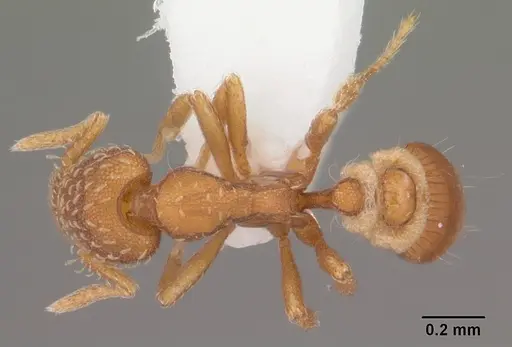
CASENT0104337
View on AntWeb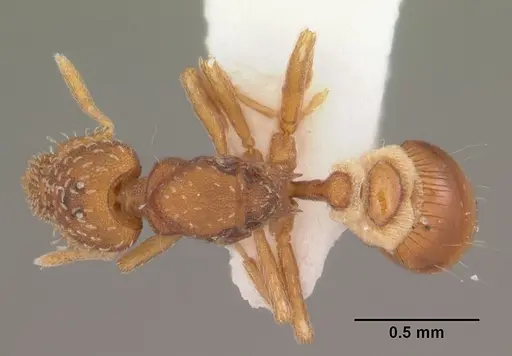
CASENT0105658
View on AntWeb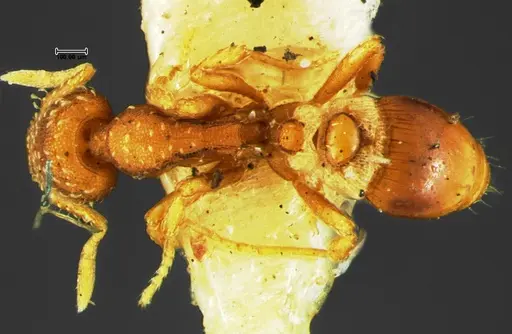
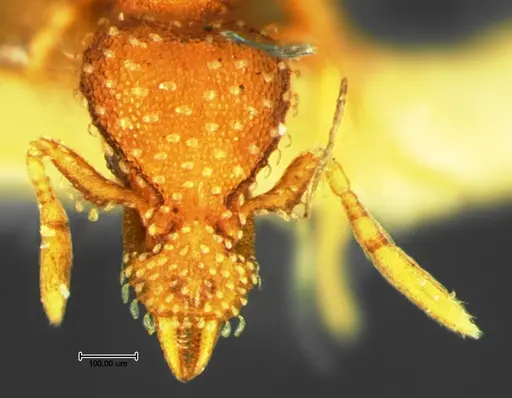
CASENT0900165
View on AntWeb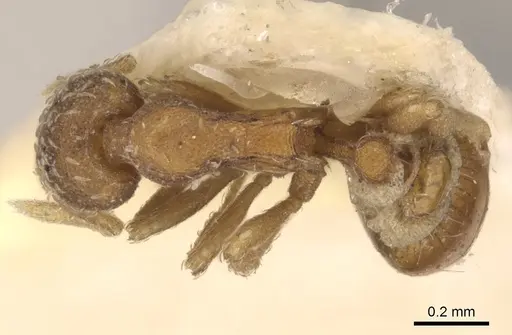
Literature
Loading...Loading products...