

Strumigenys brevisetosa
- Scientific Name
- Strumigenys brevisetosa
- Tribe
- Attini
- Subfamily
- Myrmicinae
- Author
- Smith, 1935
- Distribution
- Found in 1 countries
Strumigenys brevisetosa Overview
Strumigenys brevisetosa is an ant species of the genus Strumigenys. It is primarily documented in 1 countries , including United States of America. Detailed taxonomic data and occurrence records can be further explored via authoritative databases such as AntWeb or the Global Biodiversity Information Facility (GBIF).
Strumigenys brevisetosa
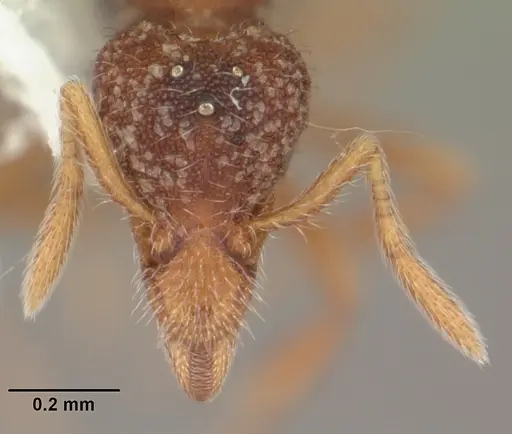
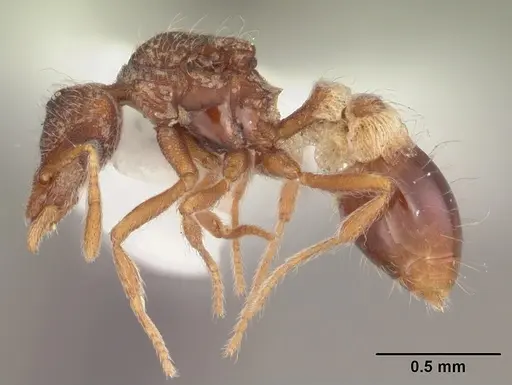
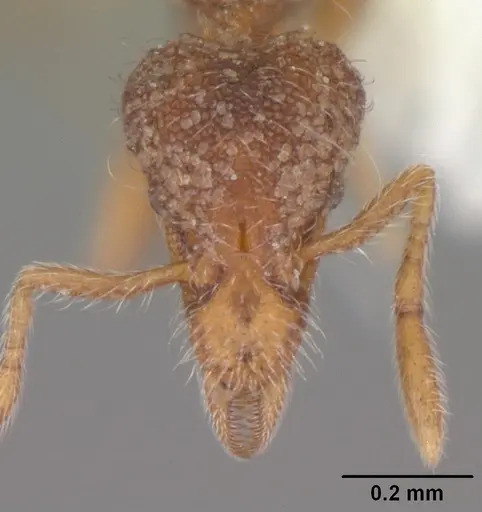
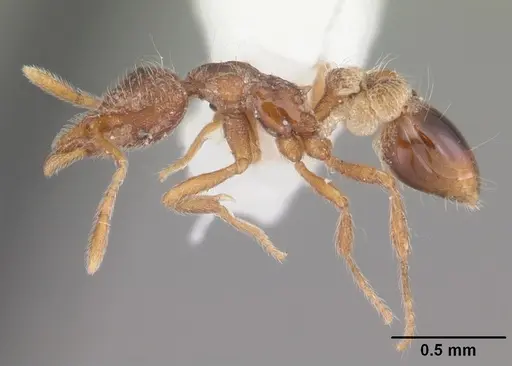
Strumigenys brevisetosa is a tiny predatory ant native to eastern North America, measuring just 2.3-2.8mm in total length [1]. Workers are golden to reddish-brown with distinctive trap-jaw mandibles and belong to the clypeata group, recognized by a peripheral groove running along the free margin of the clypeus [1][2]. The species has unique linear-spatulate hairs on the clypeus that are inclined anteriorly at the base but curve so their tips point upward or backward, this is the most reliable identifying feature [2]. This species was long confused with Strumigenys pilinasis until taxonomic clarification in 2019 [1].
These ants are specialized predators, using their trap-jaw mandibles to capture tiny prey like springtails and other micro-arthropods in leaf litter. They prefer damp, shaded habitats like deciduous forests and bogs where humidity stays high [2]. Colonies are relatively small, typically found in rotting wood and forest debris.
Quick Summary
- Difficulty: Medium
- Origin & Habitat: Eastern United States from Florida to Pennsylvania, west to Missouri, with isolated populations in Kansas, Oklahoma, and Texas [2]. Found in deciduous forests and bogs, workers collected from leaf litter and rotting log debris [2].
- Colony Type: Single-queen colonies (monogyne), colony structure is not extensively studied but Strumigenys species typically have one queen per colony
- Colony: Monogyne
- Founding: Claustral
- Size & Growth:
- Queen: Approximately 2.5-3mm (estimated based on worker proportions)
- Worker: 2.3-2.8mm total length, averaging 2.6mm [1]
- Colony: Likely under 500 workers based on typical Strumigenys colony sizes and their small colony founding
- Growth: Slow, Strumigenys are slow-growing ants with small colonies
- Development: Estimated 8-12 weeks based on related Strumigenys species and temperate development patterns (Development is slow, colonies remain small for the first several months)
- Antkeeping:
- Temperature: Keep at 20-24°C, they prefer cool to moderate temperatures matching their forest floor habitat. Avoid temperatures above 26°C.
- Humidity: High humidity is essential, these ants come from damp forest litter. Keep nest substrate consistently moist but not waterlogged. Target 70-85% relative humidity.
- Diapause: Yes, this temperate species requires a winter rest period. Provide 2-3 months at 10-15°C during winter.
- Nesting: Y-tong (AAC) nests or naturalistic setups with moist substrate work well. They nest in rotting wood and damp debris in nature, so provide damp soil/peat mixture with some rotting wood pieces.
- Behavior: These ants are docile and not aggressive toward keepers. They are specialized predators that hunt tiny arthropods using their trap-jaw mandibles. Workers are slow-moving and spend most of their time foraging in leaf litter. Escape risk is moderate due to their small size, use fine mesh barriers. They are not defensive and rarely sting.
- Common Issues: slow colony growth can frustrate beginners who overfeed or disturb the nest, high humidity requirements make them prone to mold if ventilation is poor, tiny size means they can escape through standard mesh, use fine mesh barriers, wild-caught colonies may contain parasites that can devastate captive populations, they are specialized predators and may refuse standard ant foods, live prey is essential
Housing and Nest Setup
Strumigenys brevisetosa requires high humidity housing that mimics their forest floor habitat. Y-tong (AAC) nests work well because they hold moisture consistently and provide the dark, enclosed spaces these ants prefer. You can also use naturalistic setups with a soil/peat mixture kept consistently moist. Add small pieces of rotting wood or leaf litter to give them hunting grounds. Cover any water reservoirs with cotton and ensure the test tube setup prevents flooding. Because they are tiny, check that all connections and barriers are truly escape-proof, even small gaps that you'd ignore with larger ants will let these workers slip through. [1][2]
Feeding and Diet
These are specialized predators that need live prey. Their primary food should be springtails (Collembola), these tiny arthropods are their natural prey in the wild and should make up the bulk of their diet. You can culture springtails separately or purchase them from ant suppliers. Other tiny live prey like micro-arthropods, booklice (psocids), and fruit fly larvae may also be accepted. Offer prey every 2-3 days, removing any uneaten remains to prevent mold. Sugar sources are generally not required or accepted, Strumigenys are obligate predators. Some keepers report success with tiny amounts of honey or sugar water, but this should be offered sparingly and removed quickly if ignored. [2]
Temperature and Seasonal Care
Keep your colony at 20-24°C, avoiding both extremes. These ants come from temperate forests where temperatures stay moderate year-round. Too hot and the colony will stress, too cold and brood development halts. During winter, provide a diapause period of 2-3 months at 10-15°C, this matches their natural seasonal cycle and helps maintain colony health long-term. You can achieve this by moving the colony to an unheated garage or basement, or using a small refrigerator-compatible formicarium placed in a cool location. Do not feed during diapause but keep the nest slightly moist. [2]
Behavior and Colony Dynamics
Strumigenys brevisetosa colonies grow slowly and remain relatively small even at maturity. Workers are docile and spend much of their time foraging through the nest material hunting prey. They use their trap-jaw mandibles to quickly snap shut on tiny prey items. Unlike many ants, they do not form large foraging trails or aggressively defend food sources. Colonies are peaceful and can be observed for hours as workers systematically search through their enclosure. The queen remains hidden in the nest chamber after founding and is rarely seen once workers establish. Expect your colony to stay small, even mature colonies likely contain only a few hundred workers. [1][2]
Frequently Asked Questions
How long does it take for Strumigenys brevisetosa to raise their first workers?
Expect 8-12 weeks from founding to first workers, though this can vary based on temperature. The claustral queen seals herself in and raises the first brood alone using stored fat reserves. Be patient, Strumigenys are slow growers compared to many common ant species.
What do Strumigenys brevisetosa ants eat?
They are specialized predators that need live tiny prey. Feed them springtails (Collembola) as their primary food, you can culture these separately or purchase from ant suppliers. Other tiny live prey like micro-arthropods and fruit fly larvae may also be accepted. They do not typically accept sugar or honey.
Can I keep Strumigenys brevisetosa in a test tube?
Yes, test tubes work well for founding colonies. Use a test tube setup with a water reservoir and keep it consistently moist. However, because they require high humidity, monitor for mold growth. Transfer to a formicarium once the colony reaches 20-30 workers or after 6-8 months.
What temperature do Strumigenys brevisetosa need?
Keep them at 20-24°C. This matches their natural habitat in temperate deciduous forests. Avoid temperatures above 26°C or below 18°C for extended periods. A heating cable on one side of the nest can create a gentle gradient if your room temperature runs cool.
Do Strumigenys brevisetosa need hibernation?
Yes, this temperate species requires a winter diapause. Provide 2-3 months at 10-15°C during winter months (roughly November-February in the northern hemisphere). Keep the nest slightly moist during this period but do not feed the colony.
How big do Strumigenys brevisetosa colonies get?
Colonies remain relatively small, likely reaching 100-300 workers at maturity. This is typical for Strumigenys species, they never form the large colonies seen in many other ant genera. Do not expect rapid growth or large worker numbers.
Why are my Strumigenys brevisetosa dying?
Common causes include: too low humidity (keep substrate consistently moist), wrong temperature (they need 20-24°C), lack of live prey (they cannot survive on sugar or dead food), or stress from too much disturbance. Also check for parasites in wild-caught colonies. These are sensitive ants that require stable conditions.
Are Strumigenys brevisetosa good for beginners?
They are considered intermediate difficulty. While docile and interesting to watch, their specific humidity and dietary requirements make them more challenging than species like Lasius or Camponotus. They are best suited for keepers who have successfully kept at least one other species and can maintain consistent conditions.
When do Strumigenys brevisetosa have nuptial flights?
Limited data suggests fall mating flights in the western part of their range (Texas), based on a single malaise trap collection [2]. In the eastern US, flights likely occur in late summer to early fall. If you have a mature colony, watch for winged reproductives in late August through October.
References

This caresheet is licensed under CC BY-SA 4.0 .
CASENT0104481
View on AntWeb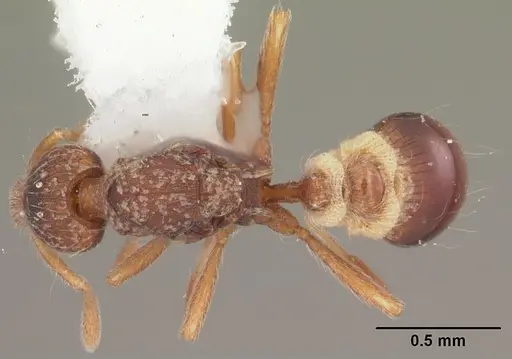
CASENT0104482
View on AntWeb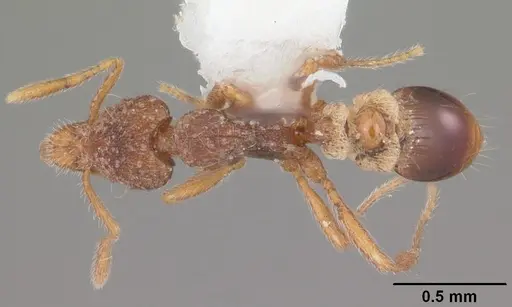
Literature
Loading...Loading products...