

Strumigenys brevicornis
- Scientific Name
- Strumigenys brevicornis
- Tribe
- Attini
- Subfamily
- Myrmicinae
- Author
- Mann, 1922
- Distribution
- Found in 6 countries
Strumigenys brevicornis Overview
Strumigenys brevicornis is an ant species of the genus Strumigenys. It is primarily documented in 6 countries , including Costa Rica, Guatemala, Honduras. Detailed taxonomic data and occurrence records can be further explored via authoritative databases such as AntWeb or the Global Biodiversity Information Facility (GBIF).
Strumigenys brevicornis
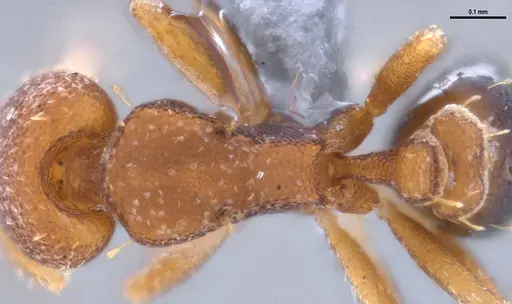
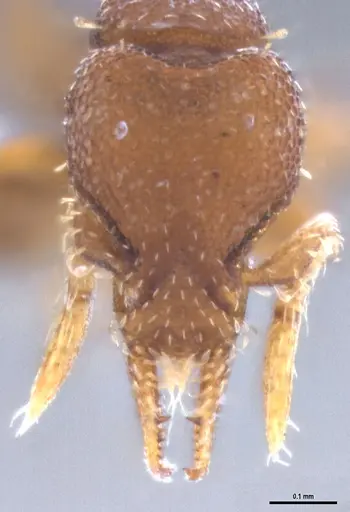
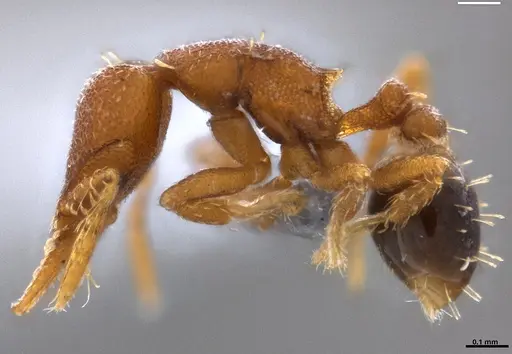
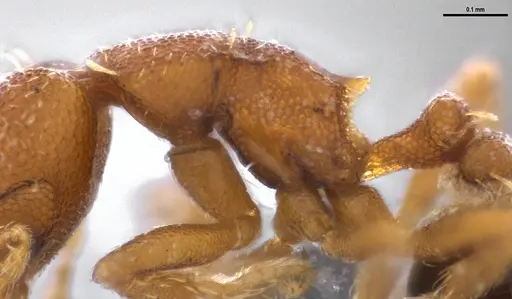
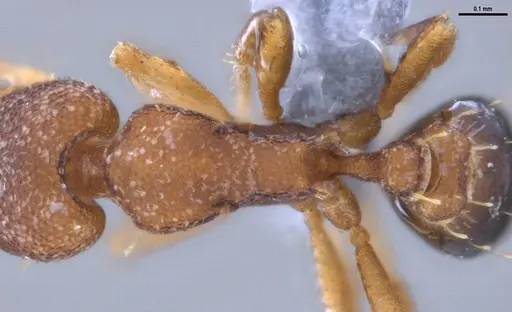
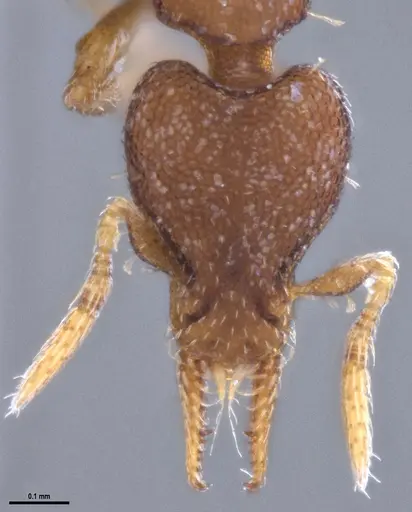
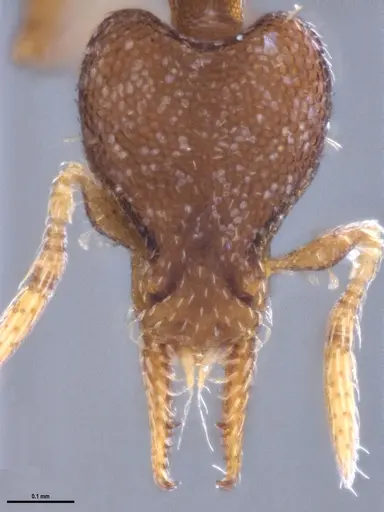
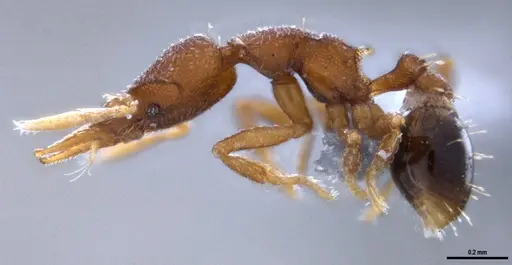
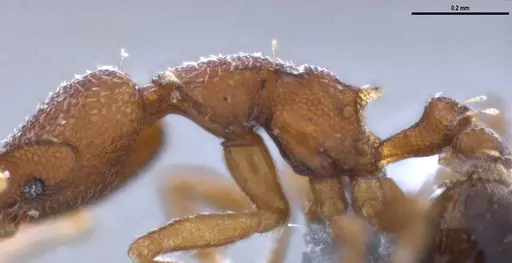
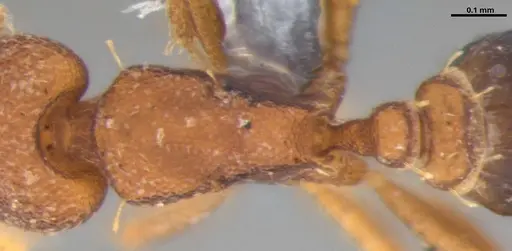
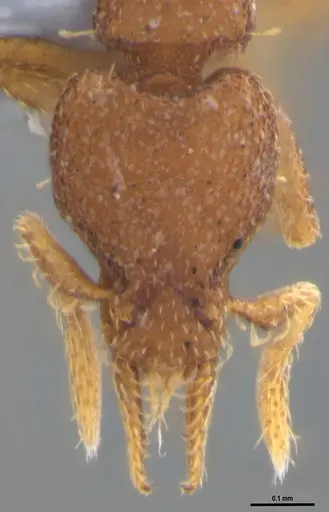
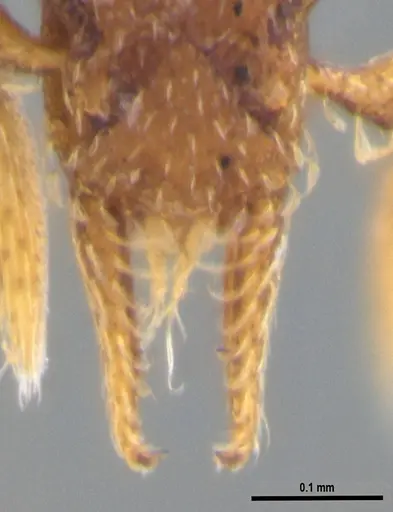
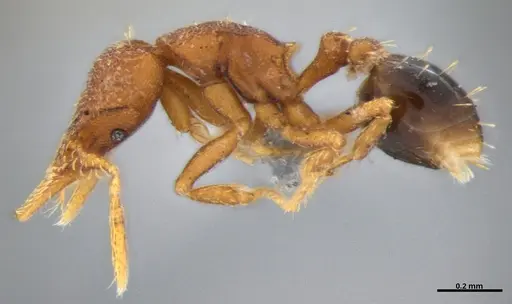
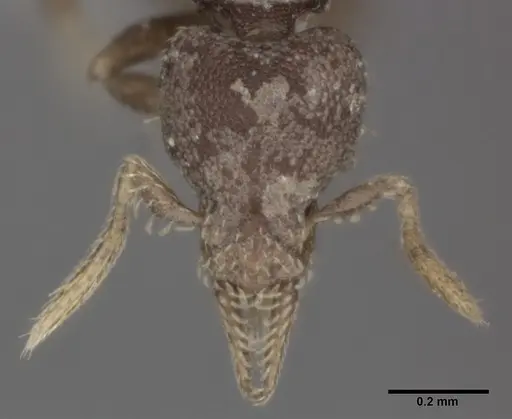
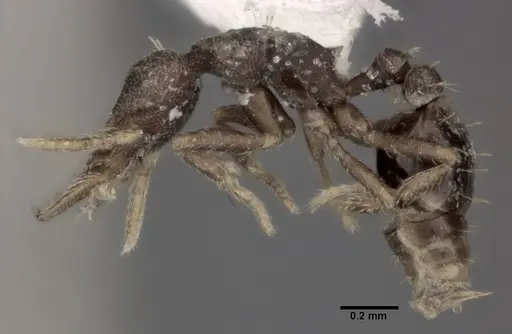
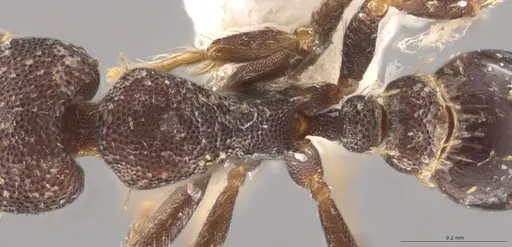
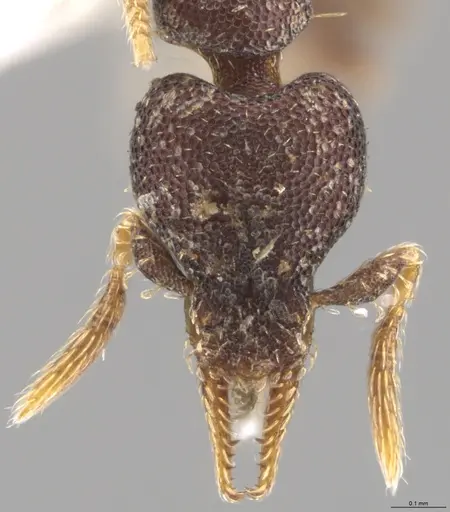
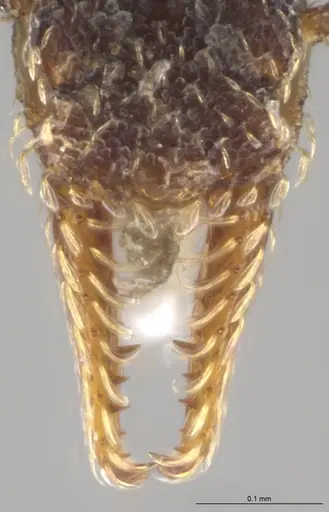
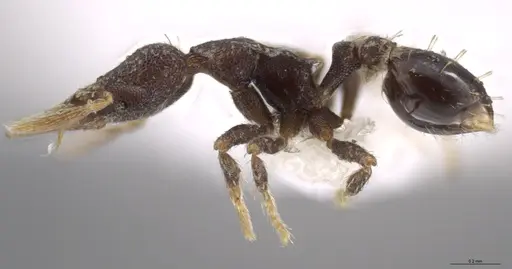
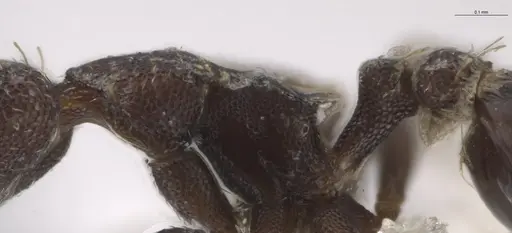
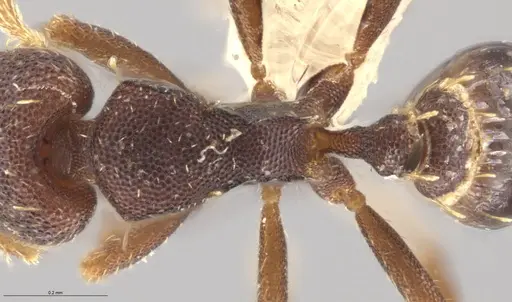
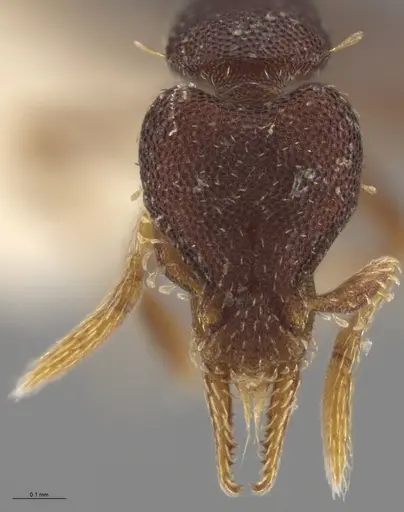
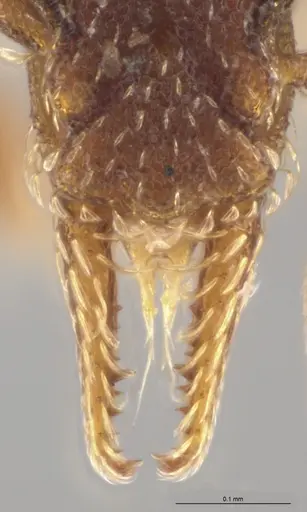
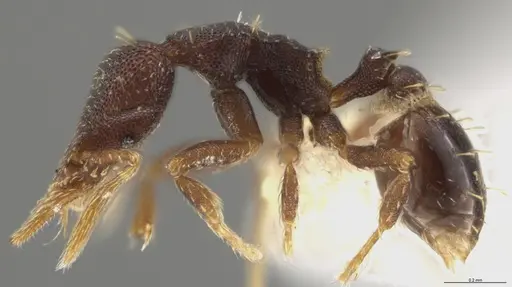
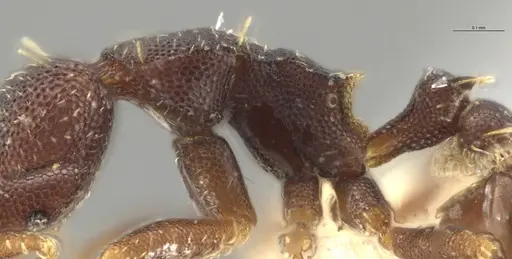
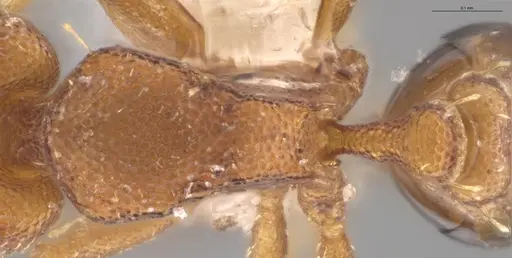
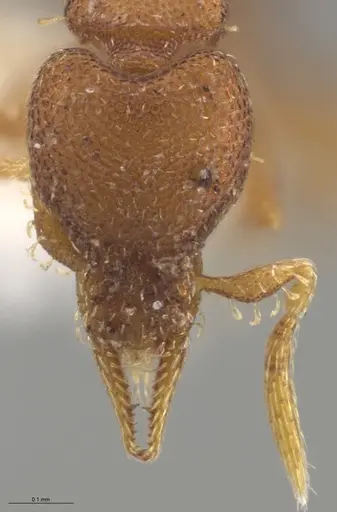
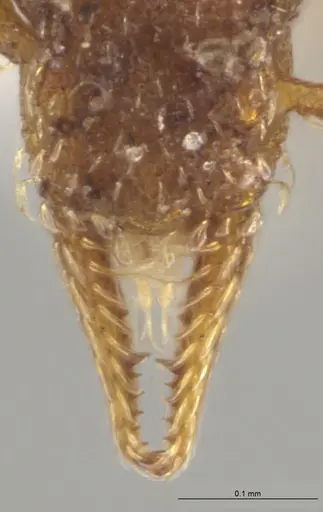
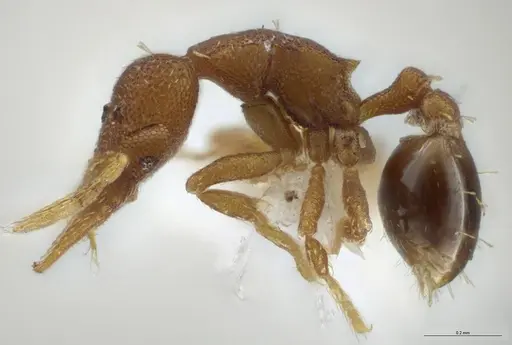
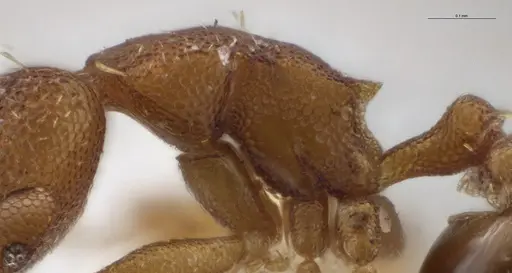
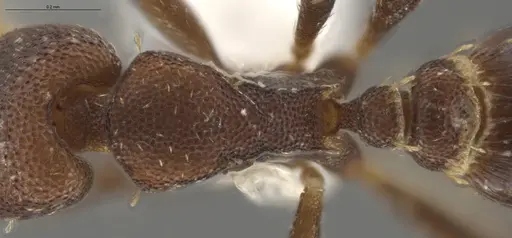
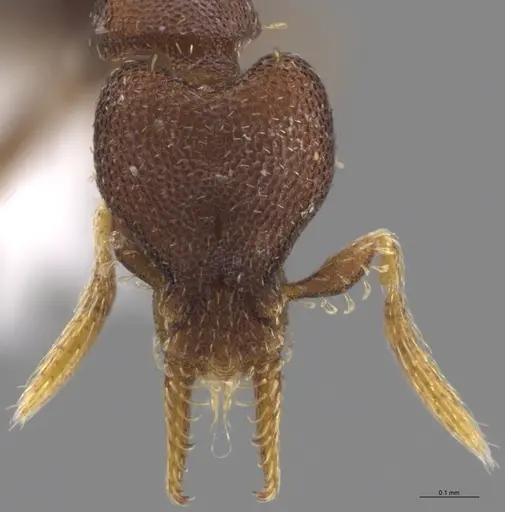
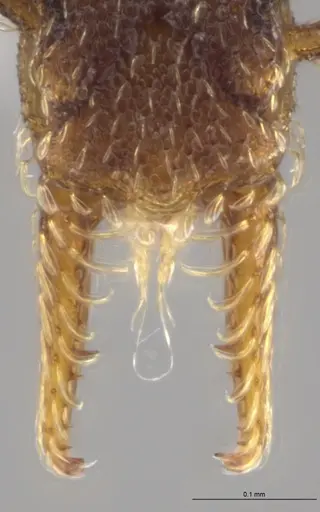
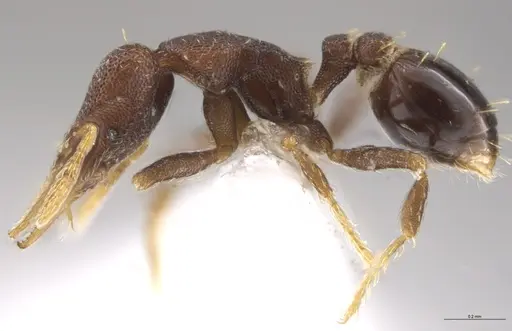
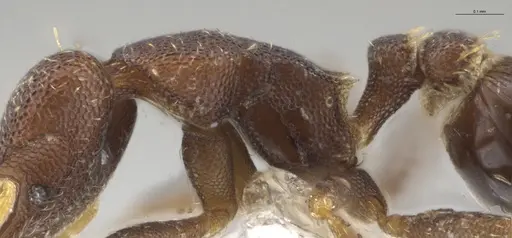
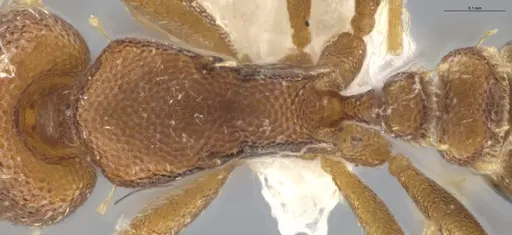
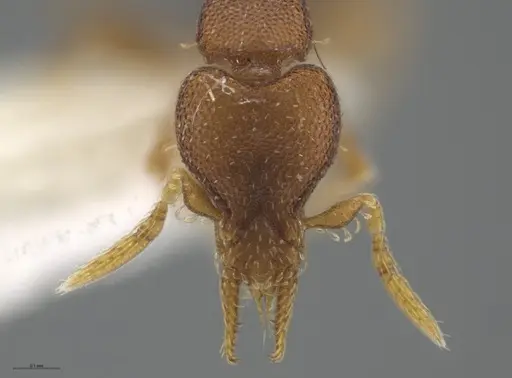
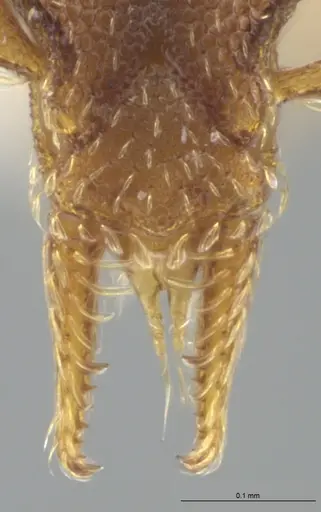
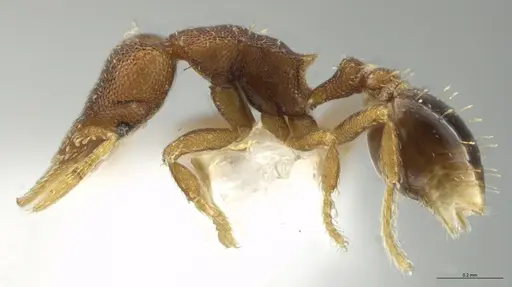
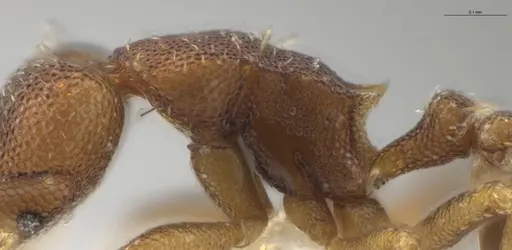
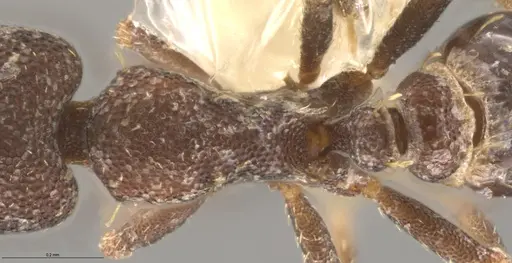
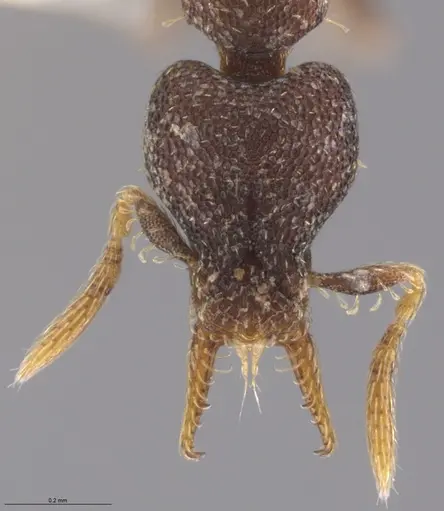
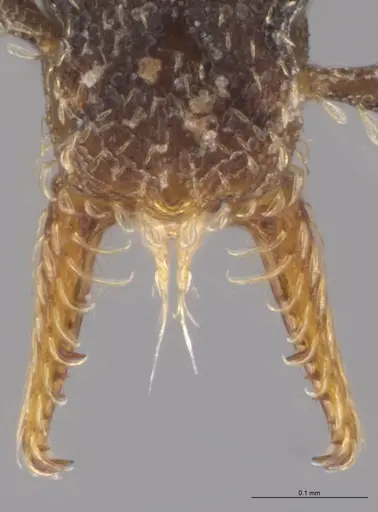
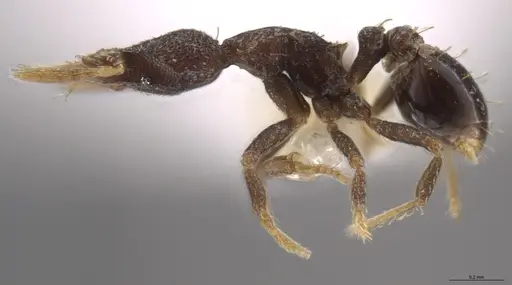
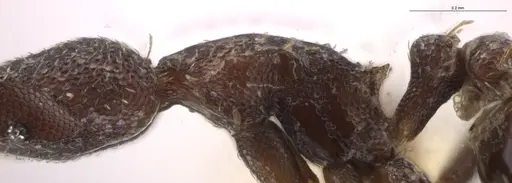
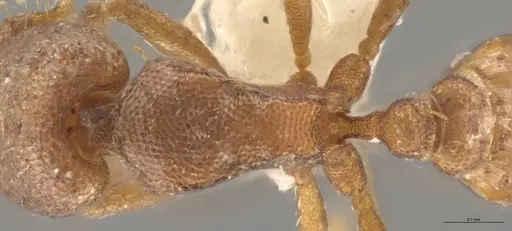
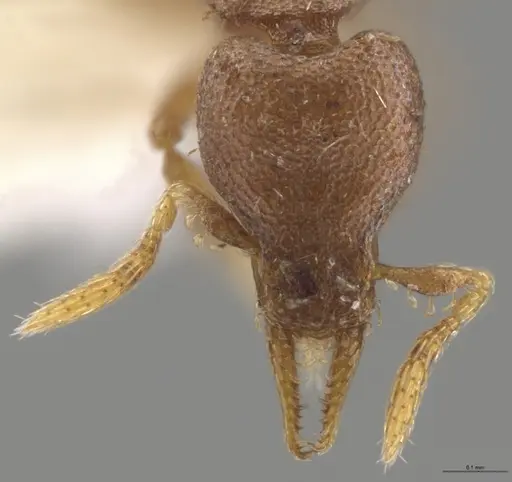
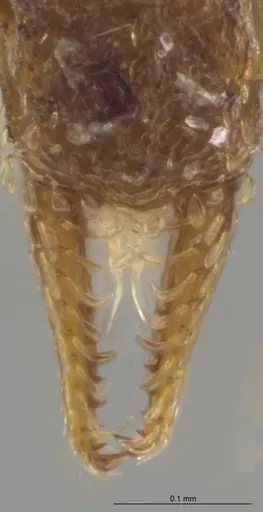
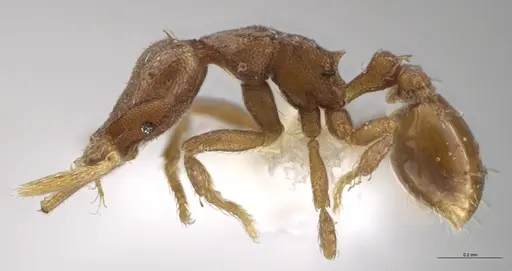
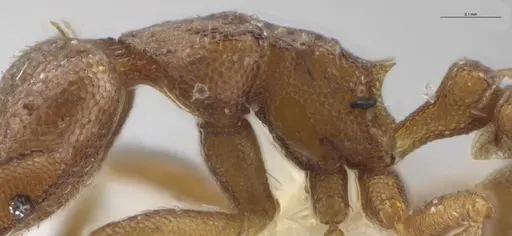
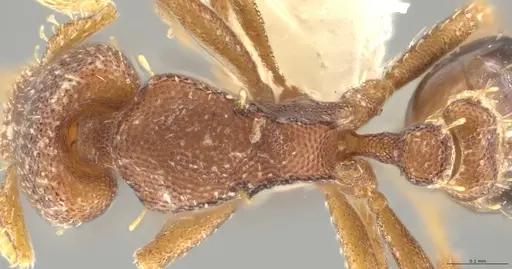
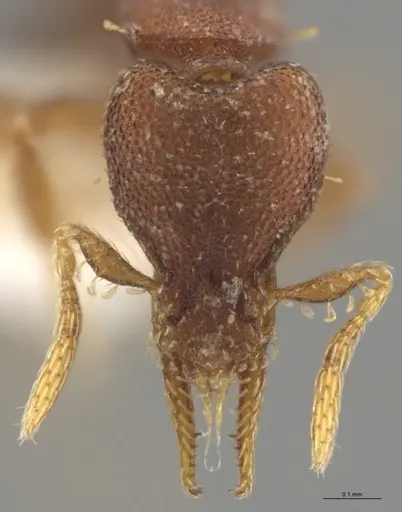
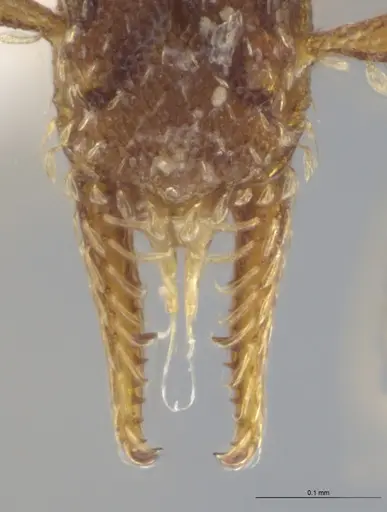
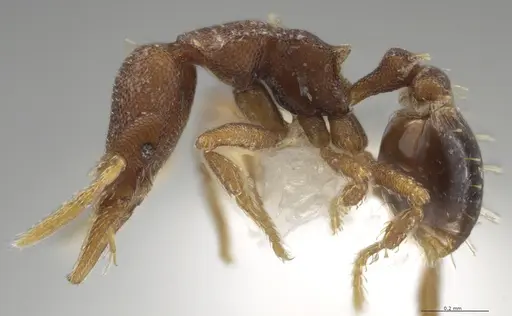
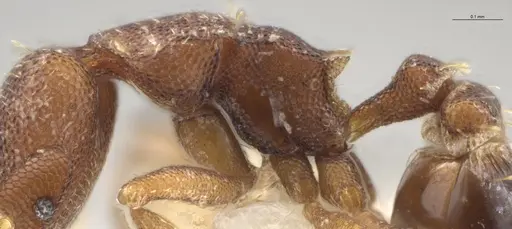
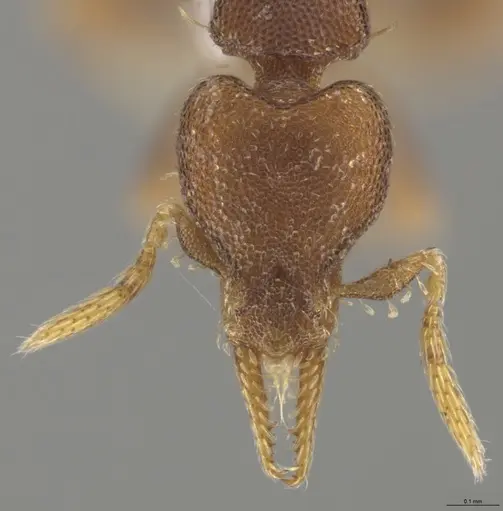
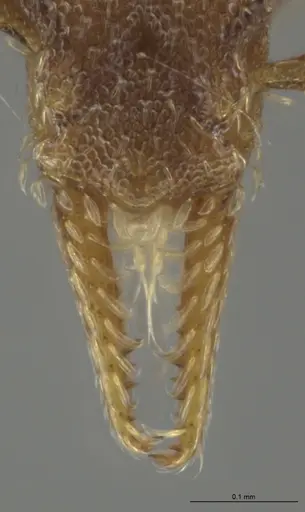
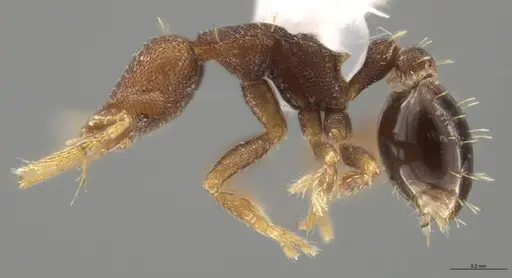
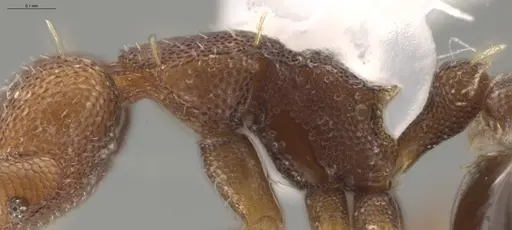
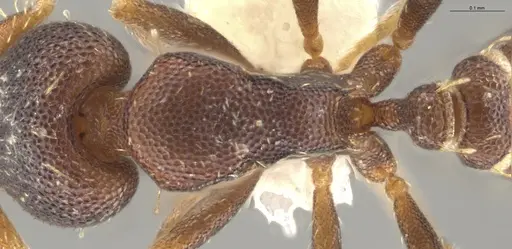
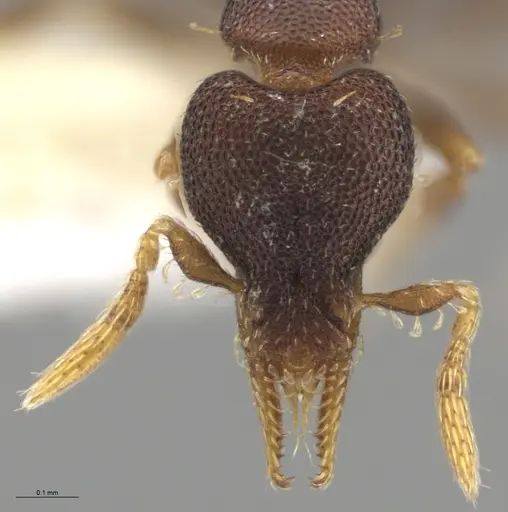
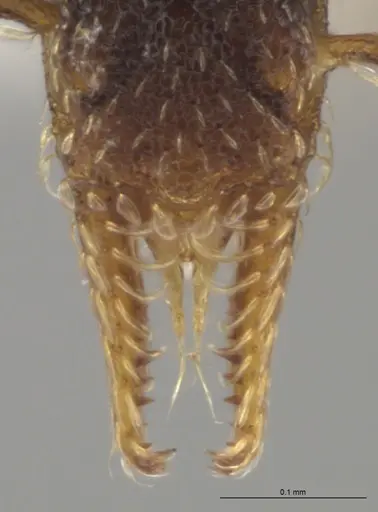
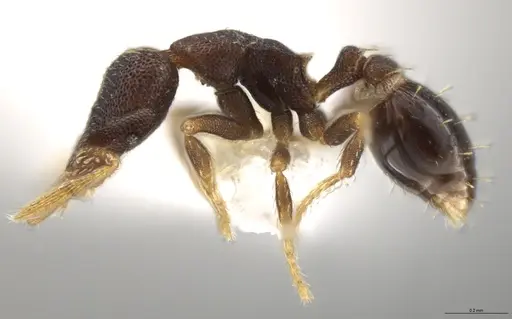
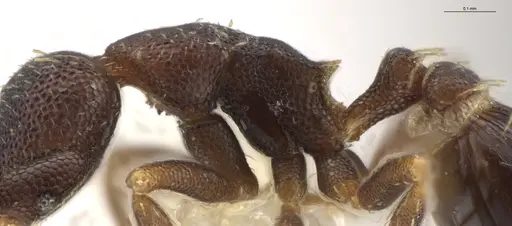
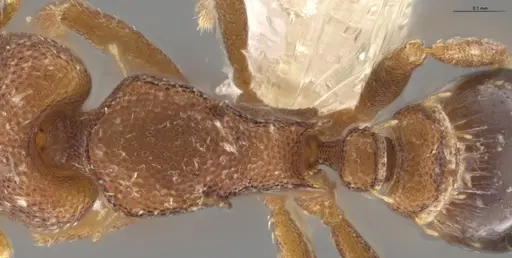
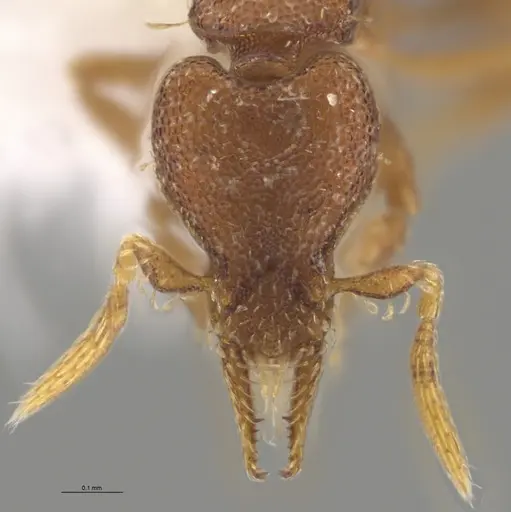
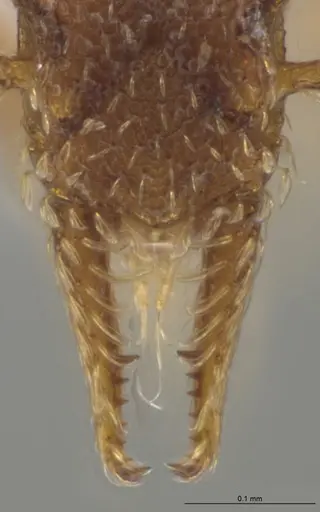
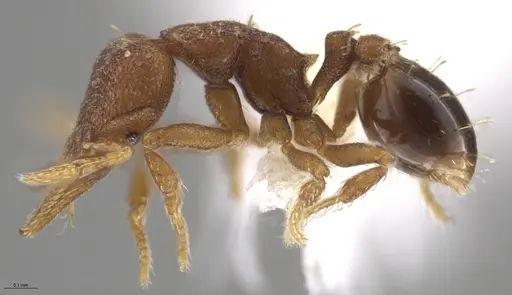
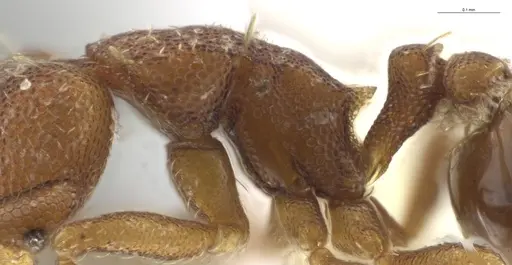
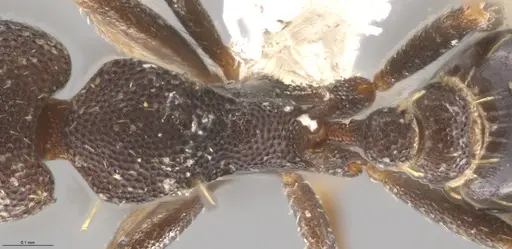
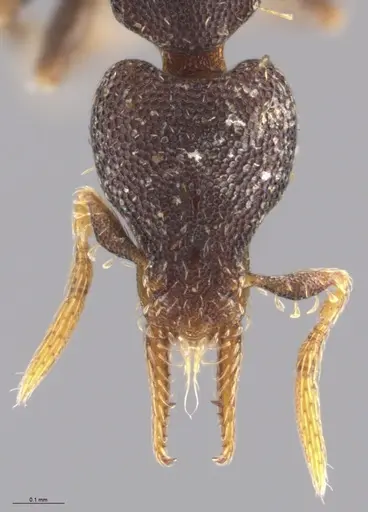
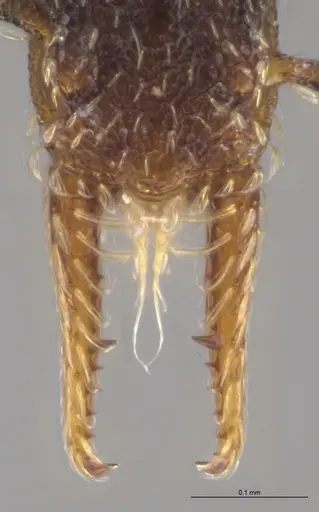
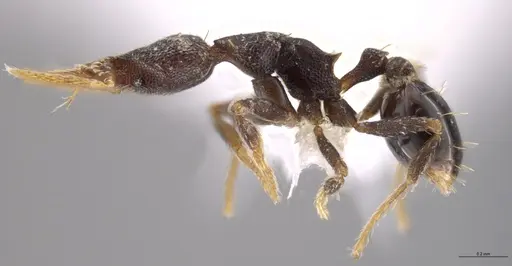
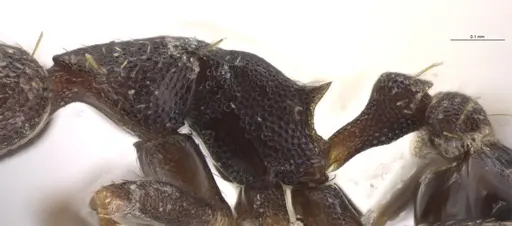
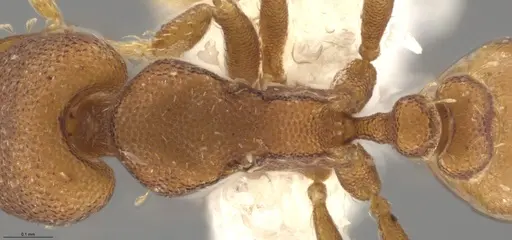
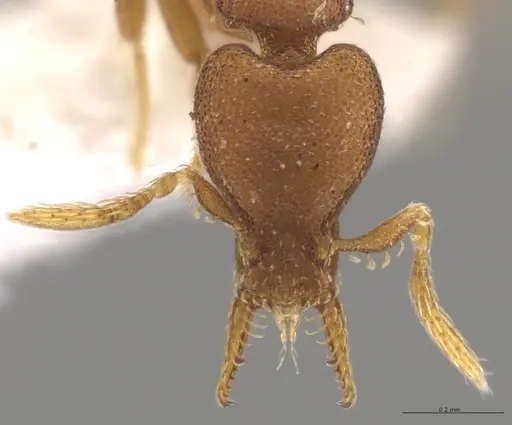
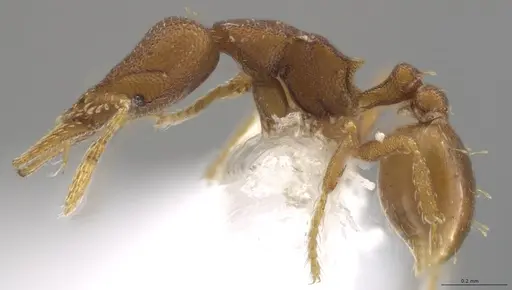
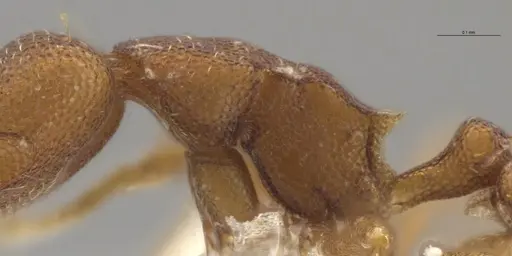
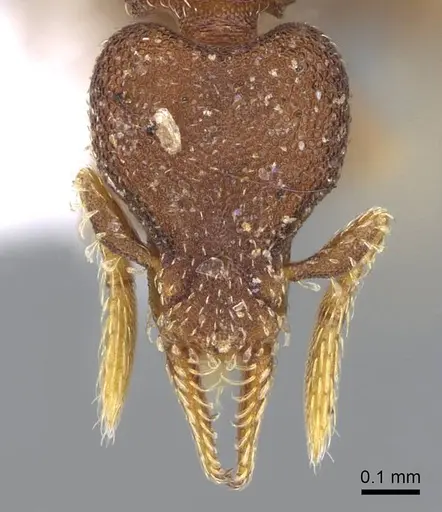
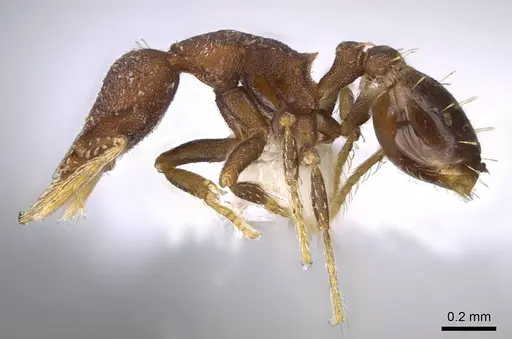
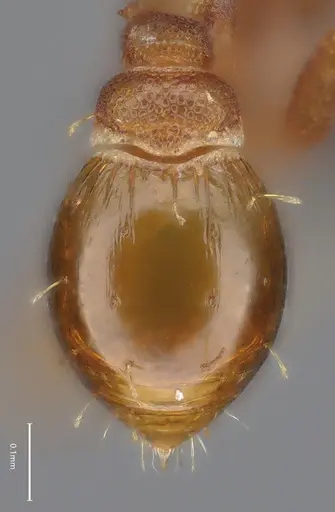
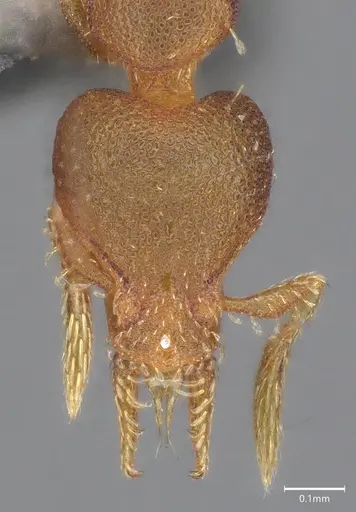
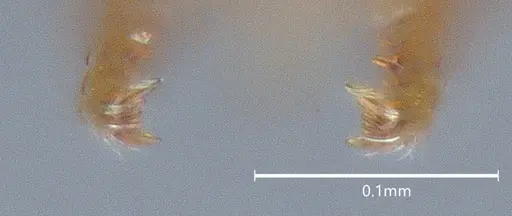
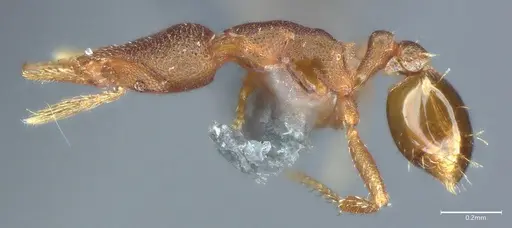
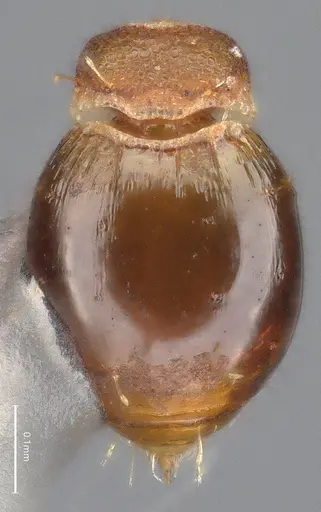
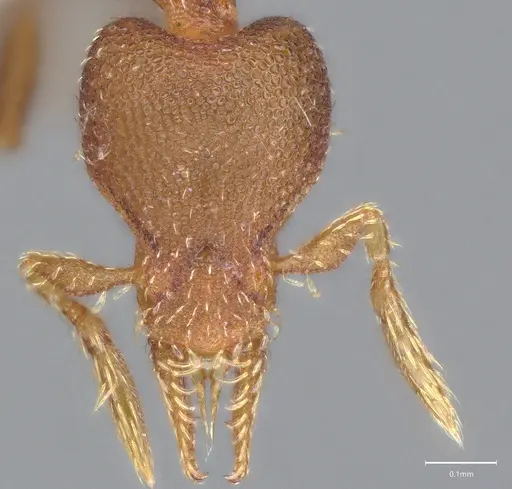
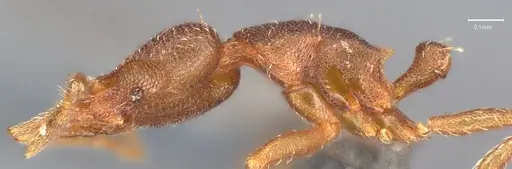
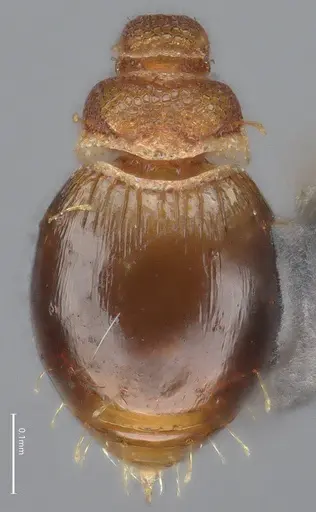
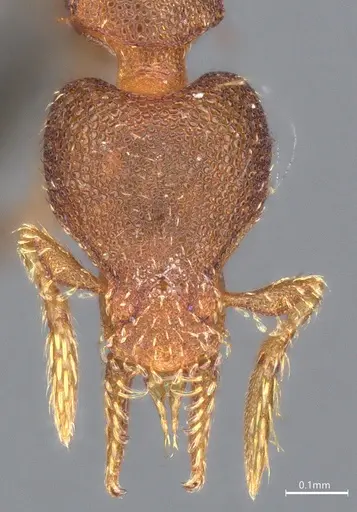
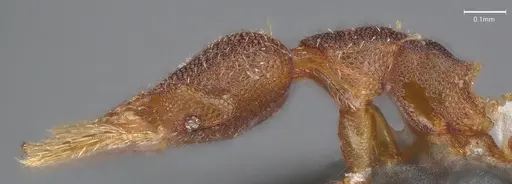
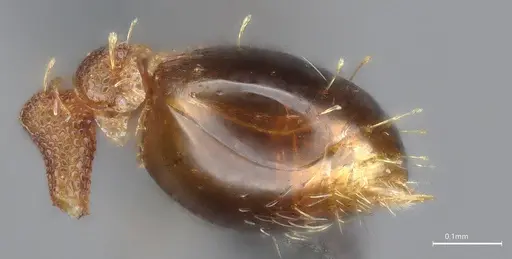
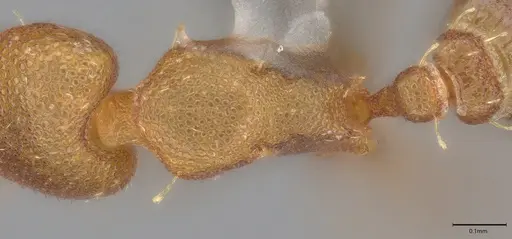
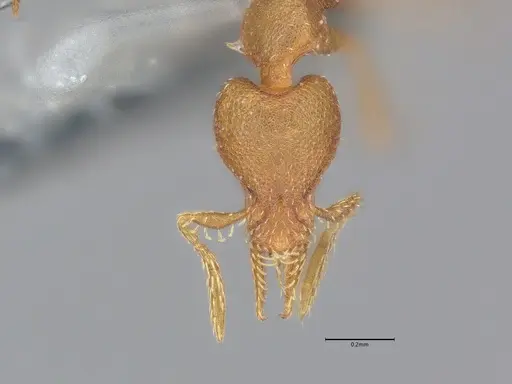
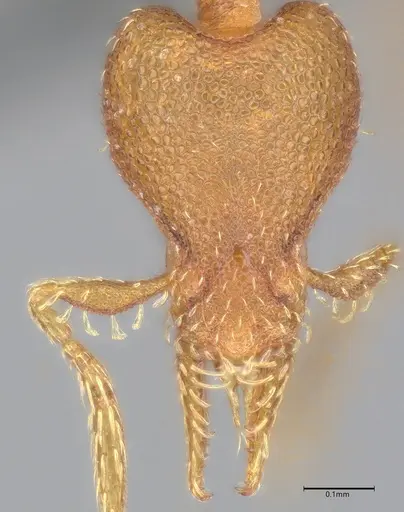
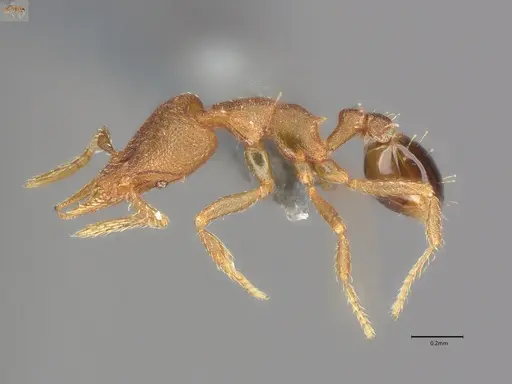
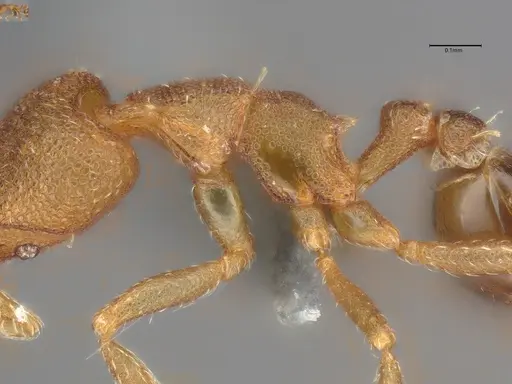
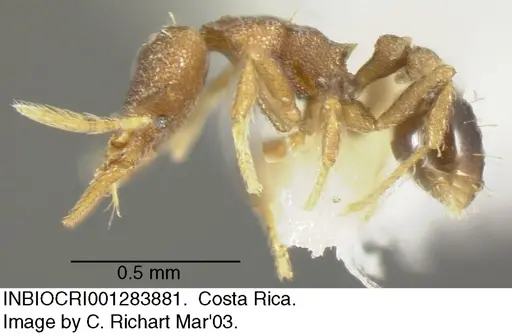
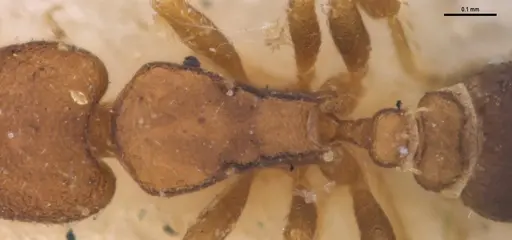
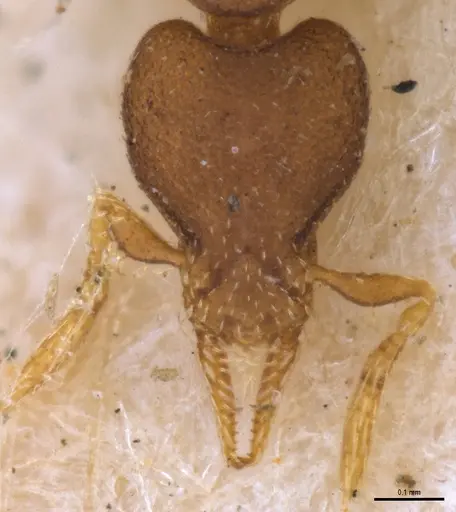
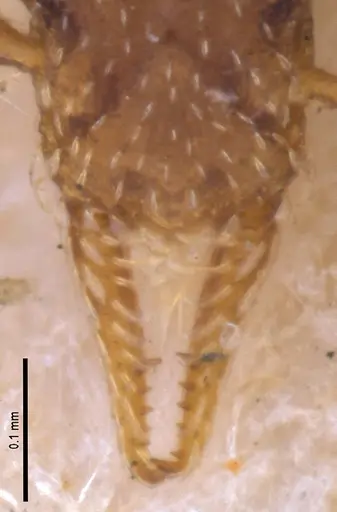
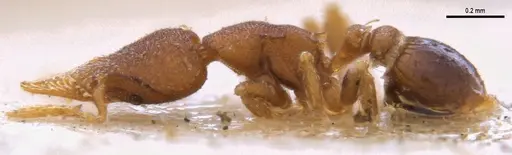
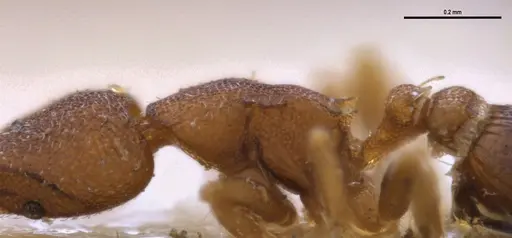
Strumigenys brevicornis is a tiny predatory ant native to Central America, ranging from Mexico down to Panama. Workers measure just 1.7-2.2mm and have a distinctive appearance with elongated linear mandibles and relatively small eyes. Their coloration ranges from yellow-brown to dark brown, with darker specimens typically found at higher elevations. This species belongs to the gundlachi group and is a specialized predator that hunts springtails (Collembola) in forest leaf litter [1].
These ants are fascinating ambush predators. They don't chase their prey actively, instead, they hold their mandibles open at about 30-40° and wait motionlessly for springtails to wander within striking range. Once they latch onto prey, they hang on bulldog-style and curl their abdomen to deliver a sting. Colonies are small, typically containing fewer than 30 workers, and they nest in small rotting bits of wood within the leaf litter.
Quick Summary
- Difficulty: Expert
- Origin & Habitat: Central America, found in Belize, Costa Rica, Guatemala, Honduras, Mexico, Nicaragua, and Panama. In Mexico, recorded in Chiapas, Guerrero, Tamaulipas, Quintana Roo, Tabasco, and Veracruz states [2]. They inhabit wet forested areas from near sea level up to 2600m elevation, with lighter forms most common below 500m and darker montane forms above that [1].
- Colony Type: Monogyne, colonies contain a single queen. Documented colony sizes reach 24-26 workers with brood.
- Colony: Monogyne
- Founding: Claustral
- Size & Growth:
- Queen: 1.9-2.3mm
- Worker: 1.7-2.2mm
- Colony: Up to ~30 workers
- Growth: Slow
- Development: Unknown, no specific development data available for this species (Based on related Strumigenys species, development likely takes several months. Colonies maintained in captivity for 2 years produced multiple generations.)
- Antkeeping:
- Temperature: Keep at 20-24°C. This species comes from tropical and subtropical forests, so they need warm, stable conditions. Avoid temperatures below 18°C or above 28°C [1].
- Humidity: High humidity required, think damp forest floor. Keep the nest substrate consistently moist but not waterlogged. These leaf-litter ants need humidity levels around 70-80% [1].
- Diapause: No, this is a tropical species that does not require hibernation. Maintain warm conditions year-round [1].
- Nesting: In nature they nest in small rotting wood fragments within leaf litter. In captivity, a naturalistic setup with moist substrate (like a mixture of soil and rotting wood) works well. Because they are tiny and live in confined spaces, they do well in small formicariums or test tube setups with tight chambers.
- Behavior: These ants are specialized springtail predators. They are sluggish hunters that rely on ambush behavior rather than active pursuit. Workers are small (under 3mm) and can escape through tiny gaps, excellent escape prevention is essential. They are not aggressive toward humans and cannot sting effectively. Their mandibles are designed for catching tiny prey, not for defense.
- Common Issues: escape prevention is critical, they are tiny and can squeeze through standard formicarium gaps, specialized diet makes them difficult to keep, they only accept live springtails and similar micro-arthropods, small colony size means slow population growth and limited tolerance for mistakes, wild-caught colonies may have parasites that kill them in captivity, they need high humidity, drying out kills colonies quickly
Housing and Setup
Strumigenys brevicornis requires a setup that recreates their natural leaf-litter environment. A naturalistic formicarium with moist soil substrate works well, mix potting soil with pieces of rotting wood or leaf litter material. Because they are tiny, use tight-fitting containers with fine mesh barriers for escape prevention. Test tubes with cotton plugs can work for founding colonies, but transfer to a more naturalistic setup once the colony grows. The key is maintaining high humidity while ensuring good ventilation to prevent mold. A small outworld for foraging allows you to introduce live prey.
Feeding and Diet
This is the most challenging aspect of keeping S. brevicornis. They are obligate predators on springtails (Collembola), particularly entomobryid and isotomid species. In laboratory colonies, they readily captured and consumed entomobryid springtails including Orchesella-like species. They ignored other offered prey including small symphylans, millipedes, campodeids, mosquitoes, and mites. You will need a sustainable source of live springtails, cultures can be started and maintained separately. Do not rely on sugar water or honey, these ants are strict predators. Feed springtails every few days, removing uneaten prey to prevent mold. A colony was maintained for two years in captivity on a diet of nothing but springtails.
Temperature and Care
Keep these ants warm at 20-24°C year-round. They come from tropical Central American forests and do not tolerate cool temperatures. Room temperature in most homes is suitable, but monitor during winter to ensure they are not near cold windows or AC vents. No hibernation or diapause is required, maintain consistent warm conditions throughout the year. Avoid temperature fluctuations and never let the nest area drop below 18°C. Heating is generally not needed if your room stays within this range, but a heating cable on one side of the setup can create a gentle gradient if needed [1].
Behavior and Hunting
S. brevicornis has one of the most interesting hunting behaviors in the ant world. Rather than actively foraging, they employ an ambush strategy. Workers hold their linear mandibles open at about 30-40° angle and remain completely still, waiting for springtails to wander by. When a springtail comes within range, they strike with incredible speed. Even when the springtail jumps away (which they frequently do), the ant hangs on bulldog-fashion and immediately curls its abdomen to sting. On one documented occasion, a springtail jumped and left behind a leg still in the ant's jaws, the ant bore the leg back to the nest regardless. This sedentary hunting style means they do not need much foraging space.
Colony Dynamics
Colonies are small compared to most ant species. Natural colonies contain around 24-26 workers plus a single queen, along with brood in various stages. One documented nest contained 4 worker pupae and 5 larvae, another had 18 worker pupae,13 larvae, and several eggs. In captivity, colonies can produce males and winged females. One laboratory colony produced two separate sets of males and winged females over two years, though mating was not observed in captivity. Growth is slow, expect your colony to remain small (under 30 workers) for a long time. This species is not for keepers who want rapid colony expansion.
Frequently Asked Questions
Can I keep Strumigenys brevicornis in a test tube?
Yes, test tubes work for founding colonies. Keep the cotton moist but not flooded, and ensure excellent escape prevention, these tiny ants can squeeze through standard barriers. Transfer to a naturalistic setup once the colony reaches 10-15 workers.
How long until first workers in Strumigenys brevicornis?
The exact timeline is unknown for this species. Based on related Strumigenys species, expect 2-4 months from founding to first workers. Development is slow, be patient and do not disturb the queen during founding.
What do Strumigenys brevicornis eat?
They eat only live springtails (Collembola). This is a specialized predator that ignores other prey. You must maintain a live springtail culture to keep this species. Entomobryid and isotomid springtails are preferred.
Are Strumigenys brevicornis good for beginners?
No. This is an expert-level species due to their specialized diet (live springtails only), high humidity requirements, tiny size making escape likely, and slow growth. They are fascinating but challenging, only attempt after you have experience with easier ant species.
How big do Strumigenys brevicornis colonies get?
Colonies remain small, typically under 30 workers even in mature colonies. This is a naturally low-population species that does not produce large colonies like many other ants.
Can I keep multiple Strumigenys brevicornis queens together?
No. This is a monogyne species with single-queen colonies. Combining unrelated queens is not recommended and would likely result in fighting.
Do Strumigenys brevicornis need hibernation?
No. As a tropical species from Central America, they do not require hibernation. Keep them warm year-round at 20-24°C.
Why are my Strumigenys brevicornis dying?
Common causes include: dried-out substrate (they need high humidity), wrong food (they must have live springtails, not dead prey or sugar), escape (they are tiny and will find any gap), and temperature stress (too cold kills them quickly). Check each of these factors.
When to move Strumigenys brevicornis to a formicarium?
Keep them in a test tube or small container for the founding stage. Once the colony reaches 10-15 workers and you notice the test tube getting dirty or the colony struggling, transfer to a naturalistic setup with moist substrate. They do well in small naturalistic setups that mimic their leaf-litter habitat.
What makes Strumigenys brevicornis unique?
Their ambush hunting behavior is unique, they hold mandibles open at 30-40° and wait motionlessly for springtails to wander by, then strike and sting. They are also one of the few ant species that can be maintained long-term on a diet of only springtails.
References

This caresheet is licensed under CC BY-SA 4.0 .
ANTWEB1053265
View on AntWeb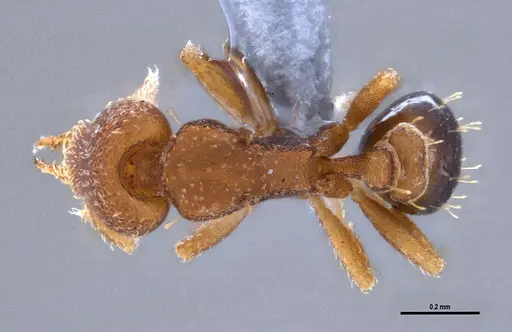
ANTWEB1053266
View on AntWeb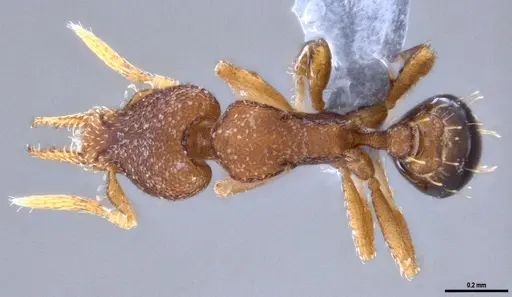
ANTWEB1053443
View on AntWeb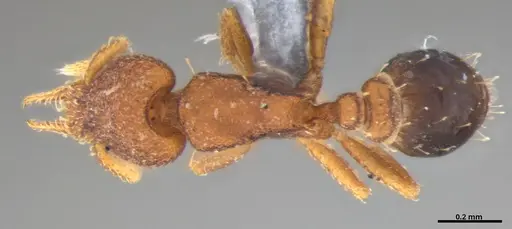
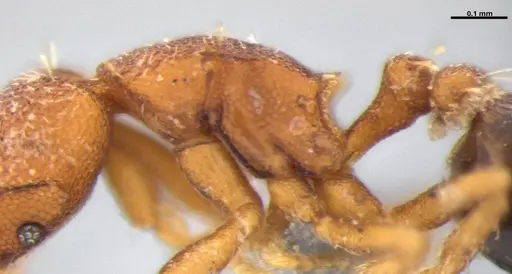
CASENT0217918
View on AntWeb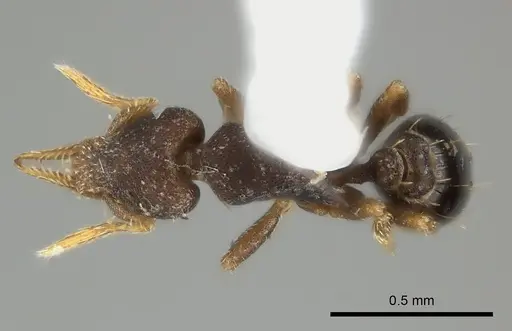
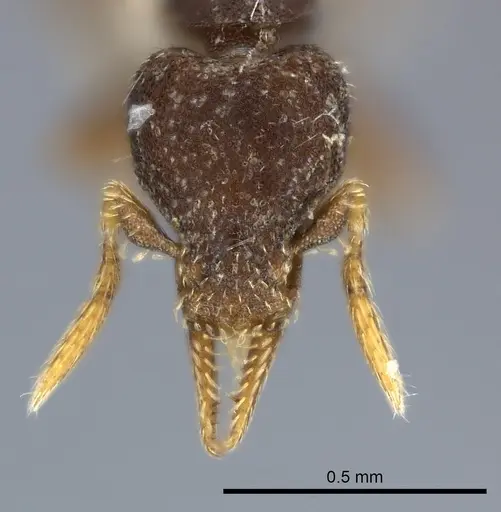
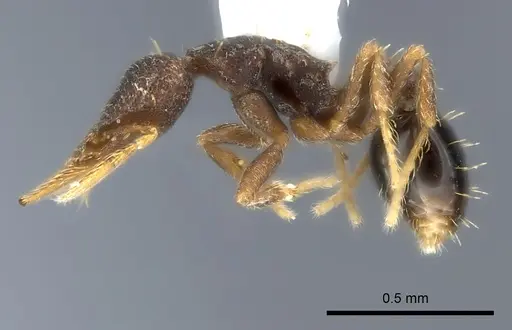
CASENT0246131
View on AntWeb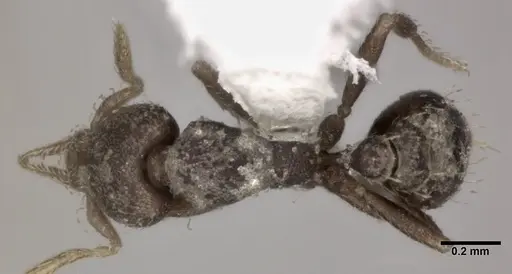
CASENT0600892
View on AntWeb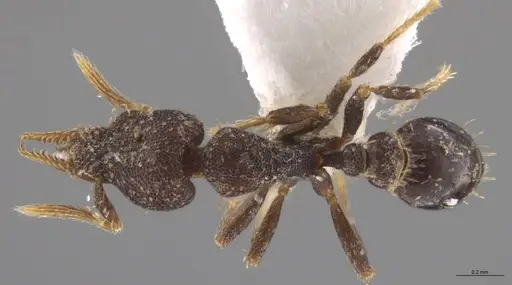
CASENT0601752
View on AntWeb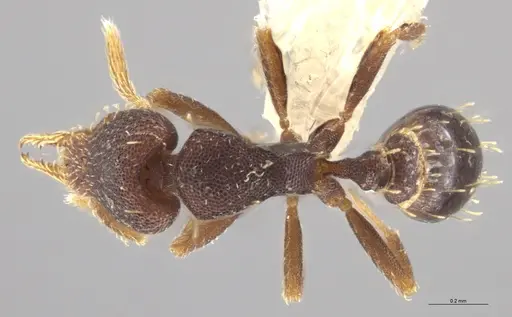
CASENT0610778
View on AntWeb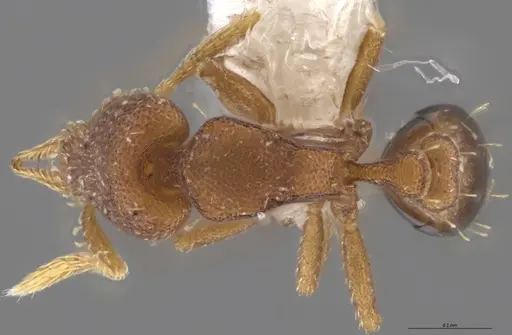
CASENT0617598
View on AntWeb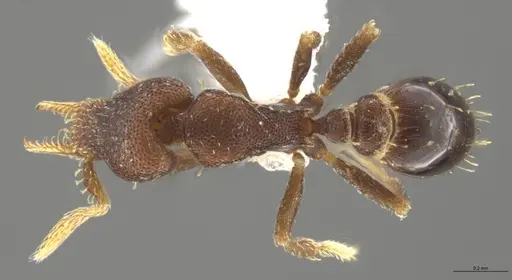
CASENT0633125
View on AntWeb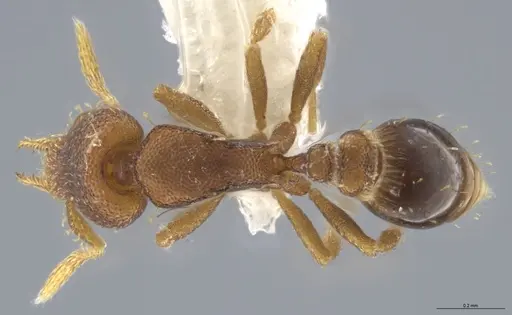
CASENT0633819
View on AntWeb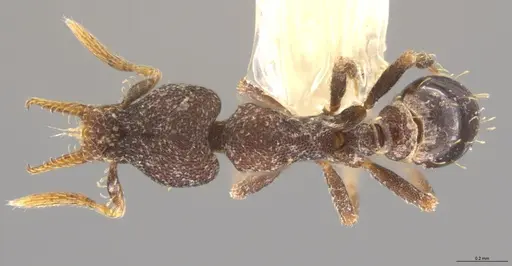
CASENT0633824
View on AntWeb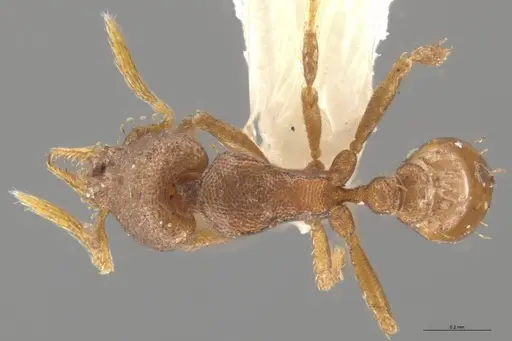
CASENT0633862
View on AntWeb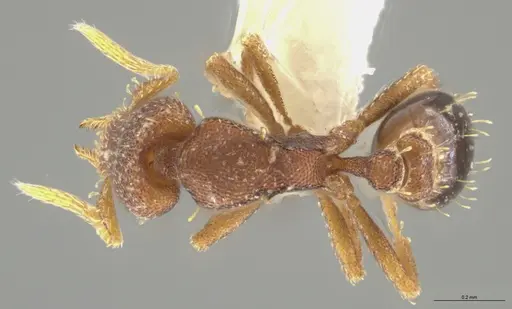
CASENT0635618
View on AntWeb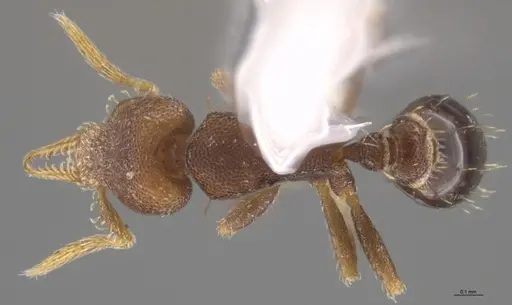
CASENT0640414
View on AntWeb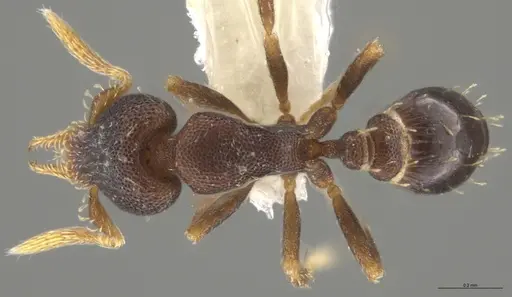
CASENT0648556
View on AntWeb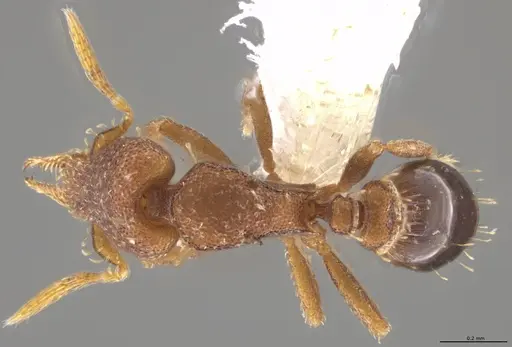
CASENT0648572
View on AntWeb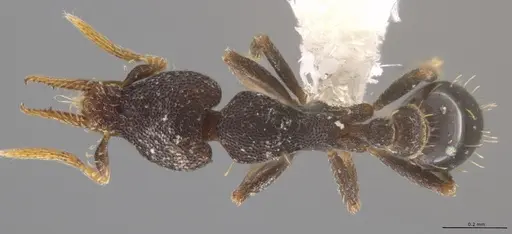
CASENT0653034
View on AntWeb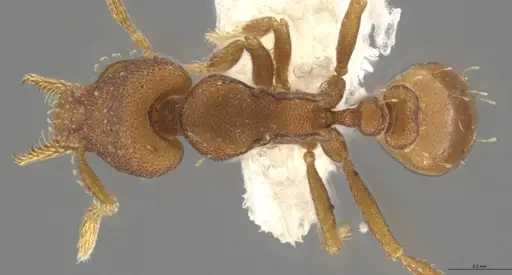
CASENT0914682
View on AntWeb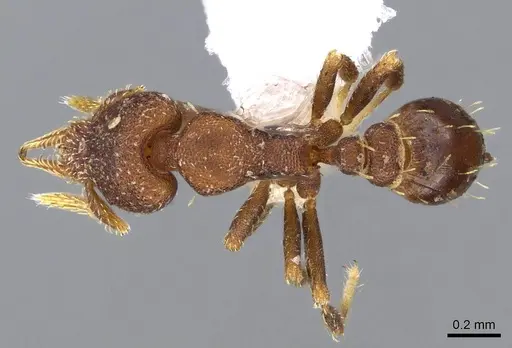
CASENT4036113
View on AntWeb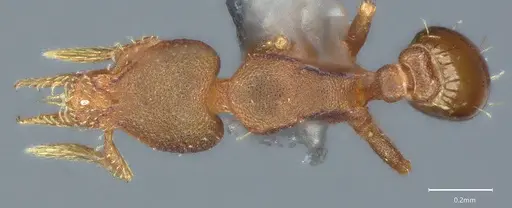
CASENT4036114
View on AntWeb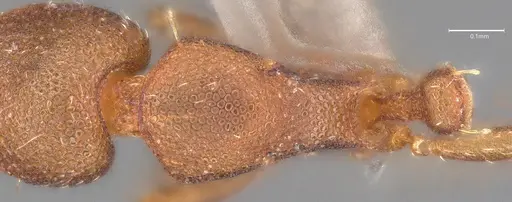
CASENT4036115
View on AntWeb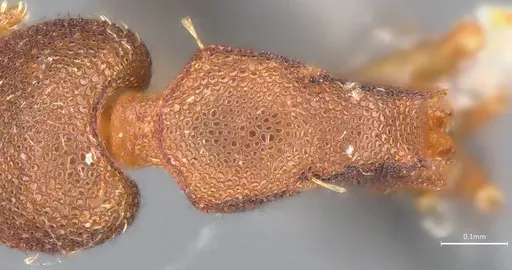
CASENT4036116
View on AntWeb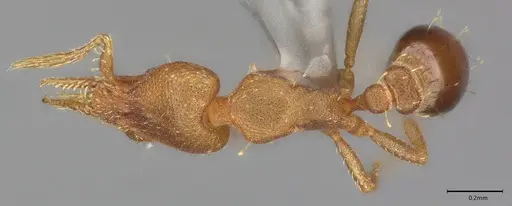
CASENT4036117
View on AntWeb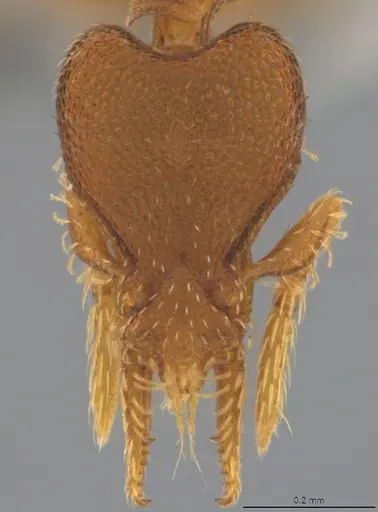
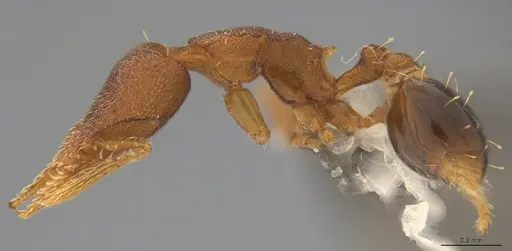
CASENT4036201
View on AntWeb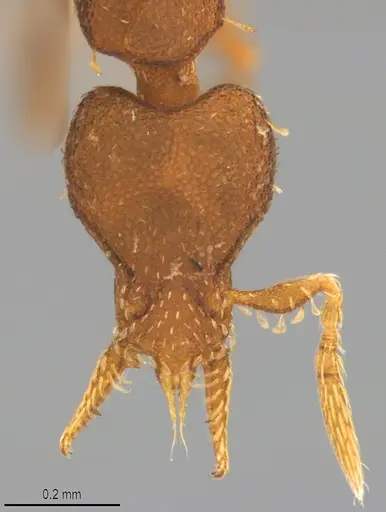
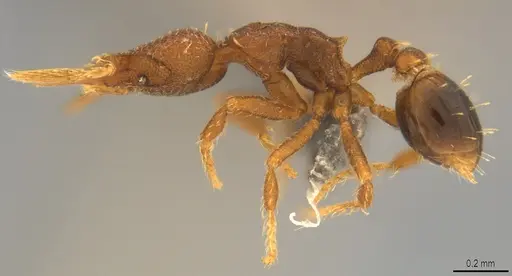
INBIOCRI001283881
View on AntWeb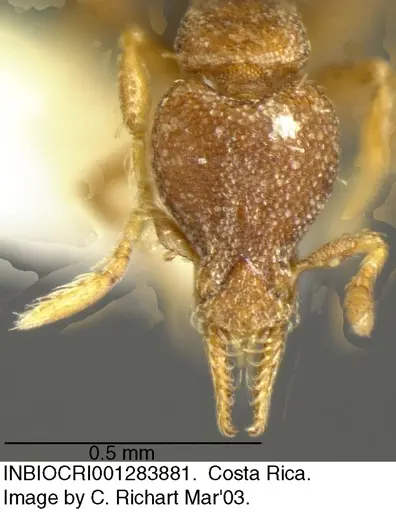
MZSPHYM0140060
View on AntWeb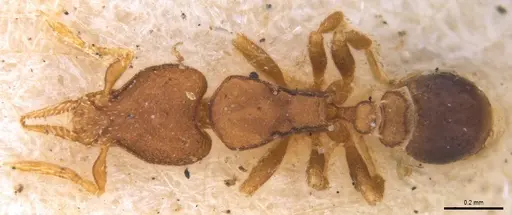
Literature
Loading...Loading products...