

Strumigenys boneti
- Scientific Name
- Strumigenys boneti
- Tribe
- Attini
- Subfamily
- Myrmicinae
- Author
- Brown, 1959
- Distribution
- Found in 4 countries
Strumigenys boneti Overview
Strumigenys boneti is an ant species of the genus Strumigenys. It is primarily documented in 4 countries , including Belize, Guatemala, Mexico. Detailed taxonomic data and occurrence records can be further explored via authoritative databases such as AntWeb or the Global Biodiversity Information Facility (GBIF).
Strumigenys boneti - "Trap-Jaw Ant (a general common name for the genus)"
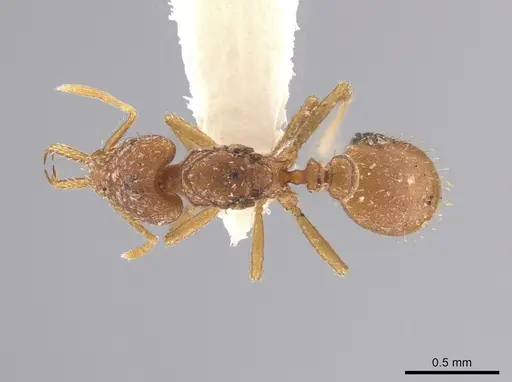
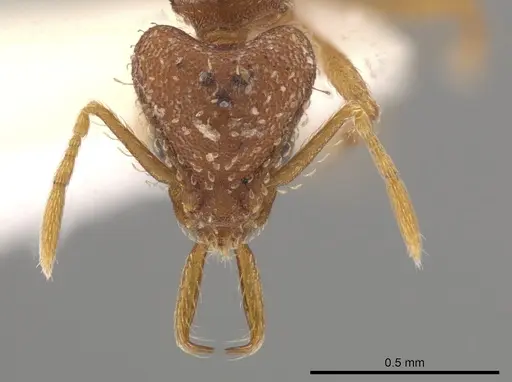
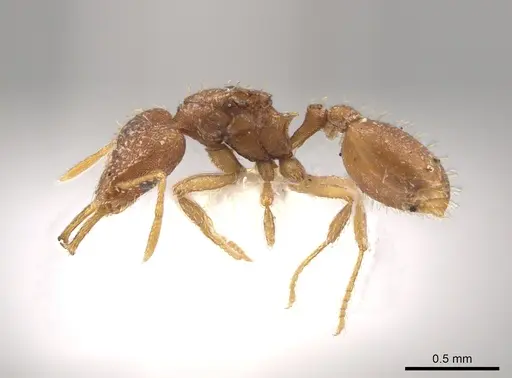
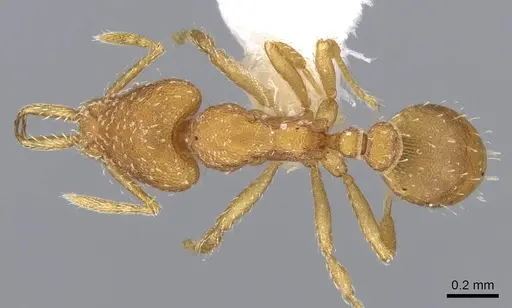
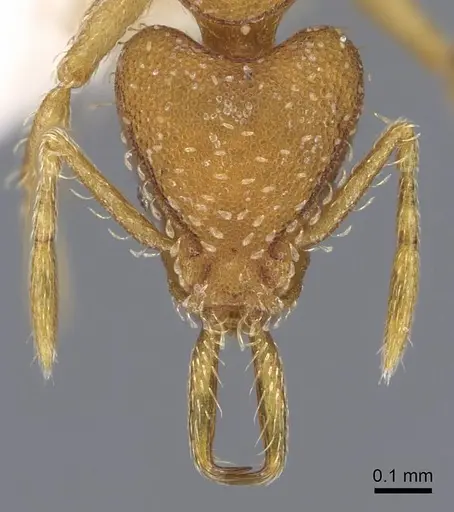
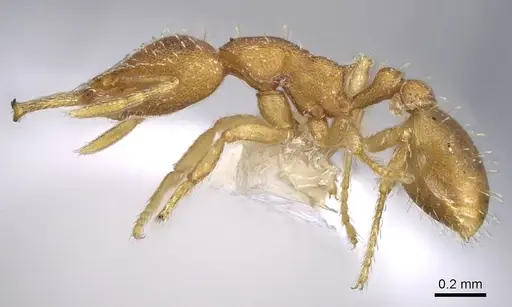
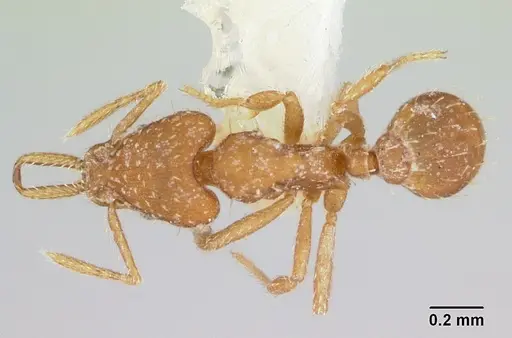
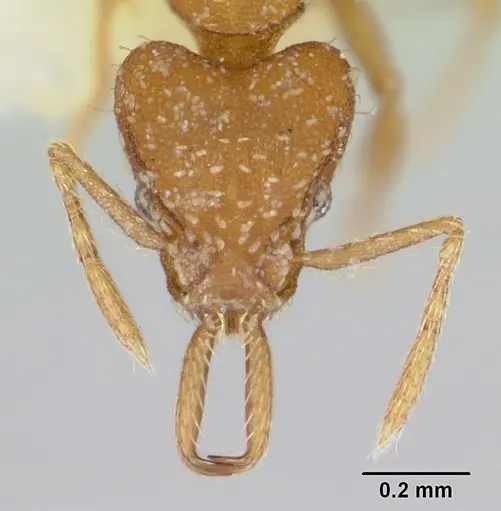
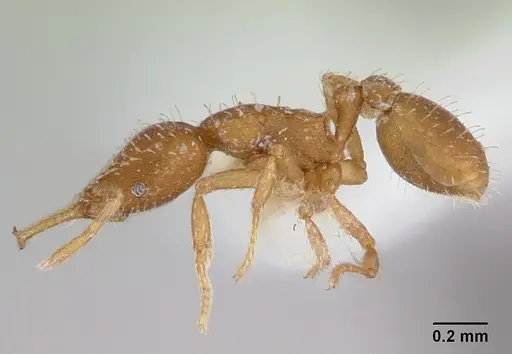
Strumigenys boneti is a small, cryptic ant species belonging to the Myrmicinae subfamily. These ants are well-known for their unique trap-jaw mandibles, which can snap shut at incredibly high speeds to capture their prey, primarily small arthropods like springtails. Workers are generally minute, ranging from 2.1 to 2.3 mm in total length, and can be reddish-brown. They are often covered with small hairs or bristles, giving them a slightly fuzzy appearance. Observing these ants can be challenging due to their small size and cryptic nature; they rarely forage openly above ground and become motionless when disturbed.
- Difficulty: Medium
- Origin & Habitat: Central America and Southern USA (specifically Texas), Mexico, Belize, Guatemala, and Honduras. in Woodland habitats, often found in leaf litter, decaying logs, moist soil, and shaded areas..
- Colony Type: Monogyne, claustral founding.
- Size & Growth:
- Queen: Not specified
- Worker: 2.1-2.3mm
- Colony: Small (hundreds). Slow growth.
- Antkeeping:
- Temperature: Maintain a temperature range between 22°C and 26°C. Avoid extreme temperature fluctuations..
- Humidity: High humidity is crucial, ideally between 60% and 80%. This can be achieved by keeping a part of the nest consistently moist..
- Diapause: Not required. Not specified at Not specified.
- Nesting: These ants prefer small formicariums with easy-to-access chambers. Naturalistic setups mimicking their leaf litter habitat, such as those made from plaster, soil, or even small tubs with a substrate layer, are ideal. Nests should include areas that retain high humidity..
- Behavior: Low (towards handler, primarily prey focused) aggressiveness.
- Common Issues: Lack of suitable live prey, Insufficient humidity, Mold in nest, Mites, Escape due to small size.
Keeping Strumigenys boneti can be a rewarding experience for ant keepers, but it does present a few unique challenges due to their specialized nature. Their dietary requirements are quite specific; they are predatory ants that primarily hunt tiny arthropods like springtails. Therefore, a consistent supply of live prey, such as small springtails or micro-crickets, is essential for their well-being and colony development. Relying solely on dead insects or sugars might lead to a decline in colony health over time, so ensure your feeding regimen mimics their natural hunting habits.
Humidity management is another critical aspect of caring for these fascinating ants. Strumigenys boneti thrive in high-humidity environments, typically found within leaf litter and moist soil. Maintaining a constant humidity level of 60-80% within their formicarium is vital to prevent desiccation and promote a healthy colony. This often means using suitable nesting materials that retain moisture well, like plaster, and regularly moistening a portion of their habitat. Improper humidity can quickly lead to colony stress and decline.
Their cryptic behavior means you might not see them foraging out in the open much, unlike many other common ant species. Strumigenys boneti are masters of ambush predation and are quite shy, often freezing when disturbed. This makes observing their unique trap-jaw mandibles in action a rare but exciting event. Providing a varied substrate like leaf litter in their outworld can encourage more natural foraging behaviors and make for a more engaging display, even if they remain largely hidden.
Due to their small size and preference for hidden living, Strumigenys boneti colonies are relatively inconspicuous. This can be both a benefit and a challenge. While they don't require vast amounts of space, their small stature also means that escapes can be an issue if your setup isn't escape-proof. Thoroughly sealing any potential gaps and using fine mesh for ventilation is recommended to keep these tiny predators contained within their formicarium. Additionally, their small size means mites or mold can be particularly detrimental, so maintaining pristine conditions is paramount.
Frequently Asked Questions
What do Strumigenys boneti ants eat?
These amazing ants are specialized predators! They primarily feast on small live arthropods, with springtails (Collembola) being their favorite. You'll need to provide a consistent supply of live springtails or even tiny micro-crickets to keep your Strumigenys boneti colony thriving and well-fed. Sugars aren't typically part of their diet.
How big do Strumigenys boneti colonies get?
Strumigenys boneti colonies are considered relatively small, usually numbering in the hundreds rather than thousands or tens of thousands. They won't take up much space, which can be great for keepers with limited room, but don't expect a supercolony!
What kind of nest is best for Strumigenys boneti?
When it comes to housing these fascinating ants, think small and moist! They prefer snug setups with easy-to-access chambers. Naturalistic formicariums that mimic their woodland floor habitat, like those made from plaster, or even small tubs with a layer of soil and leaf litter, work wonderfully. The key is ensuring a section of the nest stays consistently humid.
Do Strumigenys boneti need diapause?
Strumigenys boneti are typically found in warmer, subtropical regions, so they generally do not require a diapause period in captivity. Maintaining stable temperatures year-round within their preferred range is usually sufficient for their continuous development.
Are Strumigenys boneti difficult to keep?
While not for absolute beginners, Strumigenys boneti are considered a 'Medium' difficulty species. Their specialized diet of live prey and the crucial need for high, consistent humidity are the main challenges. Once you dial in these aspects, they are quite manageable for an intermediate ant keeper.
How do Strumigenys boneti hunt?
This is where Strumigenys boneti truly shine! They are ambush predators, using their lightning-fast trap-jaw mandibles to snap shut on unsuspecting prey, often small springtails. It's an incredible display of ant behavior, though you'll need a keen eye and patience to witness it, as they're quite cryptic.
Do Strumigenys boneti sting or bite?
You can breathe easy – Strumigenys boneti are not known to sting or deliver painful bites to humans. Their aggression is primarily directed towards their prey. They are quite shy and tend to freeze when disturbed, making them harmless to handle gently.
What is the typical size of a Strumigenys boneti worker?
These ants are tiny! Adult workers measure approximately 2.1 to 2.3 millimeters in total length. Their small size is part of their charm, but it also means you'll need to ensure your enclosure is escape-proof!
Where are Strumigenys boneti found in the wild?
Strumigenys boneti primarily call Central America home, with their range extending into the southernmost subtropical regions of Texas in the USA. You'll find them lurking in the leaf litter of woodlands and other moist, shaded environments.
Why are Strumigenys ants also called 'Dacetine ants'?
Strumigenys is a genus within the larger tribe Dacetini. This tribe is characterized by the unique and often complex morphology of their mandibles, including the famous trap-jaw mechanism. So, 'Dacetine ants' is a broader term encompassing Strumigenys and other genera with similar specialized mandibles.
Can I keep multiple Strumigenys boneti queens together (pleometrosis)?
No, Strumigenys boneti are monogyne, meaning colonies are founded and maintained by a single queen. Attempting to keep multiple queens together will likely result in conflict and the eventual death of all but one, or even all queens. Stick to one queen per setup for the best success.
How fast do Strumigenys boneti colonies grow?
Compared to some of the faster-growing species popular in antkeeping, Strumigenys boneti colonies develop at a relatively slow pace. Don't expect explosive growth; patience is definitely a virtue when keeping these delicate ants!
What kind of enclosure should I use for their outworld?
For their foraging area, an outworld with a layer of natural substrate like leaf litter or moist soil is ideal. This not only encourages their natural cryptic foraging behaviors but also provides a more aesthetically pleasing setup. Ensure the outworld is secure, as their small size can make them escape artists!
Are there any specific behaviors to look out for with Strumigenys boneti?
Their most notable behavior is their unique hunting style using their trap-jaw mandibles. You'll observe them patiently waiting for prey and then striking with incredible speed. They are also quite sensitive to disturbances, often becoming motionless to blend into their environment.
What are 'spongiform lobes' and why are they important for Strumigenys?
Many Strumigenys species, including S. boneti, possess unique 'spongiform lobes' located under their petiole and postpetiole. While their exact function can vary, these structures are typically associated with moisture retention or possibly even absorbing excess fluids from their environment, which is vital for species living in humid, cryptic habitats.

This caresheet is licensed under CC BY-SA 4.0 .
Literature
Loading...Loading products...