

Strumigenys bibiolona
- Scientific Name
- Strumigenys bibiolona
- Tribe
- Attini
- Subfamily
- Myrmicinae
- Author
- Fisher, 2000
- Distribution
- Found in 1 countries
Strumigenys bibiolona Overview
Strumigenys bibiolona is an ant species of the genus Strumigenys. It is primarily documented in 1 countries , including Madagascar. Detailed taxonomic data and occurrence records can be further explored via authoritative databases such as AntWeb or the Global Biodiversity Information Facility (GBIF).
Strumigenys bibiolona
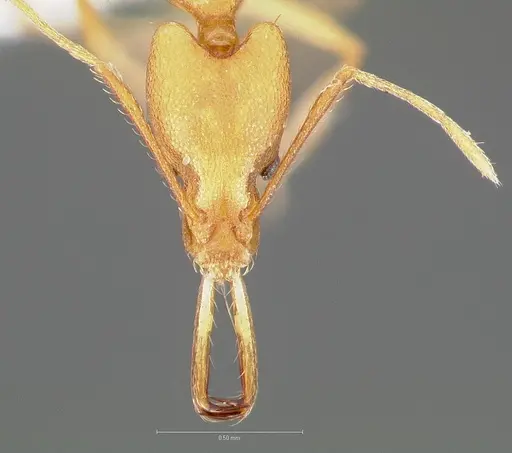
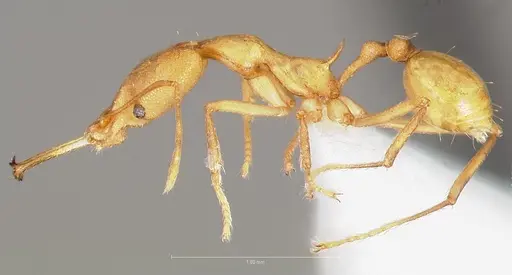
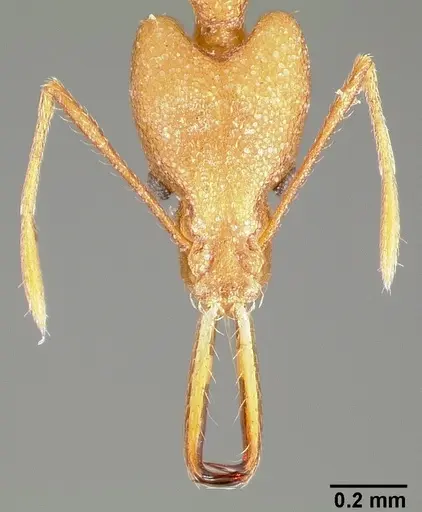
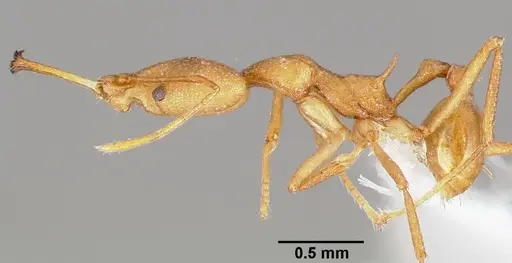
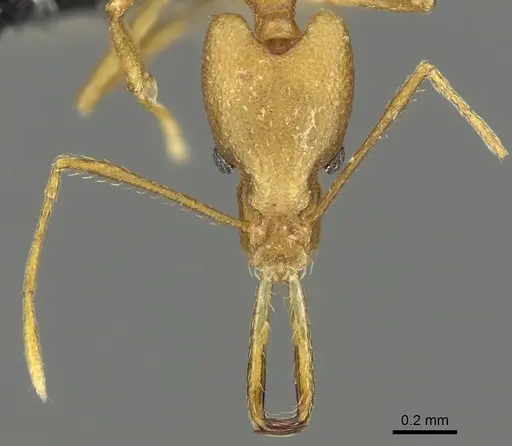
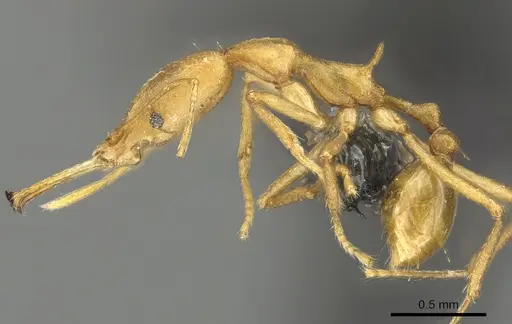
Strumigenys bibiolona is a tiny predatory ant native to Madagascar, belonging to the genus Strumigenys known for their specialized trap-jaw mandibles. Workers measure just 2-3mm, making them one of the smaller ant species you'll encounter. They have a distinctive elongated head and curved mandibles adapted for snapping shut on prey. This species was collected across a wide elevational range from 400m to 1860m in Madagascar's leaf litter, indicating they thrive in humid forest floor environments [1].
These ants are specialized predators, using their trap-jaw mechanism to capture small prey like springtails and other micro-arthropods. Unlike many ants, they don't rely on sugar sources, their entire diet comes from hunting. Colonies remain relatively small, typically containing only a few dozen to a few hundred workers. Their hunting style is ambush-based: they remain still until prey wanders within striking range, then their mandibles snap shut in lightning-fast attacks.
Quick Summary
- Difficulty: Hard
- Origin & Habitat: Madagascar, found in leaf litter at elevations from 400m to 1860m, indicating preference for humid forest floor habitats [1]
- Colony Type: Likely monogyne (single queen) based on typical Strumigenys colony structure
- Colony: Monogyne
- Founding: Claustral
- Size & Growth:
- Queen: Estimated 3-4mm, queens are only slightly larger than workers in Strumigenys
- Worker: 2-3mm [1]
- Colony: Likely under 200 workers based on typical Strumigenys colony sizes
- Growth: Slow, small colonies develop gradually
- Development: Estimated 8-12 weeks at optimal temperature based on related Strumigenys species (Development is likely slow due to small colony size and specialized predatory requirements)
- Antkeeping:
- Temperature: Keep around 20-24°C, the wide elevational range (400-1860m) suggests they can tolerate moderate temperatures. Avoid overheating.
- Humidity: High humidity is essential, think damp forest floor. Keep the nest substrate consistently moist but not waterlogged. These ants come from leaf litter environments where humidity stays high [1].
- Diapause: Likely minimal or no diapause, Madagascar is tropical and temperatures remain warm year-round. However, a slight cool period during winter months may be beneficial
- Nesting: Prefers naturalistic setups with moist substrate. A plaster nest or Y-tong with damp soil works well. They need tight chambers scaled to their tiny size. Avoid dry conditions entirely.
- Behavior: Strumigenys bibiolona is a specialized ambush predator. Workers hunt by remaining motionless, then snapping their trap-jaw mandibles shut when prey passes by. They are not aggressive toward humans and cannot sting, their only defense is escaping. Escape prevention is critical due to their tiny size, they can squeeze through remarkably small gaps. Colonies are peaceful and not territorial toward each other. Activity level is moderate, you'll see workers patrolling but not constantly swarming.
- Common Issues: escape prevention is critical, their tiny size means they squeeze through standard barrier gaps, colonies fail without proper live prey, they cannot survive on sugar water or dead insects alone, dry conditions kill them quickly, their leaf litter origin means they need constant humidity, slow growth tests patience, beginners may overfeed or disturb the colony trying to speed things up, wild colonies are very small, founding colonies may take months to show visible growth
Housing and Nest Setup
Strumigenys bibiolona requires a setup that maintains high humidity while providing space for hunting. A Y-tong (acrylic) nest with moist substrate or a plaster nest with a water reservoir works well. The chambers should be small and tight, these are tiny ants that feel exposed in large open spaces. A small outworld connected to the nest allows you to introduce live prey without disturbing the colony. Use a water tube or moisture reservoir to maintain humidity, and cover portions of the nest with a dark cover to reduce stress. Escape prevention must be excellent, apply Fluon or similar barriers to all edges, as these ants can slip through gaps invisible to the human eye.
Feeding and Diet
This species is an obligate predator, they cannot survive without live prey. Their primary food should be live springtails, which you can culture separately or purchase. Other small live prey like fruit flies, pinhead crickets, and tiny isopods may also be accepted. Offer prey 2-3 times per week, removing any uneaten remains within 24 hours to prevent mold. Unlike most ant species, Strumigenys do NOT eat sugar water, honey, or fruit, their digestive system is specialized for protein from prey. Some keepers report success with tiny pieces of raw meat or fish, but live prey should remain the primary food source. A constant water source is still necessary.
Temperature and Humidity
Maintain temperatures in the 20-24°C range. The wide elevational range of this species (400-1860m in Madagascar) suggests they can tolerate some variation, but avoid temperatures above 28°C or below 16°C. A heating cable on one side of the nest can create a gentle gradient if your room temperature runs cool. Humidity is critical, the substrate should feel consistently damp but never waterlogged. Mist the outworld occasionally to maintain ambient humidity. If you see workers clustering near moisture or the nest substrate is drying out, add more water. Dry conditions are one of the most common causes of colony failure. [1]
Colony Development
Colonies grow slowly. A newly founded queen with her first brood may take 2-3 months before the first nanitic (first-generation) workers emerge. Even after workers arrive, growth remains gradual, expect months to reach even 20-30 workers. This is normal for Strumigenys and reflects their K-selected life history: they invest heavily in each individual rather than producing mass numbers. Resist the urge to check the nest frequently or move the colony, as disturbance stresses them. Feed modestly, overfeeding leads to mold and mite problems in small colonies. Patience is essential with this species.
Behavior and Handling
Strumigenys bibiolona is not a handling pet. These ants are tiny, fast, and their primary response to disturbance is to flee or hide. They cannot sting and pose no danger to humans. When hunting, they display their remarkable trap-jaw mechanism, workers freeze, then snap their mandibles shut in under a millisecond when prey triggers their sensory hairs. This is fascinating to observe but requires patience and a well-fed colony. They are not aggressive and will not defend territory or attack your hand. If you need to move the colony, wait until most workers are in the nest chamber, then gently plug the tube and relocate the entire setup.
Frequently Asked Questions
How long does it take for Strumigenys bibiolona to get their first workers?
Expect 8-12 weeks from founding to first workers emerging, though this is an estimate based on related species. The queen will remain sealed in her chamber raising brood until the first nanitics arrive.
What do Strumigenys bibiolona eat?
They are obligate predators that need live prey. Feed them live springtails as a primary food source, with occasional other small live insects like fruit flies or tiny crickets. They do NOT eat sugar water, honey, or dead insects.
Can I keep Strumigenys bibiolona in a test tube?
A test tube can work for a founding queen, but you'll need to move them to a proper nest with substrate once workers arrive. They need humidity control that test tubes alone don't provide well. A small Y-tong or plaster nest is better long-term.
Are Strumigenys bibiolona good for beginners?
No, this species is difficult for beginners. Their need for live prey, high humidity, and slow growth make them challenging. They are better suited for antkeepers with experience maintaining specialized predatory species.
How big do Strumigenys bibiolona colonies get?
Colonies likely remain small, probably under 200 workers at maturity. This is typical for Strumigenys, which favor quality over quantity in their colony development.
Do Strumigenys bibiolona need hibernation?
Probably not. Madagascar is tropical with warm year-round temperatures. A slight cool period in winter may be beneficial but is not required. Avoid temperatures below 16°C.
Why are my Strumigenys bibiolona dying?
The most common causes are: dry conditions (humidity too low), lack of live prey (they starve without hunting), mold from overfeeding, or escape through tiny gaps. Check your humidity levels, ensure you're providing live springtails, and verify escape prevention is complete.
When should I move Strumigenys bibiolona to a formicarium?
Wait until the colony has at least 20-30 workers and the founding test tube is drying out or moldy. Move them gently by connecting the old nest to the new setup and letting them relocate themselves. Disturbing the queen during founding often ends badly.
Can I keep multiple Strumigenys bibiolona queens together?
Not recommended. While colony structure is not fully studied, Strumigenys are typically monogyne. Combining unrelated queens typically results in fighting.
References

This caresheet is licensed under CC BY-SA 4.0 .
CASENT0005493
View on AntWeb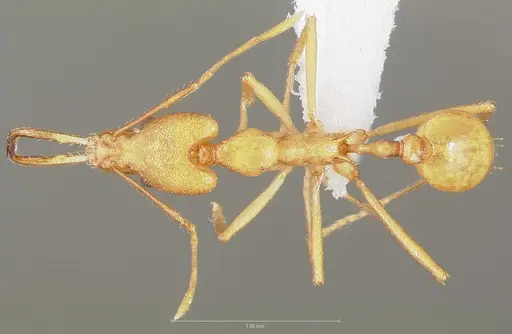
CASENT0005494
View on AntWeb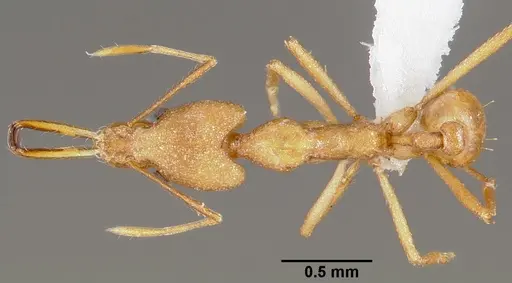
CASENT0005495
View on AntWeb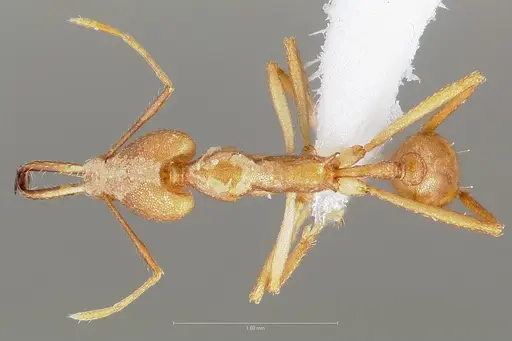
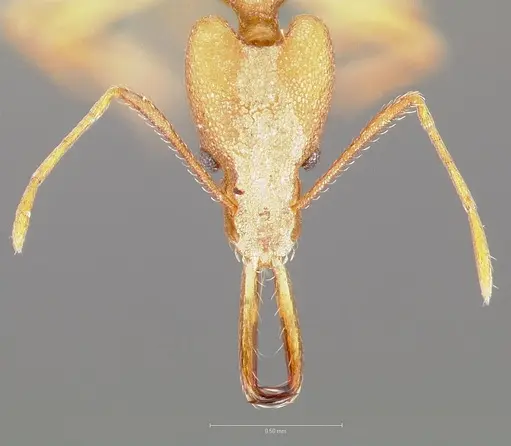
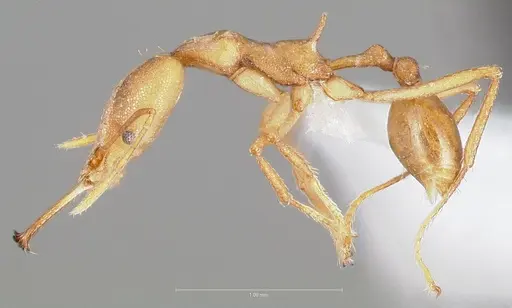
CASENT0005496
View on AntWeb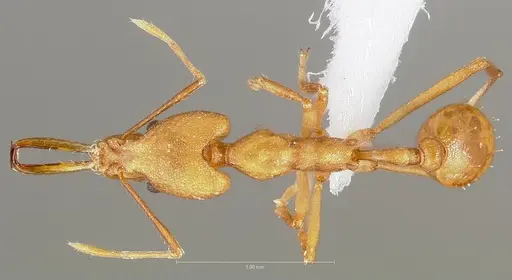
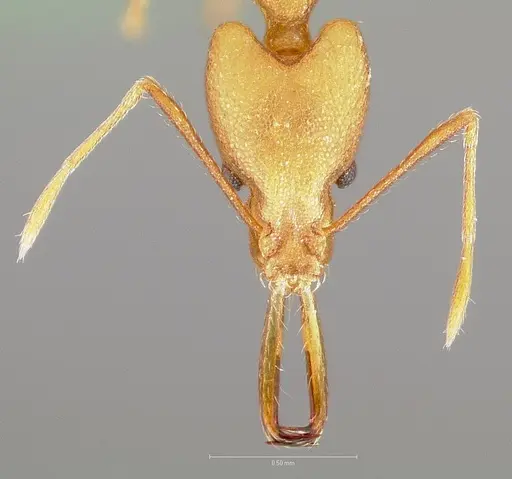
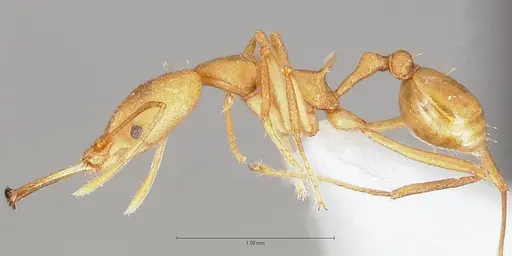
CASENT0900697
View on AntWeb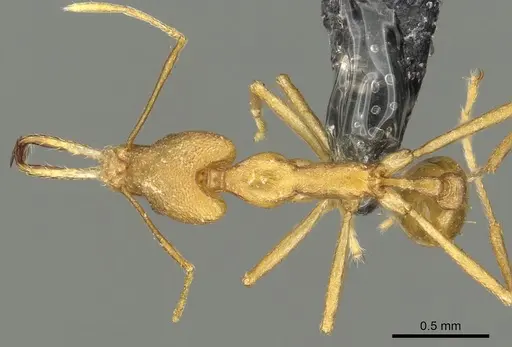
Literature
Loading...Loading products...