

Strumigenys belial
- Scientific Name
- Strumigenys belial
- Tribe
- Attini
- Subfamily
- Myrmicinae
- Author
- Bolton, 2000
- Distribution
- Found in 1 countries
Strumigenys belial Overview
Strumigenys belial is an ant species of the genus Strumigenys. It is primarily documented in 1 countries , including Gabon. Detailed taxonomic data and occurrence records can be further explored via authoritative databases such as AntWeb or the Global Biodiversity Information Facility (GBIF).
Strumigenys belial
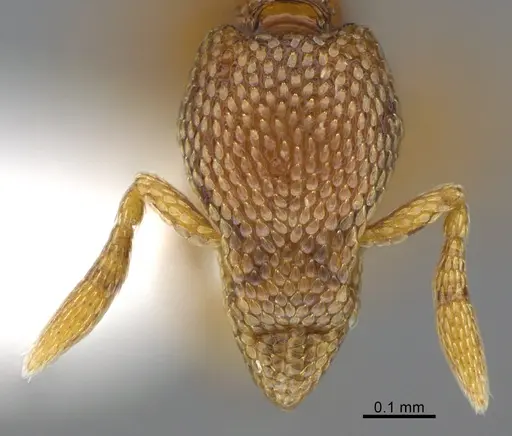
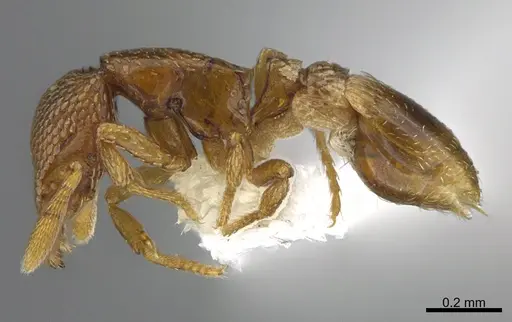
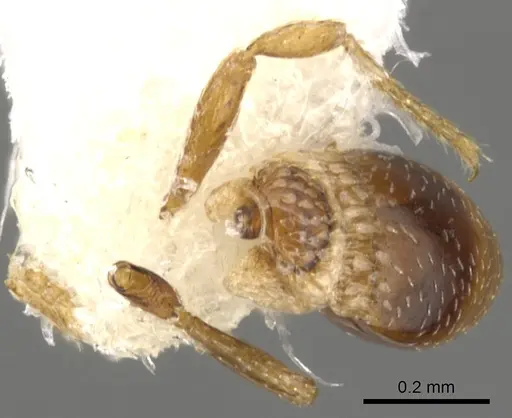
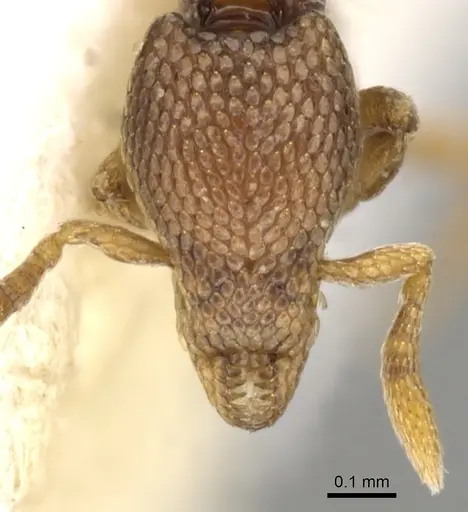
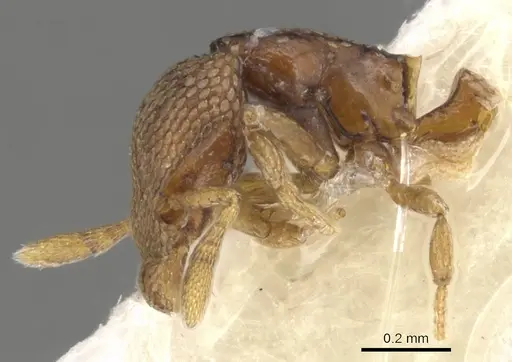
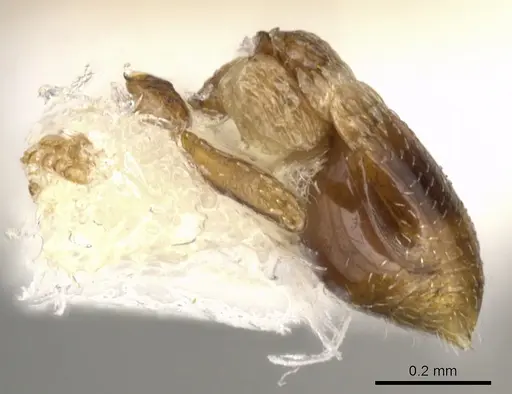
Strumigenys belial is an extraordinarily tiny ant, measuring just 1.7mm in total length [1]. These ants belong to the tribe Dacetonini (also called Attini), a group known for their specialized trap-jaw mandibles used to catch prey [1]. They are found only in Gabon, West Africa, where they live in rainforest leaf litter [1][2]. The species was first described in 2000 as Strumigenys belial before being moved to the genus Strumigenys in 2007 [2]. Workers have a distinctive appearance with dense, scale-like hairs covering their head and body, giving them a somewhat fuzzy texture under magnification. Unlike many related species, they lack standing hairs on the head and body. The ventral spongiform structures on the petiole and postpetiole are notably developed, appearing as broad curtains when viewed from the side.
Quick Summary
- Difficulty: Expert
- Origin & Habitat: Gabon, West Africa, found only in lowland rainforest leaf litter at approximately 110m elevation [1][2]. The type location is in the Woleu-Ntem province near Minvoul [2].
- Colony Type: Colony structure is unconfirmed. Based on typical Strumigenys patterns, likely single-queen colonies with small colony size.
- Size & Growth:
- Queen: Estimated 2-3mm based on genus patterns (queens not directly described)
- Worker: 1.7mm total length [1]
- Colony: Unknown, likely small, possibly under 100 workers based on related litter-dwelling Strumigenys
- Growth: Unknown, likely slow to moderate
- Development: Estimated 6-10 weeks based on related Dacetini species [3] (Development timeline is unconfirmed for this species. Estimates based on typical Attini tribe patterns.)
- Antkeeping:
- Temperature: Keep at 24-28°C, these are lowland tropical rainforest ants requiring warm, stable conditions. A heating cable on one side of the nest creates an appropriate gradient.
- Humidity: Keep consistently high, aim for 70-85% humidity. These leaf-litter ants need damp substrate that mimics the humid forest floor. Use a well-sealed nest that retains moisture.
- Diapause: No, as a tropical species from Gabon, they do not require hibernation. Maintain warm conditions year-round.
- Nesting: Use a small, tight nest scaled to their tiny size. Y-tong (AAC) nests or small acrylic setups work well. They prefer narrow chambers and passages. Keep the nest humid but ensure some drier areas exist so ants can self-regulate.
- Behavior: These are tiny, cryptic ants that forage slowly through leaf litter. They are specialized predators, likely hunting springtails and other micro-arthropods using their trap-jaw mandibles. Workers are not aggressive and will flee rather than confront threats. Escape prevention is critical, at 1.7mm, they can squeeze through the tiniest gaps. They are slow-moving and not active foragers like larger ants. Colonies are likely small and secretive.
- Common Issues: escape prevention is critical due to their tiny 1.7mm size, use fine mesh barriers and tight-fitting lids, slow growth and small colony size means colonies can easily stagnate if conditions aren't optimal, high humidity requirements can lead to mold problems if ventilation is inadequate, specialized diet makes them difficult to feed, they need live micro-prey, not standard ant food, wild-caught colonies may have parasites that are difficult to detect and treat
Housing and Nest Setup
Strumigenys belial requires a nest scaled to their tiny 1.7mm size. A Y-tong (AAC) nest with narrow chambers works well, or a small acrylic formicarium with tight-fitting barriers. The chambers should be small, these ants are not suited to large, open spaces. Test tubes can work for founding colonies but may be too large for their small colony size. Escape prevention is absolutely critical, use fine mesh (at least 0.5mm) on any ventilation holes and ensure all connections are sealed. Place the nest in a dark or low-light area, as these cryptic leaf-litter ants prefer dim conditions. A humidity reservoir or moist substrate is essential to maintain the damp conditions they need. [1]
Feeding and Diet
Strumigenys belial is a specialized predator in the Dacetini tribe, which means they need live prey. Their trap-jaw mandibles are designed for catching small, fast-moving arthropods like springtails (Collembola), which should be their primary food source. Other micro-arthropods such as booklice (psocids), minute soil mites, and tiny beetles may also be accepted. They are unlikely to accept sugar sources or dead prey items, live hunting is their natural behavior. Feed small prey items every 2-3 days, adjusting based on colony size and consumption. A well-fed colony will have workers that appear plump and healthy. Never leave uneaten live prey in the nest as it can stress the ants. [1]
Temperature and Humidity
As a lowland rainforest species from Gabon, Strumigenys belial needs warm, humid conditions year-round. Maintain temperatures between 24-28°C, avoid any prolonged drops below 22°C. A small heating cable placed on one side of the nest can create a gentle gradient, but avoid direct heat that could dry out the nest. Humidity should be high, around 70-85%. The substrate or nest material should feel consistently damp but never waterlogged. Mist the outworld occasionally but avoid getting water directly on the nest. Good ventilation is important to prevent mold, but avoid excessive airflow that will dry out the colony. Place the setup away from direct sunlight and air conditioning vents. [1][2]
Behavior and Colony Dynamics
Strumigenys belial is a cryptic, slow-moving ant that forages through leaf litter rather than making visible trails. Workers hunt individually using their specialized trap-jaw mandibles to capture small prey. Colonies are likely small, probably under 100 workers even at maturity. The queens are not much larger than workers and may be difficult to distinguish. These ants are not aggressive and will retreat from threats rather than engage. They do not have a functional stinger. Workers likely have a lifespan of several months. Colony growth is probably slow, expect months between the founding stage and the first workers, then gradual increase over years. The dense scale-like hairs on their body may serve as sensory structures for detecting prey movements in the leaf litter. [1]
Acclimation and Handling
Acclimating wild-caught or newly acquired Strumigenys belial requires patience. These tiny ants are sensitive to disturbance and may take weeks to settle into a new setup. Minimize vibrations, keep lighting low, and avoid checking on them too frequently during the first month. When moving a colony, use the entire nest material they were in rather than trying to coax them into a new container. Wild-caught colonies may carry parasites or pathogens that can cause colony collapse, quarantine and observe carefully before introducing to any other ant collections. If the colony refuses prey initially, try offering different micro-arthropod species or sizes. Some keepers have success with tiny fruit fly larvae as an alternative to springtails.
Frequently Asked Questions
How long does it take for Strumigenys belial to raise their first workers?
The exact timeline is unconfirmed, but based on related Dacetini species, expect 6-10 weeks from egg to first worker at optimal temperature (around 26°C). Growth is typically slow, and colonies may take many months to reach even 10 workers.
Can I keep Strumigenys belial in a test tube?
Test tubes can work for small colonies but are often too large for these tiny ants. A Y-tong nest with small chambers or a custom acrylic setup scaled to their 1.7mm size is more appropriate. If using test tubes, use a small diameter tube and ensure the water reservoir is not too large.
What do Strumigenys belial eat?
They are specialized predators that require live micro-prey. Their primary food should be springtails (Collembola). Other small live arthropods like booklice, minute mites, and tiny beetles may also be accepted. They do not typically accept sugar sources or dead prey.
Are Strumigenys belial good for beginners?
No. This is an expert-level species due to their tiny 1.7mm size requiring excellent escape prevention, specialized diet of live micro-prey, high humidity requirements, and slow growth. They are also extremely rare in the antkeeping hobby.
How big do Strumigenys belial colonies get?
Colony size is unconfirmed but likely remains small, probably under 100 workers even at maturity. This is typical for leaf-litter dwelling Strumigenys species.
Do Strumigenys belial need hibernation?
No. As a tropical rainforest species from Gabon, they do not require hibernation or winter cooling. Keep them warm year-round at 24-28°C.
Why are my Strumigenys belial dying?
Common causes include: escape through tiny gaps (use fine mesh), improper humidity (too dry causes death, too wet causes mold), wrong food (they need live springtails, not dead prey or sugar), temperature too cold (below 22°C), or stress from excessive disturbance. Wild-caught colonies may also carry parasites.
When should I move Strumigenys belial to a formicarium?
Move them only when the colony is established and growing, typically when you see brood consistently present and the colony has at least 10-20 workers. They prefer small, tight spaces, so avoid large formicaria. A small Y-tong or acrylic nest is ideal.
Can I keep multiple Strumigenys belial queens together?
This has not been studied for this species. Based on typical Strumigenys behavior, combining unrelated queens is not recommended. They are likely monogyne (single-queen) colonies.
References

This caresheet is licensed under CC BY-SA 4.0 .
CASENT0763561
View on AntWeb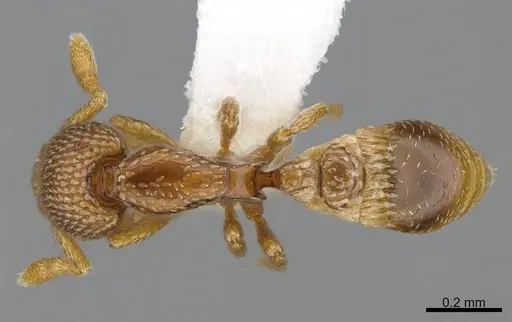
CASENT0900057
View on AntWeb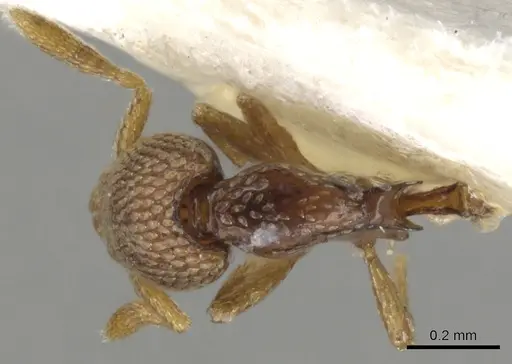
Literature
Loading...Loading products...