

Strumigenys basiliska
- Scientific Name
- Strumigenys basiliska
- Tribe
- Attini
- Subfamily
- Myrmicinae
- Author
- Bolton, 2000
- Distribution
- Found in 1 countries
Strumigenys basiliska Overview
Strumigenys basiliska is an ant species of the genus Strumigenys. It is primarily documented in 1 countries , including Fiji. Detailed taxonomic data and occurrence records can be further explored via authoritative databases such as AntWeb or the Global Biodiversity Information Facility (GBIF).
Strumigenys basiliska
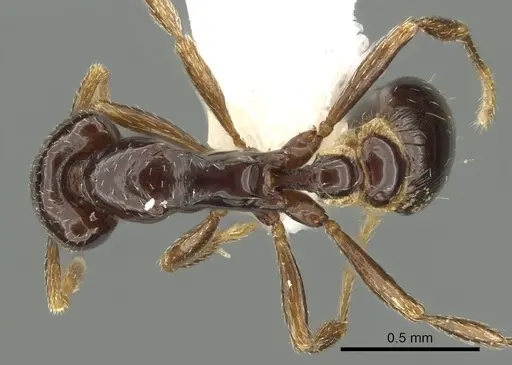
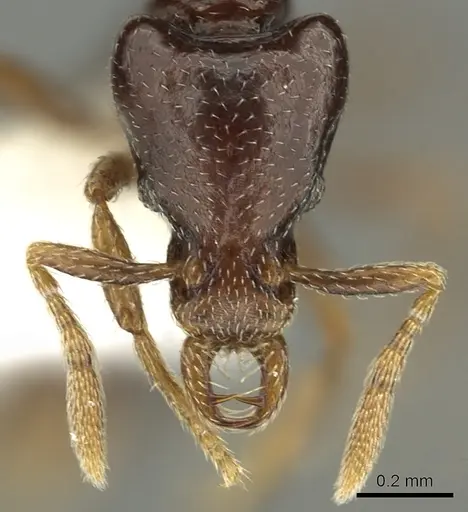
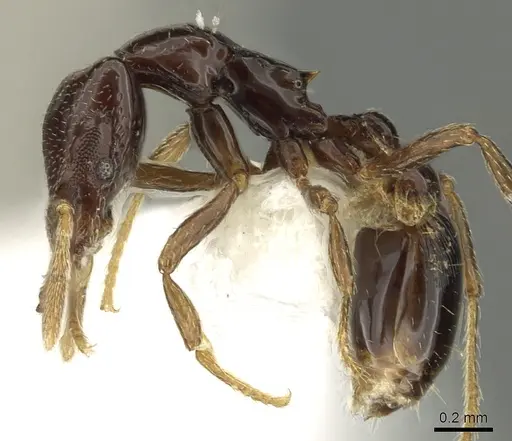
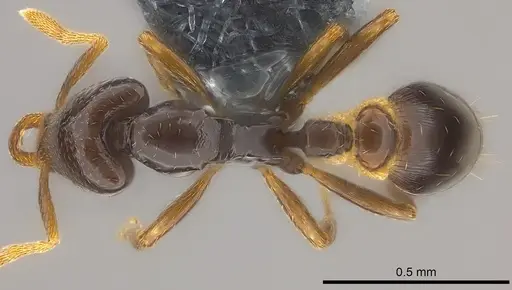
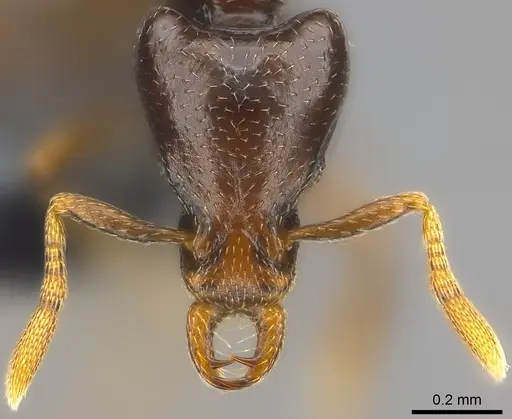
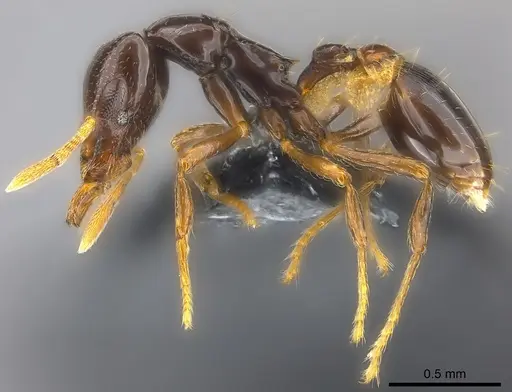
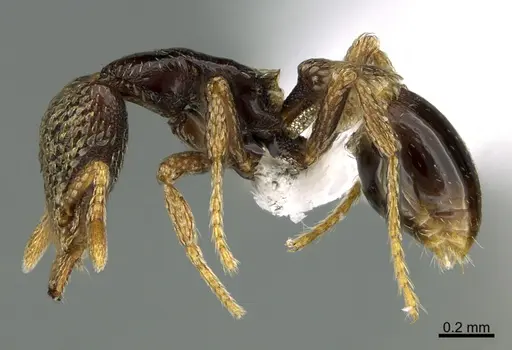
Strumigenys basiliska is a tiny, distinctive ant species endemic to the islands of Fiji. Workers measure just 2.5-2.7mm in total length, making them one of the smaller ant species you'll encounter in the hobby [1][2]. They have a highly polished dark reddish-brown coloration, reduced pilosity (very few visible hairs), extremely short curved mandibles, and notably lack the propodeal lamellae that many related species possess [1][3]. This species was described relatively recently in 2000 by Bolton and is considered unusual enough that its placement within the genus remains uncertain, Bolton tentatively placed it in the biroi group but noted it may resemble other species through convergent evolution rather than true close relation [3][1].
These ants are part of the famous trap-jaw ant group (Strumigenys), known for their lightning-fast mandibles used to capture prey. In Fiji, they inhabit rainforest litter in lowland to mid-elevation areas (around 800m), where they hunt small soil arthropods [2][4]. The species is widespread across the inner Fijian islands including Viti Levu, Vanua Levu, Gau, Koro, Moala, and Ovalau, though absent from Taveuni and Kadavu [3][1].
Quick Summary
- Difficulty: Expert
- Origin & Habitat: Endemic to Fiji islands, found in rainforest litter at elevations around 800m in the Nadarivatu Reserve on Viti Levu, and across multiple inner islands including Gau, Koro, Moala, Ovalau, and Vanua Levu [2][3][4].
- Colony Type: Colony structure is unconfirmed, no direct observations of queen number or colony size in the wild have been documented. Based on typical Strumigenys patterns, colonies are likely small with single queens.
- Size & Growth:
- Queen: Unconfirmed, queen measurements not documented in available literature
- Worker: 2.5-2.7mm total length [1][2]
- Colony: Likely small, typical Strumigenys colonies contain only dozens to low hundreds of workers
- Growth: Unknown, no development data available for this species
- Development: 6-10 weeks estimated based on typical Strumigenys development at tropical temperatures (No direct development data exists for this species. Estimates based on related Strumigenys species, actual timing may vary.)
- Antkeeping:
- Temperature: Keep at 24-28°C, these are tropical rainforest ants from Fiji that prefer warm, stable conditions. A gentle gradient allowing cooler areas is beneficial.
- Humidity: High humidity is essential, think damp rainforest floor. Keep substrate consistently moist but not waterlogged. These ants live in leaf litter where humidity stays consistently high.
- Diapause: No, as a tropical species from Fiji, they do not require a winter dormancy period.
- Nesting: They naturally nest in rainforest leaf litter and rotting wood. In captivity, a naturalistic setup with moist substrate (like a terrarium-style formicarium) works well, or a well-humidified acrylic/plaster nest. They need tight chambers scaled to their tiny size.
- Behavior: Strumigenys basiliska is a specialized predator using its trap-jaw mandibles to capture small prey like springtails, mites, and other micro-arthropods found in leaf litter. They are likely docile toward humans and not aggressive, these tiny ants pose no threat. Their extremely small size (under 3mm) means escape prevention is critical, they can squeeze through the tiniest gaps in equipment.
- Common Issues: escape prevention is critical due to their extremely small size, use fine mesh barriers and tight-fitting lids, specialized diet means they need live micro-prey, they won't accept standard ant foods, high humidity requirements can lead to mold problems if ventilation is inadequate, slow growth and small colony sizes mean these are not rewarding for keepers wanting rapid colony development, as a Fijian endemic, this species has very specific humidity and temperature needs that differ from common temperate ant species
Housing and Setup
Strumigenys basiliska requires a setup that recreates their natural rainforest litter habitat. A naturalistic terrarium-style formicarium works best, use a layer of moist, decomposing leaf litter material as substrate. You can also use a well-humidified acrylic or plaster nest with small chambers scaled to their tiny 2.5mm worker size. The key is maintaining consistently high humidity without flooding. Use a water reservoir or moisture gradient so part of the nest stays moist while allowing drier areas for the ants to regulate their own conditions. Because they are trap-jaw ants that hunt in leaf litter, include some substrate texture they can navigate, small pieces of dead leaves, twigs, or moss work well. Escape prevention is absolutely critical given their minute size, even standard ant mesh may not contain them. Use tight-fitting lids and consider double-barrier systems. [2]
Feeding and Diet
As a Strumigenys species, S. basiliska is a specialized predator that hunts small arthropods in leaf litter. In captivity, their primary food should be live micro-prey, springtails are ideal and most readily accepted. You can also offer other tiny arthropods like minute soil mites, small booklice (psocids), and newly hatched fruit fly larvae. Do not expect them to accept standard ant foods like sugar water, honey, or protein mixes, these tiny predators are adapted to hunting live prey and will likely ignore carbohydrate sources. Feed small amounts of live prey every few days, removing any uneaten prey after 24-48 hours to prevent mold. The hunting behavior of watching these tiny trap-jaw ants capture springtails is fascinating and is really the main draw for keeping this species.
Temperature and Care
Keep your colony at 24-28°C, which mimics the warm tropical conditions of their native Fiji habitat. They are from a rainforest environment and do not tolerate cool temperatures, avoid anything below 20°C. A small heat gradient allowing workers to move between warmer and cooler areas is beneficial. Room temperature in most homes may be too cool, so consider using a small heating cable or mat on one part of the nest to create the proper temperature zone. Place the heating element on the top or side of the nest, not underneath a water reservoir, to avoid evaporating all the moisture. These ants do not require any winter cooling or diapause, they are active year-round in their tropical homeland. [4]
Behavior and Temperament
Strumigenys basiliska is a docile, non-aggressive species that poses no danger to keepers. Their tiny size means they cannot sting, and they have no chemical defenses to speak of. Workers are solitary hunters in the leaf litter, using their specialized trap-jaw mandibles to snap shut on prey items like springtails. This hunting behavior is fascinating to observe, the mandibles can close in a fraction of a second. They are not aggressive toward the keeper and can be handled gently if needed, though minimal disturbance is best. The main behavioral concern is their escape ability, their minute size allows them to slip through gaps that would contain larger ants. Always use excellent escape prevention and check your setup regularly for any gaps or cracks.
Where They Come From
This species is endemic to Fiji, meaning it is found nowhere else on Earth naturally. It was described in 2000 by the renowned ant taxonomist Barry Bolton from specimens collected in the Nadarivatu Reserve on Viti Levu island at about 800m elevation [2]. The species is widespread across the inner islands of the Fijian archipelago but has never been recorded from Taveuni or Kadavu islands [3]. They live in rainforest leaf litter, which is the decomposing organic material on the forest floor. This habitat is warm, humid, and rich with the tiny arthropods they hunt for food. The Fijian islands have a tropical climate with consistent year-round warmth and high humidity, conditions you must replicate in captivity for success.
Frequently Asked Questions
How long does it take for Strumigenys basiliska to develop from egg to worker?
The exact development time for this species has not been documented. Based on typical Strumigenys development patterns at tropical temperatures (around 26°C), estimates suggest 6-10 weeks from egg to first worker. Actual timing may vary depending on temperature and other conditions.
What do Strumigenys basiliska ants eat?
These are specialized predators that hunt live micro-prey. Offer live springtails as their primary food, this is the most reliable prey item for Strumigenys species. They may also accept other tiny arthropods like minute soil mites, small booklice, and fruit fly larvae. They will not accept sugar water, honey, or other standard ant foods.
What size colony do Strumigenys basiliska form?
Colony size has not been directly documented for this species. Based on typical Strumigenys patterns, colonies are likely small, probably under 200 workers at maturity. They grow slowly and will not produce the large colonies that species like Lasius or Camponotus produce.
Do Strumigenys basiliska ants need hibernation or diapause?
No, they do not require any winter dormancy. As a tropical species endemic to Fiji, they are active year-round and need consistently warm temperatures. Do not cool them down or reduce feeding in winter, maintain the same conditions throughout the year.
Can I keep Strumigenys basiliska in a test tube setup?
A test tube setup can work for a founding queen or small colony, but you will need to maintain very high humidity and may need to add small amounts of leaf litter or substrate for the ants to hunt in. A naturalistic terrarium-style setup with moist substrate is more appropriate for established colonies and allows you to observe their hunting behavior. Regardless of setup, escape prevention must be excellent due to their tiny size.
Are Strumigenys basiliska good for beginners?
No, this species is not recommended for beginners. They are considered an expert-level species because they require very specific conditions (high humidity, tropical temperatures), have a specialized diet of live micro-prey, are extremely prone to escaping due to their tiny size, and grow very slowly. They are best suited for experienced antkeepers who can provide the precise conditions they need.
What temperature should I keep Strumigenys basiliska at?
Keep them at 24-28°C. These are tropical rainforest ants from Fiji that need warm, stable conditions. Avoid temperatures below 20°C. A small heating cable or mat on part of the nest can help maintain proper temperatures, but avoid placing heat directly under water reservoirs.
Why are my Strumigenys basiliska dying?
Common causes include: temperature too cool (below 20°C), humidity too low or inconsistent, lack of live prey, escape through tiny gaps, and mold from over-wetting. These ants have very specific needs, review your temperature, humidity, and food offerings. Also check that your setup has no gaps they could escape through. Slow growth is normal for this genus and not necessarily a problem.
References

This caresheet is licensed under CC BY-SA 4.0 .
Literature
Loading...Loading products...