

Strumigenys apios
- Scientific Name
- Strumigenys apios
- Tribe
- Attini
- Subfamily
- Myrmicinae
- Author
- Fisher, 2000
- Distribution
- Found in 1 countries
Strumigenys apios Overview
Strumigenys apios is an ant species of the genus Strumigenys. It is primarily documented in 1 countries , including Madagascar. Detailed taxonomic data and occurrence records can be further explored via authoritative databases such as AntWeb or the Global Biodiversity Information Facility (GBIF).
Strumigenys apios
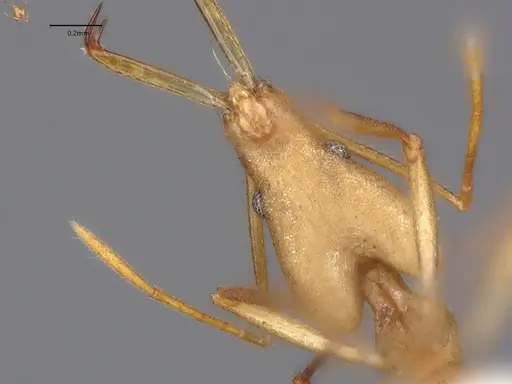
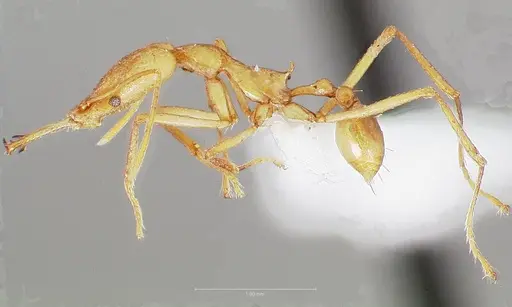
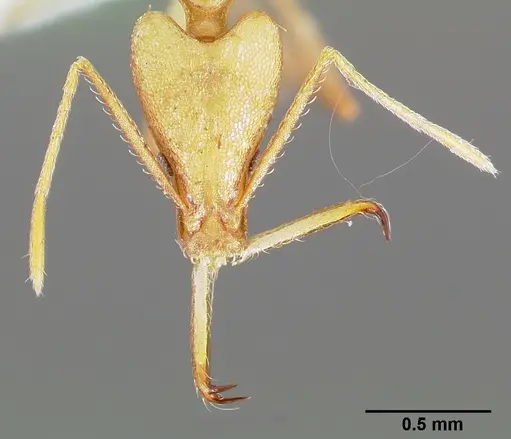
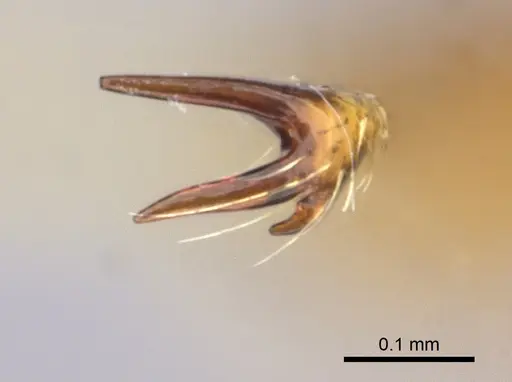
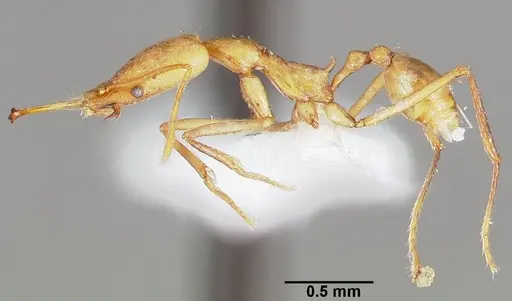
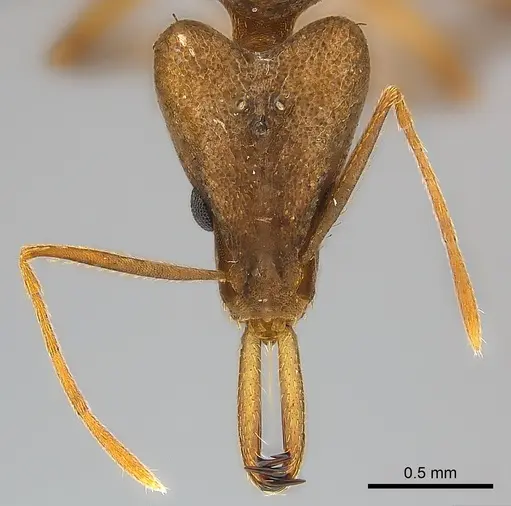
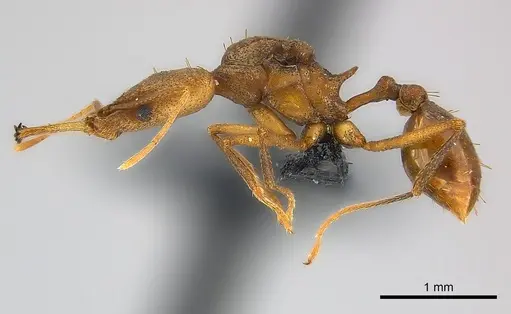
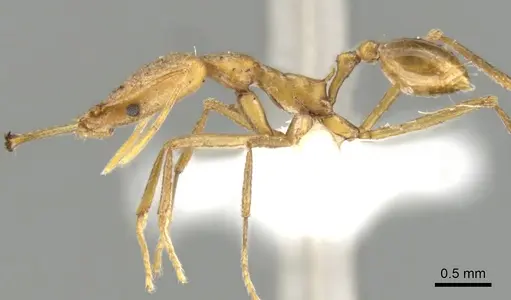
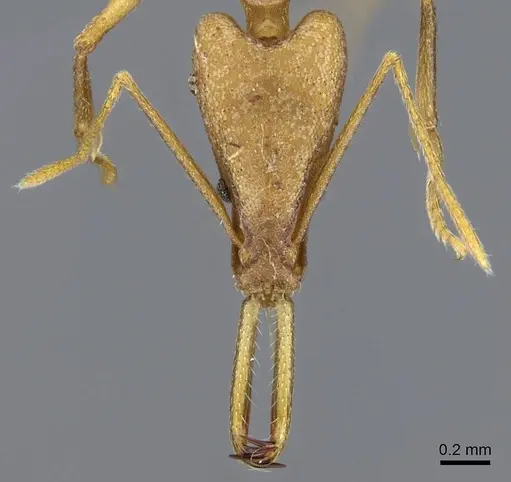
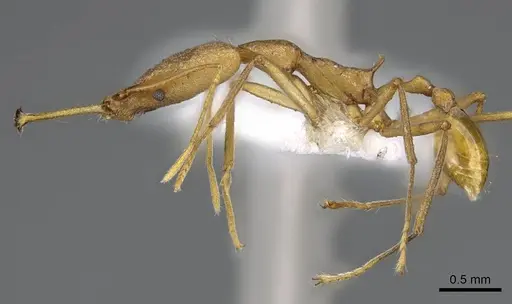
Strumigenys apios is a tiny trap-jaw ant species endemic to Madagascar. Workers measure just 2-3mm and possess the genus' signature elongated mandibles that can snap shut at incredible speeds to capture prey [1]. This species was collected in the Réserve Spéciale de Manongarivo at elevations of 1580m and 1860m, indicating it prefers cooler, highland forest environments [1]. The genus Strumigenys is known for their specialized predatory lifestyle, these are ambush hunters that sit motionless until prey walks by, then strike with their trap-jaw mandibles.
Quick Summary
- Difficulty: Expert
- Origin & Habitat: Madagascar, Réserve Spéciale de Manongarivo, found in leaf litter at 1580-1860m elevation in highland forest [1]
- Colony Type: Likely single-queen colonies (typical for the genus), colony size likely small, probably under 100 workers based on typical Strumigenys patterns
- Colony: Monogyne
- Founding: Semi-claustral
- Size & Growth:
- Queen: Estimated 3-4mm based on genus patterns
- Worker: 2-3mm [1]
- Colony: Likely under 100 workers based on genus patterns
- Growth: Slow, typical for predatory ants that invest heavily in individual offspring
- Development: Estimated 8-12 weeks based on related dacetine species, but unconfirmed for this specific species (Development is likely slow due to their specialized predatory lifestyle and small colony size)
- Antkeeping:
- Temperature: Keep at 20-24°C, the high elevation collection suggests they prefer cooler conditions than typical tropical ants [1]. Avoid overheating.
- Humidity: High humidity required, these are leaf litter forest floor ants. Keep substrate consistently moist but not waterlogged. Think damp forest floor.
- Diapause: Likely a mild seasonal slowdown given the elevation, consider a brief cool period in winter around 15-18°C, but full hibernation is probably not required
- Nesting: Use a small nest with tight chambers scaled to their tiny size. Y-tong or plaster nests work well. They need plenty of hunting space in the outworld.
- Behavior: These are specialized predators that almost exclusively hunt live prey. They are not interested in sugar or honeydew. Workers are docile toward each other but will aggressively attack any small arthropod that enters their territory. Their trap-jaw mechanism makes them fascinating to watch but they are not aggressive toward humans. Escape prevention is critical due to their tiny size, they can squeeze through remarkably small gaps.
- Common Issues: tiny size means escapes are likely without fine mesh barriers, live prey requirement makes them difficult to feed, colony failure from starvation is common, slow growth tests keeper patience, beginners often overfeed or give up, high humidity needs can lead to mold problems if ventilation is poor, wild-caught colonies may have parasites that kill them in captivity
Housing and Nest Setup
Strumigenys apios requires a small, well-humidified setup. A Y-tong nest or plaster formicarium with tight chambers works well, the chambers should be sized appropriately for their tiny 2-3mm workers. The outworld should be small as well since they don't travel far from the nest. Use a water reservoir or moisture wicking to maintain humidity. Because of their minute size, all connections must be tight and you should use fine mesh on any ventilation holes. A small test tube setup can work for founding colonies but you'll need to upgrade to a proper nest once the colony reaches 10-15 workers. [1]
Feeding and Diet
This is a specialized predator, they eat almost nothing but live micro-arthropods. Their primary prey in the wild is springtails, and you should make live springtails the staple of their diet. Other small prey like booklice, dust mites, and fruit fly larvae may be accepted. They will NOT accept sugar water, honey, or dead insects. This makes them one of the most difficult ant species to keep because you need a constant supply of live prey. Do not attempt to keep this species unless you can reliably provide live springtails or are willing to culture them. Feed small prey items every 2-3 days, removing any uneaten prey within 24 hours.
Temperature and Seasonal Care
Based on their collection at 1580-1860m elevation in Madagascar, these ants prefer cooler conditions than typical tropical ants. Keep the nest at 20-24°C, this is warmer than their highland habitat but still appropriate for captive care. Avoid temperatures above 26°C. During winter, you can reduce temperatures to around 15-18°C for a brief rest period, but full hibernation is likely not required given their tropical location. Monitor colony activity, if workers become sluggish, they may be too cold. A small heating cable on one side of the nest can create a gentle gradient if your room temperature runs cool. [1]
Behavior and Observation
Strumigenys are ambush predators, workers typically sit motionless near the nest entrance or along foraging trails, waiting for prey to walk by. When a springtail or other small arthropod comes within range, their trap-jaw mandibles snap shut in a fraction of a second. This is one of the fastest animal movements known. Watching this hunting behavior is the main appeal of keeping this species. They are not aggressive toward humans and cannot sting, their defense is purely predatory. Workers are relatively long-lived for their size, which helps compensate for their slow colony growth. They are not territorial in the way larger ants are, multiple colonies can coexist in close proximity in the wild.
Frequently Asked Questions
Can I keep Strumigenys apios in a test tube?
You can start a founding queen in a test tube, but you'll need to upgrade to a proper nest quickly once workers arrive. Their small size and need for hunting space means a test tube alone won't work for an established colony. Move them to a small Y-tong or plaster nest once the colony reaches 10+ workers.
What do Strumigenys apios eat?
They eat almost exclusively live prey, primarily springtails. They will not accept sugar, honey, or dead insects. You need a constant supply of live springtails or other micro-arthropods to keep this species alive. This is not a species for beginners because of the live prey requirement.
How long does it take for Strumigenys apios to develop from egg to worker?
Estimated 8-12 weeks based on related dacetine species, but this has not been directly studied for this specific species. Growth is slow, these are long-lived ants that invest heavily in each individual.
Are Strumigenys apios good for beginners?
No, this is an expert-level species. The live prey requirement, tiny size, escape risk, and slow growth make them one of the most difficult ants to keep. You should have experience with other predatory ants like Amblyopone or Harpegnathos before attempting this species.
How big do Strumigenys apios colonies get?
Based on typical Strumigenys patterns, colonies likely reach 50-100 workers at maximum. This is a small-colony species, they never become large like Lasius or Camponotus.
Do Strumigenys apios need hibernation?
Probably not a full hibernation, but a brief cool period in winter around 15-18°C may be beneficial given their high-elevation collection. Monitor your colony, if they remain active year-round, that's fine too.
Why are my Strumigenys apios dying?
The most common causes are starvation (not providing enough live prey), escape (they are tiny and squeeze through gaps), and improper humidity (too dry causes desiccation, too wet causes mold). Review each of these if your colony is struggling.
Can I keep multiple Strumigenys apios queens together?
This has not been studied for this species. Based on typical Strumigenys behavior, they are likely single-queen colonies. Do not attempt to combine unrelated queens, they will likely fight.
When should I move Strumigenys apios to a formicarium?
Move them once you see 10-15 workers and they seem cramped in their founding setup. Use a small nest with appropriately sized chambers, too-large chambers can stress the colony.
References

This caresheet is licensed under CC BY-SA 4.0 .
CASENT0005487
View on AntWeb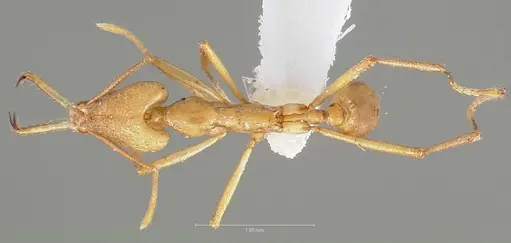
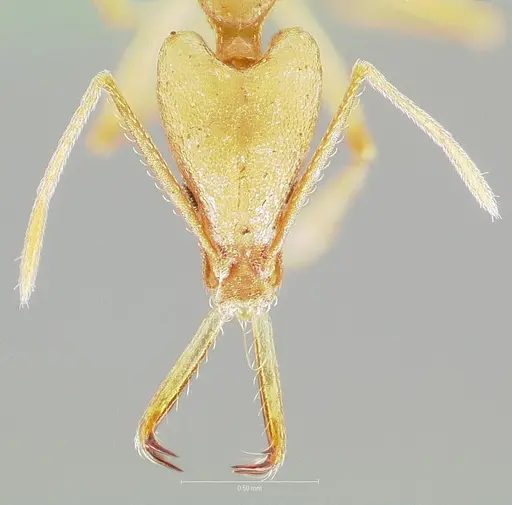
CASENT0005488
View on AntWeb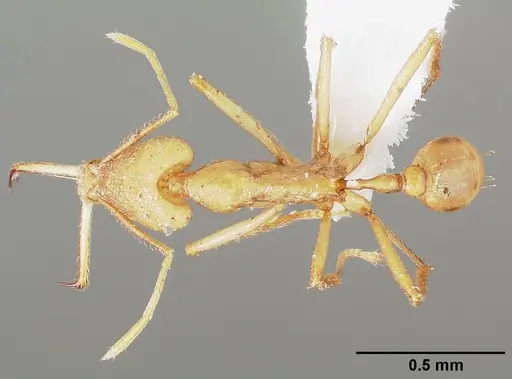
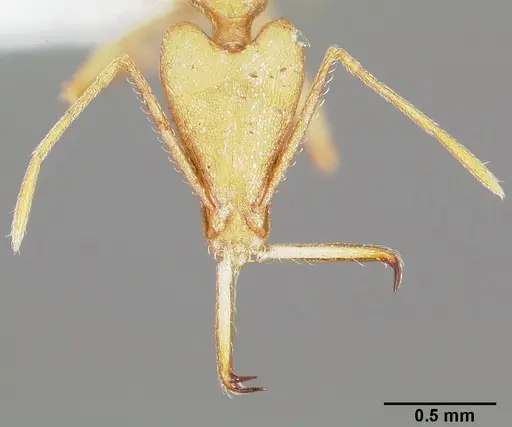
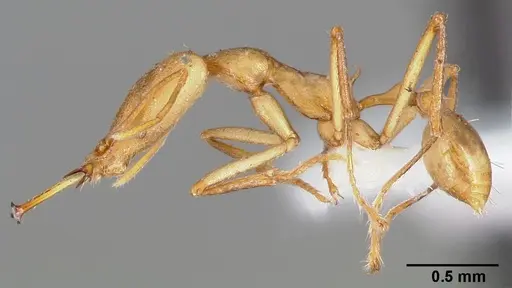
CASENT0005489
View on AntWeb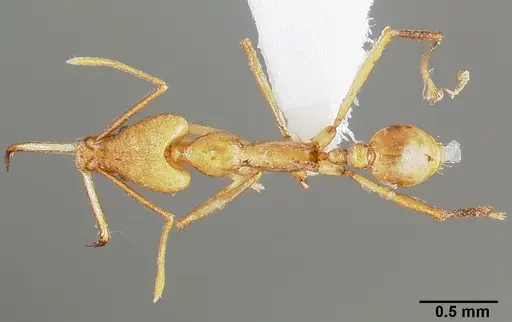
CASENT0043647
View on AntWeb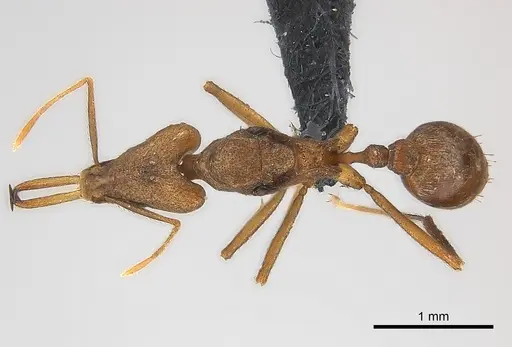
CASENT0900640
View on AntWeb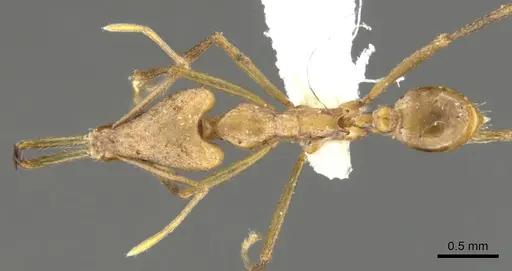
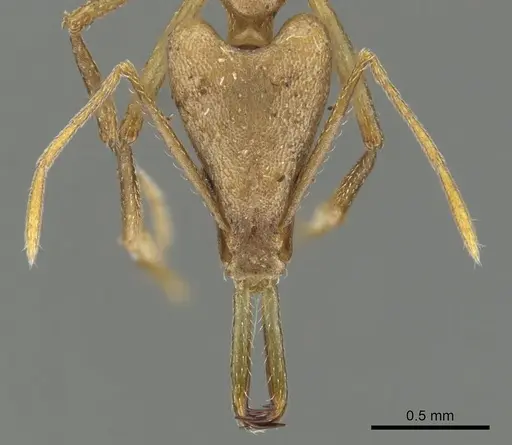
CASENT0914761
View on AntWeb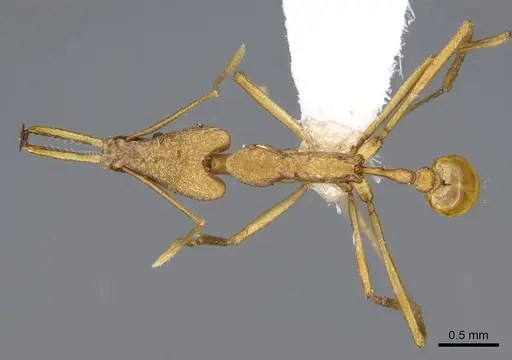
Literature
Loading...Loading products...