

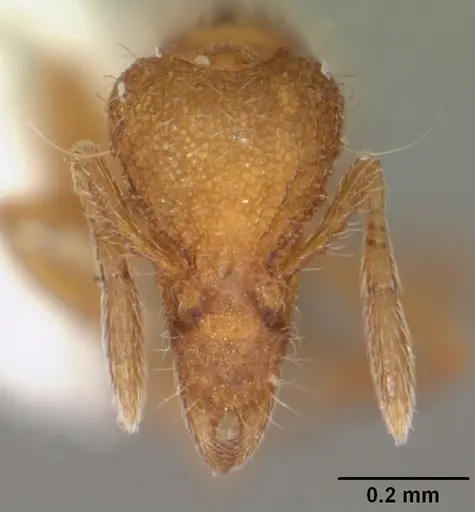
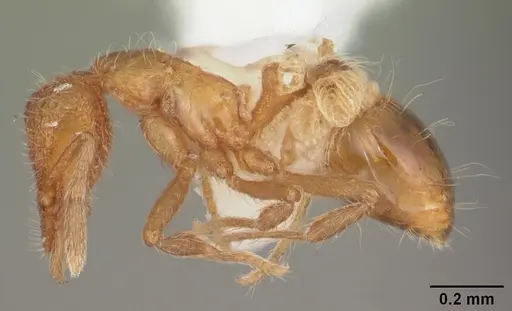
Strumigenys apalachicolensis
- Scientific Name
- Strumigenys apalachicolensis
- Tribe
- Attini
- Subfamily
- Myrmicinae
- Author
- Deyrup & Lubertazzi, 2001
- Distribution
- Found in 1 countries
Strumigenys apalachicolensis Overview
Strumigenys apalachicolensis is an ant species of the genus Strumigenys. It is primarily documented in 1 countries , including United States of America. Detailed taxonomic data and occurrence records can be further explored via authoritative databases such as AntWeb or the Global Biodiversity Information Facility (GBIF).
Strumigenys apalachicolensis
Strumigenys apalachicolensis is a tiny predatory ant native to the southeastern United States, specifically found in Florida's Leon County where it is considered rare [1]. These ants belong to the dacetine ant group, known for their extraordinary trap-jaw mandibles that can snap shut in milliseconds to capture small prey like springtails. Workers are minute, typically measuring 2-3mm, with distinctive elongated mandibles lined with teeth. The species was originally classified under the genus Pyramica before being reclassified to Strumigenys [1]. As a Nearctic lineage species, these ants inhabit moist, shaded environments typical of forest floor microhabitats in the southeastern US [2].
Quick Summary
- Difficulty: Medium
- Origin & Habitat: Leon County, Florida, USA, found in moist, shaded forest habitats in the southeastern United States [1]. The species is considered rare in its native range.
- Colony Type: Colony structure is unconfirmed. Based on typical Strumigenys patterns, colonies likely have a single queen (monogyne) with relatively small colony sizes.
- Size & Growth:
- Queen: Estimated 3-4mm based on genus patterns
- Worker: Estimated 2-3mm based on genus patterns
- Colony: Likely under 100 workers based on typical Strumigenys colony sizes
- Growth: Moderate, growth is limited by their specialized predatory diet
- Development: Estimated 6-10 weeks based on related Strumigenys species (Development time is estimated from genus-level data as species-specific measurements are unavailable)
- Antkeeping:
- Temperature: Keep around 22-26°C, aim for warm, stable conditions typical of Florida's humid forests. A gentle gradient allows ants to self-regulate.
- Humidity: High humidity is essential, these ants come from moist forest floor habitats. Keep the nest substrate consistently damp but not waterlogged. Provide a moisture gradient so ants can choose their preferred zone.
- Diapause: Likely requires a mild winter rest period (diapause) given their Nearctic distribution and Florida habitat. Reduce temperature to around 15-18°C for 2-3 months during winter.
- Nesting: Provide a naturalistic setup with moist substrate (soil/peat mix) and small chambers. Y-tong nests or test tube setups with damp棉花 work well. They prefer tight, humid spaces scaled to their tiny size.
- Behavior: These ants are specialized predators with remarkable trap-jaw mandibles designed for capturing springtails and other tiny arthropods. They are not aggressive toward humans and cannot sting. Their small size makes escape prevention critical, they can slip through tiny gaps. Foraging is slow and deliberate, with workers hunting individually rather than recruiting large groups. Colonies are typically peaceful and non-territorial outside their hunting activities.
- Common Issues: escape prevention is critical due to their very small size, use fine mesh and tight-fitting lids, specialized diet makes them difficult to feed, they require live springtails or other micro-prey, high humidity needs can lead to mold problems if ventilation is poor, slow growth can frustrate beginners who overfeed and pollute the nest, wild-caught colonies may be stressed or carry parasites that cause colony collapse
Housing and Nest Setup
Strumigenys apalachicolensis requires a setup that maintains high humidity while providing space for their specialized hunting behavior. A Y-tong (AAC) nest with narrow chambers works well, or you can use a test tube setup with a damp cotton reservoir. The key is maintaining consistent moisture without flooding. Because they are tiny, even small gaps can lead to escapes, use fine mesh on any ventilation holes and ensure all connections are tight. A naturalistic setup with a soil/peat substrate allows for natural foraging behaviors and helps maintain humidity. Keep the nest in a dimly lit area as these ants prefer shaded conditions. [1][2]
Feeding and Diet
These ants are specialized predators that require live prey, primarily springtails (Collembola) which are their natural food source in the wild. The trap-jaw mandibles are specifically adapted for catching these tiny, fast-moving arthropods. You can culture your own springtails in a separate container with moist soil and leaf litter to ensure a constant food supply. Other small live prey like booklice (psocids), dust mites, and fruit fly larvae may also be accepted. Sugar sources are generally not important for this species, they are obligate predators. Feed small prey items every 2-3 days, removing any uneaten prey to prevent mold.
Temperature and Seasonal Care
Maintain temperatures between 22-26°C for optimal colony activity and brood development. Strumigenys species from the southeastern US prefer warm, stable conditions. During winter, provide a mild diapause period by reducing temperatures to 15-18°C for 2-3 months, this mimics their natural seasonal cycle in Florida. Do not cool them dramatically, a mild reduction is sufficient. Monitor colony behavior during diapause, they will become less active but should not be completely dormant. Resume normal temperatures gradually in spring.
Behavior and Temperament
Strumigenys apalachicolensis is a peaceful, non-aggressive species that poses no threat to keepers. They do not sting and rarely bite even when handled. Their remarkable trap-jaw mechanism is used exclusively for hunting small prey, not for defense. Workers forage individually rather than in groups, slowly patrolling their territory for springtails. Colonies are relatively quiet and do not produce significant noise or odor. The main behavioral concern is their small size, they are excellent escape artists and require careful barrier maintenance.
Colony Establishment
Establishing a colony of this rare species can be challenging. If you obtain a queen, she will likely seal herself in a chamber (claustral founding) and raise the first workers alone on stored fat reserves. The founding process may take several months. Wild-caught colonies are rarely available due to their rarity in the wild [1]. If you do obtain a colony, minimize disturbances during the founding phase. First workers (nanitics) will be smaller than mature workers and may take time to establish hunting behaviors. Be patient, Strumigenys colonies grow slowly compared to many common ant species.
Frequently Asked Questions
How long does it take for Strumigenys apalachicolensis to produce first workers?
Based on genus-level data, expect 6-10 weeks from egg to first worker at optimal temperatures (22-26°C). Growth is slower than many common ants due to their specialized predatory diet and small colony sizes.
Can I keep Strumigenys apalachicolensis in a test tube?
Yes, a test tube setup with a damp cotton reservoir works well for this species. The key is maintaining high humidity while preventing escapes, use a tight-fitting cotton plug and fine mesh over any air holes.
What do Strumigenys apalachicolensis ants eat?
They are specialized predators that require live springtails or other tiny arthropods. They do not typically accept sugar water or honey. Culturing your own springtails is the most reliable way to feed them.
Are Strumigenys apalachicolensis good for beginners?
This species is best suited for intermediate to advanced antkeepers due to their specialized diet (requiring live springtails), high humidity needs, and small size making escape prevention challenging. Beginners may struggle with their specific requirements.
How big do Strumigenys apalachicolensis colonies get?
Based on typical Strumigenys patterns, colonies likely reach 50-100 workers at maturity. They remain relatively small compared to many common ant species.
Do Strumigenys apalachicolensis need hibernation?
Yes, they likely require a mild winter rest period (diapause) given their Nearctic distribution. Reduce temperatures to 15-18°C for 2-3 months during winter, then gradually warm them in spring.
Why are my Strumigenys apalachicolensis dying?
Common causes include: escape due to inadequate barriers, starvation if springtail cultures fail, mold from excessive moisture with poor ventilation, or stress from disturbance during founding. Ensure proper humidity balance and minimal colony disturbance.
When should I move Strumigenys apalachicolensis to a formicarium?
Wait until the colony reaches at least 20-30 workers before considering a larger setup. Test tube setups work well for smaller colonies. If moving, ensure the new setup maintains the same high humidity conditions they are accustomed to.
Can I keep multiple queens together?
Combining unrelated queens of this species has not been documented. Based on typical Strumigenys behavior, they are likely single-queen (monogyne) colonies. Keeping multiple queens together is not recommended.
References

This caresheet is licensed under CC BY-SA 4.0 .
CASENT0103798
View on AntWeb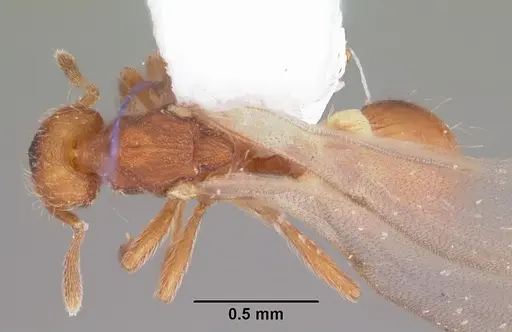
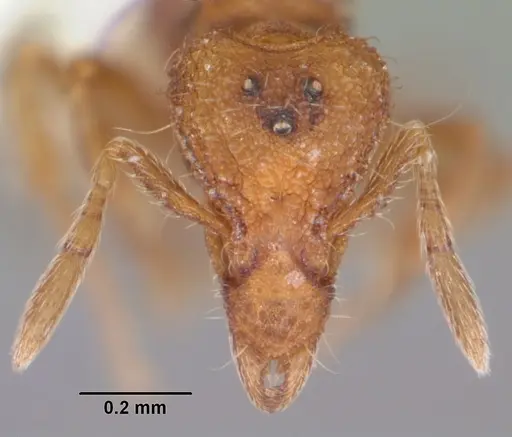
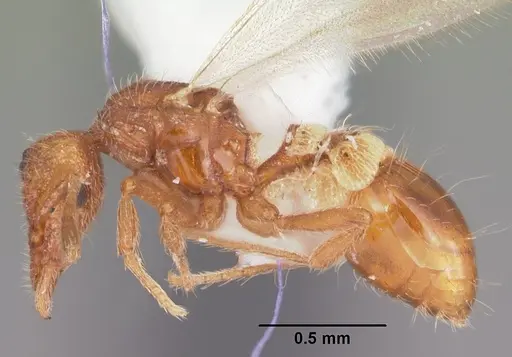
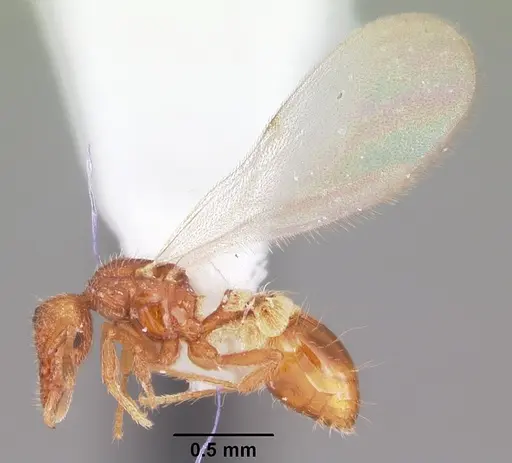
CASENT0103886
View on AntWeb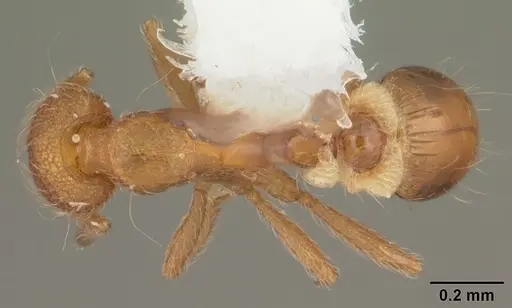
Literature
Loading...Loading products...