

Strumigenys anthocera
- Scientific Name
- Strumigenys anthocera
- Tribe
- Attini
- Subfamily
- Myrmicinae
- Author
- Lattke & Goitía, 1997
- Distribution
- Found in 1 countries
Strumigenys anthocera Overview
Strumigenys anthocera is an ant species of the genus Strumigenys. It is primarily documented in 1 countries , including Venezuela, Bolivarian Republic of. Detailed taxonomic data and occurrence records can be further explored via authoritative databases such as AntWeb or the Global Biodiversity Information Facility (GBIF).
Strumigenys anthocera
Strumigenys anthocera is a tiny predatory ant belonging to the tribe Attini within the subfamily Myrmicinae. Workers measure approximately 4.2mm in total length, making this species the largest member of the Strumigenys tocacae group. They are native to the Neotropical region, with confirmed distributions in Venezuela (Amazonas state) and Peru [1]. The species was described in 1997 by Lattke and Goitía, with detailed morphological examination by Bolton in 2000.
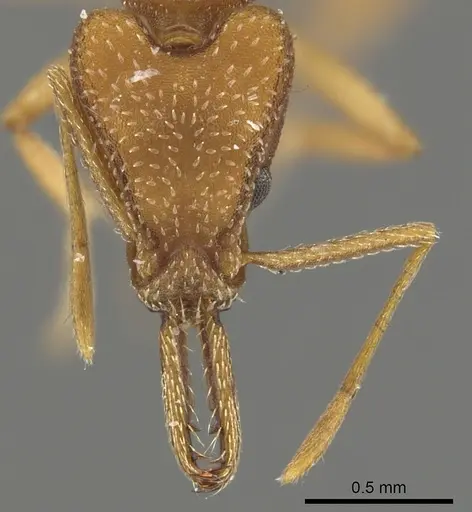
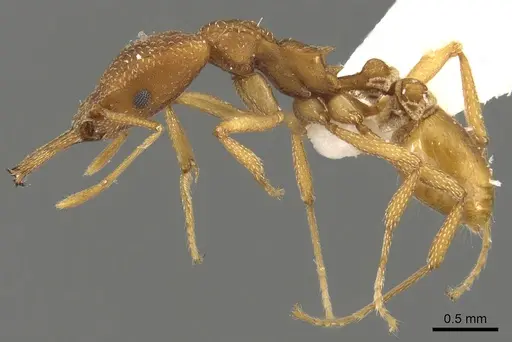
This ant is distinguished from related species by several unique characteristics: a simple apicoscrobal hair (a single projecting hair near the antenna base), a pair of standing hairs on the mesonotum, and well-developed spongiform tissue on the waist segments. The first gastral tergite is finely and densely longitudinally striolate, giving the abdomen a distinctive textured appearance. Like other Strumigenys, they possess trap-jaw mandibles adapted for capturing small prey.
Quick Summary
- Difficulty: Medium
- Origin & Habitat: Neotropical region, specifically Venezuela (Amazonas state, Alto Rio Siapa at 495m elevation) and Peru. Found in tropical forest environments.
- Colony Type: Unknown, colony structure has not been documented for this species. Most Strumigenys species form small colonies.
- Size & Growth:
- Queen: Undescribed, queen measurements not available in literature
- Worker: 4.2mm total length (TL), HL 1.06mm, HW 0.77mm
- Colony: Unknown, no colony size data available
- Growth: Slow, inferred from typical Strumigenys genus patterns
- Development: Unknown, no direct development data available. Based on related Strumigenys species and tropical Myrmicinae patterns, likely 6-10 weeks at optimal temperature. (Development timeline is unconfirmed for this specific species.)
- Antkeeping:
- Temperature: Unknown for this species. Based on Neotropical distribution and typical Strumigenys preferences, likely requires warm conditions around 24-28°C. More research needed.
- Humidity: Likely requires high humidity, Strumigenys typically inhabit damp forest floor microhabitats. Keep substrate consistently moist but not waterlogged.
- Diapause: Unknown, no seasonal data available for this species. Neotropical origin suggests they may not require true hibernation, but may have reduced activity periods.
- Nesting: Natural nesting preferences unconfirmed. Most Strumigenys nest in soil, rotting wood, or leaf litter in humid shaded areas. In captivity, a naturalistic setup with moist substrate or a Y-tong/plaster nest works well.
- Behavior: Temperament is not documented, but Strumigenys are generally non-aggressive and rely on their trap-jaw mandibles for defense rather than stinging. They are slow-moving predators that hunt springtails and other micro-arthropods. Escape prevention should be moderate, workers at 4.2mm are small but not extremely tiny. They are unlikely to sting.
- Common Issues: Biology is almost entirely unconfirmed, very limited scientific data exists for this species, No established care protocols specific to S. anthocera, keepers must adapt from genus-level knowledge, Growth rate is likely slow, beginners may lose patience with slow colony development, Humidity requirements are inferred, not confirmed, monitor colony response and adjust, No data on founding behavior, assume claustral based on typical Myrmicinae patterns until proven otherwise
Identification and Distinguishing Features
Strumigenys anthocera is a member of the Strumigenys tocacae group and is the largest species within this group. Workers reach approximately 4.2mm in total length, making them slightly larger than their relatives S. usbensis and S. fairchildi. The species can be identified by several unique morphological features: a simple apicoscrobal hair (a single projecting hair near the antenna base), a pair of standing hairs on the mesonotum, and well-developed spongiform tissue beneath the petiole. The first gastral tergite (the front part of the abdomen) shows fine longitudinal striations throughout. The spongiform lobes on the waist segments are notably thick and coarse compared to related species. These morphological characteristics are useful for identification but require examination under magnification. [1]
Distribution and Habitat
Strumigenys anthocera is known from the Neotropical region, specifically documented in Venezuela's Amazonas state near Alto Rio Siapa at approximately 495 meters elevation. The species has also been recorded in Peru based on regional surveys [1]. The type locality in Venezuela sits at low tropical elevation within the Amazon basin region. While specific habitat preferences are unconfirmed for this species, other Strumigenys typically inhabit humid tropical forests, often nesting in soil, rotting wood, or under leaf litter in shaded areas. The elevation and location suggest they prefer warm, humid tropical conditions.
Feeding and Diet
The specific diet of Strumigenys anthocera has not been documented, but the genus Strumigenys is composed entirely of specialized predators that hunt small arthropods. They are commonly called "spider ants" due to their diet consisting primarily of springtails (Collembola) and other micro-arthropods [2]. Their trap-jaw mandibles are adapted for snapping shut on small, fast-moving prey. In captivity, you should offer live small prey such as springtails, fruit flies, and other tiny arthropods. Sugar sources are typically not accepted by this genus as they are obligate predators. Feed small prey items regularly, frequency depends on colony size but offering prey every 2-3 days is a reasonable starting point. Uneaten prey should be removed to prevent mold issues.
Temperature and Care
Specific temperature requirements for Strumigenys anthocera are unknown due to the lack of biological data for this species. However, based on its Neotropical origin (Venezuela and Peru), you should aim for warm, stable temperatures in the range of 24-28°C. This aligns with typical Strumigenys preferences and tropical ant requirements. Avoid temperature extremes and significant fluctuations. A heating cable on one side of the nest can help maintain appropriate temperatures if your room temperature is below this range. Place the heating element on top of the nest to avoid evaporating moisture too quickly. Monitor colony activity, if workers become sluggish, consider adjusting temperature upward slightly.
Humidity and Nesting
Humidity requirements for this specific species are unconfirmed, but Strumigenys as a genus typically require high humidity conditions similar to their natural forest floor habitat. Keep the nest substrate consistently moist but not waterlogged, the substrate should feel damp to the touch with no standing water. Allow for some variation so ants can choose their preferred microclimate. For nesting in captivity, a naturalistic setup with moist substrate and flat stones or a Y-tong/plaster nest with good moisture retention works well. Ensure adequate ventilation to prevent mold while maintaining humidity. Avoid both stagnant air (causes mold) and excessive airflow (causes drying).
Behavior and Temperament
Strumigenys anthocera behavior has not been specifically documented, but the genus is known for being slow-moving and non-aggressive. They rely on their trap-jaw mandibles rather than stinging for defense. Workers are small at approximately 4.2mm, so escape prevention should be adequate but doesn't need to be as extreme as required for tiny species like Pheidole or Solenopsis. They are predatory and will hunt small live prey. Colonies are likely small based on typical Strumigenys patterns. They are not known to be invasive or particularly problematic. The slow growth rate typical of this genus means patience is essential, don't expect rapid colony expansion. [1]
Frequently Asked Questions
How long does it take for Strumigenys anthocera to produce first workers?
The egg-to-worker timeline is unconfirmed for this species. Based on typical Strumigenys genus patterns and tropical Myrmicinae development, expect approximately 6-10 weeks at optimal temperature (around 24-28°C). This is an estimate, actual development time may vary.
What do Strumigenys anthocera ants eat?
Like other Strumigenys species, they are specialized predators that hunt small arthropods. Offer live springtails, fruit flies, and other tiny micro-arthropods. Sugar sources are typically not accepted. They are obligate predators and do not scavenge like many other ant species.
Can I keep Strumigenys anthocera in a test tube?
A test tube setup can work for founding colonies, but you may need to provide a small hunting area with access to live prey. Monitor humidity carefully, test tubes can dry out or flood. A naturalistic setup with moist substrate often works better for this genus once the colony establishes.
Are Strumigenys anthocera good for beginners?
This species is not ideal for beginners due to the lack of species-specific care data and their specialized predatory diet. They require live prey which is more demanding than standard ant food. The slow growth rate also requires patience. If you're experienced with predatory ants like Strumigenys or Dacetini, this can be an interesting species to keep.
How big do Strumigenys anthocera colonies get?
Colony size is unconfirmed for this species. Based on typical Strumigenys patterns, colonies likely remain small, probably under 500 workers. They are not known for reaching the massive colony sizes of some Myrmicinae.
Do Strumigenys anthocera need hibernation?
Diapause requirements are unknown for this species. As a Neotropical species from Venezuela and Peru, they likely do not require true hibernation. They may have reduced activity periods during cooler or drier seasons in their natural habitat, but captive colonies can likely be maintained year-round at warm temperatures.
What temperature should I keep Strumigenys anthocera at?
Specific requirements are unconfirmed, but based on their Neotropical origin, aim for 24-28°C. This is warmer than many temperate species require. Maintain stable temperatures without major fluctuations.
Why is so little known about Strumigenys anthocera care?
This species was only described in 1997 and has limited documented occurrences. Very little biological research has been conducted on this specific species. Most care information must be inferred from general Strumigenys genus knowledge rather than species-specific studies.
Can I keep multiple queens together?
Colony structure (monogyne vs polygyne) is unconfirmed for this species. Combining unrelated queens is not recommended as it hasn't been studied and could result in aggression. If you're starting a colony, begin with a single queen.
References

This caresheet is licensed under CC BY-SA 4.0 .
CASENT0900436
View on AntWeb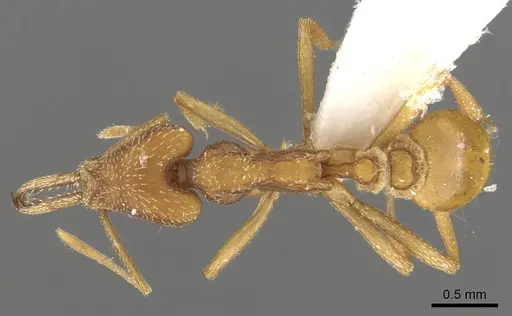
Literature
Loading...Loading products...