

Strumigenys anchis
- Scientific Name
- Strumigenys anchis
- Tribe
- Attini
- Subfamily
- Myrmicinae
- Author
- Bolton, 2000
- Distribution
- Found in 1 countries
Strumigenys anchis Overview
Strumigenys anchis is an ant species of the genus Strumigenys. It is primarily documented in 1 countries , including Australia. Detailed taxonomic data and occurrence records can be further explored via authoritative databases such as AntWeb or the Global Biodiversity Information Facility (GBIF).
Strumigenys anchis
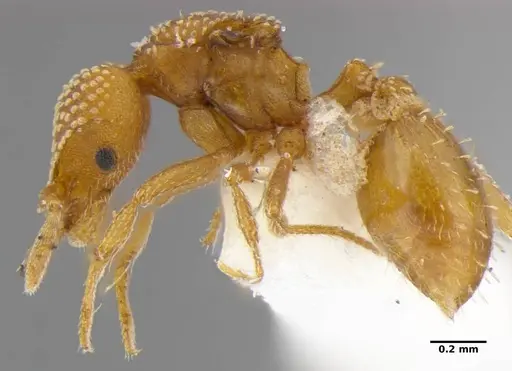
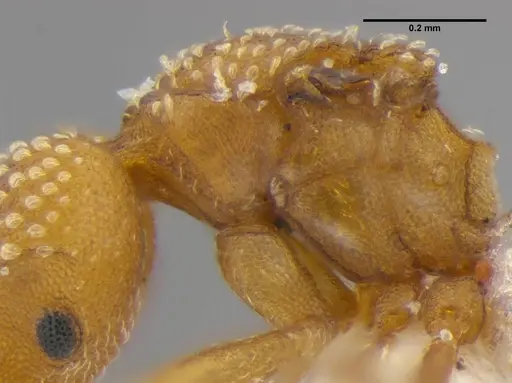
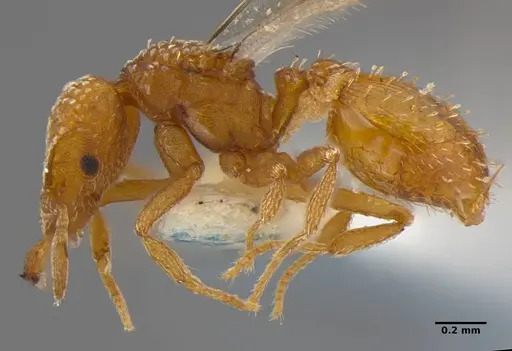
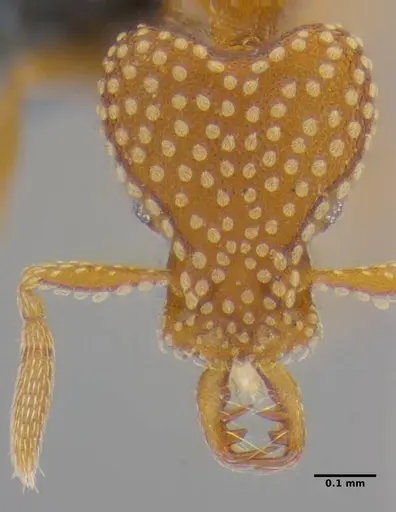
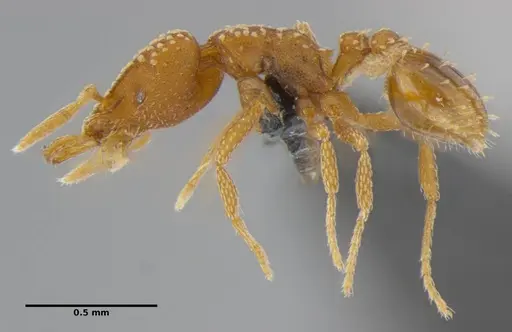
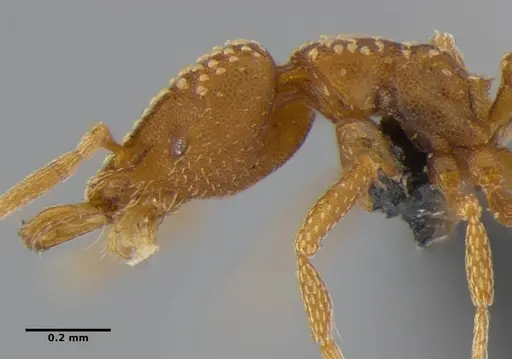
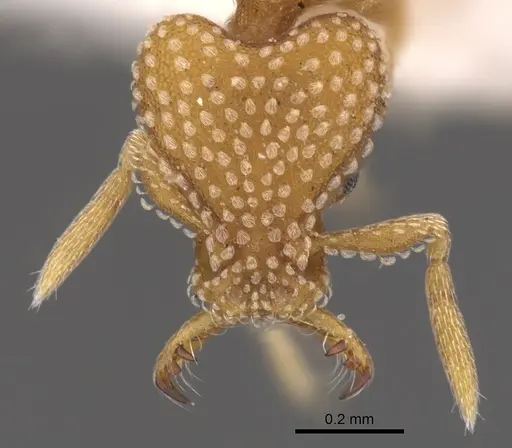
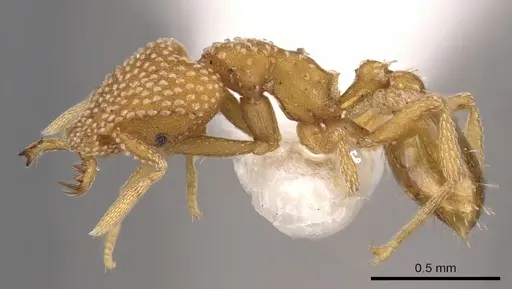
Strumigenys anchis is a tiny predatory ant native to Australia, measuring just 2.1-2.2mm in total length. This species belongs to the Strumigenys emmae group and is recognized by its distinctive features: two large preapical teeth on the mandibles and a deep concave impression on the underside of the head in front of the eye. Workers have four antennal segments and relatively large eyes with over 15 ommatidia total.
Like other Strumigenys species, these ants are specialized predators that hunt small prey, particularly springtails and other micro-arthropods. The genus is known for its trap-jaw mandibles designed for capturing fast-moving prey. Unfortunately, the specific biology of S. anchis remains unstudied, we have no information on their colony size, nuptial flights, or exact care requirements in captivity.
Quick Summary
- Difficulty: Expert
- Origin & Habitat: Australia (Australasian region), specific habitat preferences unrecorded
- Colony Type: Unknown colony structure, likely single-queen based on genus patterns
- Size & Growth:
- Queen: Undescribed, workers are 2.1-2.2mm suggesting a small queen
- Worker: 2.1-2.2mm total length
- Colony: Unknown, likely small colonies based on genus patterns
- Growth: Unknown, likely slow to moderate based on small size and predatory diet
- Development: Unconfirmed, likely 6-10 weeks based on related Strumigenys species (No specific development data exists for this species. Estimates based on genus-level patterns for small Myrmicinae predators.)
- Antkeeping:
- Temperature: Unconfirmed, start around 22-25°C and observe colony activity. Related Strumigenys species prefer warm, humid conditions.
- Humidity: High humidity required, these are forest floor predators needing moist substrate. Keep nest substrate consistently damp but not waterlogged.
- Diapause: Unknown for this species, Australian temperate populations may require mild winter rest, but tropical origin is possible.
- Nesting: Natural nesting unrecorded. In captivity, provide moist substrate (soil/plaster) with tight chambers scaled to their tiny size. Their small size means escape prevention is critical.
- Behavior: Specialized predatory ants with trap-jaw mandibles designed for capturing springtails and micro-arthropods. Likely nocturnal or crepuscular foragers based on genus patterns. Their tiny size (2mm) makes escape prevention essential, they can squeeze through standard mesh. Generally non-aggressive toward humans but will defend the colony. May be shy and reclusive, spending much time in nest chambers.
- Common Issues: escape prevention is critical due to tiny 2mm size, use fine mesh and tight-fitting lids, no biological data exists, all care is based on genus-level inference, slow growth and specialized diet make this species challenging for beginners, requires live micro-prey (springtails), cannot survive on sugar or standard ant feeds, high humidity needs can lead to mold if ventilation is poor
Housing and Escape Prevention
Strumigenys anchis is an extremely small ant, workers measure only 2.1-2.2mm. This tiny size makes escape prevention your top priority. Standard ant keeping equipment often has gaps that these ants can slip through. Use fine mesh (at least 0.5mm or finer), ensure all lids fit tightly, and consider using fluon or similar barriers on smooth surfaces.
For nesting, provide a moist setup, these are forest floor ants that prefer humid conditions. A small test tube setup can work for founding colonies, but you may need to use a small formicarium or acrylic nest with appropriately scaled chambers. The chambers should be tight and narrow, not the large open spaces suitable for bigger ants. Keep the nest area humid but ensure some ventilation to prevent mold.
Feeding and Diet
Strumigenys ants are specialized predators. In the wild, they hunt springtails (Collembola) and other tiny arthropods using their trap-jaw mandibles. This is NOT a species that will accept sugar water, honey, or standard ant feeds.
Your primary food source must be live springtails, these are essential for keeping this species alive. You can culture your own springtail colony to provide a constant food source. Other tiny live prey may be accepted experimentally: small fruit flies, booklice (psocids), and other micro-arthropods. Do not rely on dead prey, these ants typically only attack moving targets.
Feed small amounts frequently rather than large meals. Since they're predators, offer prey every few days and remove any uneaten prey after 24-48 hours to prevent mold.
Temperature and Humidity
No specific temperature data exists for S. anchis. Based on related Strumigenys species and its Australian origin, aim for a warm setup around 22-25°C. Avoid temperatures below 18°C or above 30°C. A heating cable on one side of the nest can create a gradient if your room temperature is cool.
Humidity should be high, these are forest floor ants that live in moist leaf litter and soil. Keep the nest substrate consistently damp but not sitting in water. A moisture gradient allows the ants to choose their preferred conditions. Mist occasionally but rely on a water reservoir or moisture chamber rather than periodic misting.
Colony Development and Growth
We have no specific data on colony development for this species. Based on typical Strumigenys patterns and their small size, expect slow growth. A founding queen will likely take 6-10 weeks to produce her first workers (nanitics) under optimal conditions, but this is an estimate based on genus patterns rather than confirmed data.
Colony sizes likely remain small, probably under 100 workers even in mature colonies. This is typical for Strumigenys, which are not massive colony builders. Be patient with growth and do not overfeed, as excess prey can mold and harm the colony.
Behavior and Temperament
Strumigenys ants are not aggressive toward keepers and rarely sting. Their defense is primarily avoidance and escape, they will run into the nest when disturbed. However, they are capable of giving a minor sting if handled roughly, though pain level is minimal for such a tiny species.
These ants are shy and reclusive. You may not see much foraging activity, especially if the nest is in a dark area. They spend most of their time in nest chambers, emerging primarily to hunt. Their eyes are relatively large, suggesting they may be more visual than some blind Myrmicinae, possibly being crepuscular (active at dawn/dusk) or nocturnal hunters.
Frequently Asked Questions
How long does it take for Strumigenys anchis to get first workers?
The egg-to-worker timeline is unconfirmed for this species. Based on related Strumigenys species and their small size, expect approximately 6-10 weeks under optimal warm, humid conditions. This is an estimate only, actual development time may vary.
What do Strumigenys anchis eat?
They are specialized predators that require live springtails or other tiny micro-arthropods. They will not accept sugar, honey, or dead prey. Live springtails are essential, culture your own or purchase regularly. Other tiny live prey may be accepted experimentally.
Can I keep Strumigenys anchis in a test tube?
Yes, a small test tube setup can work for founding colonies. However, due to their tiny 2mm size, ensure excellent escape prevention, use cotton plugs that are packed firmly and consider adding a fluon barrier. The tube should have a water reservoir to maintain humidity.
Are Strumigenys anchis good for beginners?
No, this is an expert-level species. We have almost no biological data on this specific ant, they require specialized live prey (springtails), and their tiny size creates significant escape prevention challenges. Beginners should start with easier species like Lasius or Camponotus.
How big do Strumigenys anchis colonies get?
Colony size is unconfirmed but likely remains small, probably under 100 workers even in mature colonies. This is typical for the genus, which are not large colony builders. Their small size and predatory diet naturally limit colony growth.
Do Strumigenys anchis need hibernation?
Diapause requirements are unknown for this species. Australian origin suggests possible temperate populations that may need mild winter rest, but this is unconfirmed. Do not assume hibernation is required, observe your colony's seasonal behavior.
Why are my Strumigenys anchis dying?
Common causes include: escape (check for tiny gaps), starvation (are you providing live springtails?), improper humidity (too dry or too wet/moldy), and temperature issues (too cold or temperature fluctuations). Without specific biological data, careful observation of colony behavior is essential.
When should I move Strumigenys anchis to a formicarium?
Move only when the colony outgrows the test tube or when you observe workers avoiding the wet cotton. For small colonies, a test tube with a small foraging area may suffice for quite some time given their likely small colony size.
Can I keep multiple Strumigenys anchis queens together?
Colony structure is unconfirmed for this species. Combining unrelated queens is not recommended as it has not been studied. Based on genus patterns, they are likely single-queen colonies. If you have multiple foundresses, house them separately.

This caresheet is licensed under CC BY-SA 4.0 .
ANIC32-002188
View on AntWeb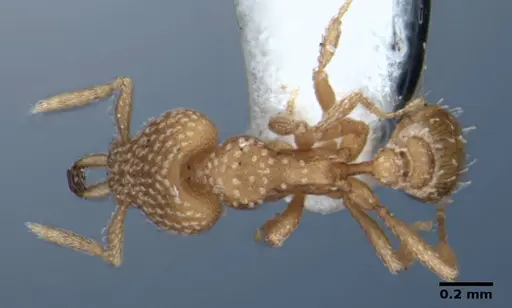
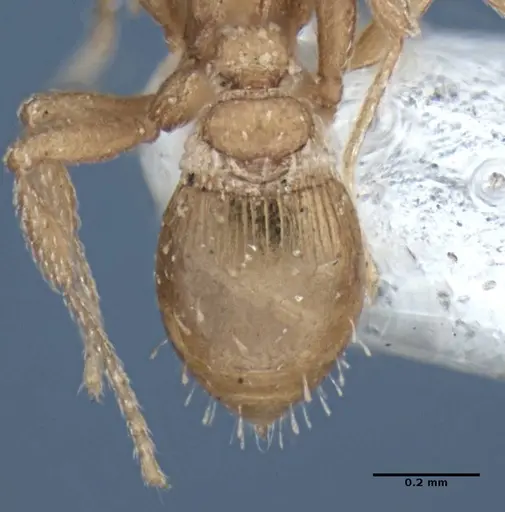
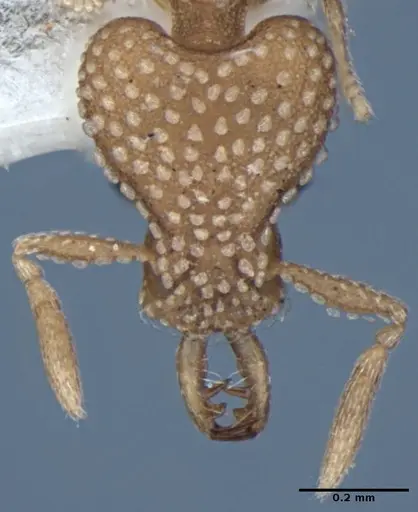
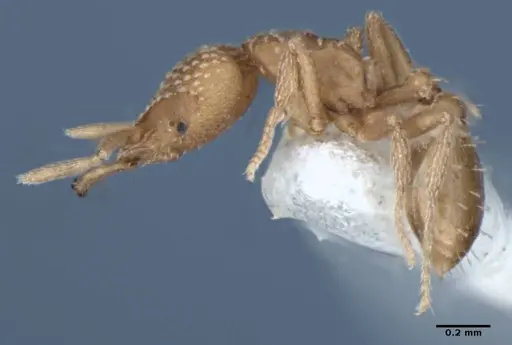
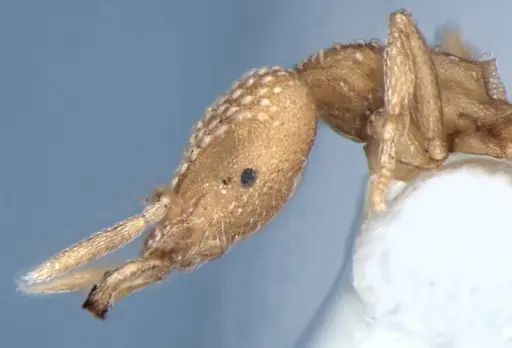
ANTWEB1032121
View on AntWeb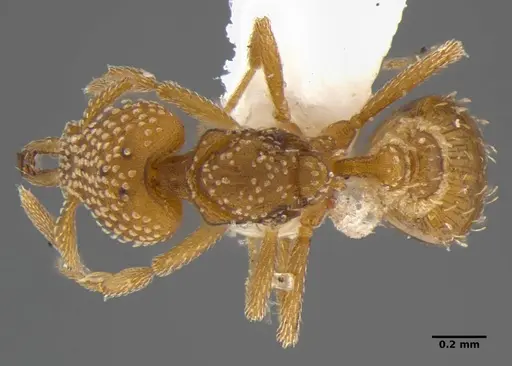
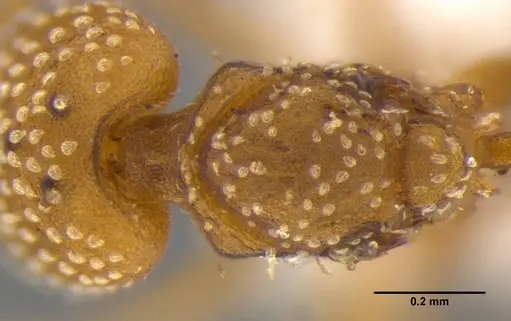
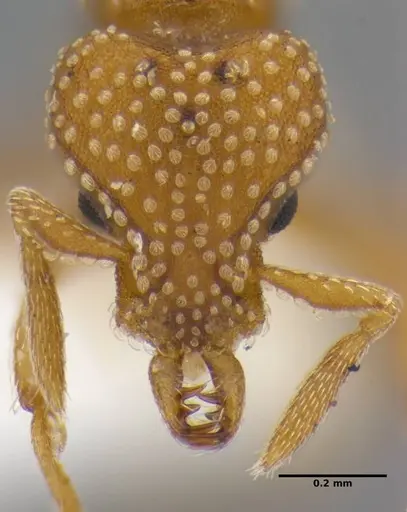
ANTWEB1032125
View on AntWeb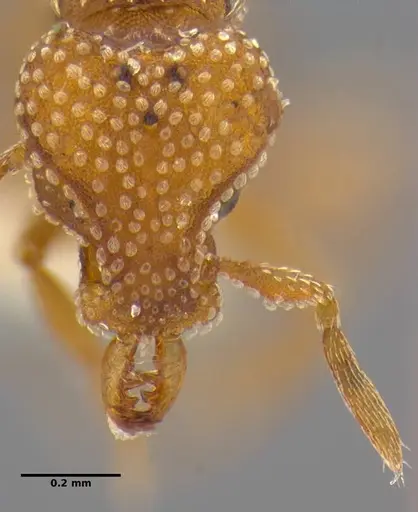
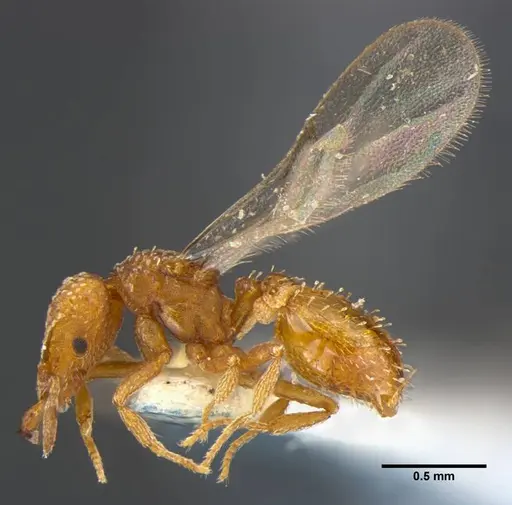
ANTWEB1032143
View on AntWeb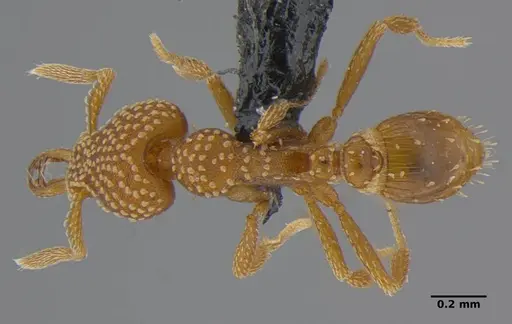
ANTWEB1032145
View on AntWeb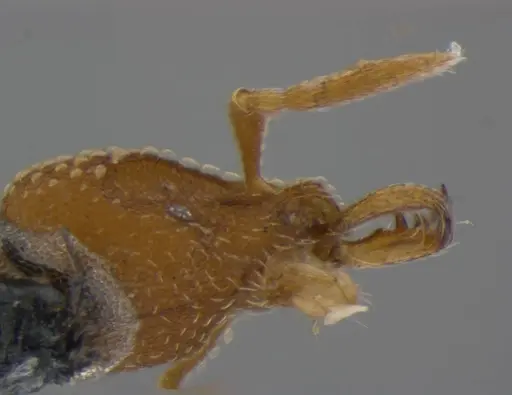
CASENT0900916
View on AntWeb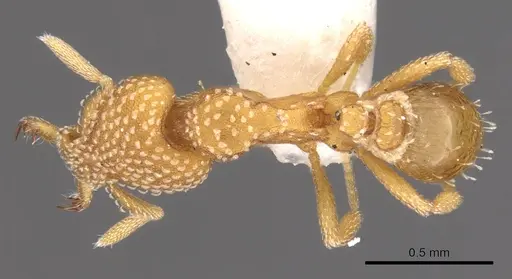
Literature
Loading...Loading products...