

Strumigenys ananeotes
- Scientific Name
- Strumigenys ananeotes
- Tribe
- Attini
- Subfamily
- Myrmicinae
- Author
- Longino & Booher, 2019
- Distribution
- Found in 1 countries
Strumigenys ananeotes Overview
Strumigenys ananeotes is an ant species of the genus Strumigenys. It is primarily documented in 1 countries , including United States of America. Detailed taxonomic data and occurrence records can be further explored via authoritative databases such as AntWeb or the Global Biodiversity Information Facility (GBIF).
Strumigenys ananeotes
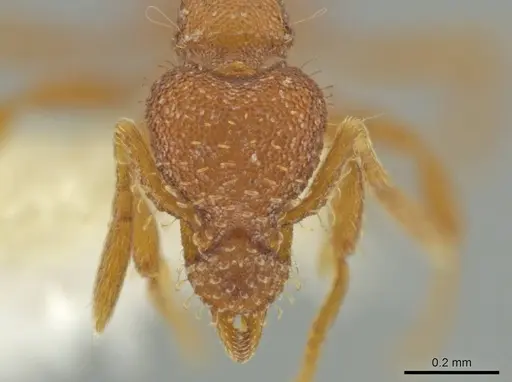
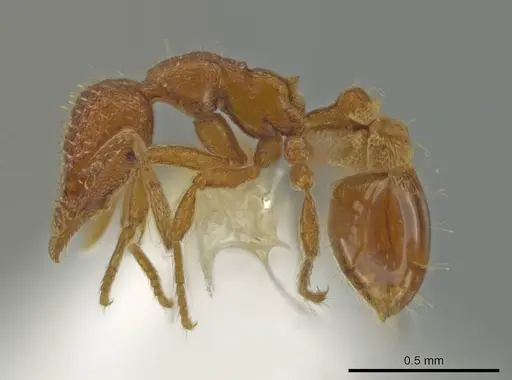
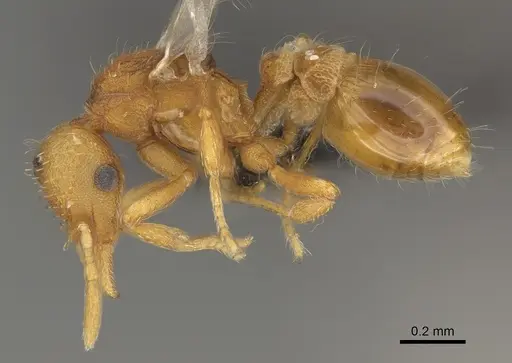
Strumigenys ananeotes is an extraordinarily rare ant, discovered in 2018 in an urban backyard garden in Salt Lake City, Utah, the only known location for this species worldwide. Workers are tiny, measuring just 0.388-0.398mm in head width (roughly 2-3mm total length), with a distinctive feature: the first 7 teeth on their mandibles alternate between large and small pointed teeth, making them the only North American Strumigenys with this specific tooth pattern [1][2]. The name 'ananeotes' means 'newly emerged', a fitting tribute to this species emerging from scientific obscurity [1]. These ants are specialist micropredators that hunt springtails (Collembola) in soil and leaf litter [3]. They represent a relict species that likely survived in moist underground microhabitats through Utah's otherwise arid climate, only now thriving thanks to urban irrigation creating moist garden conditions [1][3].
Quick Summary
- Difficulty: Expert
- Origin & Habitat: Known only from an urban garden in Salt Lake City, Utah, USA, far beyond the typical range of this largely tropical genus. Found in a raised-bed garden with potting soil about 20cm deep, living in soil to approximately 10cm depth [1][3]. The area has a continental climate with cold winters and hot, dry summers, but summer irrigation creates moist, warm conditions similar to eastern deciduous forests [1].
- Colony Type: Colony structure is unconfirmed for this species. The single collected colony had 66 workers and 6 winged queens [1]. Most Strumigenys species are single-queen colonies, but this has not been directly studied for S. ananeotes.
- Size & Growth:
- Queen: 0.423mm head width (estimated 4-5mm total length) [2]
- Worker: 0.388-0.398mm head width (estimated 2-3mm total length) [2]
- Colony: At least 66 workers in the wild colony [1]. Unknown maximum, likely small colonies typical of Strumigenys.
- Growth: Unknown, no captive breeding data exists for this newly described species
- Development: Unconfirmed, no direct observations of captive development. Based on related Strumigenys species, expect 2-4 months at optimal temperature. (Development timeline is unconfirmed. This is a newly described species with no captive breeding studies.)
- Antkeeping:
- Temperature: Keep at room temperature (20-24°C). This species is from temperate Utah with extreme seasonal temperature variation, they likely tolerate a range from cool (15°C) to warm (28°C). Avoid overheating. [1][3]
- Humidity: High humidity is essential. In the wild, they live in moist soil beneath irrigated gardens. Keep the nest substrate consistently damp but not waterlogged. These are subterranean ants that need stable moisture. [1][3]
- Diapause: Likely yes. Utah has cold winters, and the species presumably survives underground. Expect a winter rest period at cool temperatures (10-15°C) for 2-3 months. [1]
- Nesting: Soil-dwelling species. In captivity, use a naturalistic setup with moist soil or a plaster/acrylic nest with a water reservoir to maintain humidity. They nest in soil to about 10cm depth. [1][3]
- Behavior: Extremely shy and non-aggressive. These are specialist predators that hunt tiny springtails using their trap-jaw mandibles. They forage primarily at night. Workers are tiny (2-3mm) and will likely escape through standard barrier systems, escape prevention must be excellent. They are not defensive and pose no sting risk. [1][3]
- Common Issues: escape prevention is critical, workers are tiny (2-3mm) and can squeeze through standard barriers, specialized diet requirement, they are obligate springtail predators and will not survive on typical ant food, high humidity needs, dry conditions will kill them quickly, no captive breeding data exists, this is an undescribed species in 2019 with zero husbandry history, extremely rare in the hobby, you likely cannot obtain this species as it is only known from one wild location
Discovery and Rarity
Strumigenys ananeotes holds the distinction of being one of the most recently discovered and rarest ants in North America. It was found by myrmecologist Jack Longino in his own backyard in Salt Lake City, Utah, on August 13-14,2018, making this a truly citizen-science discovery [1]. The species was formally described in 2019,and 'ananeotes' means 'newly emerged', a reference both to its recent discovery and its emergence from the soil after summer rains or irrigation created favorable conditions [1]. This is the ONLY known population of this species anywhere in the world. The ants were found in a raised-bed garden with potting soil about 20cm deep, with 66 workers and 6 winged queens collected from soil excavated to about 10cm depth [1][3]. The discovery is remarkable because Strumigenys is primarily a tropical and subtropical genus, and Utah, hundreds of kilometers from the nearest Strumigenys record, is far outside its expected range [1]. Scientists believe this is a relict species that survived in moist underground microhabitats through Utah's arid periods, only now expanding due to urban irrigation creating moist garden conditions [1][3].
Identification and Distinguishing Features
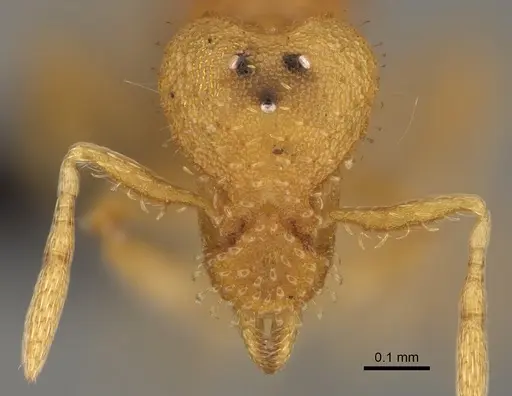
Strumigenys ananeotes can be identified by its unique tooth morphology, it is the ONLY North American Strumigenys species where the first 7 teeth alternate between large and small pointed teeth [1]. The basal-most tooth is small or missing, giving a count of 8 or 7 teeth of alternating sizes [1]. Workers have well-developed eyes with 7-10 ommatidia, and queens have 45-50 pigmented ommatidia [2]. The clypeal setae are distinctive: they are dorsoventrally directed, translucent, spoon-shaped setae with irregularly scalloped apical borders, different from all similar species [2]. Workers measure approximately 0.388-0.398mm in head width, making them extremely small ants [2]. Queens are slightly larger at 0.423mm head width [2]. This species is most similar to western S. chiricahua, eastern S. hyalina, and Mexican S. dispalata, but differs in tooth size patterns and clypeal setae shape [1].
Feeding and Diet - Critical
This is the most challenging aspect of keeping Strumigenys ananeotes: they are specialist micropredators that feed almost exclusively on springtails (Collembola) [3]. In the wild, they hunt springtails within leaf litter, rotting wood, and soil [3]. This means they will NOT survive on typical ant foods like sugar water, honey, or protein mixes. In captivity, you MUST provide live springtails as their primary food source. Other micro-arthropods like tiny isopods may be accepted experimentally, but springtails should form the staple diet. This specialized diet makes them one of the most difficult ants to keep, they are not suitable for beginners. You will need to culture your own springtail colony to ensure a constant food supply. Do not attempt to keep this species unless you are prepared to maintain both the ants and a springtail culture long-term. [3]
Housing and Nest Setup
Strumigenys ananeotes is a soil-dwelling species that nests in moist soil to approximately 10cm depth [1]. For captivity, a naturalistic setup with moist soil is ideal, a shallow container with damp soil, leaf litter, and small pieces of rotting wood mimics their natural microhabitat. Alternatively, a plaster or acrylic nest with a water reservoir can maintain the necessary humidity, but ensure the chambers are appropriately scaled to their tiny size (2-3mm workers). The nest must retain moisture consistently, these ants cannot tolerate dry conditions. Use a hydration system that keeps the substrate damp without flooding. Because they are tiny and can escape through standard barriers, use fine mesh and tight-fitting lids. Provide a foraging area with leaf litter where springtails can be introduced and naturally persist. [1][3]
Temperature and Seasonal Care
Based on their Utah origin, Strumigenys ananeotes experiences extreme temperatures in the wild, cold winters and hot, dry summers. In captivity, keep them at room temperature (20-24°C) as a baseline. They likely tolerate a range from cool (15°C) to warm (28°C), but avoid temperature extremes. The key is stability, sudden temperature changes stress these ants. For winter, expect a diapause period at cool temperatures (10-15°C) for 2-3 months, simulating Utah's cold winters [1]. During the active season, they were observed foraging at night in August when temperatures had cooled [4]. This suggests they are more active during cooler periods and may avoid heat. Monitor your colony, if workers seem sluggish, try slightly cooler temperatures, if they are highly active, your temperature is likely appropriate. [1][3]
Behavior and Temperament
Strumigenys ananeotes is an extremely shy, non-aggressive species. Workers are tiny and likely spend most of their time underground hunting springtails. They are specialist predators with trap-jaw mandibles designed for catching tiny prey, they pose no threat to humans and cannot sting [3]. Foraging has been observed at night on the soil surface, suggesting they are nocturnal or crepuscular hunters [1]. They are not defensive and will not attack, their survival strategy is hiding, not fighting. However, their tiny size (2-3mm workers) means they are excellent escape artists. Standard barrier systems will not contain them, you must use fine mesh, tight-fitting lids, and possibly liquid barriers like fluon. Their colony size is likely small (under 200 workers based on the wild colony of 66 workers), and they probably grow slowly. [1][3]
Frequently Asked Questions
Can I keep Strumigenys ananeotes as a beginner antkeeper?
No, this species is absolutely not suitable for beginners. They are expert-level only due to their specialized diet (requiring live springtails), extremely high humidity needs, and the fact that no captive breeding information exists. Additionally, this species is only known from a single wild location and is essentially unavailable to hobbyists. [3]
What do Strumigenys ananeotes eat?
They are obligate springtail predators. In the wild, they hunt Collembola (springtails) in soil and leaf litter. In captivity, you must provide live springtails as their primary food, they will not survive on sugar water, honey, or typical ant protein. You will need to culture your own springtail colony to feed them. [3]
How big do Strumigenys ananeotes colonies get?
The only known wild colony had 66 workers. Based on related Strumigenys species, colonies likely max out at under 200 workers. They are not large colony ants. [1]
Can I find Strumigenys ananeotes in the wild?
Extremely unlikely. This species is only known from a single location in Salt Lake City, Utah, the discoverer's backyard. It has never been found anywhere else. Even if you visited that location, collecting would be ethically problematic as it is the only known population. [1]
What temperature should I keep Strumigenys ananeotes at?
Keep them at room temperature (20-24°C). They are from temperate Utah and likely tolerate 15-28°C. Avoid overheating. They were found in an irrigated garden where temperatures would be moderate. Provide a stable temperature without major fluctuations. [1][3]
Do Strumigenys ananeotes need hibernation?
Likely yes. Utah has cold winters, and the species presumably survives underground during this time. Provide a winter rest period at 10-15°C for 2-3 months. This simulates their natural seasonal cycle. [1]
How do I set up a nest for Strumigenys ananeotes?
Use a naturalistic setup with moist soil, they nest in soil to about 10cm depth. A shallow container with damp soil, leaf litter, and rotting wood works well. Alternatively, a plaster nest with a water reservoir maintains humidity. The key is keeping the substrate consistently damp, they cannot tolerate dry conditions. Scale chambers to their tiny 2-3mm size. [1][3]
Why is this species so special?
Strumigenys ananeotes is one of the rarest ants in North America, discovered in 2019 and only known from one backyard in Salt Lake City. It represents a relict species that survived Utah's arid periods in underground microhabitats, now thriving thanks to urban irrigation. It is the only North American Strumigenys with alternating large and small teeth on its mandibles. [1][3]
How long does it take for Strumigenys ananeotes to develop from egg to worker?
This is unconfirmed, no captive breeding data exists for this newly described species. Based on related Strumigenys species, expect approximately 2-4 months at optimal temperature, but this is only an estimate. [2]
Are Strumigenys ananeotes aggressive?
No, they are extremely shy, non-aggressive specialist predators. They pose no threat to humans or other ants. Their survival strategy is hiding underground, not fighting. They will not defend their colony aggressively. [3]
Where is Strumigenys ananeotes found naturally?
Only in Salt Lake City, Utah, USA, specifically in 'The Avenues' neighborhood near the University of Utah campus, in an urban backyard garden. This is the only known location for this species anywhere in the world. [1][3]
References

This caresheet is licensed under CC BY-SA 4.0 .
CASENT0645954
View on AntWeb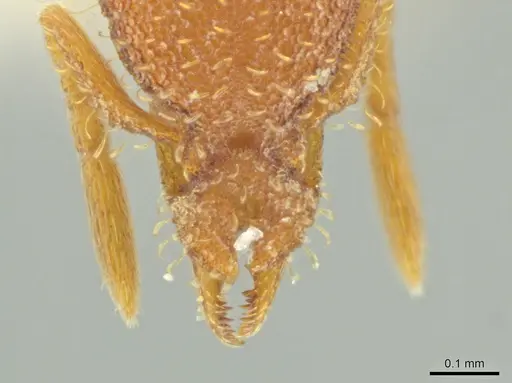
CASENT0645955
View on AntWeb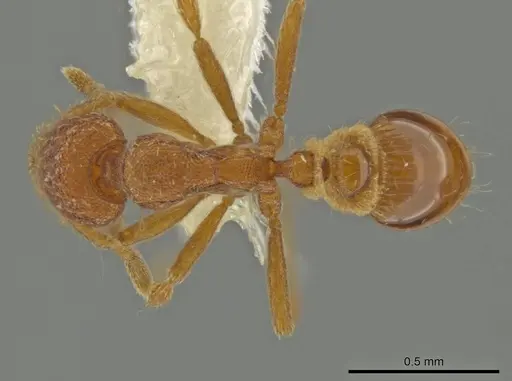
CASENT0645965
View on AntWeb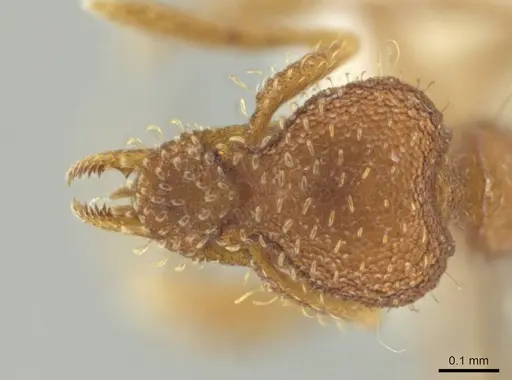
CASENT0799941
View on AntWeb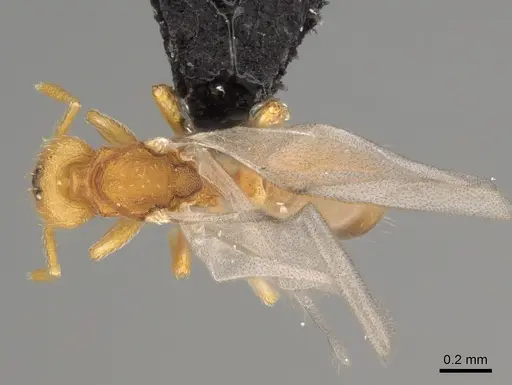
Literature
Loading...Loading products...