

Strumigenys ailaoshana
- Scientific Name
- Strumigenys ailaoshana
- Tribe
- Attini
- Subfamily
- Myrmicinae
- Author
- Xu & Zhou, 2004
- Distribution
- Found in 1 countries
Strumigenys ailaoshana Overview
Strumigenys ailaoshana is an ant species of the genus Strumigenys. It is primarily documented in 1 countries , including China. Detailed taxonomic data and occurrence records can be further explored via authoritative databases such as AntWeb or the Global Biodiversity Information Facility (GBIF).
Strumigenys ailaoshana
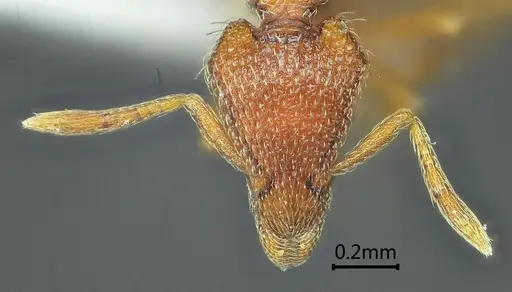
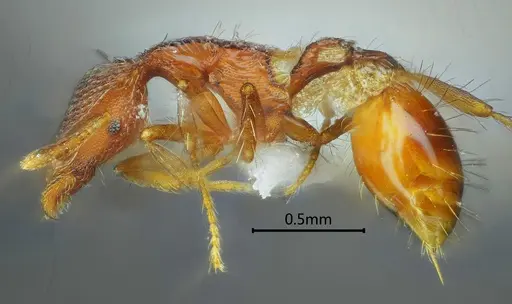
Strumigenys ailaoshana is a tiny predatory ant native to Yunnan Province, China. Workers measure just 2.5-2.7mm, making them one of the smaller ant species kept in captivity. They belong to the leptothrix species group and the elegantula complex, characterized by their distinctive triangular mandibles with around 10 spine-like teeth and elaborate spongiform lobes on the petiole and postpetiole. The body is brown with black eyes and dark lateral margins on the alitrunk. This species is a habitat specialist found exclusively in rubber plantations at elevations around 1250m, not in primary or secondary forests [1].
Quick Summary
- Difficulty: Hard
- Origin & Habitat: Yunnan Province, China, specifically Ailaoshan Mountain at 1250m elevation in Pinus kesiya forest, though populations have also been found in rubber plantations[1].
- Colony Type: Likely single-queen colonies (monogyne) based on typical Strumigenys colony structure, though this specific species has not been extensively studied
- Colony: Monogyne
- Founding: Claustral
- Size & Growth:
- Queen: 3.1mm
- Worker: 2.5-2.7mm
- Colony: Unknown for this species, related Strumigenys species typically reach several hundred workers
- Growth: Slow, Strumigenys are slow-growing ants that invest heavily in each individual
- Development: Estimated 8-12 weeks at optimal temperature based on genus-level data for related species (Development is slow, these ants are ambush predators that prioritize individual prey capture efficiency over rapid colony growth)
- Antkeeping:
- Temperature: Keep around 22-26°C, they come from a subtropical montane region in Yunnan with moderate temperatures
- Humidity: High humidity required, think damp forest floor conditions. Keep the nest substrate consistently moist but not waterlogged
- Diapause: Likely a minor winter slowdown given their subtropical origin, but may not require true hibernation
- Nesting: Preferred nest types include Y-tong (AAC), plaster nests, or naturalistic setups with moist substrate. They prefer tight chambers scaled to their tiny size
- Behavior: These are slow-moving ambush predators. They do not chase prey but instead wait for small arthropods to come within striking distance of their mandibles. Workers are non-aggressive toward humans and unlikely to sting. Their tiny size (under 3mm) means escape prevention is critical, they can squeeze through standard mesh barriers. Activity level is low, they spend much of their time stationary, waiting to ambush prey.
- Common Issues: colonies grow very slowly and beginners may lose patience or overfeed, tiny size makes escape likely without fine mesh barriers (use mesh smaller than 0.5mm), requires live small prey, cannot survive on sugar alone, high humidity needs can lead to mold if ventilation is poor, wild-caught colonies may have parasites that cause colony collapse
Housing and Nest Setup
Strumigenys ailaoshana requires a small, humid enclosure. Y-tong (AAC) nests work well because they provide tight chambers scaled to the tiny worker size. Plaster nests are another excellent option as they hold moisture well. For the outworld, use a small container since these ants are not active foragers. Escape prevention is critical, their workers are under 3mm and can squeeze through standard ant mesh. Use fine mesh (0.5mm or smaller) on all ventilation holes. A small water tube or moisture reservoir connected to the nest helps maintain humidity. Keep the nest partially covered to create humid microclimates while allowing some air flow. [1]
Feeding and Diet
These are obligate predators that specialize in hunting tiny arthropods. Their primary food should be live springtails (Collembola), this is the ideal prey size and they readily accept them. Other small live prey like micro-arthropods, minute soil mites, and small fruit fly larvae may also be accepted. Strumigenys ants are ambush predators, they do not chase down prey but wait with their mandibles open, then snap them shut when prey gets close. They do NOT feed on sugar or honey, their metabolism is geared entirely toward protein. Offer prey every 2-3 days, removing any uneaten prey after 24 hours to prevent mold. A constant water source should be available. [1]
Temperature and Humidity
Maintain temperatures in the range of 22-26°C. This species comes from Yunnan Province at approximately 1250m elevation, a subtropical montane environment with moderate temperatures and high humidity. Avoid temperatures above 28°C as this can stress the colony. Humidity should be high, aim for 70-80% relative humidity in the nest area. The substrate should feel consistently damp but never waterlogged. A moisture gradient is ideal so ants can choose their preferred humidity zone. Room temperature within this range is acceptable, if your home runs cooler, use a heating cable on one side of the nest to create a gentle gradient. Place heating on top of the nest, not underneath, to avoid evaporating moisture too quickly. [1]
Colony Founding and Growth
Colony founding is claustral, the queen seals herself in a small chamber and raises the first workers alone using her stored fat reserves. Expect the first workers (nanitics) to emerge after 8-12 weeks under optimal conditions. Initial colony size will be small, typically just 5-15 workers in the first year. Growth is slow because each worker represents a significant investment in hunting and capturing prey. Do not expect rapid expansion, a healthy established colony might reach 50-100 workers in its second year and several hundred at maturity. Resist the urge to overfeed, excess prey decays and causes mold problems. Patience is essential with this species. Queens are 3.1mm while workers are 2.5-2.7mm, making the size difference noticeable but not extreme. [1]
Behavior and Temperament
Strumigenys ailaoshana is a calm, non-aggressive species. Workers spend most of their time motionless, waiting to ambush prey that wanders near their position. They are not defensive and will not attack the keeper. The mandibles have about 10 spine-like teeth and can deliver a mild pinch if handled roughly, but these ants pose no danger to humans. Their activity level is low compared to many ant species, you may not see dramatic foraging raids. Instead, observe the fascinating ambush behavior as workers remain still until prey appears. This species does not form supercolonies or exhibit aggressive territorial behavior. They are best observed during feeding when the ambush hunting behavior is most active. [1]
Frequently Asked Questions
How long does it take for Strumigenys ailaoshana to produce first workers?
Expect 8-12 weeks from egg to first worker at optimal temperature (22-26°C). This is a slow-growing species, so be patient during the founding stage. The queen will seal herself in and raise the first brood alone.
What do Strumigenys ailaoshana ants eat?
They are obligate predators that need live small prey. Springtails are the ideal food, they are the right size and Strumigenys readily accept them. Other small live prey like micro-arthropods may also work. They do NOT eat sugar, honey, or other carbohydrates, their diet is entirely protein-based.
Can I keep Strumigenys ailaoshana in a test tube?
Test tubes can work for founding colonies but are not ideal long-term. These ants need high humidity that test tubes provide well initially, but they also need a small hunting area for ambush behavior. A small Y-tong or plaster nest is more suitable for established colonies. If using test tubes, ensure excellent escape prevention as they are tiny.
Are Strumigenys ailaoshana good for beginners?
No, this is a difficult species not recommended for beginners. They require live prey, high humidity, slow growth, and excellent escape prevention. Their specialized diet and slow development make them challenging. Experience with other ant species first is strongly recommended.
How big do Strumigenys ailaoshana colonies get?
Colony size is not well documented for this specific species, but related Strumigenys species typically reach several hundred workers at maturity. Growth is slow, expect several years to reach maximum size.
Do Strumigenys ailaoshana need hibernation?
Probably not a true hibernation. They come from a subtropical region in Yunnan, China, and may only require a minor winter slowdown when temperatures drop slightly. Do not subject them to cold hibernation like temperate species. Simply allow slight cooling in winter if your room temperature naturally drops.
Why are my Strumigenys ailaoshana dying?
Common causes include: wrong food (they need live prey, not sugar), too low humidity (they need damp conditions), escape through fine gaps (they are tiny), mold from overfeeding, or parasites from wild-caught colonies. Review each of these factors. Also ensure temperatures are in the 22-26°C range.
When should I move my colony to a formicarium?
Wait until the colony has at least 30-50 workers before moving. Strumigenys are slow-growing and the founding stage in a test tube is less risky. Once the colony is established and you see regular prey consumption, you can consider moving to a small Y-tong or plaster nest with a small outworld.
Can I keep multiple queens together?
Not recommended. Strumigenys ailaoshana is likely a single-queen species. Combining unrelated queens has not been documented and would likely result in fighting. Start with one queen for colony founding.
References

This caresheet is licensed under CC BY-SA 4.0 .
ANTWEB1060570
View on AntWeb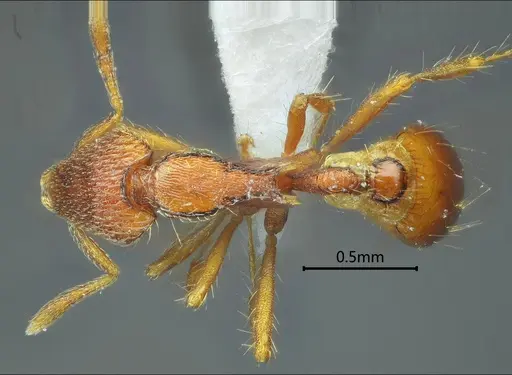
Literature
Loading...Loading products...