

Strumigenys aello
- Scientific Name
- Strumigenys aello
- Tribe
- Attini
- Subfamily
- Myrmicinae
- Author
- Bolton, 2000
- Distribution
- Found in 1 countries
Strumigenys aello Overview
Strumigenys aello is an ant species of the genus Strumigenys. It is primarily documented in 1 countries , including Brunei Darussalam. Detailed taxonomic data and occurrence records can be further explored via authoritative databases such as AntWeb or the Global Biodiversity Information Facility (GBIF).
Strumigenys aello
Strumigenys aello is an extremely tiny ant species measuring just 1.5mm in total length, belonging to the Myrmicinae subfamily [1]. Workers are among the smallest ants you can keep, with workers measuring around 0.36mm in head width and 0.39mm in head length [1]. The species is a member of the Strumigenys extemena group and is found exclusively in Borneo, Indonesia, and Malaysia, where it lives in rainforest leaf-litter [1]. This species was originally described as Strumigenys aello in 2000 before being moved to the Strumigenys genus in 2007 [1].
What makes S. aello particularly interesting is its highly specialized predatory lifestyle. Stable isotope studies show δ15Ncor values of 7.38-8.53,indicating these ants are strict predators that likely hunt tiny soil micro-arthropods like springtails and mites [2][3]. This places them high in the food chain for leaf-litter ants. The species is exceptionally rare in the wild, with only a handful of specimens ever collected, making it one of the more unusual species available to advanced antkeepers.
Quick Summary
- Difficulty: Expert
- Origin & Habitat: Borneo, Indonesia, and Malaysia, lowland rainforest leaf-litter habitats [1][4]
- Colony Type: Likely monogyne (single queen) based on typical Strumigenys patterns, though colony structure is unconfirmed for this specific species
- Size & Growth:
- Queen: Undescribed, estimated 2-2.5mm based on worker size and genus patterns
- Worker: 1.5mm total length, HW 0.36mm, HL 0.39mm [1]
- Colony: Unknown, likely small colonies of under 100 workers based on related species and rare collection records [4]
- Growth: Slow, unknown exact timeline, but typical for specialized predators
- Development: Unknown, likely 8-12 weeks based on related Strumigenys species at tropical temperatures (No direct development data exists for this species. Estimates based on genus-level patterns for tiny tropical Myrmicinae.)
- Antkeeping:
- Temperature: Keep at 24-28°C, these are tropical rainforest ants that need warm, stable conditions [3]
- Humidity: High humidity (70-85%), rainforest leaf-litter species require consistently moist substrate [3]
- Diapause: No, being tropical, they do not require hibernation. Keep warm year-round.
- Nesting: Tiny colonies need very small, tight chambers. Test tubes with cotton-plugged water reservoirs work well, or small acrylic nests with chambers scaled to their minute size. They do best in naturalistic setups that mimic the damp leaf-litter environment.
- Behavior: These ants are specialized predators that hunt tiny arthropods. They are extremely small and delicate, making them prone to escape, excellent escape prevention is essential. They are not aggressive toward keepers but their small size makes them difficult to handle. Workers likely use chemical recruitment to coordinate hunting. They are skittish and may abandon brood if disturbed. Their predatory nature means they require live prey to thrive.
- Common Issues: escape prevention is critical, their tiny size means they can squeeze through standard mesh barriers, live prey requirement makes them difficult to feed, they need constant access to springtails or other micro-arthropods, slow colony growth frustrates keepers expecting rapid development, rare species means limited availability and high cost, stress-sensitive, colonies may abandon brood or decline if kept in suboptimal conditions
Housing and Setup
Housing Strumigenys aello presents unique challenges due to their minute size. Use test tubes with small water reservoirs or acrylic nests with chambers no more than 2-3mm in diameter. The nest material should be kept consistently moist but never waterlogged, these rainforest ants need damp conditions similar to forest floor litter [3]. A thin layer of substrate (1-2cm) works well since colonies remain small. For the outworld, keep it simple and small to concentrate prey items where ants can find them. Escape prevention is absolutely critical, even standard fine mesh may not contain them. Use fluon on test tube rims and consider sealing all connections with petroleum jelly or silicone. Room temperature in the low-to-mid 20s°C is acceptable, but a small heating cable on one side of the nest can help maintain the 24-28°C range they prefer.
Feeding and Diet
Strumigenys aello are specialized predators that require live prey. Stable isotope analysis confirms they feed high on the food chain, with δ15Ncor values of 7.38-8.53 indicating a strictly predatory diet [2][3]. In captivity, their primary food should be live springtails (Folsomia candida or similar), which are small enough for these tiny ants to tackle. Other acceptable prey includes live soil mites, booklice (psocids), and other micro-arthropods. They are unlikely to accept sugar water or honey since they are not honeydew feeders. Feed small amounts of live prey every 2-3 days, removing any uneaten prey after 24 hours to prevent mold. The key challenge is maintaining a constant supply of appropriately sized live prey, this is the main factor limiting success with this species.
Temperature and Humidity
As tropical rainforest leaf-litter ants from Borneo, Strumigenys aello require warm, humid conditions year-round. Maintain temperatures between 24-28°C, which is typical for lowland tropical rainforests [3]. They do not undergo diapause or hibernation, keeping them cool will slow their already slow metabolism and may cause colony decline. Humidity should be high, around 70-85%, which you can achieve by keeping the nest substrate consistently moist and using a water reservoir in test tube setups. Avoid both drying out the nest (which kills these humidity-dependent ants) and creating stagnant, mold-prone conditions. Good ventilation while maintaining humidity is key. A small water dish in the outworld helps with ambient humidity.
Behavior and Colony Dynamics
Strumigenys aello colonies are expected to remain small, likely under 100 workers even at maturity, based on the extremely low collection numbers in the wild (only 1 occurrence recorded in a major biodiversity study) [4]. Workers are delicate and spend most of their time hunting micro-arthropods in the leaf-litter layer. They likely use chemical trails to recruit nestmates to prey items, similar to other Strumigenys species. The species is not defensive and poses no threat to keepers, their tiny mandibles cannot penetrate human skin. However, they are easily stressed and may abandon brood if the nest is opened frequently or if conditions are suboptimal. Colony growth is slow, so patience is essential. Queens have not been described in the scientific literature, so founding colonies may be unavailable or extremely rare in the hobby.
Finding and Acquiring
Strumigenys aello is one of the rarest species available in the antkeeping hobby. The species has been collected only a handful of times in the wild, all from Borneo rainforest leaf-litter samples using Winkler extraction methods [3]. This makes them exceptionally difficult to acquire, and established colonies are rarely available. If you do obtain a colony, expect to pay a premium price. The best approach is to connect with specialized dealers who focus on rare Asian or exotic species. Given their specialized care requirements and the difficulty of establishing and maintaining colonies, this species is recommended only for experienced antkeepers who have successfully kept other small, predatory species like other Strumigenys or Daceton species.
Frequently Asked Questions
How long does it take for Strumigenys aello to produce first workers?
The exact development timeline is unknown since this species has never been bred in captivity. Based on related Strumigenys species and their tiny size, expect 8-12 weeks from egg to worker at optimal tropical temperatures (26-28°C). Growth will be slow, and colonies may take many months to reach even 10 workers.
What do Strumigenys aello ants eat?
They are strict predators that require live prey. Feed them live springtails (Folsomia candida), soil mites, booklice, and other tiny micro-arthropods. They will not accept sugar water, honey, or dead insects. The constant availability of appropriately sized live prey is essential for colony survival.
Can I keep Strumigenys aello in a test tube?
Yes, test tubes work well for these tiny ants. Use small test tubes with cotton-plugged water reservoirs. The key is ensuring excellent escape prevention, their minute size allows them to squeeze through standard barriers. Apply fluon to rims and seal all connections carefully.
Are Strumigenys aello ants dangerous?
No, they pose no danger to keepers. Their tiny size (1.5mm total length) means their mandibles cannot penetrate human skin. They are not defensive and will flee rather than attack if threatened.
Do Strumigenys aello need hibernation?
No, they do not require hibernation. Being tropical rainforest ants from Borneo, they need warm temperatures (24-28°C) year-round. Cooling them down will slow their metabolism and may cause colony decline.
How big do Strumigenys aello colonies get?
Colony size is unknown but likely remains small, probably under 100 workers even at maturity. This is based on the extremely rare collection records (only 1 individual found in a major biodiversity survey) and the small colony sizes typical of related Strumigenys species.
Why are my Strumigenys aello dying?
Common causes include: lack of live prey (they will starve without constant micro-arthropod supply), low humidity (they need 70-85% humidity), temperatures below 24°C, stress from disturbance, and escape through tiny gaps. Check all husbandry parameters and ensure you are providing appropriate live prey.
Is Strumigenys aello good for beginners?
No, this species is not recommended for beginners. Their extreme rarity, specialized live-prey diet, need for high humidity, critical escape prevention requirements, and slow growth make them suitable only for expert antkeepers with experience keeping small predatory ants.
Can I keep multiple queens together?
This has not been documented. Based on typical Strumigenys behavior, single-queen colonies are most likely. Do not attempt combining unrelated queens, this species is too rare and valuable to risk losing colonies to aggression.
What makes Strumigenys aello special compared to other ants?
They are among the smallest ants in the world at just 1.5mm, they are strict predators with a specialized hunting lifestyle, and they are exceptionally rare, known from only a handful of specimens in scientific collections. Their stable isotope values (δ15Ncor 7.38-8.53) indicate they occupy a unique ecological niche as top predators in the leaf-litter ant community.
References

This caresheet is licensed under CC BY-SA 4.0 .
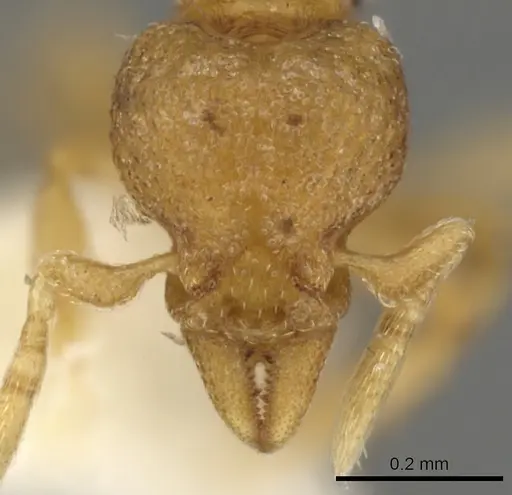
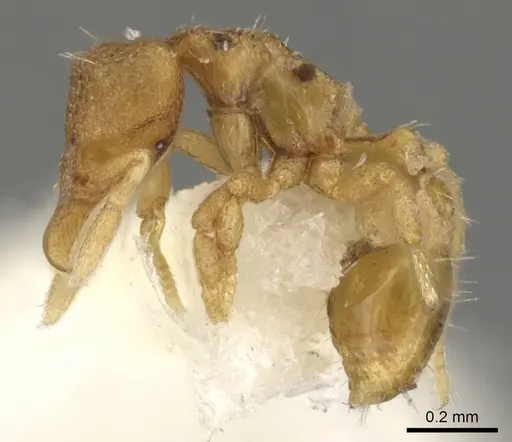
CASENT0900140
View on AntWeb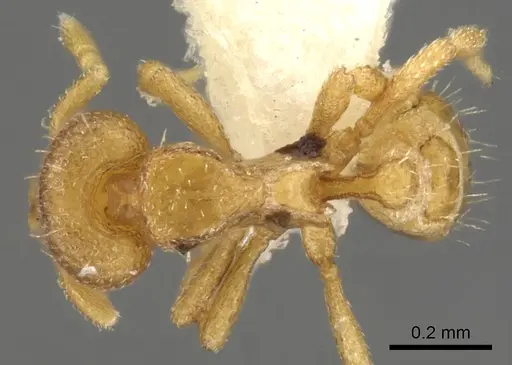
Literature
Loading...Loading products...