

Streblognathus peetersi
- Scientific Name
- Streblognathus peetersi
- Tribe
- Ponerini
- Subfamily
- Ponerinae
- Author
- Robertson, 2002
- Distribution
- Found in 3 countries
Streblognathus peetersi Overview
Streblognathus peetersi is an ant species of the genus Streblognathus. It is primarily documented in 3 countries , including Lesotho, Eswatini, South Africa. Detailed taxonomic data and occurrence records can be further explored via authoritative databases such as AntWeb or the Global Biodiversity Information Facility (GBIF).
Streblognathus peetersi
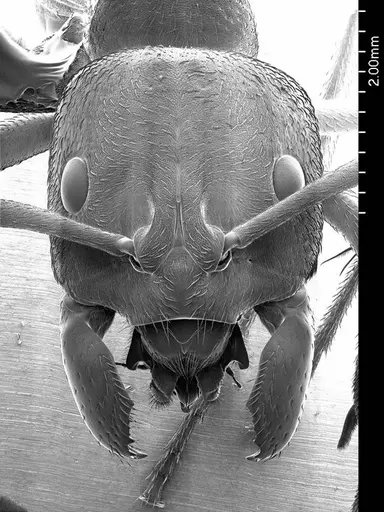
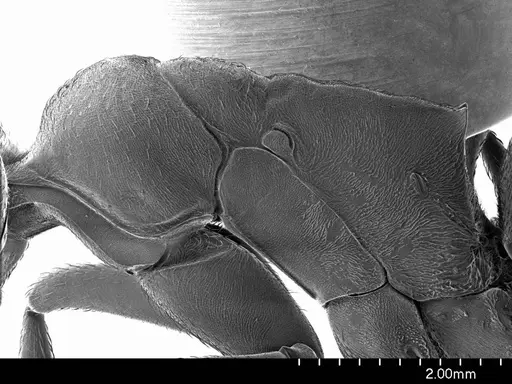
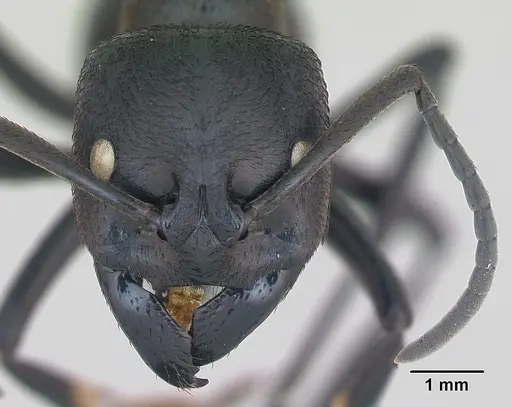
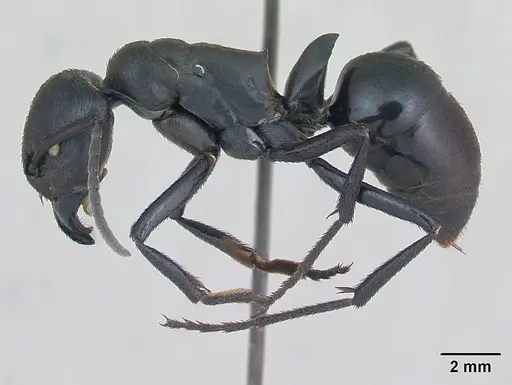
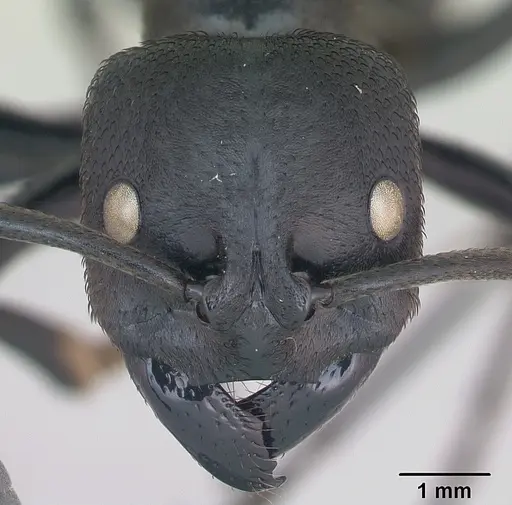
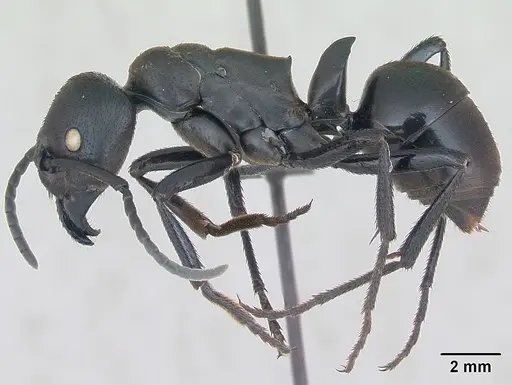
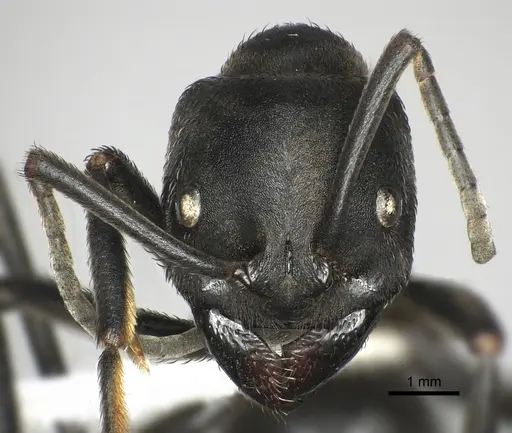
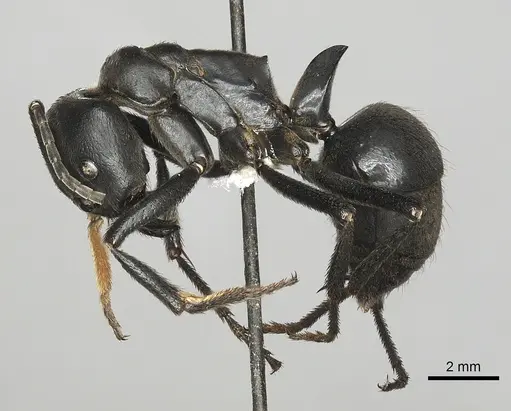
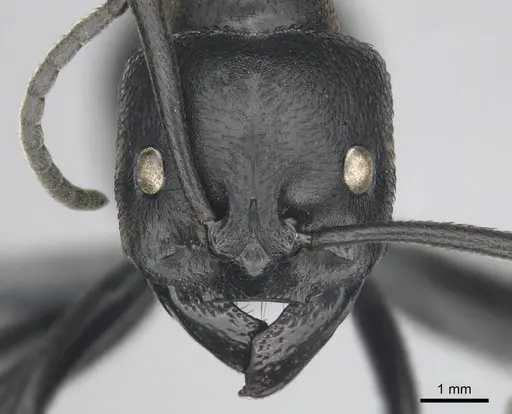
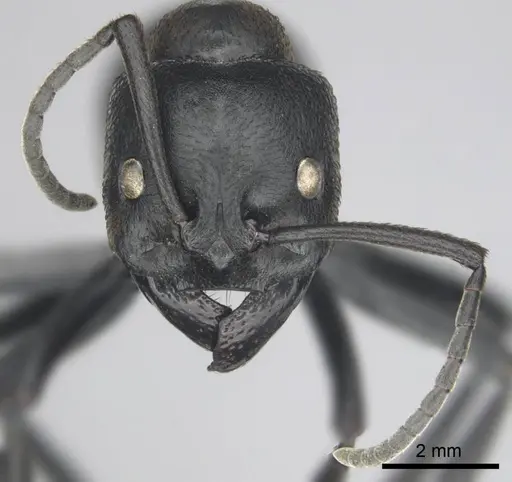
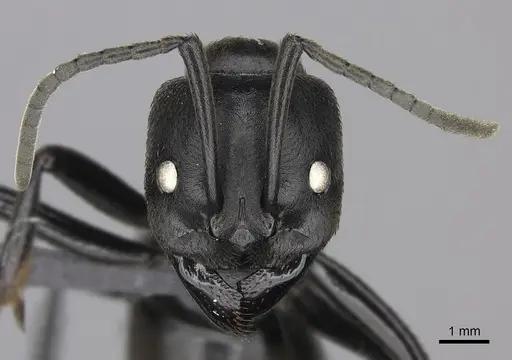
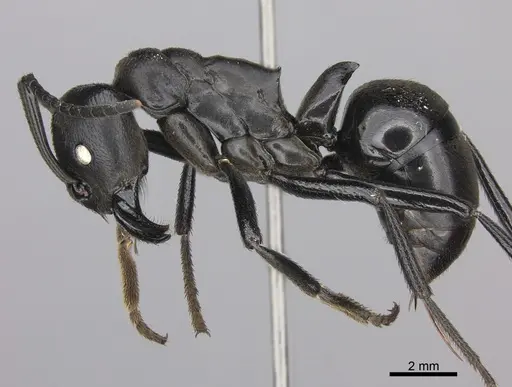
Streblognathus peetersi is a remarkable queenless ant species native to the grassland regions of eastern South Africa, Lesotho, and Eswatini [1]. These are among the largest ants in Africa, with workers reaching up to 2.5 cm in total length [2]. Workers have dark brown to black coloration with relatively short scapes compared to the similar species S. aethiopicus, and can be identified by their scape index of 87-98 [1]. Unlike most ant species, S. peetersi has completely lost the queen caste, reproduction is carried out by gamergates, which are mated workers that lay eggs [3]. This makes them one of the most scientifically interesting ant species for studying reproductive hierarchy and conflict in insect societies.
Quick Summary
- Difficulty: Expert
- Origin & Habitat: Eastern grasslands of southern Africa, including eastern South Africa, Lesotho, and Eswatini. Found from coastal grasslands at 300m altitude up to high-altitude grasslands in the Drakensberg mountains at 2200m [4].
- Colony Type: Queenless, reproduction by single gamergate (mated, egg-laying worker). This is a monogynous queenless species where only one worker mates and lays eggs. Colonies average 95 workers (range 33-163) [3].
- Special: Gamergates
- Size & Growth:
- Queen: N/A, queen caste has been entirely lost [3]
- Worker: 3.43-4.46 mm head width,3.28-4.12 mm scape length, hind tibia 3.80-4.80 mm [1]
- Colony: Average 95 workers, up to 163 workers in natural colonies [3]
- Growth: Moderate, colonies reach up to ~160 workers
- Development: Unknown, not directly studied. Based on typical Ponerinae development, estimate 8-12 weeks at optimal temperature. (New alpha gamergate takes approximately 4 weeks for ovaries to develop sufficiently for egg-laying after rising to dominance [5].)
- Antkeeping:
- Temperature: Keep at 25°C based on laboratory rearing conditions [5]. High-altitude populations (up to 2200m) may tolerate cooler temperatures.
- Humidity: Moderate, grassland habitat. Provide moisture but ensure good ventilation to prevent mold.
- Diapause: Unknown, high-altitude populations likely experience cooler winters but specific diapause requirements unconfirmed.
- Nesting: Natural nests have 1-2 entrances surrounded by pebble mounds, with chambers extending 40-50cm deep along a vertical axis [4]. Provide deep nesting substrate (at least 15-20cm) with a gradient from moist to slightly drier areas. Plaster nests or deep acrylic setups work well.
- Behavior: These ants are not highly aggressive toward nestmates but maintain clear dominance hierarchies. The colony organizes into three groups: the alpha (dominant reproductive), high-ranked workers (beta to delta), and subordinate workers [6]. Alpha workers perform distinctive 'gaster curling' displays, bending the gaster under the thorax to expose intersegmental membranes while biting subordinates [7]. Foraging occurs twice daily, in early morning and late afternoon [8]. They do not recruit to food sources and have low foraging success (only 7-8% of foragers return with food) [8]. Workers can stridulate as an alarm signal [2]. Escape risk is moderate, large ants but not particularly agile climbers.
- Common Issues: queenless system makes colony establishment difficult, you cannot start with a founding queen, complex dominance hierarchy may cause stress when colony is disturbed or divided, low foraging success means prey items may go unused, remove uneaten food promptly, no queen caste means colony cannot be restarted from a single reproductive if gamergate is lost, deep nesting requirement may be challenging to provide in standard formicaria
Understanding the Queenless System
Streblognathus peetersi is one of the few ant species that has completely lost the queen caste. Instead, reproduction is carried out by gamergates, workers that have mated and taken on the reproductive role [3]. This is a fascinating system where the queen caste was secondarily lost, and reproductive workers evolved to replace the missing queens [6]. In each colony, only one worker (the alpha) mates with a foreign male and lays all the eggs. The colony is essentially monogynous (single reproductive) but without a morphological queen [5]. When the alpha becomes old or weak, she is replaced by a high-ranking worker through a process of ritualized competition. The new alpha takes approximately 4 weeks for her ovaries to develop sufficiently for egg-laying [5]. This system means you cannot start a colony with a 'founding queen', instead, you would need an established colony with a functioning gamergate.
Social Hierarchy and Behavior
The social organization of S. peetersi is remarkably complex. The colony contains three distinct groups: the alpha worker (the dominant reproductive), high-ranked workers (called beta to delta), and subordinate workers [6]. The alpha is the only individual that mates and lays eggs. High-ranked workers are typically younger individuals that are behaviorally dominant over low-rank workers but remain subordinate to the alpha, they do not mate or lay eggs. Subordinate workers can be of any age and remain infertile [6]. The alpha performs distinctive displays called 'gaster curling', she bends her abdomen under her body, exposes the soft membranes between segments, and bites the antennae of subordinate workers [7]. This behavior, along with chemical signals (cuticular hydrocarbons), maintains her reproductive monopoly. When the alpha's fertility is experimentally reduced, low-ranking workers actually immobilize and attack her, something that never happens in healthy colonies [5]. This demonstrates how the entire colony policing system depends on the alpha's chemical fertility signals.
Feeding and Diet
In the wild, S. peetersi forages twice daily, once in early morning and once in late afternoon [8]. Their diet consists primarily of arthropods (they are predatory), though they also occasionally bring back annelids and plant material [8]. However, their foraging success is notably low, only about 7-8% of foragers return with food items [8]. They do not perform trophallaxis (food-sharing mouth-to-mouth) [8]. In captivity, offer protein sources like crickets, mealworms, and other small invertebrates. Since they are large Ponerine ants, they can take down prey items significantly larger than many other ant species. Remove uneaten prey within 24-48 hours to prevent mold issues. Sugar sources may be accepted but are not a primary food source, focus on protein.
Temperature and Housing
Laboratory colonies have been successfully kept at 25°C with a 12-hour light/dark cycle [5]. This should be your target temperature for optimal colony health. High-altitude populations from the Drakensberg (up to 2200m) may tolerate cooler conditions, but there is no specific data on their temperature preferences. Provide a temperature gradient so ants can choose their preferred zone. For nesting, these ants require depth, natural nests extend 40-50cm deep with chambers along a vertical axis [4]. A deep plaster nest or acrylic formicarium with at least 15-20cm of vertical space works well. The nest should have a moist chamber (for brood) and a slightly drier area for the ants to regulate humidity themselves. Natural colonies build distinctive pebble mounds around nest entrances, you can simulate this with a thin layer of small gravel or pebbles around the nest area.
Colony Reproduction and Fission
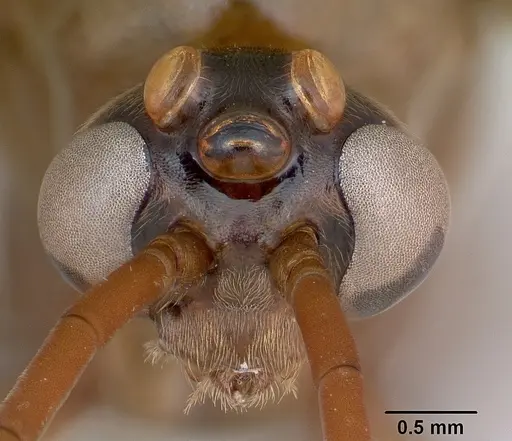
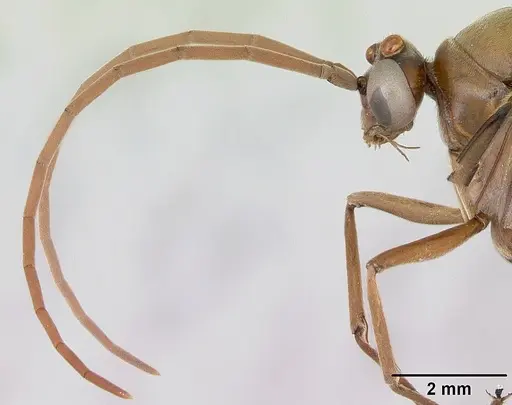
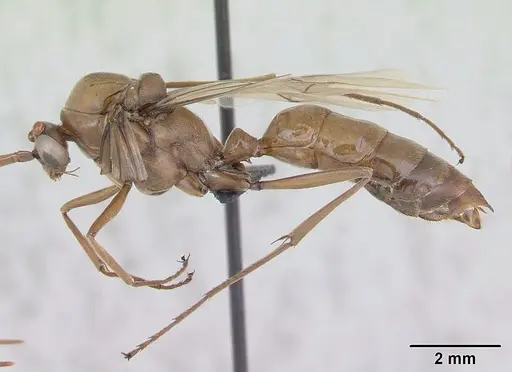
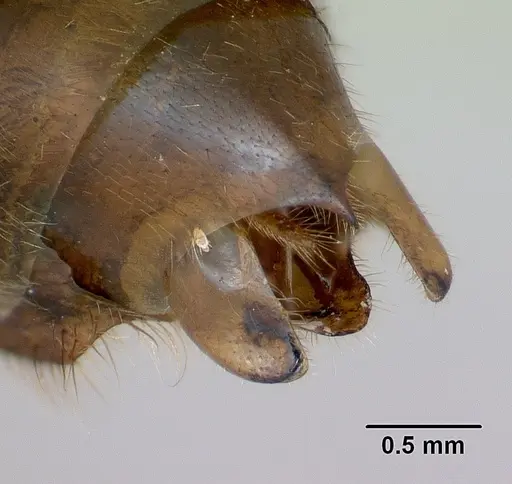
Unlike most ant species that produce winged reproductives for dispersal, S. peetersi reproduces through colony fission. When the alpha gamergate ages or weakens, she is replaced by a high-ranking worker. The new alpha mates with a winged male near the nest entrance, then continues reproduction within the same colony [5]. Males have specialized genitalia with large, recurved barbs on their penis valves, these likely function as a mating plug to prevent other males from mating with the same female after copulation [1]. Successful males actually die after mating (suicide behavior), which prevents additional males from fathering the colony's offspring [1]. In captivity, colony reproduction is extremely difficult to observe and requires very established colonies. Do not expect nuptial flights or typical ant dispersal behavior.
Frequently Asked Questions
Can I start a Streblognathus peetersi colony with a queen?
No. This species has completely lost the queen caste. Reproduction is carried out by gamergates (mated workers), so there is no queen to start a colony [3]. You would need to obtain an established colony that already contains a functioning gamergate.
How do Streblognathus peetersi colonies reproduce without a queen?
They reproduce through fission. When the alpha (reproductive worker) becomes old or weak, a high-ranking worker rises to take her place. The new alpha mates with a foreign male near the nest entrance and then lays eggs. This is fundamentally different from typical ant reproduction [5].
What makes this species difficult to keep?
Several factors make S. peetersi an expert-level species: no queen caste means you cannot start a colony traditionally, the complex dominance hierarchy can be disrupted by disturbance, they require deep nesting chambers (40-50cm in the wild), and their low foraging success means careful husbandry is needed. They are not a species for beginners [8][4].
How big do colonies get?
Colonies average around 95 workers, with a maximum of approximately 160-163 workers in well-established colonies [3]. This is relatively small compared to many other ant species.
What temperature should I keep them at?
Keep them at 25°C based on successful laboratory rearing conditions [5]. If you have high-altitude stock (from Drakensberg populations at 2200m), they may tolerate slightly cooler temperatures, but 25°C is a reliable target.
How often should I feed them?
Offer protein (insects) 2-3 times per week. Remove any uneaten prey after 24-48 hours. Since their foraging success is low in the wild (only 7-8% return with food), they may not accept every feeding, monitor and adjust accordingly [8].
What do the different worker ranks mean?
S. peetersi has three social ranks: alpha (the only reproductive worker that mates and lays eggs), high-ranked workers (younger workers that are dominant over subordinates but cannot reproduce), and subordinate workers (older foragers that remain infertile) [6]. The alpha performs distinctive 'gaster curling' displays to maintain her dominance.
Can I keep multiple colonies together?
This is not recommended. While they show reduced aggression toward neighboring conspecific nests in the wild (when close together), they are highly aggressive toward distant conspecifics and all heterospecifics [8]. Mixing colonies would likely result in fighting.
Do they need hibernation or diapause?
Unknown. High-altitude populations (up to 2200m in the Drakensberg) likely experience cold winters, but specific diapause requirements have not been documented. If keeping high-altitude stock, a cool period (15-18°C) during winter months may be appropriate, but this is an educated guess rather than established protocol.
Why are they called 'queenless' ants?
Because the queen caste has been entirely lost through evolution. The species once had queens like other ants, but they were replaced by reproductive workers (gamergates). This happened because the queen caste was secondarily lost, a rare and scientifically fascinating phenomenon [6][3].
Are they good for beginners?
No. This is an expert-level species due to their unique queenless reproductive system, complex social hierarchy, deep nesting requirements, and specific temperature needs. They are best kept by experienced antkeepers with a strong interest in Ponerine biology [5].
References

This caresheet is licensed under CC BY-SA 4.0 .
ANTWEB1008591
View on AntWeb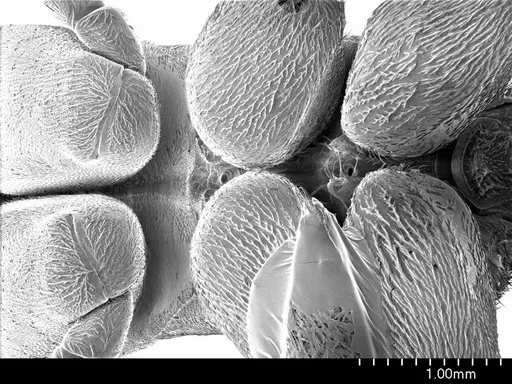
CASENT0173636
View on AntWeb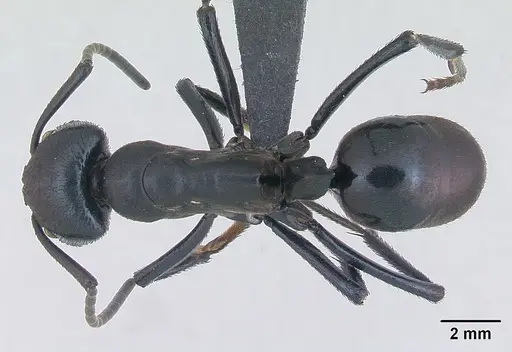
CASENT0173637
View on AntWeb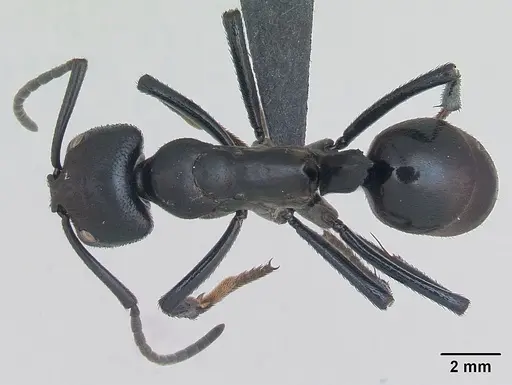
CASENT0173638
View on AntWeb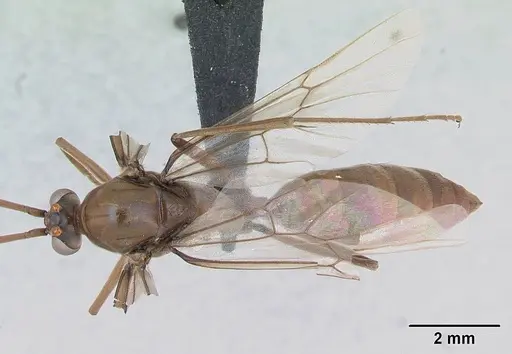
CASENT0249250
View on AntWeb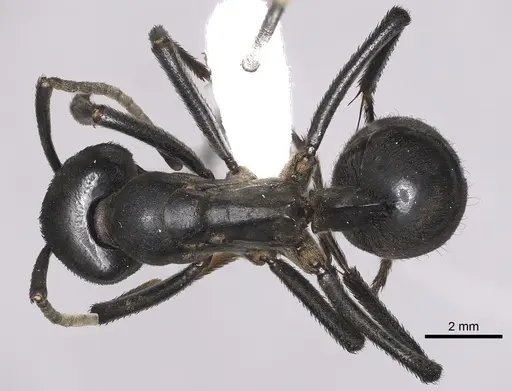
CASENT0258851
View on AntWeb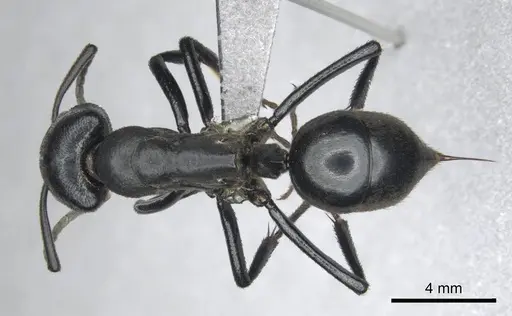
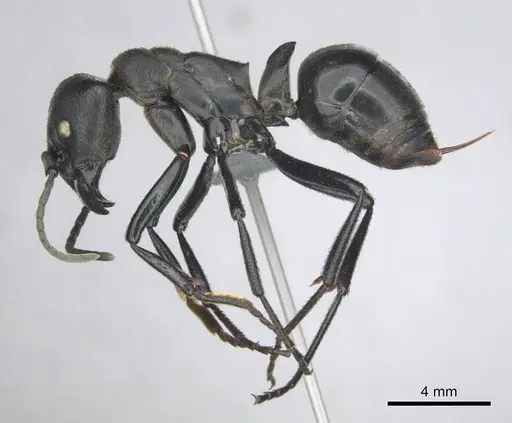
CASENT0258947
View on AntWeb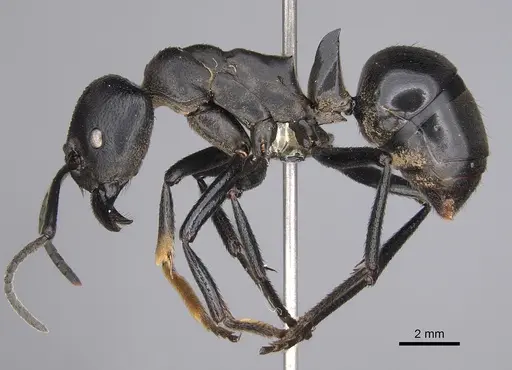
CASENT0260277
View on AntWeb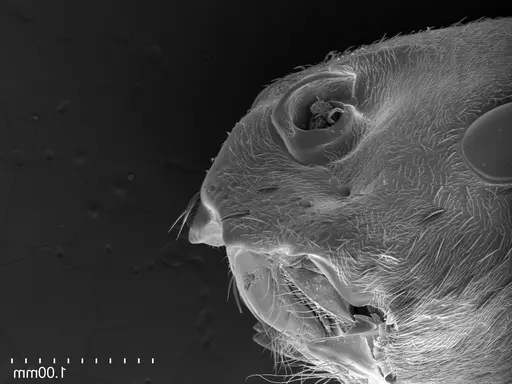
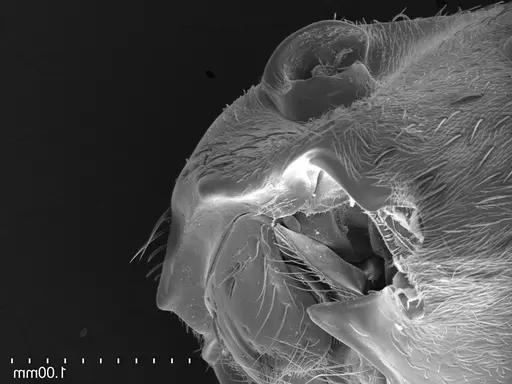
CASENT0260406
View on AntWeb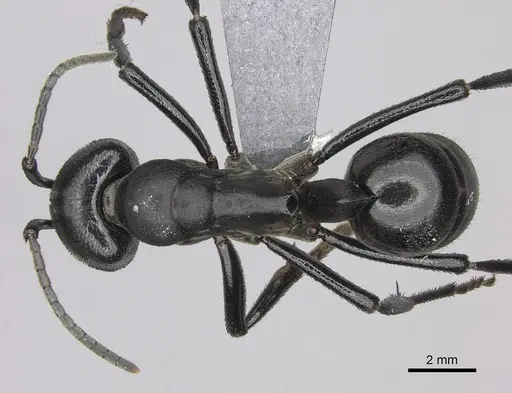
Literature
Loading...Loading products...