

Stigmatomma silvestrii
- Scientific Name
- Stigmatomma silvestrii
- Tribe
- Amblyoponini
- Subfamily
- Amblyoponinae
- Author
- Wheeler, 1928
- Distribution
- Found in 2 countries
Stigmatomma silvestrii Overview
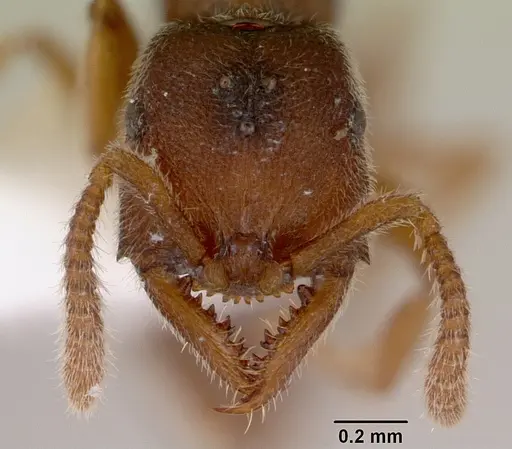
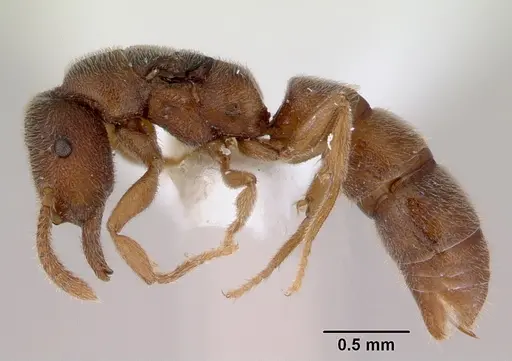
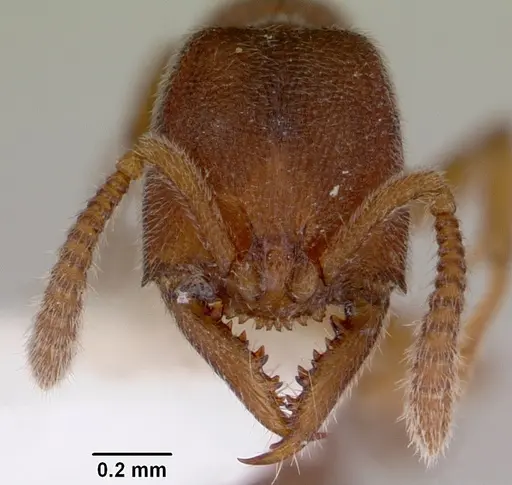
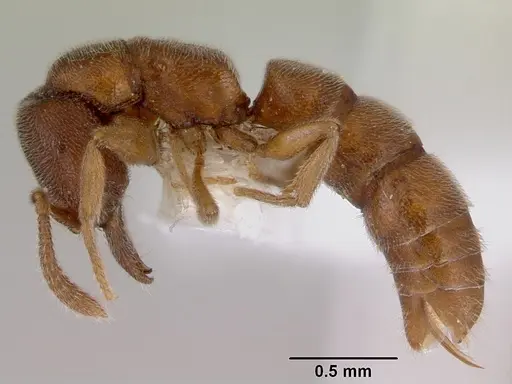
Stigmatomma silvestrii is an ant species of the genus Stigmatomma. It is primarily documented in 2 countries , including Japan, Korea, Republic of. Detailed taxonomic data and occurrence records can be further explored via authoritative databases such as AntWeb or the Global Biodiversity Information Facility (GBIF).
Stigmatomma silvestrii
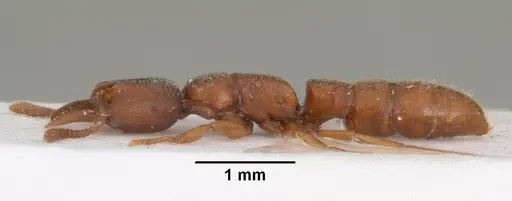
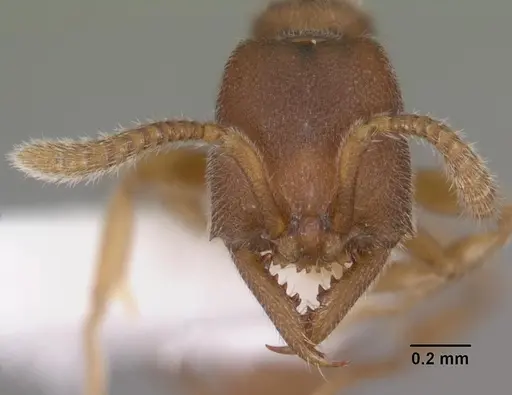
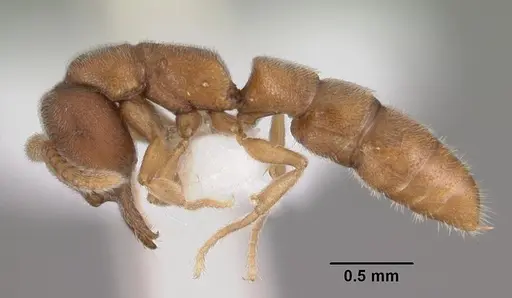
Stigmatomma silvestrii is a small, cryptic ant species native to East Asia, found across Japan, China, Korea, and Taiwan [1]. Workers measure 3.5-4.5mm and have a yellowish brown to reddish brown coloration [1]. This species belongs to the Amblyoponinae subfamily, known for their primitive characteristics and specialized predatory behavior. Unlike most ants, S. silvestrii has an extraordinary relationship with its brood, queens feed almost exclusively on the haemolymph (blood) of their own larvae through a process called larval haemolymph feeding (LHF), wounding larvae non-lethally to obtain nutrients [1].
What makes this species truly unique is their specialized centipede predation and the LHF behavior. Queens in mature colonies ignore prey entirely and sustain themselves solely by periodically piercing mature larvae to drink their haemolymph [1]. The larvae survive these wounds and develop scars that serve as evidence of this feeding. Foundresses (colony-founding queens) are different, they must forage outside the nest to hunt centipedes, making them semi-claustral rather than fully claustral [1]. This combination of specialized predation and unusual larval feeding makes S. silvestrii one of the most biologically fascinating ants you can keep.
Quick Summary
- Difficulty: Hard
- Origin & Habitat: Native to East Asia, Japan, China, Republic of Korea, and Taiwan. Found from near Sapporo in Hokkaido south to Iriomote Island in Japan [1]. In Taiwan, they inhabit leaf-litter, rotten wood, and soil of well-developed forests and forest edges [2]. This is a forest-dwelling species with a cryptic lifestyle, typically nesting in subterranean locations in evergreen broadleaf forests [1].
- Colony Type: Monogyne (single-queen) colonies. Colonies become mature when worker population exceeds approximately 10 workers [1]. Queens perform larval haemolymph feeding as their primary nutrition source in established colonies.
- Colony: Monogyne
- Founding: Semi-claustral
- Size & Growth:
- Queen: Approximately 5-6mm (queen described by Terayama 1989b) [1], estimated based on genus patterns
- Worker: 3.5-4.5mm [1]
- Colony: Small colonies, likely under 100 workers based on similar Amblyoponine species
- Growth: Slow, based on semi-claustrl founding and specialized feeding requirements
- Development: Unknown, estimated 8-12 weeks based on related Amblyoponine species (Development is likely slow due to the specialized biology and LHF dependency of queens. Foundresses must forage during founding, which may affect development timelines.)
- Antkeeping:
- Temperature: Keep at room temperature, roughly 18-24°C. Being from temperate East Asia, they can tolerate cooler conditions but prefer moderate warmth. Avoid temperatures above 28°C.
- Humidity: Requires high humidity, think damp forest floor conditions. Keep the nest substrate consistently moist but not waterlogged. These are subterranean ants that need stable moisture.
- Diapause: Likely requires a winter rest period (diapause) given their temperate to subtropical distribution in Japan and Korea. Reduce temperature to around 10-15°C for 2-3 months during winter.
- Nesting: Prefers naturalistic setups with moist substrate. A soil-based formicarium or test tube setup with access to damp soil works well. They are subterranean nesters found in leaf-litter and rotting wood in the wild [2]. Provide a dark, humid nesting area.
- Behavior: These are shy, secretive ants that avoid confrontation. Workers are small and relatively slow-moving. They are specialized predators that hunt centipedes solitarily [3]. Escape prevention is important given their small size (3.5-4.5mm workers), they can squeeze through small gaps. Queens are highly dependent on larvae for nutrition once colonies establish, which creates unique colony dynamics. Foundresses must hunt to survive, making early colony establishment more challenging than fully claustral species.
- Common Issues: semi-claustral founding means foundresses must have access to live prey, colonies can fail if queens cannot hunt, queen dependency on larval haemolymph in established colonies may cause stress if colony is small, specialized centipede diet makes feeding challenging, they may refuse other prey, small size requires good escape prevention despite their docile nature, high humidity requirements can lead to mold issues if ventilation is poor
Housing and Nest Setup
Stigmatomma silvestrii requires a humid, naturalistic setup that mimics their forest floor habitat. These subterranean ants prefer dark, damp conditions and will do best in a soil-based formicarium or a test tube setup connected to a foraging area with moist substrate. The nesting area should be kept dark and humid, you can achieve this by covering the nest with a dark cloth or using a nest box design with limited light exposure. For the outworld (foraging area), provide a shallow container with damp soil or coco fiber substrate that holds moisture well. Given their small size (3.5-4.5mm), ensure all connections and barriers are secure, these ants can escape through surprisingly small gaps. A layer of fluon on the rim of the foraging container helps prevent escapes. [1][2]
Feeding and Diet
This is the most challenging aspect of keeping S. silvestrii. In the wild, they are specialized centipede predators, primarily hunting geophilid centipedes (small soil-dwelling centipedes) [4][5]. In captivity, you will need to culture or source small centipedes regularly. Some keepers report success with small millipedes or other small arthropods as alternatives, but centipedes are their preferred and natural prey. Foundresses (founding queens) absolutely require access to live prey during the founding phase, they are semi-claustral and cannot survive on stored fat alone like claustral species. Once established, queens obtain most nutrients through larval haemolymph feeding (LHF), but workers still need access to prey for the colony to function [1]. Feed small live centipedes or other small arthropods 2-3 times per week.
Temperature and Seasonal Care
Keep your colony at room temperature, ideally between 18-24°C. Being from temperate East Asia (Japan, Korea, China), they can tolerate cooler temperatures but prefer stable moderate warmth. Avoid temperatures above 28°C as this can stress the colony. During winter, given their natural range extends to northern Japan (Hokkaido), they likely benefit from a diapause period. Reduce temperatures to around 10-15°C for 2-3 months during winter months (roughly November-February in the Northern Hemisphere). This mimics their natural seasonal cycle and may help trigger proper reproductive behavior. Monitor colony activity levels, if they become very sluggish during diapause, this is normal. [1]
Understanding Larval Haemolymph Feeding
One of the most fascinating aspects of S. silvestrii biology is larval haemolymph feeding (LHF). In established colonies, queens obtain nutrients almost exclusively by wounding mature (5th instar) larvae and drinking their haemolymph [1]. The queen uses her sharp mandibles to pierce the larval body between abdominal segments, then laps up the haemolymph that flows out. Remarkably, the larvae survive these wounds, they develop scars but continue developing and can pupate successfully [1]. Queens perform LHF at intervals of approximately 5-10 hours depending on temperature [1]. In your colony, you may observe queens actively manipulating larvae and may notice scarred larvae, this is normal and not a sign of problems. In fact, this behavior is essential for queen nutrition in mature colonies.
Colony Founding
Starting a colony of S. silvestrii is more challenging than many common ant species because they are semi-claustral. Unlike claustral queens that seal themselves in and survive on body fat, foundresses must leave the nest to hunt centipedes to feed themselves and their first brood [1]. This means you cannot simply keep a founding queen in a sealed test tube, she needs access to a hunting area with live prey. Provide a founding setup with a small, humid chamber connected to a tiny foraging area where you can offer small live centipedes or other appropriate prey. Foundresses spend more time hunting and less time on LHF compared to queens in established colonies [1]. The first workers (nanitics) will be small but should eventually help with hunting.
Behavior and Temperament
S. silvestrii is a docile, non-aggressive species that prefers to avoid confrontation. Workers are small and solitary foragers, they hunt centipedes alone rather than in groups [3]. They are not defensive and do not have a functional stinger (Amblyoponinae spray formic acid like other primitive ants). Given their cryptic lifestyle, you may not see much activity outside the nest, especially during daylight hours. They are primarily nocturnal or crepuscular in their foraging patterns. The colony dynamics are unique, established queens are largely dependent on larval haemolymph and ignore available prey in the brood chamber [1]. This unusual system means the colony must maintain a healthy larval population to support the queen.
Frequently Asked Questions
How do I feed Stigmatomma silvestrii?
These ants are specialized centipede predators. You will need to provide small live centipedes (geophilid centipedes are their natural prey) or culture other small soil arthropods. Foundresses absolutely require live prey since they are semi-claustral. Established colonies still need prey available for workers, though queens get most nutrition from larval haemolymph feeding.
Can I keep Stigmatomma silvestrii in a test tube?
For founding colonies, you need a semi-claustral setup, a simple test tube won't work because the queen must hunt. Use a test tube with a damp cotton chamber connected to a small container with moist substrate where you can offer live prey. For established colonies, a naturalistic setup with damp soil works best.
How long does it take for the first workers to emerge?
Exact development time is unknown, but based on related Amblyoponine species, expect 8-12 weeks from egg to first worker at room temperature. Development is likely slower than many common ants due to the semi-claustral founding requirement and the queen's unique feeding biology.
Do Stigmatomma silvestrii ants sting?
No. As an Amblyoponine ant, they do not have a functional stinger. Like other primitive ants in this subfamily, they may spray formic acid as a defensive mechanism, but they are not considered dangerous to humans.
Are Stigmatomma silvestrii good for beginners?
No. This is an expert-level species due to several challenging requirements: semi-claustral founding (queen must hunt), specialized centipede diet, high humidity needs, and the unique larval haemolymph feeding biology. Beginners should start with easier species like Lasius, Tetramorium, or Camponotus.
Do Stigmatomma silvestrii need hibernation?
Likely yes. Given their distribution in temperate Japan and Korea, they probably benefit from a winter rest period. Reduce temperatures to around 10-15°C for 2-3 months during winter. This may help trigger proper reproductive cycles.
Why does the queen eat her own larvae?
The queen practices larval haemolymph feeding (LHF), she pierces mature larvae to drink their haemolymph (blood) but does not kill them. The larvae survive and develop scars from these wounds. This is the queen's primary nutrition source in established colonies, not cannibalism. The larvae recover and can still pupate successfully.
How big do Stigmatomma silvestrii colonies get?
Based on available information, colonies remain relatively small, likely under 100 workers. This is typical for Amblyoponine ants. Colonies become mature (producing sexuals) when they reach about 10 workers [1].
Can I keep multiple queens together?
No. This is a monogyne (single-queen) species. Multiple queens would likely fight. Only one queen per colony should be kept.
Why is my queen not laying eggs?
Several factors could be involved. Ensure she has access to live prey (she is semi-claustral and cannot survive without hunting). Check humidity levels, they need consistently damp conditions. If recently caught, she may need time to settle. Also verify she was inseminated, dealate queens that were not mated will not lay fertilized eggs.
References

This caresheet is licensed under CC BY-SA 4.0 .
ANTWEB1048548
View on AntWeb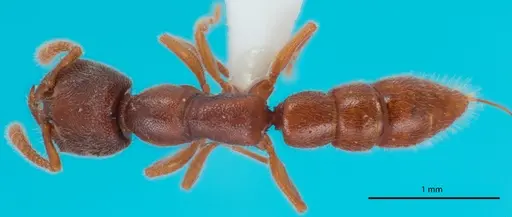
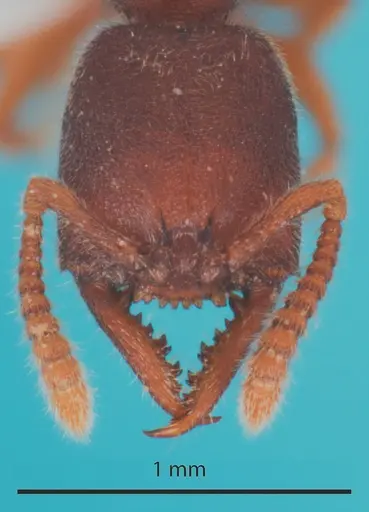
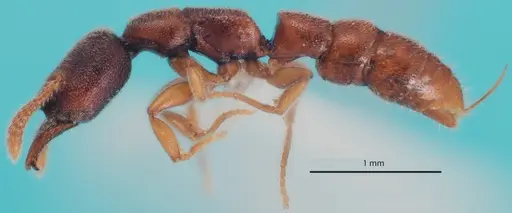
CASENT0000049
View on AntWeb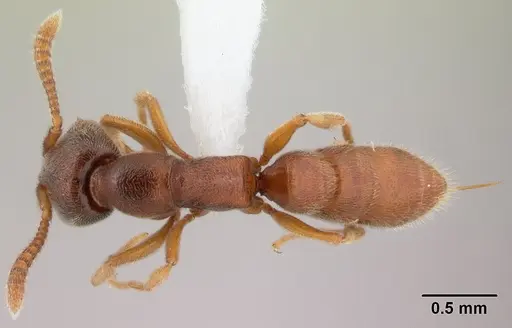
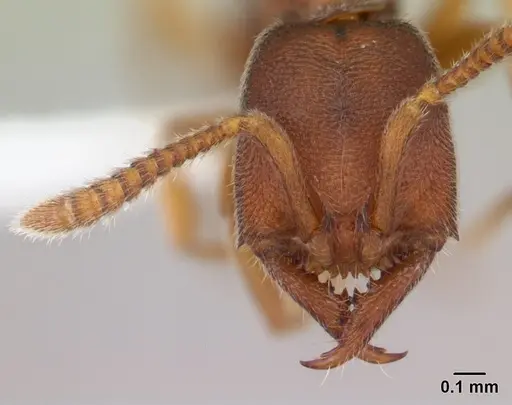
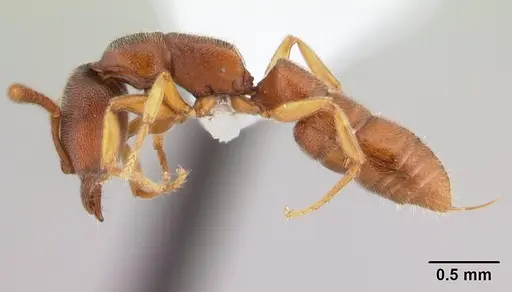
CASENT0102204
View on AntWeb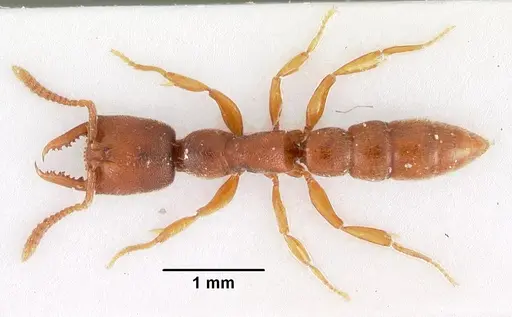
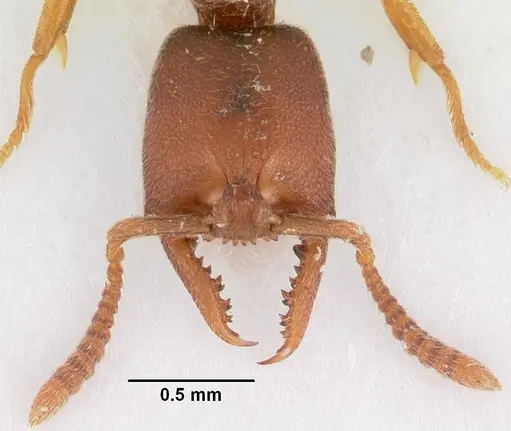
CASENT0102479
View on AntWeb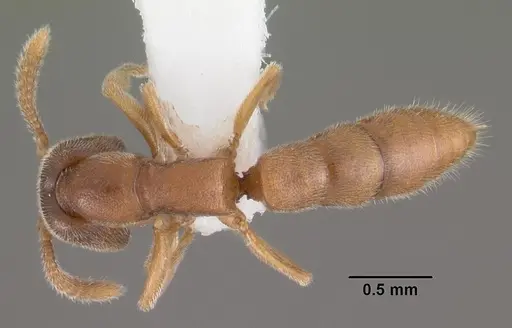
CASENT0172225
View on AntWeb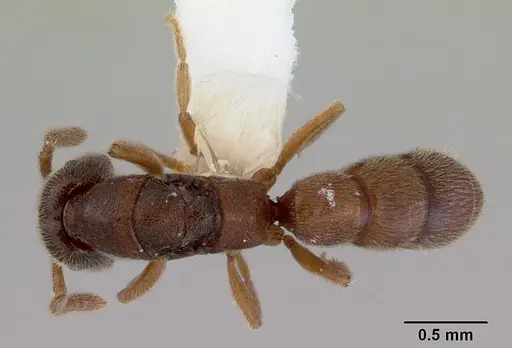
CASENT0172226
View on AntWeb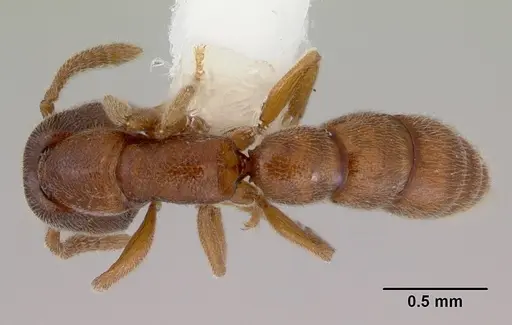
Literature
Loading...Loading products...