

Stigmatomma santschii
- Scientific Name
- Stigmatomma santschii
- Tribe
- Amblyoponini
- Subfamily
- Amblyoponinae
- Author
- Menozzi, 1922
- Distribution
- Found in 2 countries
Stigmatomma santschii Overview
Stigmatomma santschii is an ant species of the genus Stigmatomma. It is primarily documented in 2 countries , including Côte d'Ivoire, Ghana. Detailed taxonomic data and occurrence records can be further explored via authoritative databases such as AntWeb or the Global Biodiversity Information Facility (GBIF).
Stigmatomma santschii
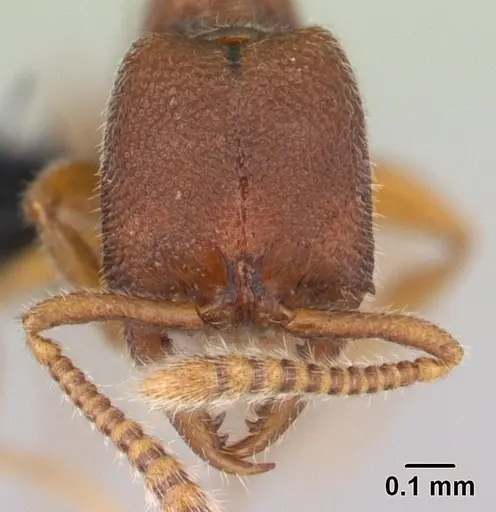
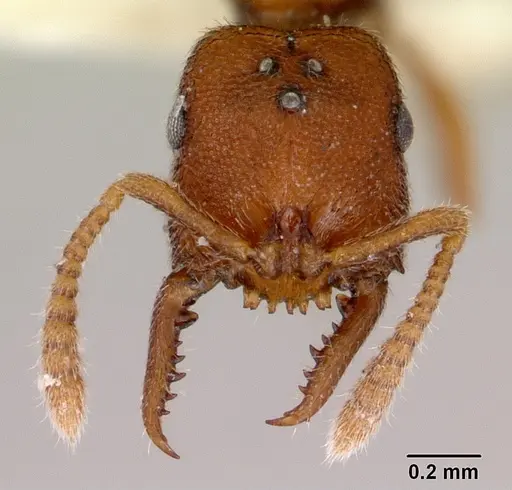
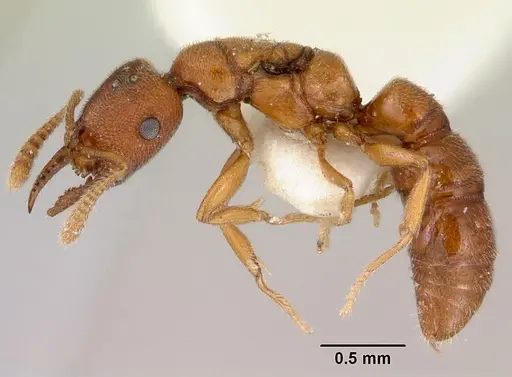
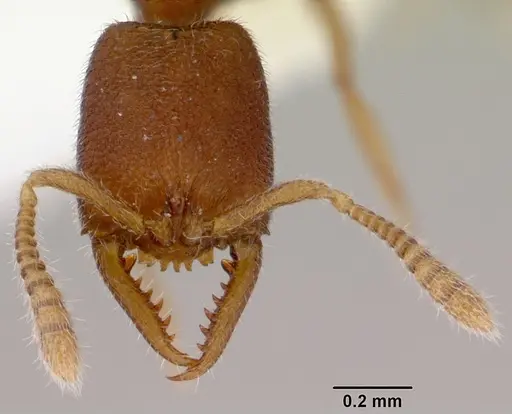
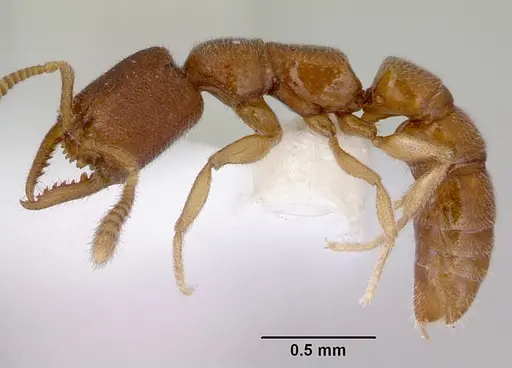
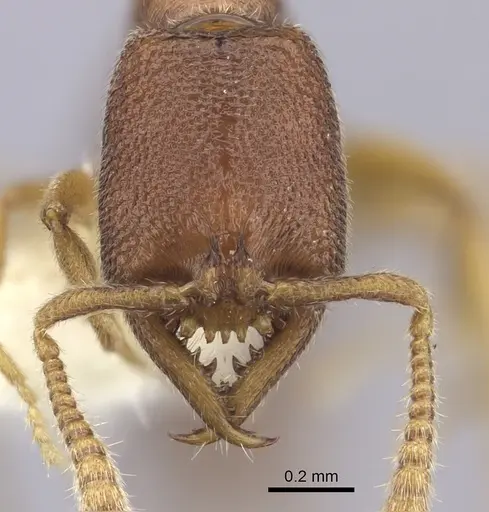
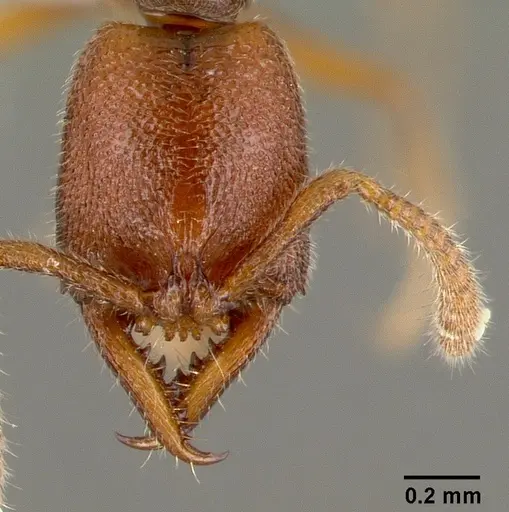
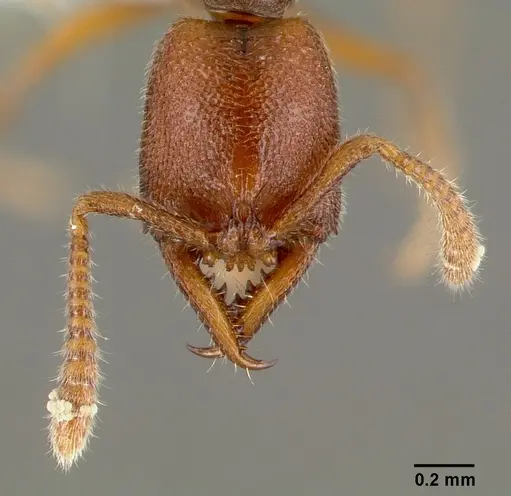
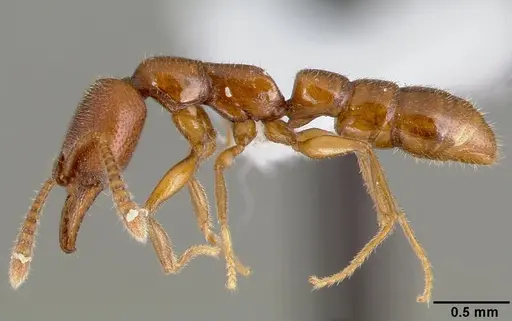
Stigmatomma santschii is a small predatory ant species native to West Africa, found across Senegal, Ghana, Nigeria, Cameroon, and Ivory Coast [1]. Workers are modest in size at approximately 4-5mm, with the characteristic appearance of Amblyoponinae ants, a somewhat flattened body, large mandibles adapted for capturing small prey, and a functional stinger. These ants inhabit leaf litter and soil in tropical forest and savannah environments, where they hunt for small invertebrates like springtails and other micro-arthropods. The genus Stigmatomma is part of the Amblyoponinae subfamily, known for their primitive ant features and predatory lifestyle.
Quick Summary
- Difficulty: Expert
- Origin & Habitat: West Africa, found in Senegal, Ghana, Nigeria, Cameroon, and Ivory Coast. Inhabits leaf litter and soil in tropical forest and savannah mosaic environments [1][2].
- Colony Type: Colony structure is unconfirmed. Amblyoponinae species typically have small colonies with single or multiple queens, but specific data for S. santschii is lacking.
- Size & Growth:
- Queen: Approximately 5-6mm (estimated based on genus-level data for Stigmatomma)
- Worker: Approximately 4-5mm (estimated based on genus-level data)
- Colony: Likely small, under 200 workers based on typical Amblyoponinae colony sizes (inferred)
- Growth: Moderate to slow, inferred from typical Amblyoponinae development patterns
- Development: 6-10 weeks (estimated based on related Amblyoponinae species) (Development time is estimated, no direct species-specific data available. Tropical distribution suggests faster development than temperate species.)
- Antkeeping:
- Temperature: Keep warm at 24-28°C based on their tropical West African distribution. A gentle temperature gradient allows ants to self-regulate.
- Humidity: High humidity required, maintain moist substrate similar to forest floor conditions. Keep the nest area consistently damp but not waterlogged.
- Diapause: Unlikely, as a tropical species, they probably do not require a true diapause. However, they may show reduced activity during cooler/drier seasons in their native range.
- Nesting: Prefer humid, dark spaces. A naturalistic setup with soil or a plaster/acrylic nest with moisture chambers works well. They are subterranean hunters, so deeper nest chambers suit their behavior.
- Behavior: Predatory ants that hunt small invertebrates. They are not aggressive toward humans but possess a functional stinger that can deliver a mild sting if handled roughly. Workers are active foragers in the substrate. Escape prevention should be moderate, they are small but not particularly known for escaping. They are primarily nocturnal or crepuscular hunters.
- Common Issues: lack of available care information makes proper husbandry challenging, predatory diet requires live prey, they may not accept dead food easily, high humidity needs can lead to mold problems if ventilation is poor, small colony sizes mean losses have bigger impact on population, tropical species may be sensitive to temperature drops or dry conditions
Housing and Nest Setup
Stigmatomma santschii requires a humid, dark environment that mimics their natural leaf litter and soil habitat. A naturalistic setup with a soil chamber or a moisture-retaining plaster/acrylic nest works well. The nest should have chambers deep enough to allow for their subterranean foraging behavior. Because they are small and require high humidity, test tube setups can work but need careful water reservoir management to avoid flooding. A small outworld connected to the nest allows for hunting and foraging. Ensure the setup has adequate ventilation to prevent mold while maintaining humidity.
Feeding and Diet
As predatory ants, S. santschii requires live small invertebrates as their primary food source. Offer small prey such as springtails, fruit flies, small mealworms, and other micro-arthropods. They are unlikely to accept dead prey readily, the movement triggers their hunting response. Sugar sources may be accepted occasionally but should not be a primary food. Feed protein prey 2-3 times per week, adjusting based on colony size and consumption. Remove uneaten prey to prevent mold. A well-fed colony will have workers that actively hunt and patrol the outworld.
Temperature and Seasonal Care
Maintain temperatures between 24-28°C, reflecting their tropical West African distribution. Room temperature within this range is suitable, if needed, a heating cable on one side of the nest can provide a gentle gradient. Avoid temperatures below 22°C as this species is adapted to consistently warm conditions. Unlike temperate ants, they do not require a true diapause period. However, they may naturally reduce activity during the dry season in their native range, watch for signs of decreased foraging and reduce feeding accordingly. Sudden temperature changes should be avoided.
Behavior and Handling
Stigmatomma santschii workers are small predatory ants that hunt substrate-dwelling invertebrates. They possess a functional stinger, though they are not aggressive toward humans and will only sting if directly threatened or handled roughly. The sting is mild and comparable to a mosquito bite. Workers are primarily active during evening and night hours when they forage through the substrate. They are not colony aggressive and can be kept in standard ant keeping setups. Escape risk is moderate, they are small but not particularly agile climbers. Standard escape prevention measures (fluon on rim edges) are sufficient.
Colony Development
This species likely has small colony sizes, probably not exceeding 200 workers when mature. Development from egg to worker likely takes 6-10 weeks based on related Amblyoponinae species, though no specific data exists for S. santschii. Queens probably lay relatively few eggs at a time, focusing on quality over quantity. Growth is likely moderate to slow compared to faster-growing genera like Tapinoma or Monomorium. Patience is required, small colonies take time to establish and grow. Founding colonies should be left undisturbed during the initial months.
Frequently Asked Questions
Is Stigmatomma santschii good for beginners?
No, this species is not recommended for beginners. There is very limited specific care information available, and they have specialized predatory dietary needs that require live prey. They also require high humidity and warm temperatures typical of tropical species. This species is best suited for experienced antkeepers who can provide the specific conditions they need.
What do Stigmatomma santschii ants eat?
They are predatory ants that require live small invertebrates. Offer springtails, fruit flies, small mealworms, and other micro-arthropods. They are unlikely to accept dead prey or sugar water as primary food. Protein prey should be offered 2-3 times per week.
Do Stigmatomma santschii ants sting?
Yes, they have a functional stinger as part of the Amblyoponinae subfamily. However, they are not aggressive and will only sting if threatened or handled roughly. The sting is mild, comparable to a mosquito bite for most people.
How long does it take for Stigmatomma santschii to produce first workers?
Based on related Amblyoponinae species, expect approximately 6-10 weeks from egg to first worker at optimal temperatures (24-28°C). No specific development data exists for this species, so this is an estimate.
What temperature do Stigmatomma santschii ants need?
Keep them warm at 24-28°C. This reflects their tropical West African distribution. A gentle temperature gradient is beneficial, with the warmer end around 28°C and cooler areas around 24°C.
Do Stigmatomma santschii need hibernation?
No, as a tropical species they do not require a true diapause or hibernation. They may show reduced activity during dry seasons in their native range, but no cold period is needed in captivity.
How big do Stigmatomma santschii colonies get?
Based on typical Amblyoponinae colony sizes, they likely reach up to 100-200 workers at maturity. They are not large colony formers like some other ant genera.
Can I keep Stigmatomma santschii in a test tube?
Yes, test tubes can work for founding colonies, but careful water reservoir management is needed to avoid flooding. They require high humidity, so consider using a cotton ball that stays consistently moist rather than a large water reservoir. A naturalistic or plaster nest may be better for established colonies.
Where is Stigmatomma santschii found?
This species is native to West Africa, specifically found in Senegal, Ghana, Nigeria, Cameroon, and Ivory Coast. They inhabit leaf litter and soil in tropical forest and savannah environments.
Why is my Stigmatomma santschii colony dying?
Common causes include: too low temperature (below 22°C), dry substrate conditions, lack of live prey, or mold from poor ventilation. Check that humidity is consistently high, temperatures are in the 24-28°C range, and that live prey is being offered regularly. Also ensure ventilation is adequate to prevent mold while maintaining humidity.
References

This caresheet is licensed under CC BY-SA 4.0 .
CASENT0006948
View on AntWeb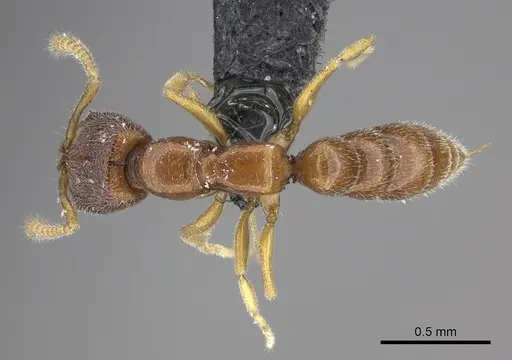
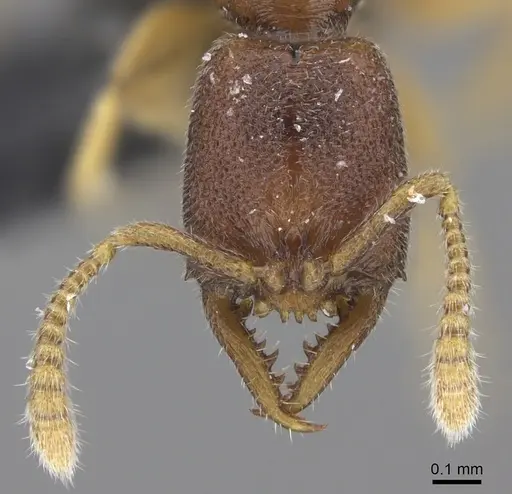
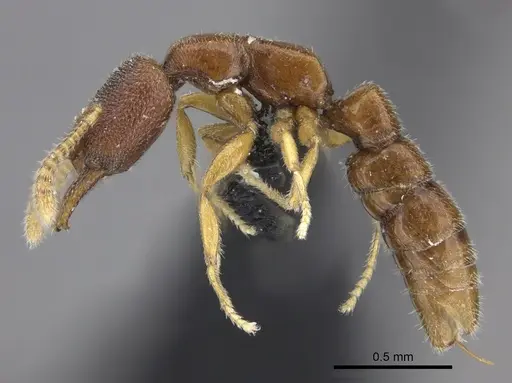
CASENT0095448
View on AntWeb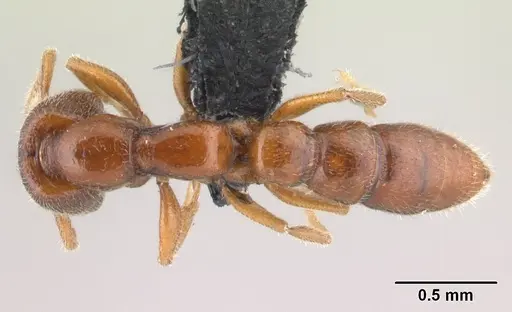
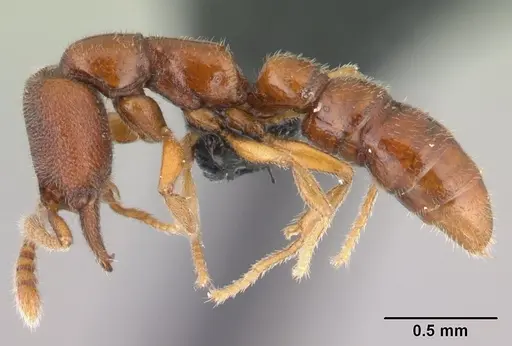
CASENT0102206
View on AntWeb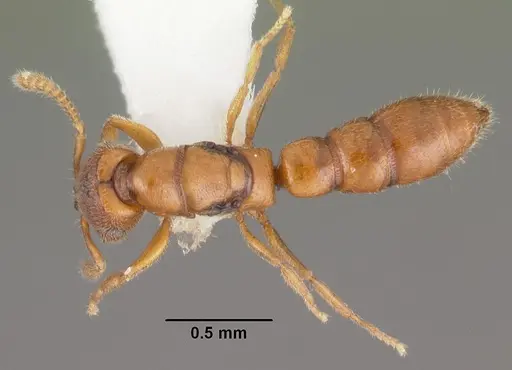
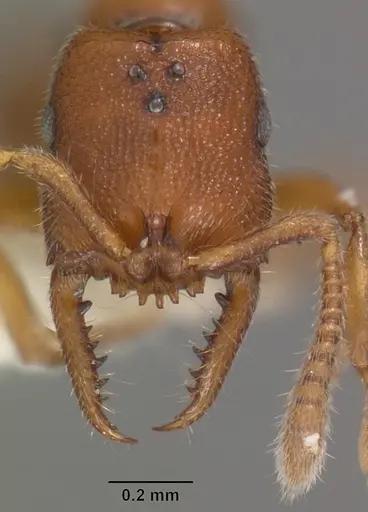
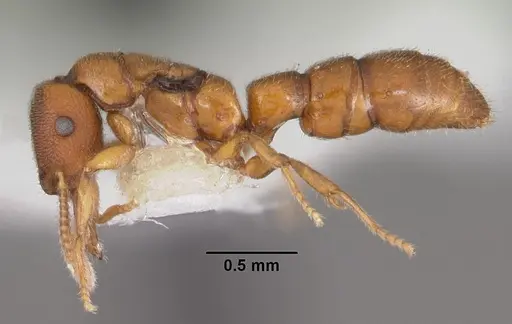
CASENT0172229
View on AntWeb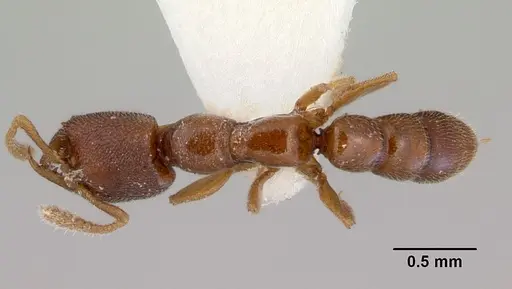
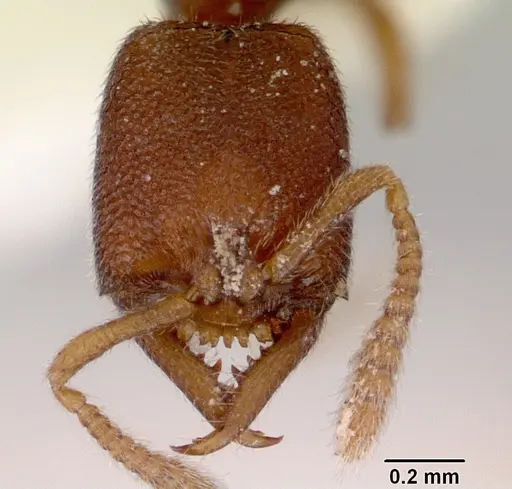
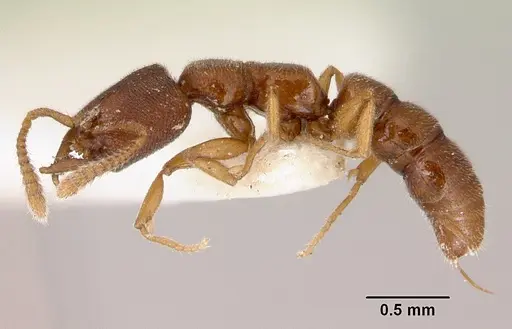
CASENT0172230
View on AntWeb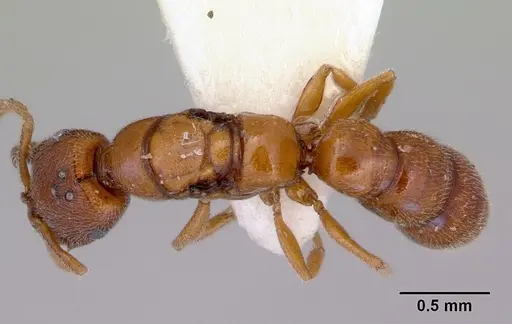
CASENT0172231
View on AntWeb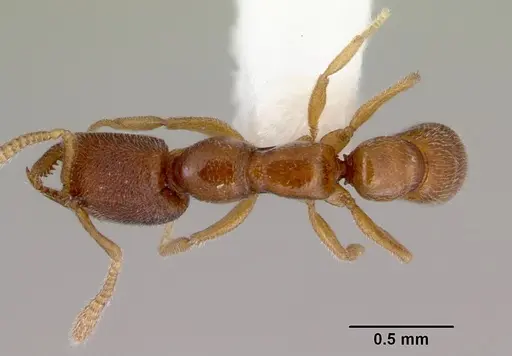
CASENT0260453
View on AntWeb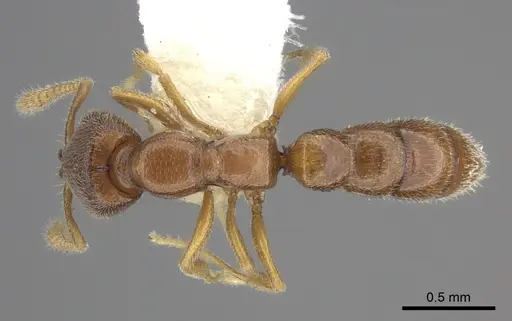
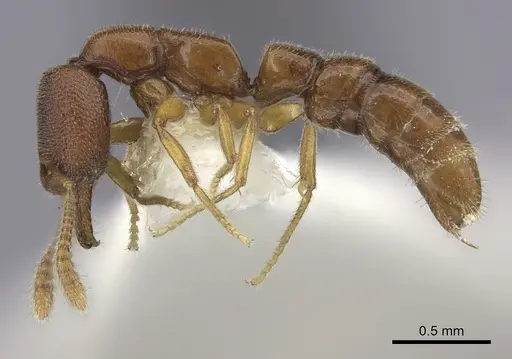
CASENT0280651
View on AntWeb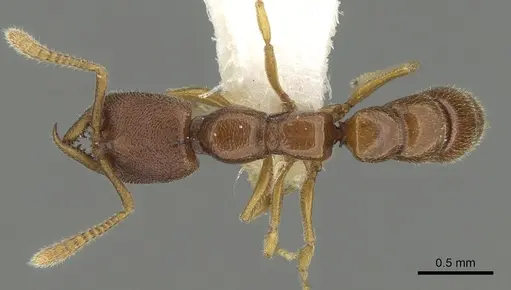
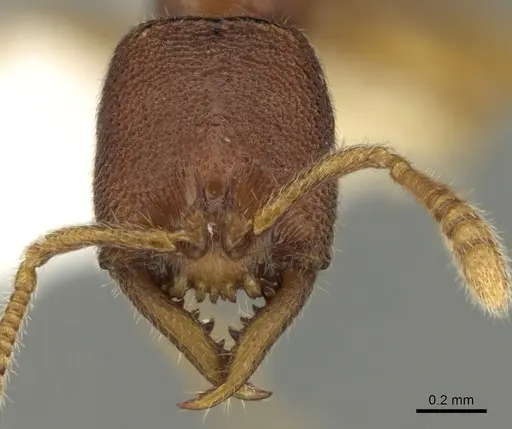
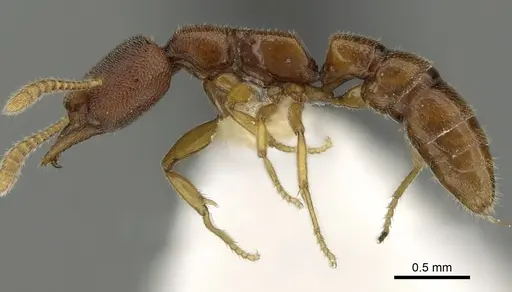
CASENT0408408
View on AntWeb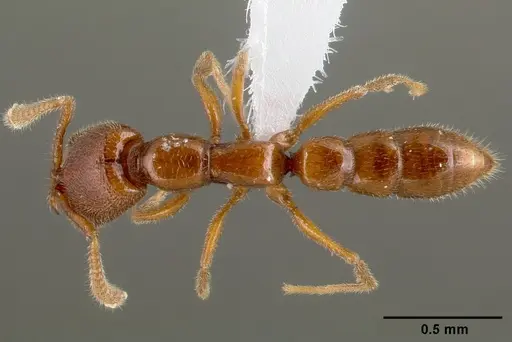
Literature
Loading...Loading products...