

Stigmatomma octodentatum
- Scientific Name
- Stigmatomma octodentatum
- Tribe
- Amblyoponini
- Subfamily
- Amblyoponinae
- Author
- Xu, 2006
- Distribution
- Found in 1 countries
Stigmatomma octodentatum Overview
Stigmatomma octodentatum is an ant species of the genus Stigmatomma. It is primarily documented in 1 countries , including China. Detailed taxonomic data and occurrence records can be further explored via authoritative databases such as AntWeb or the Global Biodiversity Information Facility (GBIF).
Stigmatomma octodentatum
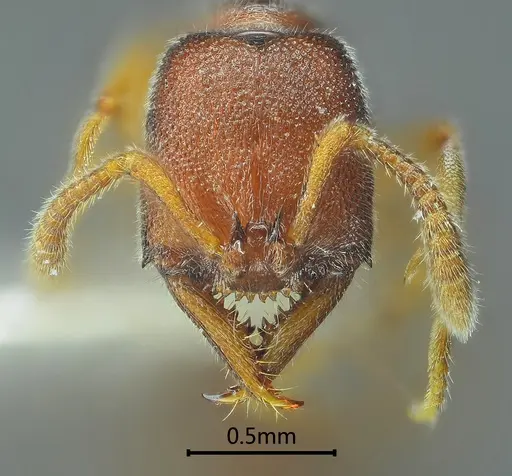
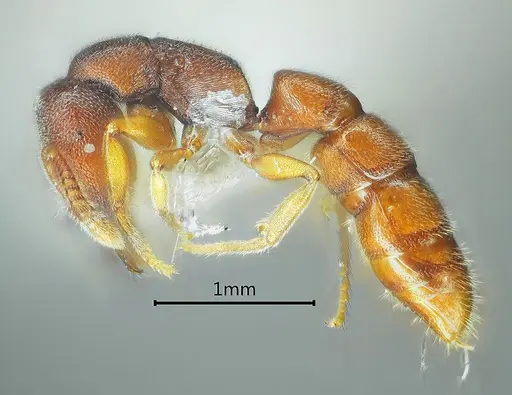
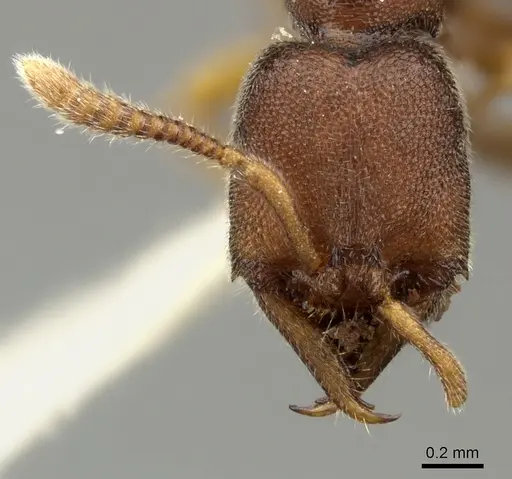
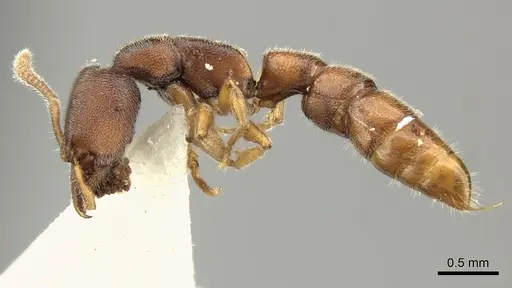
Stigmatomma octodentatum is a small predatory ant species native to the mountainous forests of Yunnan Province, China. Workers measure 4.3-5.8mm and have a distinctive appearance with 8 teeth on the clypeus (the part of the face between the jaws), which gives the species its name. Their body is brown with brownish-yellow legs, and they have unusually small eyes with only 5-6 facets. Queens are slightly larger at 5.2mm and have three ocelli on top of the head [1][2]. This species belongs to the Amblyoponinae subfamily, which contains some of the most unusual ants in the world, they're sometimes called 'Dracula ants' due to their unique feeding behavior where they puncture prey and drink the fluid inside rather than carrying pieces back to the nest [3].
These ants are specialized predators that hunt centipedes and other small arthropods in the forest floor. They nest in soil and rotting wood in cool, damp mountain forests at elevations around 2150 meters. Like other Amblyoponinae, they have an unusual social structure where reproduction is often handled by gamergates (reproductive workers) rather than a dominant queen [3].
Quick Summary
- Difficulty: Medium
- Origin & Habitat: Yunnan Province, China, found in Pinus armandii forests, Cunninghamia lanceolata forests, and deciduous broad-leaf forests at 2150m elevation [1][2]
- Colony Type: Likely gamergate-based, Amblyoponinae species typically have reproductive workers (gamergates) rather than a dominant queen. Colonies are relatively small.
- Special: Gamergates
- Size & Growth:
- Queen: 5.2mm [1]
- Worker: 4.3-5.8mm [1][2]
- Colony: Likely small, typical Amblyoponinae colonies reach dozens to low hundreds of workers
- Growth: Moderate, inferred from similar species
- Development: Estimated 6-10 weeks based on related Amblyoponinae species (Development time is inferred from genus-level data since species-specific studies are not available)
- Antkeeping:
- Temperature: Keep cool, aim for 18-22°C. These are mountain forest ants from 2150m elevation, so they prefer temperatures lower than typical room temperature [1].
- Humidity: High humidity, they come from damp forest environments. Keep the nest substrate consistently moist but not waterlogged.
- Diapause: Likely yes, given their high-elevation origin in Yunnan, they probably need a winter rest period around 10-15°C for 2-3 months. This is inferred from similar Chinese mountain ant species.
- Nesting: Naturalistic setup works best, soil nests or rotting wood cores in a humid, well-ventilated formicarium. They prefer tight, dark chambers similar to their natural soil nesting sites.
- Behavior: These are secretive, slow-moving predators that hunt at night. Workers are not aggressive and will flee rather than fight when disturbed. They have a unique feeding method where they capture prey (usually centipedes or other small arthropods), paralyze it, and then drain its body fluids rather than chewing and carrying fragments. This is characteristic of Amblyoponinae. They are not escape artists, their small size and slow movement make them easy to contain with standard barriers.
- Common Issues: cold intolerance, room temperature may be too warm for this mountain species, colonies are slow-growing and may appear stagnant for months, prey acceptance can be difficult, they prefer live centipedes and may ignore other food, small colony size makes them vulnerable to stress, humidity must be consistent, too dry causes brood death
Housing and Nest Setup
Stigmatomma octodentatum does best in a naturalistic setup that mimics their forest floor habitat. A formicarium with soil or a soil-like substrate works well, with pieces of rotting wood or cork to provide dark chambers. They prefer tight spaces, avoid large open areas. A humidity reservoir or water tube is essential since they need consistently moist substrate. Keep the setup in a cool area of your home, as they come from 2150m elevation in Yunnan where temperatures are much cooler than typical room temperature. A small piece of rotting wood or cork inside the formicarium gives them natural nesting material to burrow into [1].
Feeding and Diet
This species is a specialized predator that feeds primarily on centipedes and other small arthropods. In captivity, you can offer small live prey like booklice, springtails, and tiny crickets. Some keepers report success with pre-killed prey, but live prey is more reliable. Unlike most ants, Amblyoponinae don't forage normally, they capture prey, paralyze it with their sting, and then drain the body fluids. This means offering small, manageable prey items rather than large insects they can't handle. Sugar sources are generally not accepted, these are strict predators. Feed every 3-5 days, removing uneaten prey to prevent mold [3].
Temperature and Seasonal Care
Temperature management is critical for this species. They come from high-elevation mountain forests in Yunnan Province, China, where temperatures are cool year-round. Keep the nest at 18-22°C, this is cooler than most ant species prefer. If your room is warmer, consider using a small cooling method or placing the formicarium in a cooler location. During winter, they likely need a diapause period at 10-15°C for 2-3 months, mimicking the cold Yunnan winters at 2150m elevation. Do not feed during diapause and reduce humidity slightly. Resume normal care in spring when temperatures rise [1].
Colony Structure and Reproduction
Stigmatomma octodentatum has an unusual social structure typical of Amblyoponinae. Rather than having a single dominant queen that lays all the eggs, reproduction is handled by gamergates, workers that become reproductive and can lay eggs. This means your colony may not have a distinct 'queen' that looks different from workers. Colonies are relatively small, typically reaching only dozens to low hundreds of workers. The gyne (reproductive female) measured 5.2mm, only slightly larger than workers at 4.3-5.8mm [1]. If your colony has gamergates, it can sustain itself for years without needing a new queen.
Behavior and Handling
These ants are secretive and not aggressive. Workers move slowly and prefer to flee rather than fight when threatened. They have a sting but rarely use it defensively. Because they're small and slow-moving, escape prevention is straightforward, standard fluon barriers on smooth surfaces work well. They're nocturnal hunters, so you'll see most activity in the evening and night hours. They're not suitable for keepers who want active, visible ants, these are 'watch and appreciate' species that thrive when given quiet, dark conditions with minimal disturbance. [3]
Frequently Asked Questions
Can I keep Stigmatomma octodentatum in a test tube?
A test tube setup can work for founding colonies, but a naturalistic formicarium is better long-term. They need high humidity and a dark nesting site, which a test tube provides, but they'll need space to hunt. If using a test tube, keep it in a humid container and offer small prey items near the cotton.
How long until first workers appear?
Based on related Amblyoponinae species, expect 6-10 weeks from egg to first worker at optimal temperature (around 20°C). Development is slower than many common ant species because they prefer cooler conditions.
Do Stigmatomma octodentatum ants sting?
Yes, they have a sting but rarely use it defensically. They're not aggressive and will flee rather than fight. The sting is primarily used to paralyze prey.
Are Stigmatomma octodentatum good for beginners?
No, this species is considered intermediate to advanced. Their cool temperature requirements, specialized predatory diet, slow growth, and unusual gamergate colony structure make them challenging for beginners. They're best for keepers with some experience.
What do Stigmatomma octodentatum eat?
They are strict predators that feed on centipedes and small arthropods. Offer live prey like springtails, booklice, or tiny crickets. They don't accept sugar or honey, their unique 'Dracula ant' feeding method involves draining body fluids from prey rather than carrying food back to the nest.
Do Stigmatomma octodentatum need hibernation?
Likely yes, given their origin at 2150m elevation in Yunnan, they probably need a winter rest period. Keep them at 10-15°C for 2-3 months during winter, reducing food and slightly lowering humidity.
Can I keep multiple queens together?
Stigmatomma octodentatum has a gamergate system where reproductive workers handle egg-laying. The colony structure is different from typical ants, combining unrelated queens hasn't been studied. It's not recommended to combine foundresses as their social structure is complex.
How big do colonies get?
Based on typical Amblyoponinae patterns, colonies likely reach only dozens to low hundreds of workers, probably under 200. They're not large colony formers.
What is the best nest type for Stigmatomma octodentatum?
A naturalistic setup with soil or sandy soil works best. They nest in soil and rotting wood in the wild. Use a formicarium with a humidity reservoir, add cork or rotting wood for nesting material, and keep it dark and cool.
References

This caresheet is licensed under CC BY-SA 4.0 .
ANTWEB1060491
View on AntWeb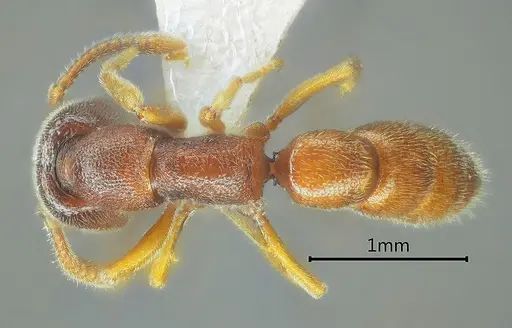
CASENT0235342
View on AntWeb
Literature
Loading...Loading products...