

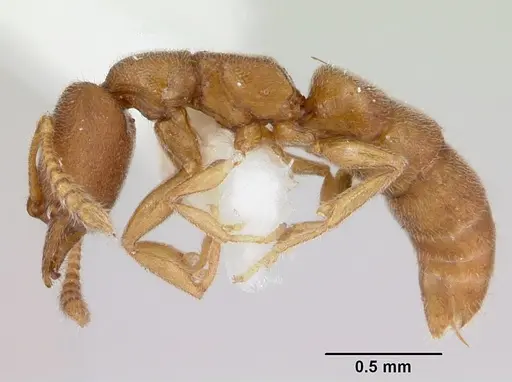
Stigmatomma minutum
- Scientific Name
- Stigmatomma minutum
- Tribe
- Amblyoponini
- Subfamily
- Amblyoponinae
- Author
- Forel, 1913
- Distribution
- Found in 1 countries
Stigmatomma minutum Overview
Stigmatomma minutum is an ant species of the genus Stigmatomma. It is primarily documented in 1 countries , including India. Detailed taxonomic data and occurrence records can be further explored via authoritative databases such as AntWeb or the Global Biodiversity Information Facility (GBIF).
Stigmatomma minutum
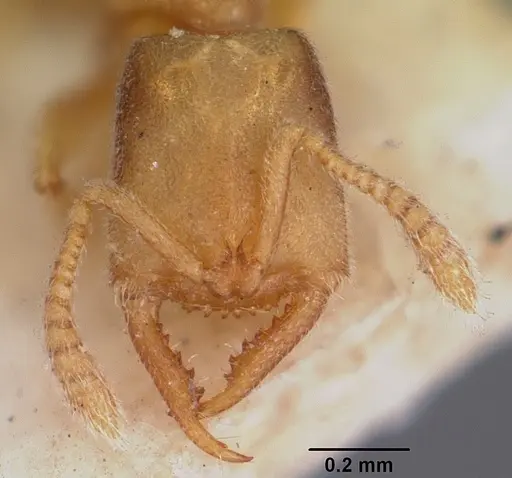
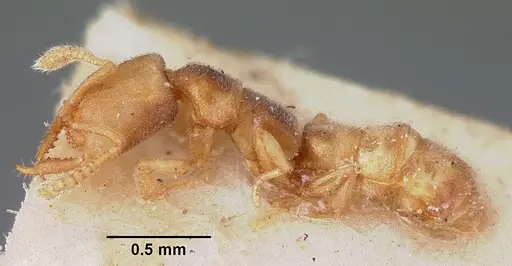
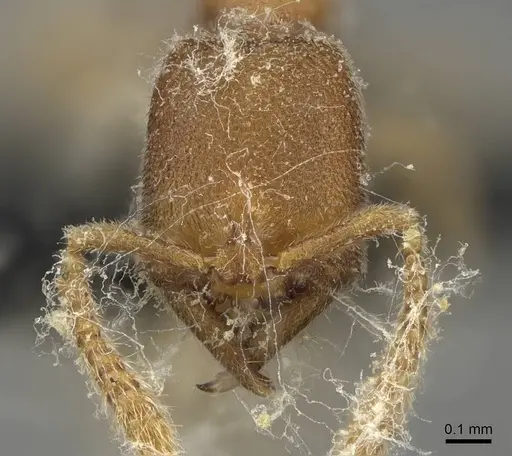
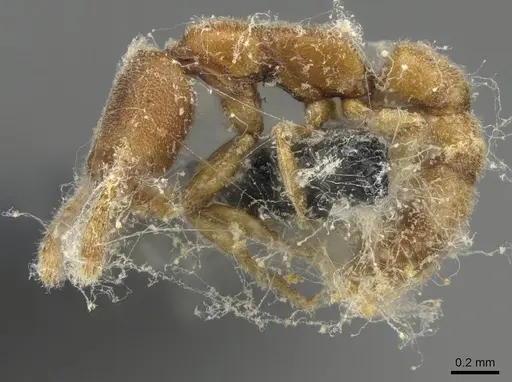
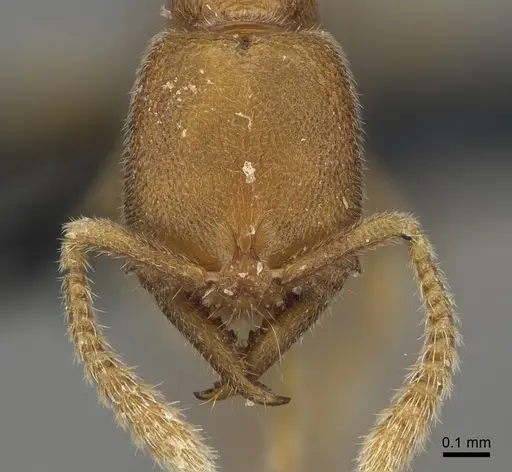
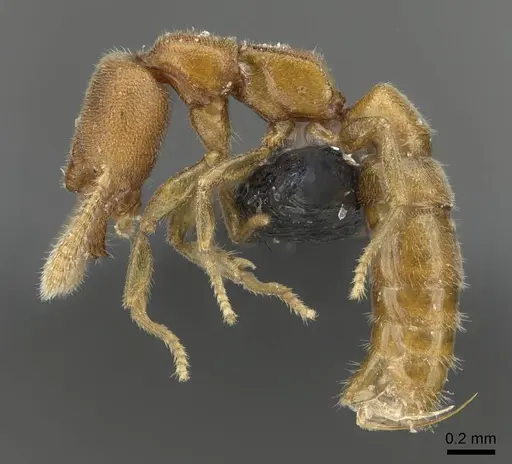
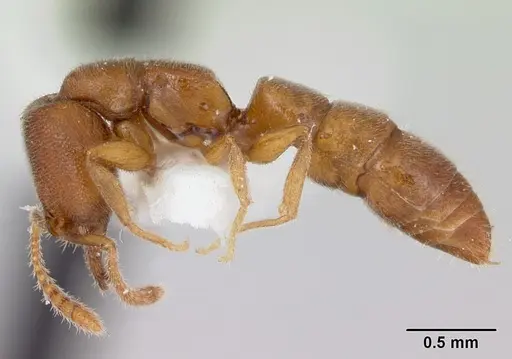
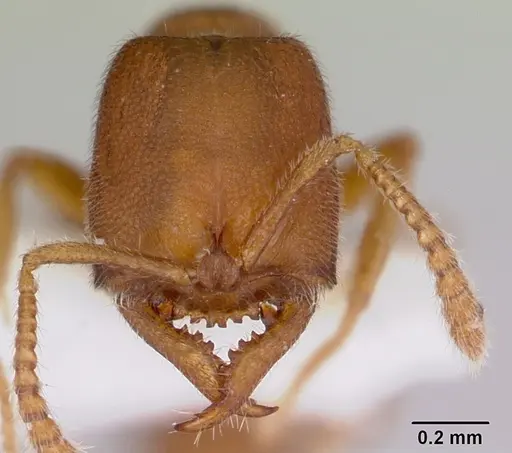
Stigmatomma minutum is a small predatory ant species belonging to the subfamily Amblyoponinae, commonly known as spider ants due to their distinctive appearance. Workers are modest in size with characteristic serrated mandibles that bear triangular teeth arranged in two rows along the inner margin, a key identification feature for distinguishing them from related species [1]. These ants are found exclusively in the Western Ghats region of India (Kerala and Tamil Nadu) and on the island of Sumatra in Indonesia [2][3].
As a member of Amblyoponinae, these ants possess functional stingers and are active predators, using their specialized mandibles to capture and subdue small prey. This species represents a tropical to subtropical ant that thrives in humid forest environments. Their colonies remain relatively small compared to many common ant species, making them an interesting but challenging species for dedicated antkeepers who can provide the specific conditions they require.
Quick Summary
- Difficulty: Medium
- Origin & Habitat: Western Ghats of India (Kerala, Tamil Nadu) and Sumatra, Indonesia, found in humid tropical and subtropical forest environments [2][3]
- Colony Type: Likely monogyne (single queen) based on typical Amblyoponinae patterns, though colony structure has not been specifically documented for this species
- Size & Growth:
- Queen: Estimated 5-7mm based on genus-level data from related Amblyoponinae species
- Worker: Estimated 3-5mm based on genus patterns for small Stigmatomma species
- Colony: Likely small colonies of under 200 workers based on typical Amblyoponinae colony sizes
- Growth: Moderate, estimated based on related species patterns
- Development: Estimated 6-10 weeks at optimal temperature based on typical Amblyoponinae development (Development time is estimated from related Amblyoponinae species, specific data for S. minutum is not available)
- Antkeeping:
- Temperature: Keep at 22-26°C, they are a tropical species that benefits from warm, stable conditions. A gentle heating gradient allows thermoregulation.
- Humidity: High humidity is essential, aim for 70-85% relative humidity. These forest-dwelling ants need consistently moist substrate conditions.
- Diapause: Likely minimal or no true diapause given their tropical distribution, they may show reduced activity during cooler periods but probably do not require hibernation
- Nesting: In captivity, they do well in naturalistic setups with moist substrate or acrylic/plaster nests that retain humidity. They prefer dark, humid nesting chambers similar to their natural forest floor habitat.
- Behavior: These ants are active predators with a moderate temperament. They will readily hunt small live prey including springtails, fruit flies, and other tiny invertebrates. Workers are not particularly aggressive toward keepers but will use their stingers if threatened. Their small size means escape prevention is important, they can slip through standard test tube setups if gaps exist. They are relatively slow-moving compared to many ants but efficient hunters once they locate prey.
- Common Issues: high humidity maintenance is critical, dry conditions quickly lead to colony decline, small colony size means losses have significant impact on population, predatory diet requires constant access to live small prey, they cannot survive on sugar alone, escape prevention must be excellent due to their tiny worker size, slow growth rate can test keeper patience, colonies take time to establish
Housing and Nest Setup
Stigmatomma minutum requires humid, dark nesting conditions that replicate their natural forest floor habitat. Acrylic nests with moisture reservoirs work well, as do naturalistic setups with moist soil or plaster nests designed to retain humidity. The nesting area should be kept dark, these ants prefer concealed chambers and will not thrive in brightly lit nest areas. For the outworld, a simple setup with a foraging area is sufficient, though ensure all connections are smooth and gap-free since their small size allows them to escape through surprisingly tiny openings. Test tube setups can work for founding colonies but monitor for escape routes, these tiny ants need fine mesh barriers on any ventilation. [1][3]
Feeding and Diet
As predatory ants, Stigmatomma minutum requires a protein-based diet of small live prey. Their primary food should be tiny invertebrates such as springtails, fruit flies, small mealworms, and other micro-arthropods. The serrated mandibles with their distinctive triangular teeth are adapted for capturing and processing small prey items. Unlike many ants that readily accept sugar water, Amblyoponinae species are primarily predatory and may not show interest in carbohydrate sources. Offer small live prey items regularly, roughly twice weekly for established colonies, with uneaten prey removed within 24 hours to prevent mold. Some keepers report success with occasional protein jelly or freeze-dried insects, but live prey should form the foundation of their diet. [3]
Temperature and Humidity Requirements
These tropical ants need warm, humid conditions to thrive. Maintain temperatures in the range of 22-26°C, with a slight gradient allowing workers to self-regulate. Temperatures below 20°C for extended periods can slow activity and potentially harm brood development. Humidity is perhaps more critical than temperature, aim for 70-85% relative humidity within the nest environment. The substrate should remain consistently moist but never waterlogged. A moisture reservoir in acrylic or plaster nests helps maintain stable humidity levels. Avoid placing the nest near air conditioning units or in rooms with significant temperature fluctuations, as these forest-dwelling ants prefer stable conditions. [3]
Colony Establishment and Growth
Establishing a colony of Stigmatomma minutum requires patience, as their growth rate is moderate and colony sizes remain relatively small even at maturity. Founding queens should be provided with a humid, dark chamber and offered small live prey items, while some Amblyoponinae queens may seal themselves in during founding, others continue foraging, so providing prey from the start is advisable. First workers (nanitics) typically appear within 6-10 weeks under optimal conditions, though this timeline is estimated from related species. Colonies grow gradually, and even mature colonies rarely exceed a few hundred workers. This slow growth means keepers should not expect rapid expansion and must be prepared for long-term husbandry. Avoid disturbing founding colonies unnecessarily, they are sensitive to vibration and light exposure during the establishment phase.
Behavior and Handling
Stigmatomma minutum workers are not aggressive toward humans but will defend their nest if threatened. As members of Amblyoponinae, they possess functional stingers, though their small size means the sting is mild and rarely felt by keepers. Workers are relatively slow-moving compared to many ant species, moving with a deliberate, stealthy approach when hunting. They do not form large foraging trails but instead hunt individually or in small groups. Their hunting behavior is fascinating to observe, they use their distinctive mandibles to grasp and subdue prey before stinging for additional immobilization. In captivity, they are best observed during feeding times when activity increases. [3]
Frequently Asked Questions
How long does it take for Stigmatomma minutum to produce first workers?
Based on typical Amblyoponinae development patterns, expect first workers (nanitics) to emerge within 6-10 weeks after the queen lays eggs, assuming optimal temperature around 24-26°C. This timeline is estimated from related species rather than specifically documented for S. minutum.
What do Stigmatomma minutum ants eat?
They are predatory ants that require live small prey. Feed them springtails, fruit flies, tiny mealworms, and other micro-arthropods. They are not primarily sugar-feeding ants and may ignore honey or sugar water. Protein-rich live prey should form the basis of their diet.
Can I keep Stigmatomma minutum in a test tube setup?
You can use a test tube for founding colonies, but escape prevention must be excellent, these tiny ants can squeeze through standard gaps. Use fine mesh on any ventilation and ensure all connections are sealed. They also require high humidity that test tubes maintain well, but monitor that the tube does not dry out.
Do Stigmatomma minutum ants sting?
Yes, as members of Amblyoponinae they possess functional stingers. However, their small size means the sting is very mild and rarely noticeable to humans. They are not considered dangerous and will only sting if directly threatened or handled roughly.
How big do Stigmatomma minutum colonies get?
Based on typical Amblyoponinae patterns, colonies likely remain relatively small, probably under 200 workers at maturity. They are not among the large colony-forming ant species.
Do Stigmatomma minutum ants need hibernation?
Probably not, given their tropical distribution in India and Sumatra, they likely do not require a true diapause period. They may show reduced activity during cooler periods but do not need hibernation temperatures.
Are Stigmatomma minutum ants good for beginners?
They are considered a medium-difficulty species. While not the most challenging ant to keep, their specific humidity requirements, predatory diet needs, and slower growth rate make them better suited for keepers who already have some experience with ant husbandry.
What temperature should I keep Stigmatomma minutum at?
Maintain temperatures between 22-26°C. They are tropical ants that benefit from warm, stable conditions. Avoid temperatures below 20°C for extended periods.
Why is my Stigmatomma minutum colony declining?
The most common causes are low humidity (dry conditions quickly harm these forest-dwelling ants), lack of adequate live prey, or temperatures that are too cool. Check that the nest substrate remains moist and that you are providing regular small live prey items.
Where is Stigmatomma minutum found in the wild?
This species is native to the Western Ghats region of India (specifically Kerala and Tamil Nadu states) and the island of Sumatra in Indonesia. They live in humid tropical and subtropical forest environments.
References

This caresheet is licensed under CC BY-SA 4.0 .
CASENT0102516
View on AntWeb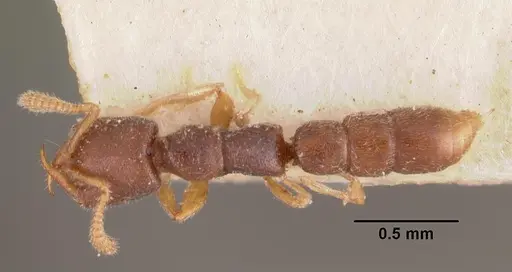
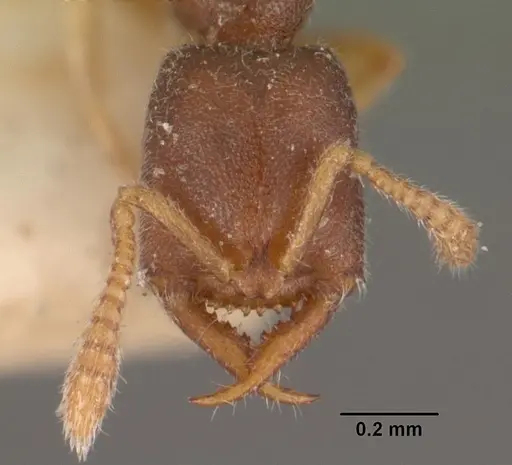
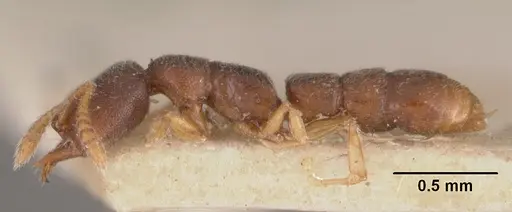
CASENT0104570
View on AntWeb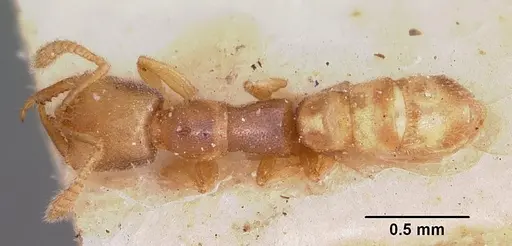
CASENT0923150
View on AntWeb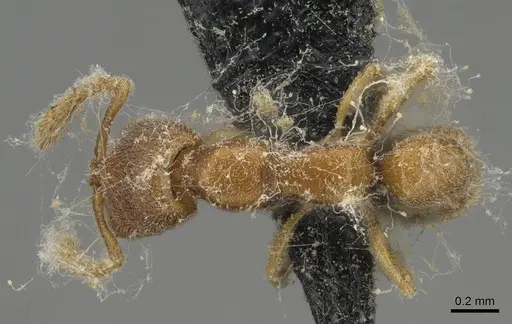
CASENT0923151
View on AntWeb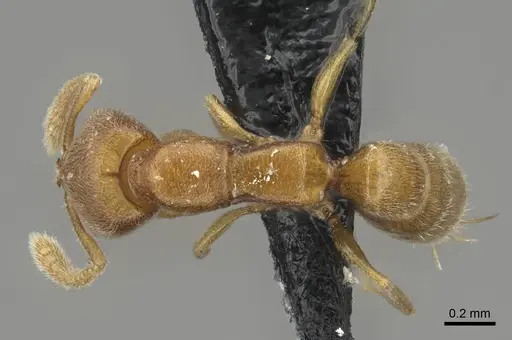
MCZ-ENT00745359
View on AntWeb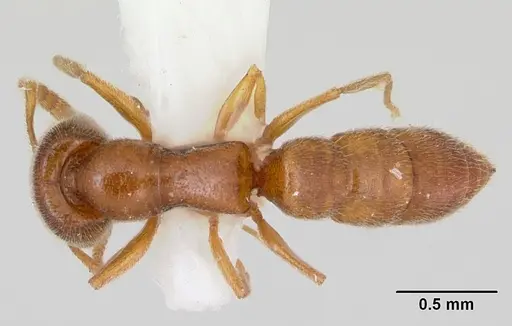
MCZ-ENT00745360
View on AntWeb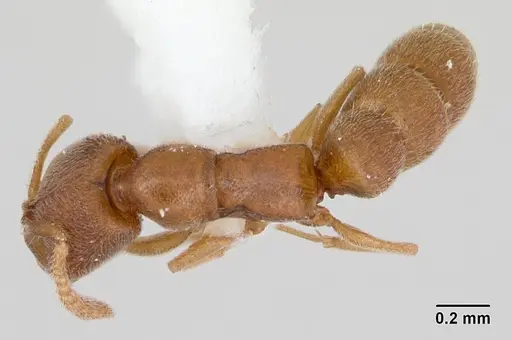
Literature
Loading...Loading products...