

Stigmatomma liebe
- Scientific Name
- Stigmatomma liebe
- Tribe
- Amblyoponini
- Subfamily
- Amblyoponinae
- Author
- Esteves & Fisher, 2016
- Distribution
- Found in 1 countries
Stigmatomma liebe Overview
Stigmatomma liebe is an ant species of the genus Stigmatomma. It is primarily documented in 1 countries , including Madagascar. Detailed taxonomic data and occurrence records can be further explored via authoritative databases such as AntWeb or the Global Biodiversity Information Facility (GBIF).
Stigmatomma liebe
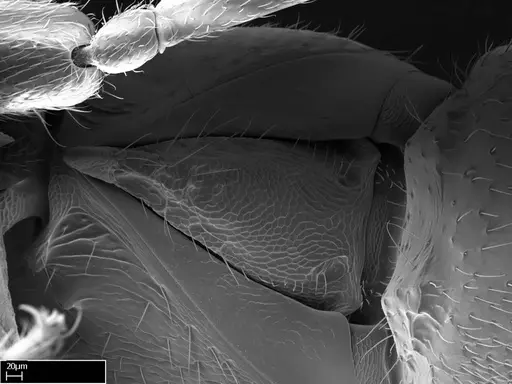
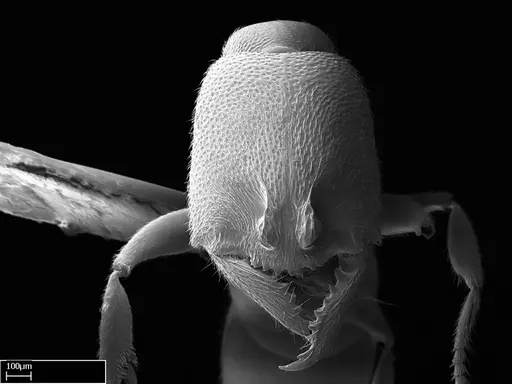
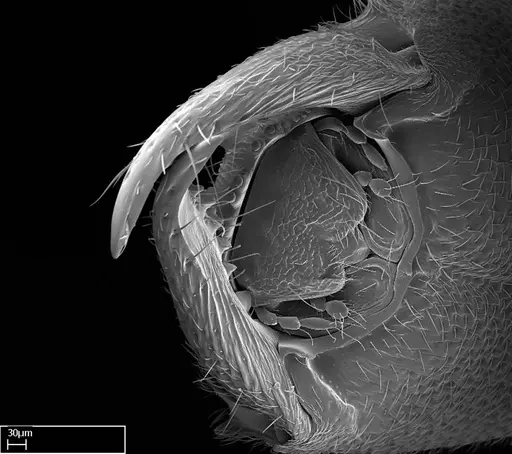
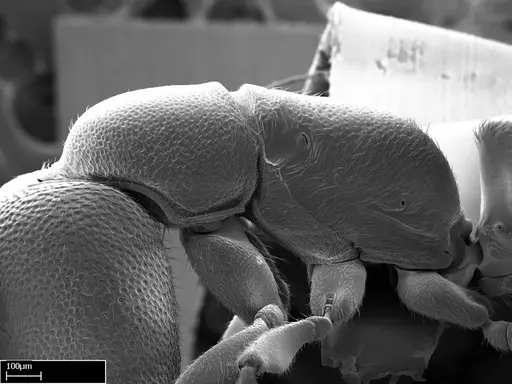
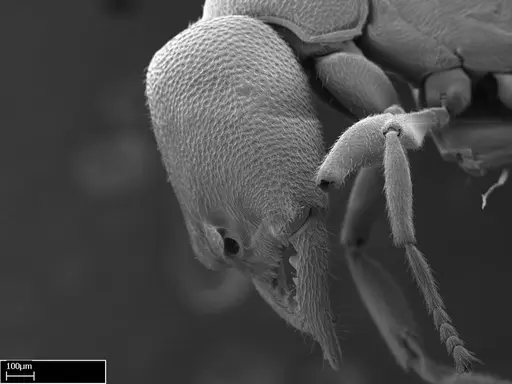
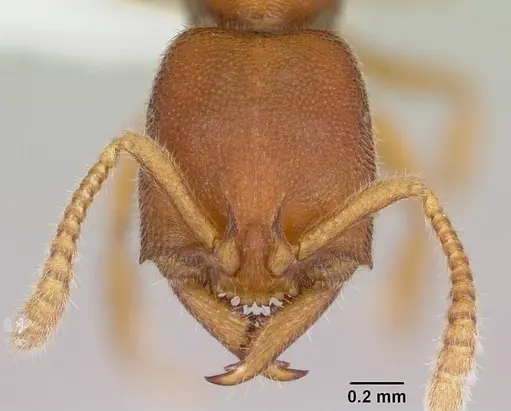
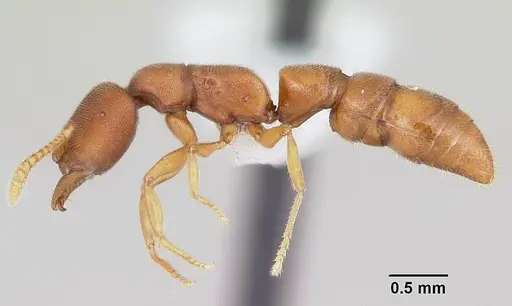
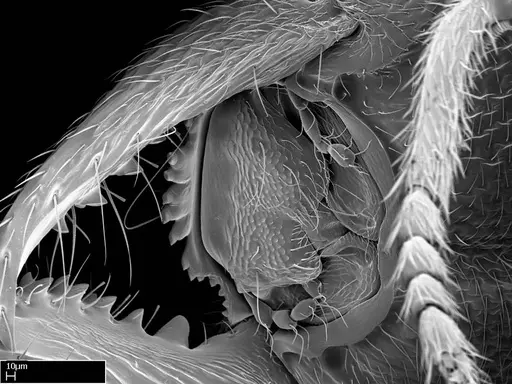
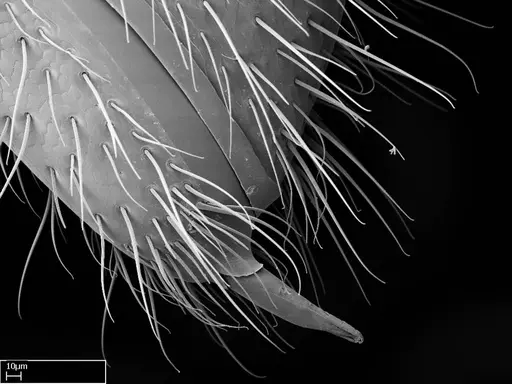
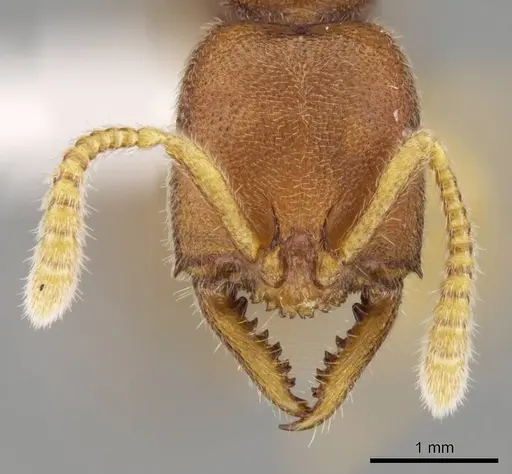
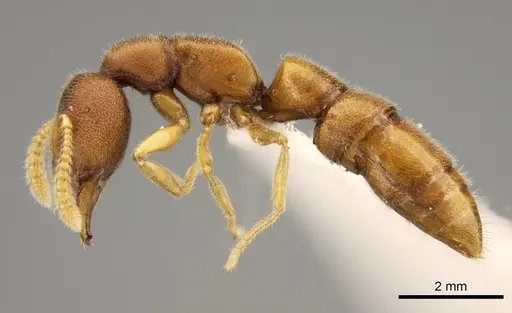
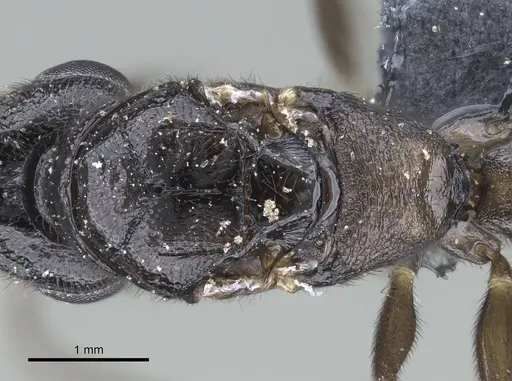
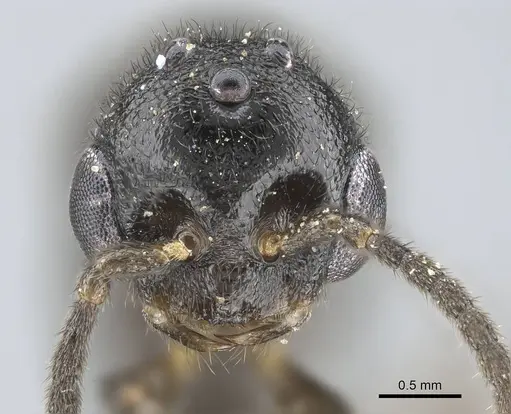
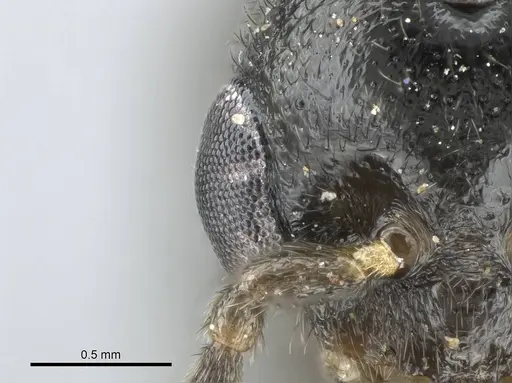
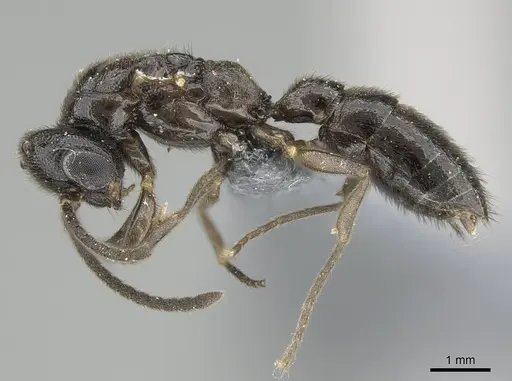
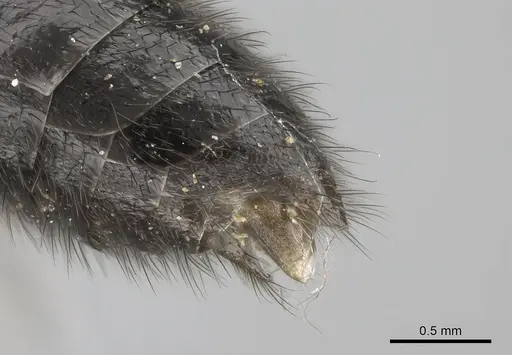
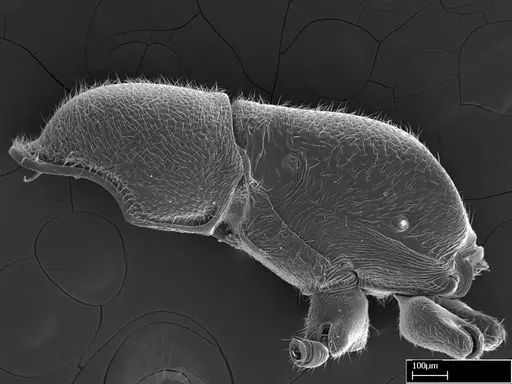
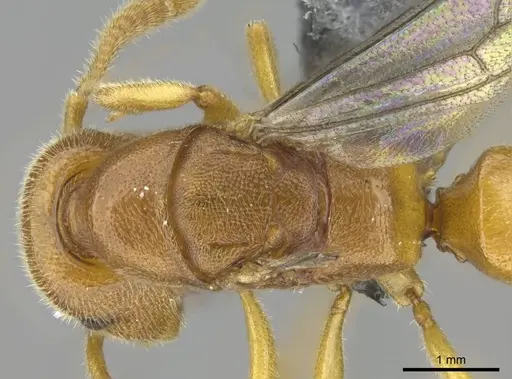
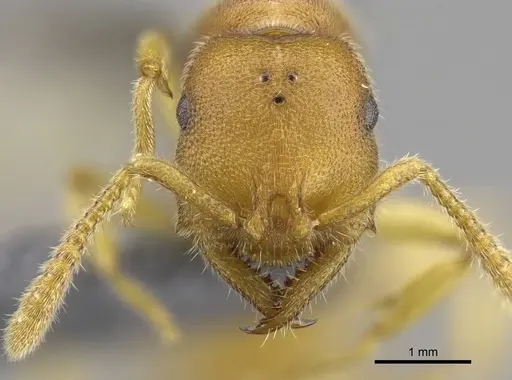
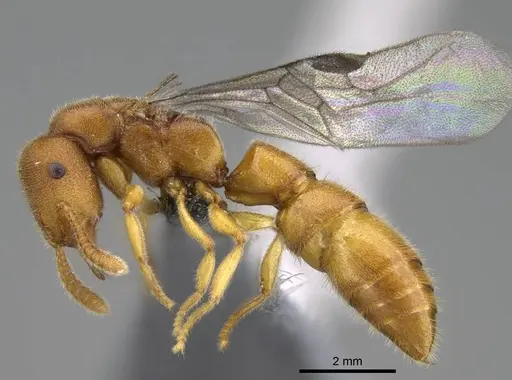
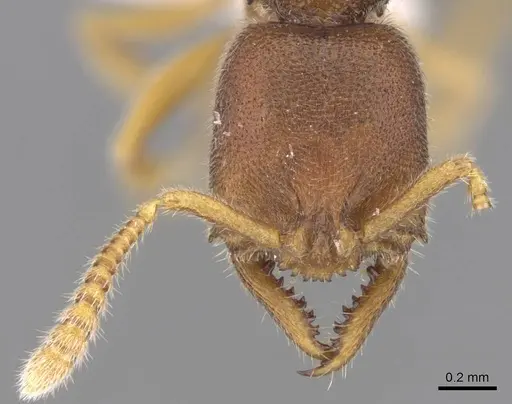
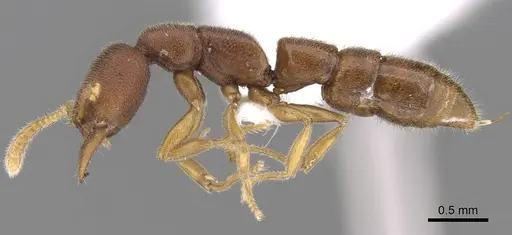
Stigmatomma liebe is a medium-sized ant native to Madagascar, measuring 0.90-0.96mm in head length with a body length of 1.16-1.34mm [1]. This species belongs to the tsyhady species group and is distinguished by its yellow to orange body color with yellow appendages, making it stand out from related species which are typically darker [1]. Workers have twelve antennomeres and a distinctive palpal formula of 4:3 (four maxillary, three labial palps) [1]. One of the most unusual morphological features is the reduced anterior mesotibial and metatibial spurs, in most specimens, these are reduced to tiny bud-like projections hidden in a fovea, visible only under magnification [1]. They also possess a unique slit-like sulcus running along the anterior face of the mesobasitarsus [1][2].
This species inhabits montane rainforest habitats above 1100m elevation in the southern portion of Madagascar's humid forests ecoregion [1]. They are found sympatrically with related species S. roahady and S. tsyhady in several protected areas including Andohahela National Park, Anosyenne Mountains, Andringitra Reserve, and Ivohibe Special Reserve [1]. In their natural habitat, they nest in the root mat on rock and soil, and are collected from sifted leaf mold and rotten wood [1].
Quick Summary
- Difficulty: Medium
- Origin & Habitat: Montane rainforest habitats above 1100m elevation in the southern portion of Madagascar's humid forests ecoregion [1].
- Colony Type: Colony structure is unconfirmed. Based on typical Amblyoponinae patterns, colonies likely have a single queen with potential ergatoid (wingless) replacement reproductives. Related species in this genus often show flexible colony structures.
- Size & Growth:
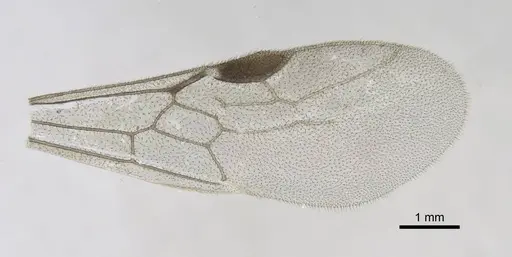
- Queen: Larger than workers, with full winged reproductive morphology, alate queens have larger compound eyes, ocelli, and typical mesosoma modifications for wings [1]. Precise measurements unconfirmed.
- Worker: 0.90-0.96mm head length,1.16-1.34mm Weber's length [1]
- Colony: Unknown, no colony size data available for this species
- Growth: Unknown, no development timing data available
- Development: Unknown, no direct measurements available. Based on typical Amblyoponinae patterns and related predatory ant species, estimate 6-10 weeks at optimal temperature. (No specific development data exists for this species. Estimates based on genus-level patterns for Amblyoponinae ants.)
- Antkeeping:
- Temperature: Keep cool, aim for 18-22°C. This species comes from montane rainforests above 1100m, so it prefers cooler temperatures than most tropical ants. Avoid overheating.
- Humidity: High humidity required, aim for 70-85%. These ants live in montane rainforest leaf litter and rotting wood, so they need consistently damp substrate conditions.
- Diapause: Unknown, no specific data on overwintering requirements. Given their montane habitat, they likely experience cooler seasonal temperatures and may benefit from a slight cooling period in winter.
- Nesting: Prefers naturalistic setups that mimic their natural environment. Sifted leaf mold, rotting wood fragments, or a mix of soil and organic material works well. A Y-tong or plaster nest with high humidity also works if kept moist.
- Behavior: Workers are likely nocturnal or crepuscular foragers based on typical Amblyoponinae behavior. They are specialized predators, Stigmatomma species are known for hunting small prey like springtails and other micro-arthropods in leaf litter. Escape risk is moderate, they are small ants but not extremely tiny. Handle with care as they may defend themselves if threatened. Temperament is typically non-aggressive toward humans but will prey on small invertebrates.
- Common Issues: high humidity maintenance is critical, dry conditions will kill colonies quickly, escape prevention needed due to small size, use fine mesh barriers, slow growth may frustrate beginners, colonies develop slowly, prey acceptance can be tricky, may need live micro-prey initially, temperature sensitivity, overheating is a common killer
Housing and Nest Setup
Stigmatomma liebe does best in naturalistic setups that replicate their montane rainforest leaf litter habitat. A setup with sifted leaf mold, small rotting wood fragments, and soil mimics their natural nesting environment in root mats on rock and soil [1]. Keep the substrate consistently moist but not waterlogged, these ants come from humid forest environments above 1100m elevation where conditions are damp year-round [1]. A layer of leaf litter on top helps maintain humidity and provides hunting grounds.
For a more controlled setup, a Y-tong (AAC) or plaster nest works well if you maintain high humidity. Place a water reservoir or moisture gradient so workers can choose their preferred moisture level. Avoid tall, open spaces, these are small leaf-litter ants that prefer tight, enclosed spaces. A shallow foraging area with natural materials works better than a bare plastic formicarium.
Feeding and Diet
Stigmatomma liebe is a specialized predator, as are most species in the Amblyoponinae subfamily. In the wild, they hunt small prey in leaf litter, likely springtails, tiny beetles, and other micro-arthropods [1]. In captivity, offer small live prey such as springtails, fruit flies, and other tiny insects. Start with live prey as these ants may not immediately accept dead food.
You can occasionally offer protein sources like small pieces of mealworm or cricket, but success varies. Sugar sources are unlikely to be accepted, these are predatory ants, not sugar-seekers. Focus on providing a constant supply of small live prey. Feed every 2-3 days, adjusting based on colony size and consumption rate. Remove uneaten prey to prevent mold.
Temperature and Seasonal Care
Keep Stigmatomma liebe cool compared to most tropical ant species. Their montane rainforest habitat above 1100m in Madagascar means they prefer temperatures in the 18-22°C range [1]. Avoid temperatures above 25°C, overheating is a common killer for this species. Room temperature (around 20°C) is often ideal.
If you need to provide heat, use a very gentle approach, a heating cable on one side of the nest creating a slight gradient, never direct heat. Monitor colony behavior, if workers cluster away from heat sources, the setup is too warm.
Winter care is uncertain since no specific diapause data exists. However, given their montane habitat, expect cooler seasonal temperatures. Consider reducing temperatures slightly in winter months (to around 15-18°C) rather than maintaining constant warmth year-round.
Humidity Requirements
High humidity is critical for this species. Aim for 70-85% relative humidity, mimicking the damp conditions of montane rainforest leaf litter. The substrate should feel consistently moist to the touch, think of damp forest floor, not wet swamp. Provide a water source such as a test tube with cotton or a small moisture reservoir.
Poor humidity leads to colony decline and death, especially during founding. Keep nests away from air conditioning vents, heaters, or other drying influences. A shallow water dish in the outworld helps maintain ambient humidity through evaporation. Monitor condensation on nest walls as an indicator of adequate humidity. [1]
Behavior and Colony Dynamics
Stigmatomma liebe workers likely forage at night or during twilight hours, typical of Amblyoponinae ants. They are not aggressive toward humans but will defend the nest if threatened. Workers are small (around 1mm body length) and move deliberately through leaf litter searching for prey.
Colony structure is not well documented, but based on related species, expect a single founding queen that seals herself in during claustral founding. The colony likely grows slowly at first, with nanitic (first) workers being smaller than mature workers. Ergatoid (wingless) replacement reproductives may be present in established colonies, as seen in some related Stigmatomma species. [1]
Frequently Asked Questions
How long does it take for Stigmatomma liebe to raise first workers?
The exact egg-to-worker timeline is unknown for this species. Based on typical Amblyoponinae patterns and related predatory ant species, expect approximately 6-10 weeks at optimal temperature (around 20°C). Colony growth is typically slow, especially in the founding stage.
What do Stigmatomma liebe ants eat?
They are specialized predators that hunt small live prey. Offer springtails, fruit flies, and other tiny micro-arthropods. Some colonies may eventually accept small pieces of mealworm or cricket, but live prey is more reliable. Sugar sources are unlikely to be accepted.
Can I keep Stigmatomma liebe in a test tube?
Test tubes can work for founding colonies if you maintain high humidity, but these ants do best in naturalistic setups with damp leaf litter and organic material. If using test tubes, ensure excellent humidity and consider adding a small moisture chamber. A naturalistic setup is preferable long-term.
What temperature do Stigmatomma liebe ants need?
Keep them cool, aim for 18-22°C. They come from montane rainforests above 1100m in Madagascar and prefer cooler conditions than most tropical ants. Avoid temperatures above 25°C, as overheating is a common problem.
Are Stigmatomma liebe ants good for beginners?
This species is rated as Medium difficulty. While not the hardest ant to keep, the high humidity requirements and need for live prey can be challenging. Their slow growth and specific temperature needs also require attention. Beginners should ensure they can maintain consistent high humidity before attempting this species.
Do Stigmatomma liebe ants sting?
Stigmatomma belongs to the Amblyoponinae subfamily, which does have functional stingers. However, these are small, non-aggressive ants and stings are unlikely unless handled roughly. The sting, if it occurs, would be mild due to their small size.
How big do Stigmatomma liebe colonies get?
Colony size data is not available for this species. Based on related Stigmatomma species and their leaf-litter habitat, colonies are likely to remain relatively small, probably under a few hundred workers. They are not among the large colony-forming ants.
Do Stigmatomma liebe ants need hibernation?
Specific diapause requirements are unconfirmed. However, given their montane rainforest habitat, they likely experience seasonal temperature changes. Consider providing a slight cooling period in winter (around 15-18°C) rather than constant warmth year-round.
Why is my Stigmatomma liebe colony dying?
The most common causes are: low humidity (dry conditions kill them quickly), overheating (temperatures above 25°C), and poor prey acceptance. Ensure humidity stays high, temperatures remain cool, and offer appropriate live prey. Colonies may also fail if stressed during founding if the queen was disturbed.
When should I move Stigmatomma liebe to a formicarium?
Wait until the colony reaches at least 20-30 workers before considering a move. These ants prefer naturalistic setups, so a formicarium with appropriate humidity and leaf litter material is preferable to bare acrylic. Moving too early stresses the colony.
References

This caresheet is licensed under CC BY-SA 4.0 .
CASENT0009102
View on AntWeb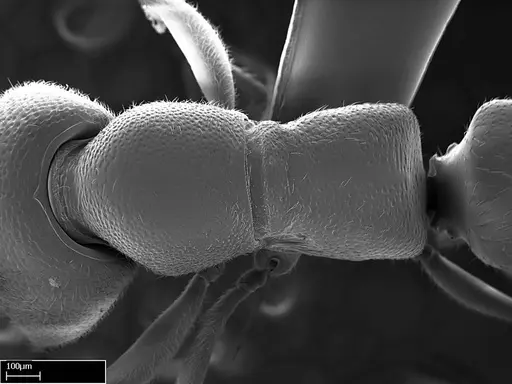
CASENT0227587
View on AntWeb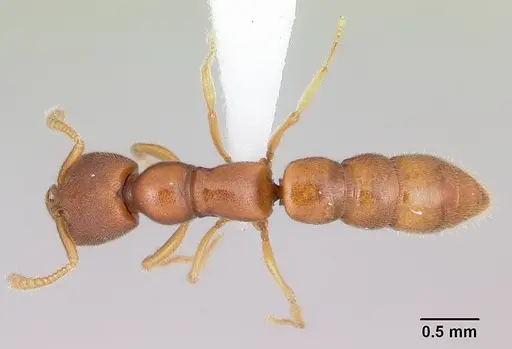
CASENT0318413
View on AntWeb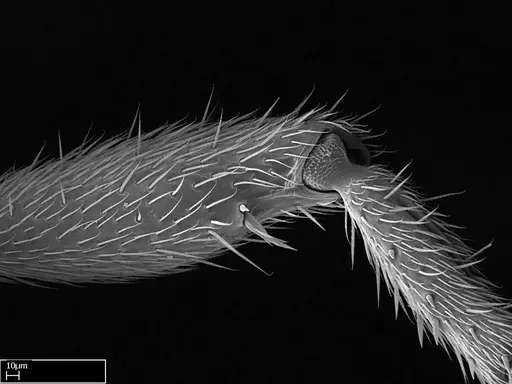
CASENT0318414
View on AntWeb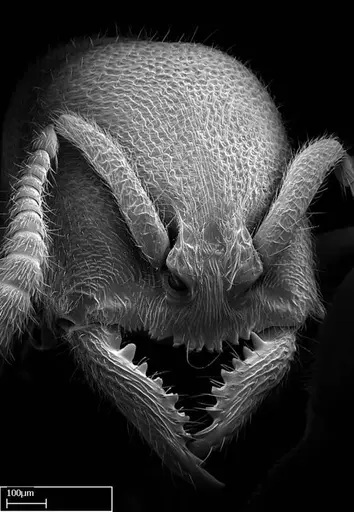
CASENT0318428
View on AntWeb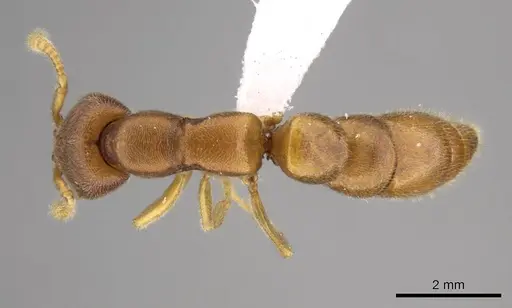
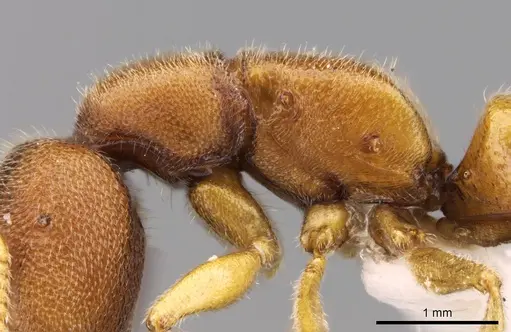
CASENT0705911
View on AntWeb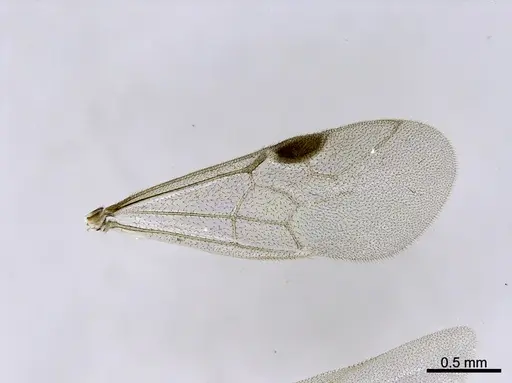
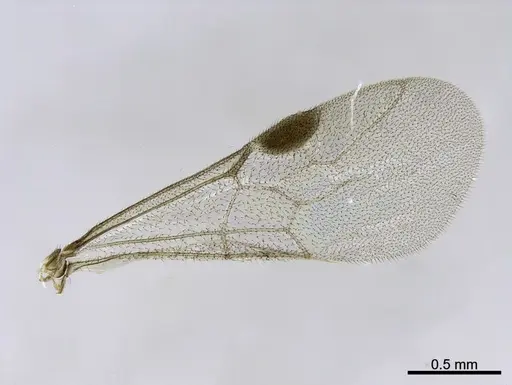
CASENT0724171
View on AntWeb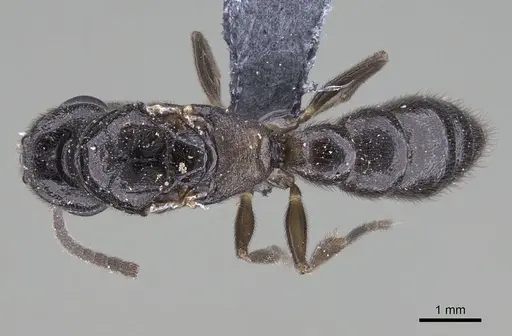
CASENT0724172
View on AntWeb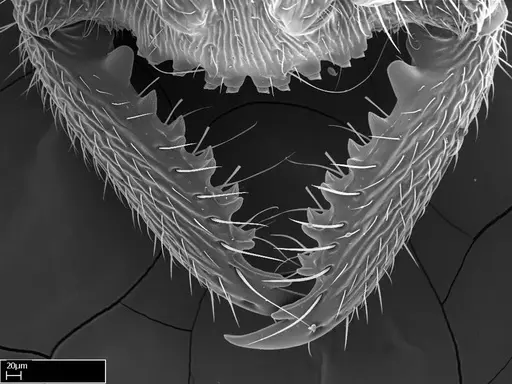
CASENT0724177
View on AntWeb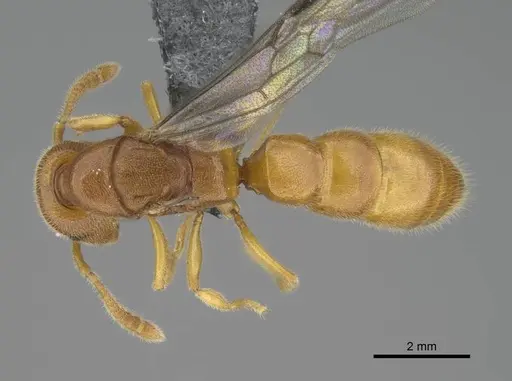
CASENT0746700
View on AntWeb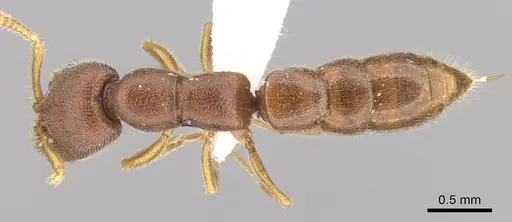
Literature
Loading...Loading products...