

Stigmatomma janovitsika
- Scientific Name
- Stigmatomma janovitsika
- Tribe
- Amblyoponini
- Subfamily
- Amblyoponinae
- Author
- Esteves & Fisher, 2016
- Distribution
- Found in 1 countries
Stigmatomma janovitsika Overview
Stigmatomma janovitsika is an ant species of the genus Stigmatomma. It is primarily documented in 1 countries , including Seychelles. Detailed taxonomic data and occurrence records can be further explored via authoritative databases such as AntWeb or the Global Biodiversity Information Facility (GBIF).
Stigmatomma janovitsika
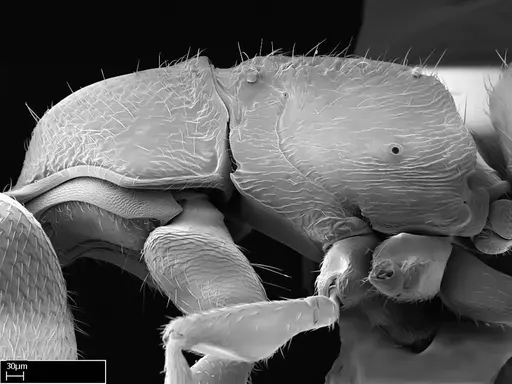
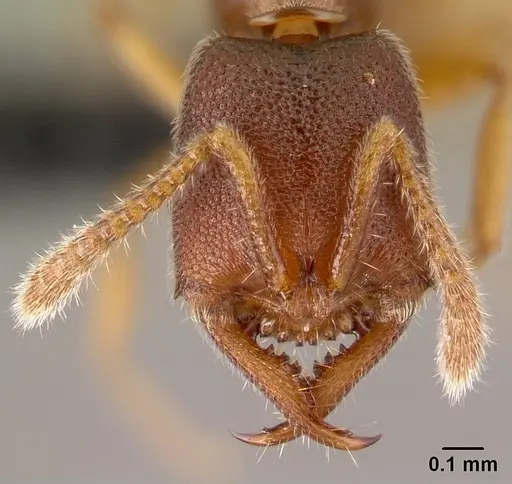
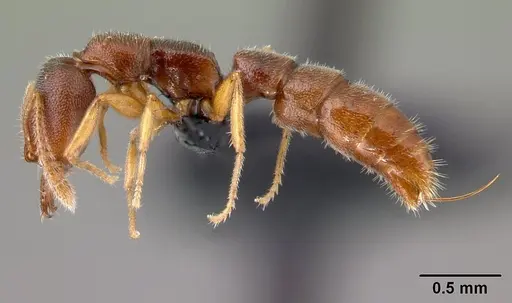
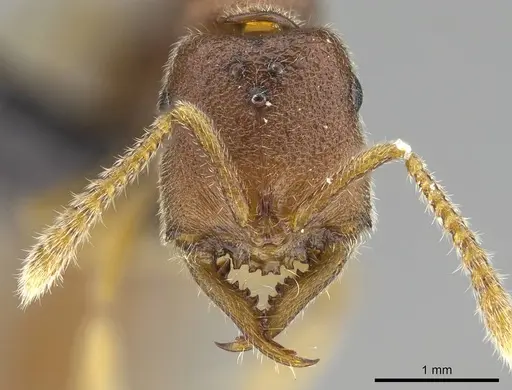
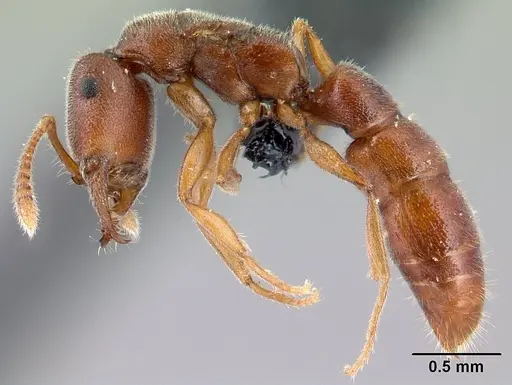
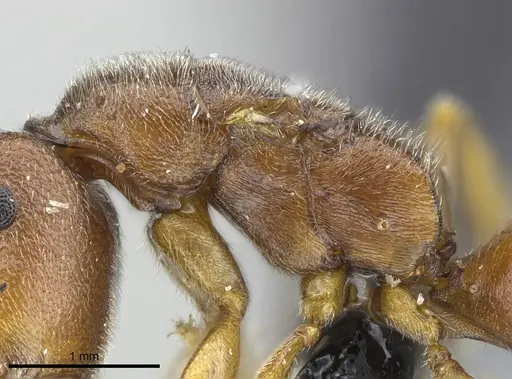
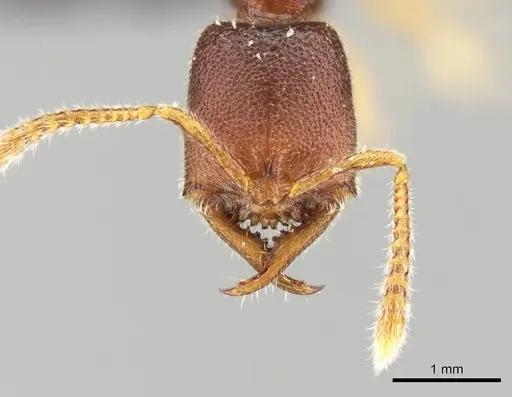
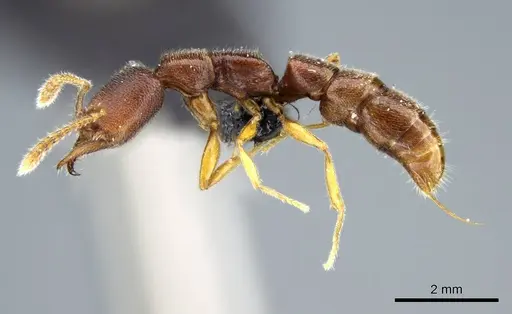
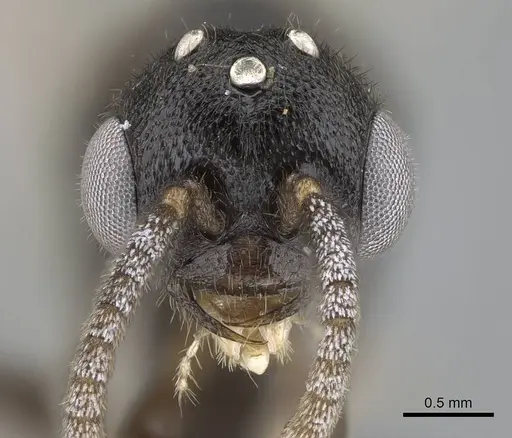
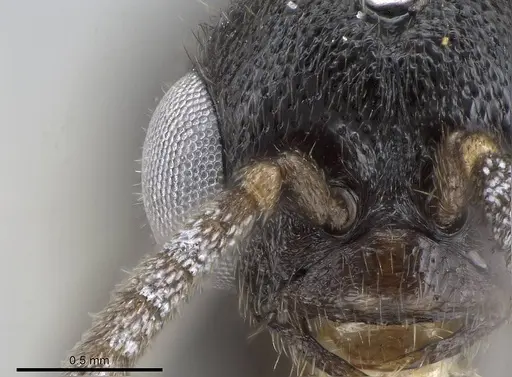
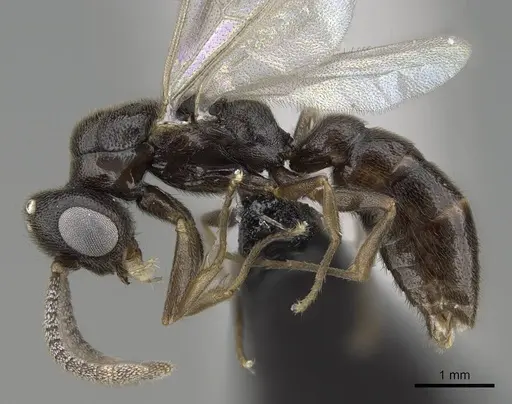
Stigmatomma janovitsika is a medium-sized ant native to the Seychelles islands, specifically found on Conception, Mahé, and Silhouette islands at elevations between 60-700 meters [1]. Workers measure 0.74-0.79mm in head length and 0.87-0.93mm in total length, with a distinctive orange-brown body and lighter orange appendages [1]. This species belongs to the sakalava complex within the tsyhady species group and shows several unusual morphological features, including the complete absence of compound eyes, making them effectively blind [1].
One of the most remarkable traits of this species is their complete lack of vision, they navigate and forage using chemical signals and vibrations rather than sight. As members of the Amblyoponinae subfamily, they share ancestry with the so-called "dracula ants" known for their unique feeding behaviors. In their natural habitat of forest and mixed forest environments, they nest in rotting wood, leaf litter, and under rocks, preferring humid, shaded microhabitats [1].
Quick Summary
- Difficulty: Medium
- Origin & Habitat: Seychelles islands (Conception, Mahé, and Silhouette) at 60-700m elevation. Found in forest, mixed forest, and mixed forest near glacis (rocky outcrop) habitats [1].
- Colony Type: Colony structure is unconfirmed, the founding behavior and queen number for this species has not been directly studied. Based on related Amblyoponinae species, they likely establish small colonies with a single queen.
- Size & Growth:
- Queen: Undescribed in detail, queens are winged alates similar to workers but with greater body length, compound eyes, and ocelli [1]
- Worker: 0.74-0.79mm head length,0.87-0.93mm total length [1]
- Colony: Unknown, likely small to moderate based on typical Amblyoponinae colony sizes
- Growth: Unknown, likely moderate based on related species
- Development: Unconfirmed, no direct development data exists for this species. Based on typical Amblyoponinae patterns, expect 6-10 weeks at tropical temperatures. (Development timeline is unconfirmed. Related Amblyoponinae species typically take 6-10 weeks from egg to worker at warm temperatures.)
- Antkeeping:
- Temperature: Keep at 24-28°C, they originate from tropical islands and require warm, stable conditions. A gentle heating gradient allows them to regulate their temperature.
- Humidity: High humidity is essential, they naturally inhabit damp forest floors and rotting wood. Keep nest substrate consistently moist but not waterlogged. Aim for 70-85% humidity.
- Diapause: Unlikely, being from tropical Seychelles islands, they probably do not require a true hibernation period. However, a slight seasonal reduction in temperature during winter months may be beneficial.
- Nesting: They naturally nest in rotting wood, leaf litter, and under stones in humid forest environments. In captivity, they do well in naturalistic setups with moist substrate, or in acrylic/plaster nests that retain humidity well. They prefer tight, enclosed spaces and will likely thrive in Y-tong or similar compact nests.
- Behavior: These ants are effectively blind due to their complete absence of compound eyes, so they rely entirely on chemical and tactile communication [1]. They are likely nocturnal or subterranean foragers based on their eye-less condition. Workers are medium-sized and relatively slow-moving compared to many ants. They probably forage individually rather than in groups. Their escape risk is moderate, while not tiny, they can squeeze through small gaps, so standard escape prevention measures apply. Temperament is not well-documented but Amblyoponinae species are typically not aggressive and prefer to flee rather than fight.
- Common Issues: high humidity management is critical, too dry and colonies will fail, too wet and mold becomes a problem, blind ants may have difficulty locating food in open spaces, place prey close to nest entrances, wild-caught colonies may have parasites or diseases that cause captive failures, slow colony growth can lead to keeper impatience and overfeeding problems, temperature stability matters more than for many species, avoid drafts and temperature swings
Housing and Nest Setup
Stigmatomma janovitsika requires humid, dark conditions that mimic their natural forest floor habitat. They naturally nest in rotting wood, leaf litter, and under stones, so naturalistic setups with moist substrate work well [1]. Acrylic nests or Y-tong (AAC) nests are also suitable options, provided you can maintain high humidity within the nest chambers.
The key is creating a humid environment with minimal light exposure. These blind ants navigate primarily through chemical cues, so keeping their setup dark helps reduce stress. Use a water reservoir or moisture gradient system to maintain substrate dampness without flooding. A thin layer of substrate (1-2cm deep) works better than deep setups since they naturally live near the surface in leaf litter. Include small hiding spots and debris that mimic their natural leaf litter environment.
Feeding and Diet
While specific dietary studies for S. janovitsika do not exist, Amblyoponinae ants are typically predators or omnivores. Based on related species in the genus, they likely prey on small arthropods including springtails, mites, and other tiny invertebrates found in forest floor litter.
In captivity, offer small live prey items like fruit flies, pinhead crickets, and small mealworms. They may also accept protein-based artificial diets. Sugar sources are sometimes accepted, though this varies by individual. Feed small amounts of protein 2-3 times per week, removing any uneaten prey within 24 hours to prevent mold. Their small size means even tiny prey items are appropriate, focus on prey that is roughly the size of their head or smaller. [1]
Temperature and Seasonal Care
Being native to the tropical Seychelles islands, these ants require warm conditions year-round. Maintain temperatures between 24-28°C in the nest area. A slight temperature gradient (warmer on one side) allows the colony to self-regulate. Room temperature in most homes may be insufficient, consider using a heating cable or mat on one side of the nest.
Since they come from a tropical environment without true winters, they do not require hibernation. However, a slight seasonal temperature fluctuation (a few degrees cooler in winter) may simulate natural conditions and could benefit breeding. Avoid temperatures below 20°C for extended periods, as this could stress the colony. Keep them away from air conditioning vents, drafts, and windows with direct sunlight that could cause temperature swings. [1]
Understanding Their Unique Biology
The complete absence of compound eyes in Stigmatomma janovitsika is one of their most distinctive features [1]. This makes them effectively blind, a rare trait among ants. They navigate using their antennae (for chemical sensing) and possibly detect vibrations. This means they are likely nocturnal or subterranean foragers, avoiding the light.
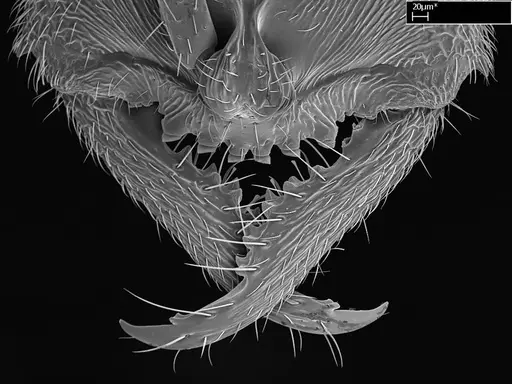
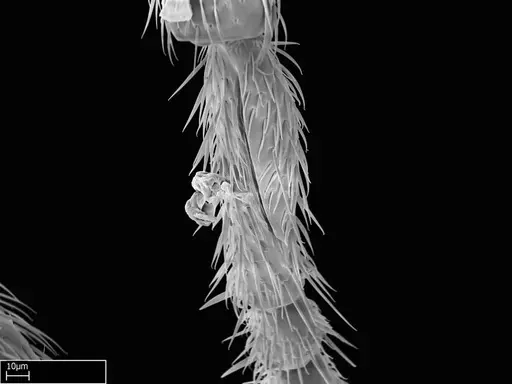
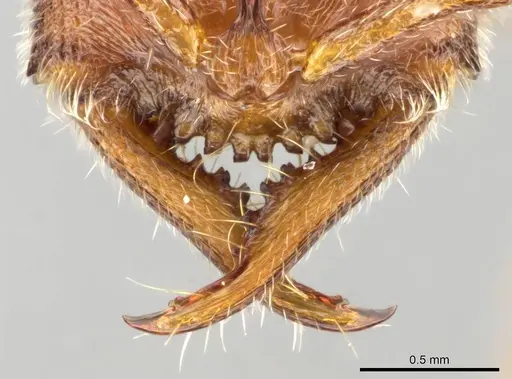
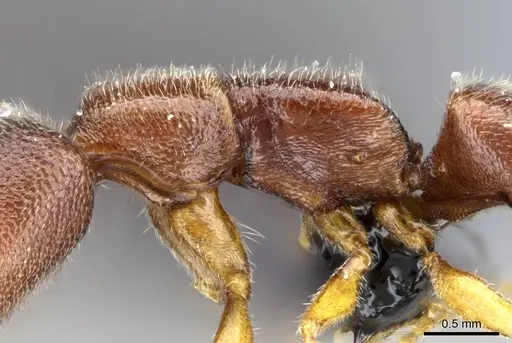
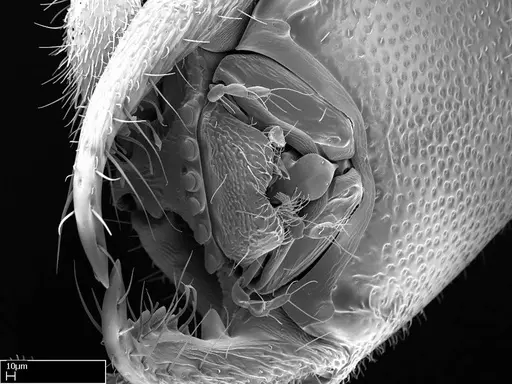
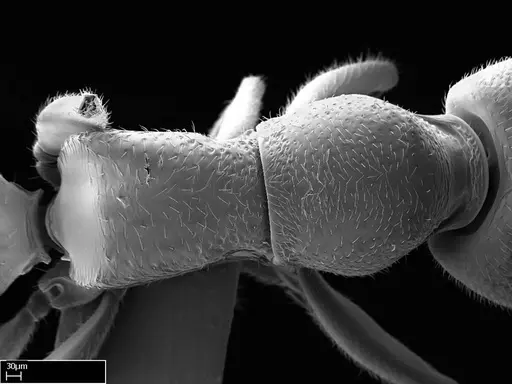
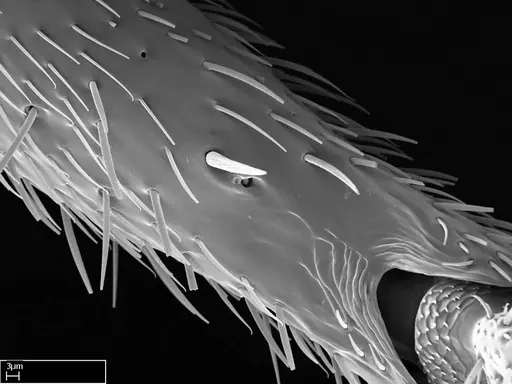
Their palpal formula of 4:2 (four maxillary and two labial palps) indicates specialized mouthpart structures [1]. The unique features on their legs, including the absence of a mesotibial spur and the specialized basitarsal structures, may help them grip surfaces or detect vibrations in their environment [1]. These are highly specialized ants with adaptations for life in dark, humid forest floor microhabitats.
When caring for them, remember they cannot see, place food near nest entrances rather than expecting them to forage across open spaces. Minimize vibrations and strong scents near the colony, as these are likely their primary sensory inputs.
Frequently Asked Questions
Are Stigmatomma janovitsika good for beginners?
This species is best suited for intermediate antkeepers who have experience maintaining high humidity and are patient with slower-growing colonies. Their specific humidity requirements and the need for stable warm conditions make them more challenging than common species like Lasius or Tetramorium.
Do Stigmatomma janovitsika ants sting?
Amblyoponinae ants have functional stingers, so yes, they can sting. However, their sting is not considered medically significant to humans, and they are not aggressive, they will likely flee rather than attack when disturbed.
How long does it take for first workers to emerge?
The egg-to-worker timeline is unconfirmed for this species. Based on typical Amblyoponinae development, expect approximately 6-10 weeks from founding to first workers when kept at optimal temperatures of 24-28°C.
Can I keep multiple queens together?
Combining unrelated queens of this species has not been documented. Based on related Amblyoponinae behavior, it is not recommended, queens are likely territorial and would fight. Start with a single claustral queen if possible.
What do Stigmatomma janovitsika eat?
Based on related species, they are predators that accept small live prey like fruit flies, springtails, and tiny crickets. They may also accept protein-based artificial foods. Sugar sources are sometimes accepted but should not be the primary food.
Do they need hibernation?
No, being from tropical Seychelles islands, they do not require true hibernation. A slight seasonal temperature reduction (a few degrees) may be beneficial but is not necessary.
Why are my ants not moving much?
This is likely normal behavior, being blind and possibly nocturnal/subterranean, they are not highly active during daylight hours. They may be most active at night or when the area is dark and quiet. Also ensure temperatures are warm enough (24-28°C).
When should I move them to a formicarium?
Wait until the colony has at least 20-30 workers before moving to a formicarium. They do well in naturalistic setups or acrylic nests that maintain humidity. Ensure the formicarium has moist substrate and minimal light exposure.
Are these ants invasive?
No, Stigmatomma janovitsika is native only to the Seychelles islands and has not been documented as invasive anywhere. They are not established in any other region.
What makes Stigmatomma janovitsika special?
They are one of the few ant species that are completely blind, lacking compound eyes entirely. This makes them fascinating for observing non-visual navigation and communication. Their unique morphology and limited distribution (only three Seychelles islands) also make them a rare and interesting species to keep.
References

This caresheet is licensed under CC BY-SA 4.0 .
CASENT0145426
View on AntWeb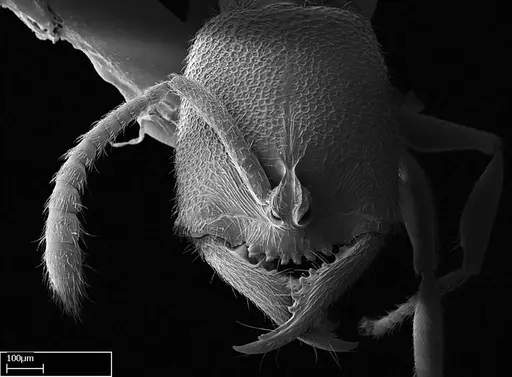
CASENT0159676
View on AntWeb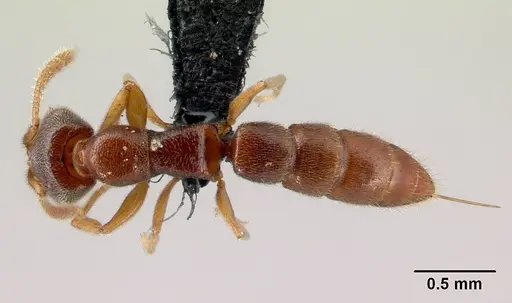
CASENT0159679
View on AntWeb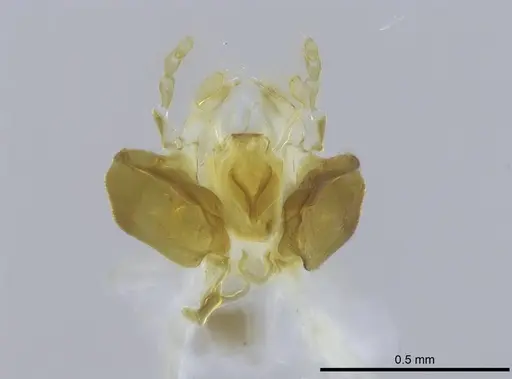
CASENT0160792
View on AntWeb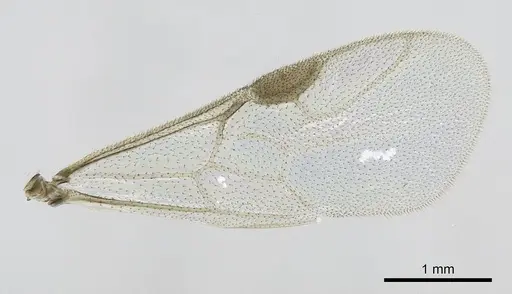
CASENT0161532
View on AntWeb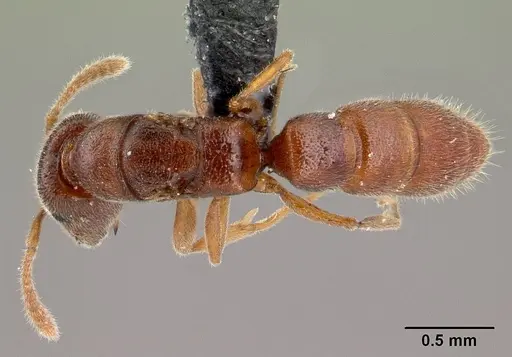
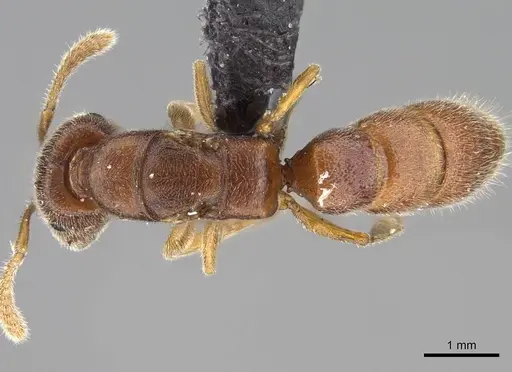
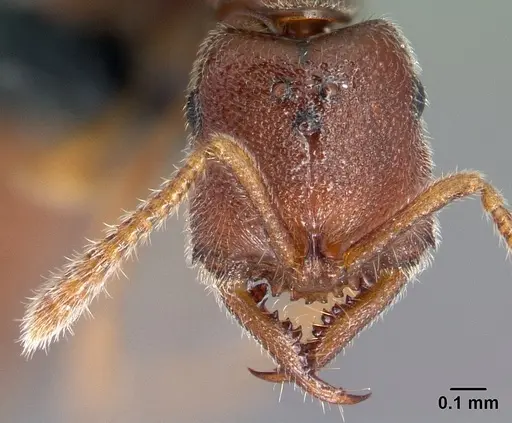
CASENT0161533
View on AntWeb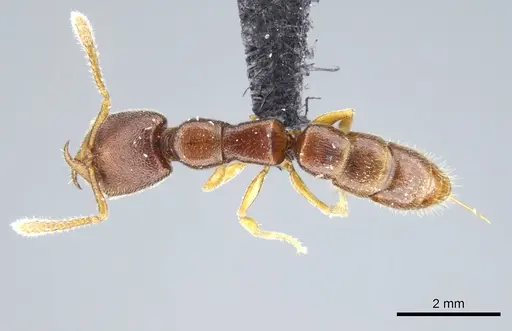
CASENT0318418
View on AntWeb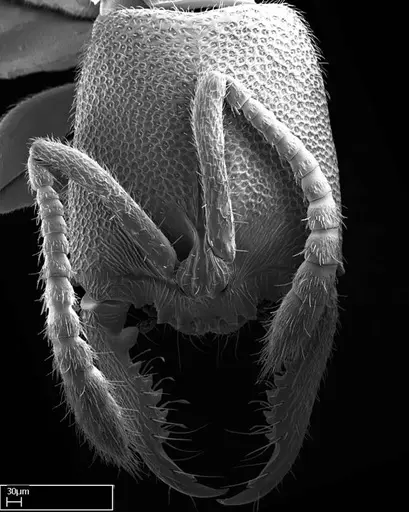
CASENT0318446
View on AntWeb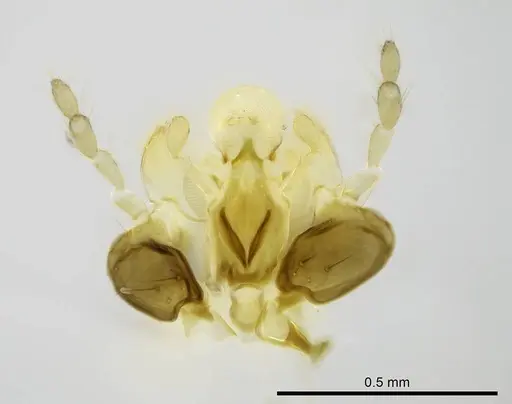
CASENT0318447
View on AntWeb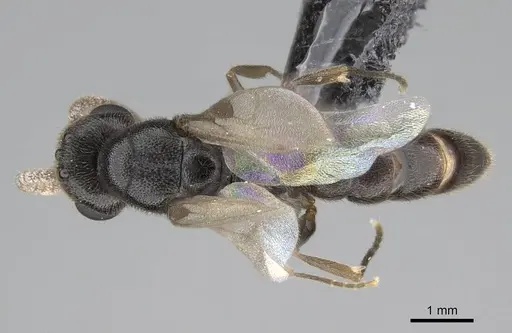
Literature
Loading...Loading products...