

Stigmatomma gaetulicum
- Scientific Name
- Stigmatomma gaetulicum
- Tribe
- Amblyoponini
- Subfamily
- Amblyoponinae
- Author
- Baroni Urbani, 1978
- Distribution
- Found in 1 countries
Stigmatomma gaetulicum Overview
Stigmatomma gaetulicum is an ant species of the genus Stigmatomma. It is primarily documented in 1 countries , including Spain. Detailed taxonomic data and occurrence records can be further explored via authoritative databases such as AntWeb or the Global Biodiversity Information Facility (GBIF).
Stigmatomma gaetulicum
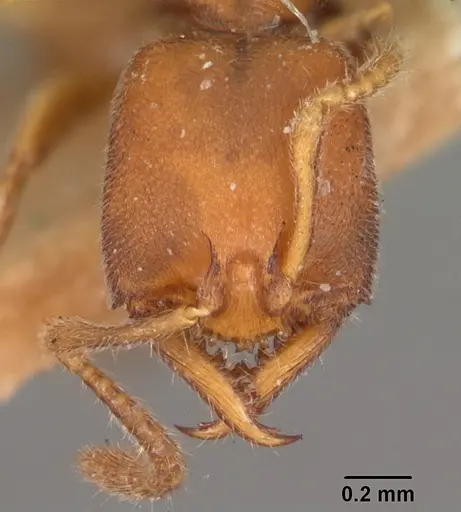
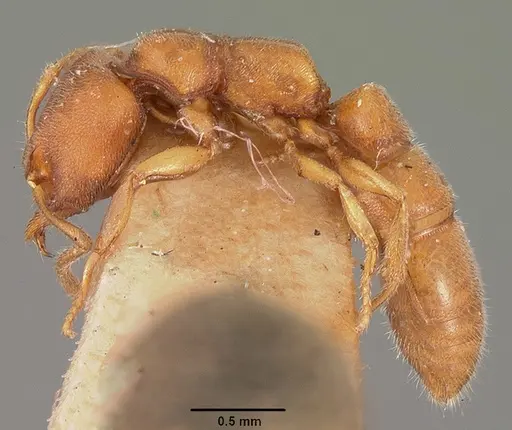
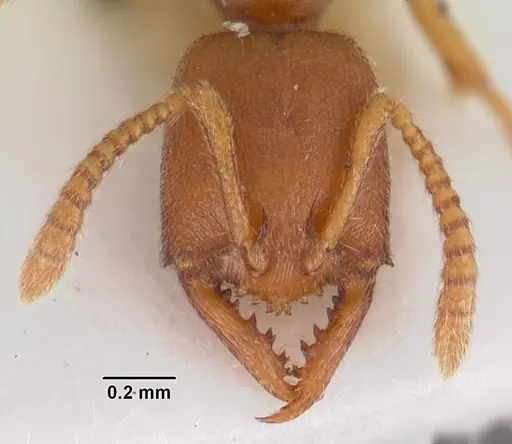
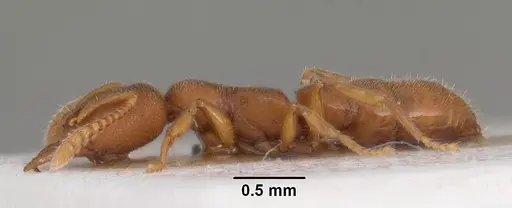
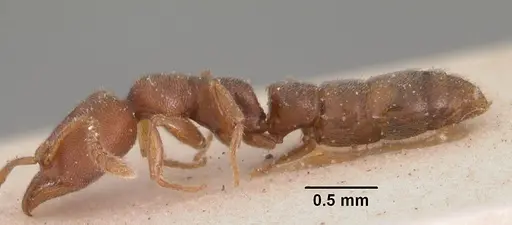
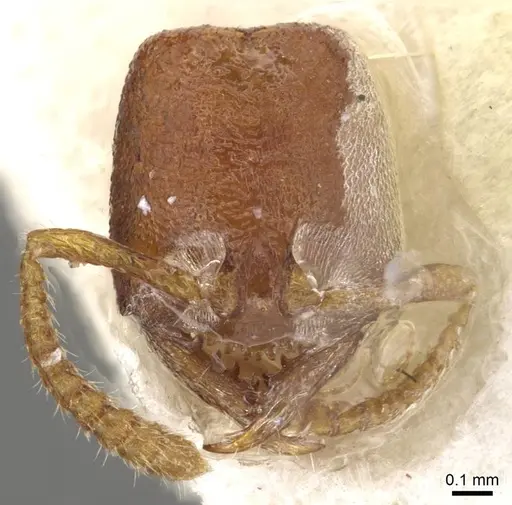
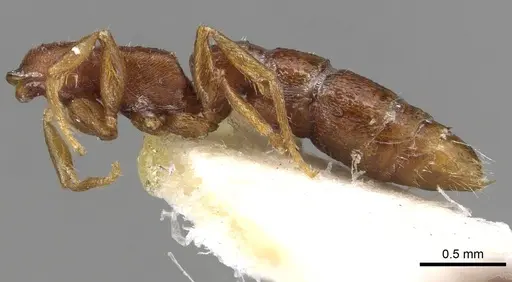
Stigmatomma gaetulicum is a small, cryptic ant species native to the western Mediterranean region, found across Morocco, Gibraltar, Portugal, and Spain [1]. Workers are around 4-5mm with the elongated, slender build typical of Amblyoponinae, featuring characteristic serrated teeth along the mandibles used for capturing prey. The species was originally described as Stigmatomma gaetulicum in 1978 before being reclassified to Stigmatomma in 2012 [1]. Unlike typical ants, Amblyoponinae (sometimes called 'dracula ants') have a unique social structure where workers can reproduce without fully developing into queens, and they lack a functional stinger, instead using their powerful mandibles for defense. This species is exceptionally rare in the hobby and in the wild, with only a handful of records spanning its entire known range.
Quick Summary
- Difficulty: Expert
- Origin & Habitat: Western Mediterranean: Morocco, Gibraltar, Portugal, and Spain. Found in scrubland, grassland, and under stones in moist soil areas [1][2]. The type specimen was collected near Tangier, Morocco in March 1896,with most modern records coming from beneath partially buried stones in damp locations [1][3].
- Colony Type: Likely monogyne (single-queen colonies) based on typical Amblyoponinae patterns. The genus Stigmatomma is known to have ergatoid (worker-like) replacement reproductives that can take over if the queen dies, a trait shared with related Amblyoponinae [1].
- Colony: Monogyne
- Founding: Claustral
- Special: Gamergates
- Size & Growth:
- Queen: Estimated 5-6mm based on genus patterns, direct measurements unavailable for this species
- Worker: Approximately 4-5mm based on typical Amblyoponinae worker dimensions [1]
- Colony: Likely small colonies of several dozen to low hundreds based on related species, actual data unavailable
- Growth: Unknown, likely slow to moderate based on Amblyoponinae patterns
- Development: Estimated 6-10 weeks based on related Amblyoponinae species at optimal temperature (Development timeline unconfirmed for this specific species. Amblyoponinae typically develop slower than many common ant genera.)
- Antkeeping:
- Temperature: Keep around 20-24°C. Based on Mediterranean distribution and moist soil habitat preferences, they likely tolerate cooler temperatures than tropical species but need warmth for activity.
- Humidity: High humidity required, found in moist soil under stones in the wild [1][3]. Keep nest substrate consistently damp but not waterlogged. Provide a gradient with a moist side and slightly drier area.
- Diapause: Likely required, Mediterranean species typically need a winter rest period. Provide 2-3 months at 10-15°C during winter months.
- Nesting: Natural nesting occurs under stones in soil. In captivity, a naturalistic setup with soil substrate and flat stones or a plaster/acrylic nest with moisture chambers works well. They prefer tight, enclosed spaces and will likely nest in the dampest areas of the setup.
- Behavior: These are secretive, slow-moving predators. Workers forage individually rather than in groups, hunting small invertebrates like springtails, mites, and other micro-arthropods in the soil. They are not aggressive and will flee rather than fight, their primary defense is their bite. Escape risk is moderate since they're small but not particularly fast. They are unlikely to climb smooth surfaces aggressively but fine mesh barriers are still recommended.
- Common Issues: very limited distribution in the wild means captive colonies are rarely available, specific humidity requirements are poorly understood, risk of death from either too dry or waterlogged conditions, slow colony growth may lead to keeper impatience and overfeeding, prey acceptance is unknown, may require live micro-prey exclusively, hibernation requirements are inferred, not confirmed, getting this wrong can kill colonies
Housing and Nest Setup
Stigmatomma gaetulicum requires a setup that mimics its natural under-stone microhabitat. A naturalistic terrarium-style setup works best, use a soil substrate (a mix of potting soil and sand works well) and place flat stones or slate on top for cover. Keep the substrate consistently moist but not waterlogged, when you squeeze a handful of soil, it should hold together but not drip. A small water reservoir or misting system helps maintain humidity. Because they're secretive, provide plenty of dark, enclosed spaces under stones or bark pieces. If using an acrylic or plaster nest, ensure it has moisture chambers and cover the nest area to create darkness. Test tube setups are not ideal due to their need for soil and moisture gradients. [1]
Feeding and Diet
As predators, Stigmatomma gaetulicum needs live prey. Based on related Amblyoponinae species, they likely accept small invertebrates like springtails, fruit flies, booklice, and other micro-arthropods. They are not likely to accept sugar water or honey, Amblyoponinae are obligate predators that derive nutrition almost exclusively from animal protein. Feed small prey items every 2-3 days, adjusting based on colony size and consumption. Remove uneaten prey after 24 hours to prevent mold. The serrated mandibles are designed for seizing small, soft-bodied prey, avoid offering anything too large or armored.
Temperature and Seasonal Care
Maintain temperatures in the range of 20-24°C for normal colony activity. They can tolerate brief periods slightly cooler but prolonged cold will slow or stop development. During winter (roughly November through February in the Northern Hemisphere), reduce temperatures to 10-15°C to provide a diapause period. This mimics the Mediterranean winter conditions they experience in the wild. Reduce feeding during this period and keep the substrate slightly drier but not completely dry. Return to normal temperatures gradually in spring to trigger renewed activity and breeding.
Behavior and Colony Dynamics
Stigmatomma gaetulicum is a cryptic species, workers spend most of their time hidden under stones or in soil crevices, emerging primarily to forage. Unlike many ants, they do not maintain obvious foraging trails. Workers move slowly and deliberately, using their serrated mandibles to seize prey. The genus is known for having gamergates, workers that can reproduce and lay eggs to replace a dead queen. This means your colony has a backup reproductive system if the queen is lost. Colonies are likely small, probably under 100 workers even at maturity. They are not defensive and will not bite aggressively, if threatened, they more likely to flee than fight[1].
Frequently Asked Questions
How long does it take for Stigmatomma gaetulicum to raise first workers?
The exact timeline is unknown, but based on related Amblyoponinae species, expect 6-10 weeks from egg to worker at optimal temperature (around 22°C). Development is typically slower than common ant genera like Lasius or Tetramorium.
What do Stigmatomma gaetulicum ants eat?
They are obligate predators that need live prey. Based on related species, offer small soft-bodied invertebrates like springtails, fruit flies, booklice, or tiny crickets. Sugar water and honey are unlikely to be accepted, they derive nutrition almost entirely from animal protein.
Can I keep Stigmatomma gaetulicum in a test tube?
Test tubes are not ideal. This species naturally nests under stones in moist soil and needs a soil-based setup with moisture gradients. A naturalistic terrarium with soil substrate and hiding spots under stones or bark works best.
Do Stigmatomma gaetulicum ants sting?
No. Amblyoponinae lack functional stingers. Their primary defense is their bite using powerful serrated mandibles, but they are not aggressive and will typically flee rather than bite [1].
How big do Stigmatomma gaetulicum colonies get?
Likely small colonies of several dozen to perhaps 100-200 workers at maturity. This is typical for Amblyoponinae, they never reach the massive colony sizes of genera like Formica or Camponotus.
Do Stigmatomma gaetulicum need hibernation?
Yes, a winter diapause is likely required. Based on their Mediterranean distribution, provide 2-3 months at 10-15°C during winter. This helps maintain natural seasonal rhythms and may trigger breeding in spring.
Is Stigmatomma gaetulicum good for beginners?
No, this is an expert-level species. They are rarely available in the hobby, have specific and poorly understood humidity requirements, need live prey exclusively, and require a naturalistic setup. They are best suited for experienced antkeepers who can provide specialized care.
Why are my Stigmatomma gaetulicum dying?
Common causes include: too dry conditions (they need consistently moist soil), wrong temperature (too cold slows development, too hot stresses colonies), accepting only live prey so ensure you're offering appropriate small invertebrates, and stress from excessive disturbance, they are secretive and prefer minimal handling.
Can I keep multiple queens together?
Not recommended. While the natural colony structure is likely single-queen, combining unrelated foundresses has not been documented for this species. Single-queen setups are standard.
What humidity level do Stigmatomma gaetulicum need?
High humidity, they are found in moist soil under stones in the wild. Keep the substrate damp but not waterlogged. A humidity range of 60-80% is appropriate, with consistent moisture being more important than exact percentages [1][3].
References

This caresheet is licensed under CC BY-SA 4.0 .
CASENT0102205
View on AntWeb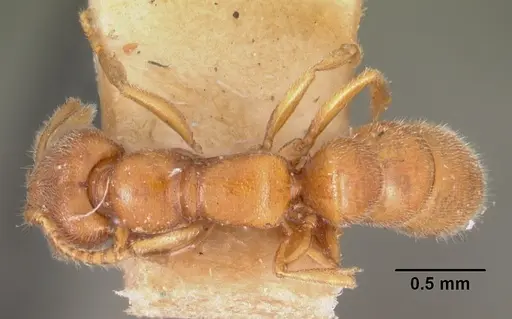
CASENT0102472
View on AntWeb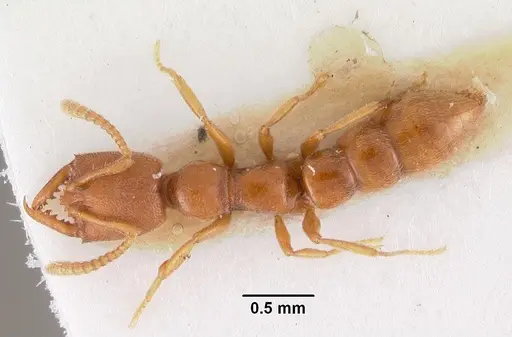
CASENT0102473
View on AntWeb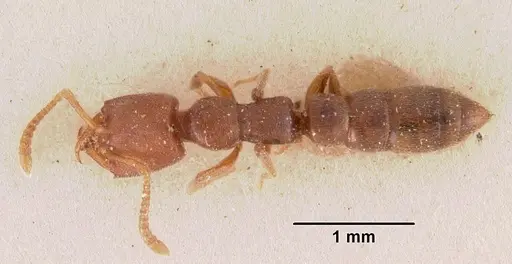
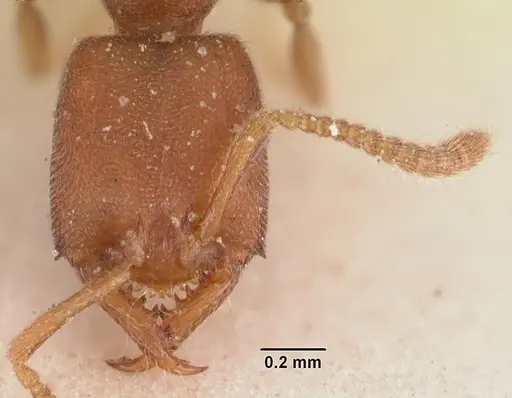
CASENT0915102
View on AntWeb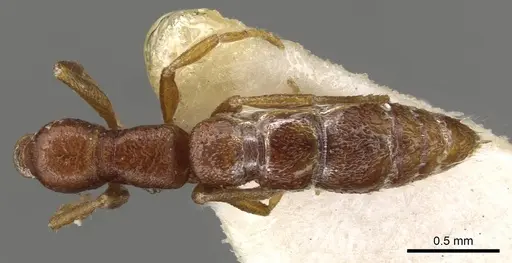
Literature
Loading...Loading products...