

Stigmatomma bellii
- Scientific Name
- Stigmatomma bellii
- Tribe
- Amblyoponini
- Subfamily
- Amblyoponinae
- Author
- Forel, 1900
- Distribution
- Found in 2 countries
Stigmatomma bellii Overview
Stigmatomma bellii is an ant species of the genus Stigmatomma. It is primarily documented in 2 countries , including India, Sri Lanka. Detailed taxonomic data and occurrence records can be further explored via authoritative databases such as AntWeb or the Global Biodiversity Information Facility (GBIF).
Stigmatomma bellii
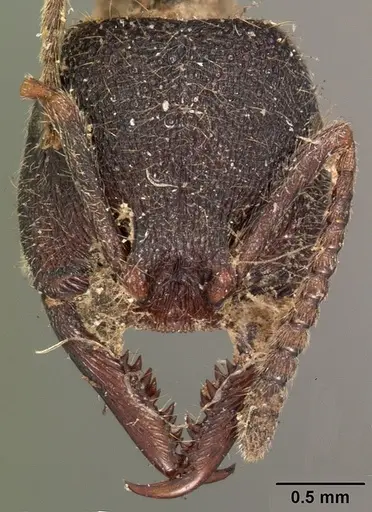
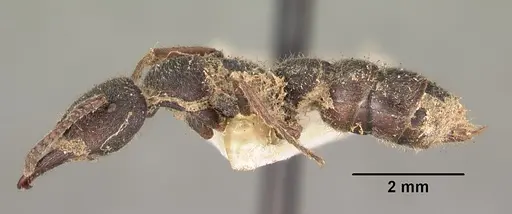
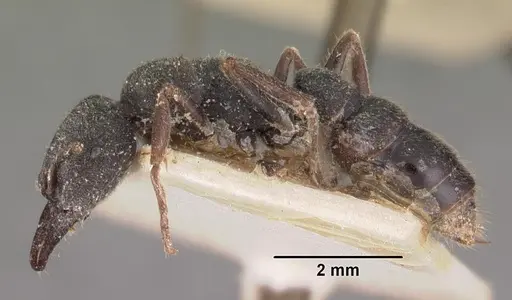
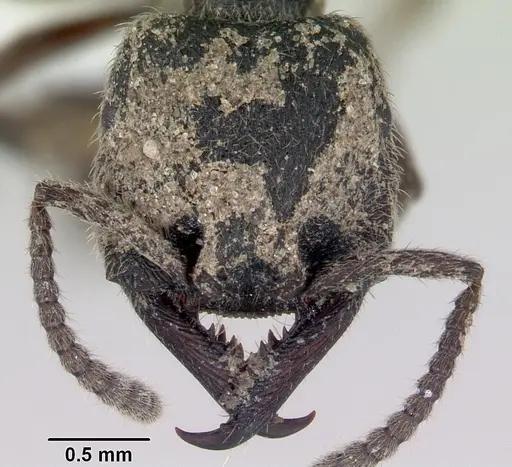
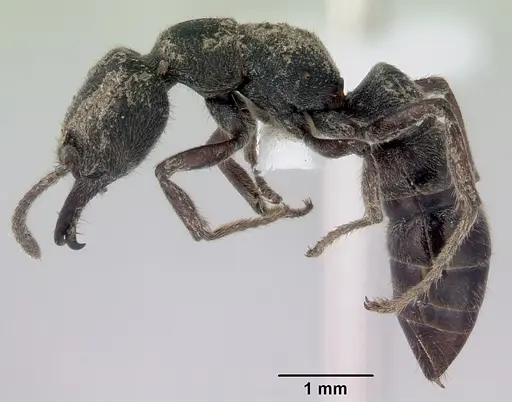
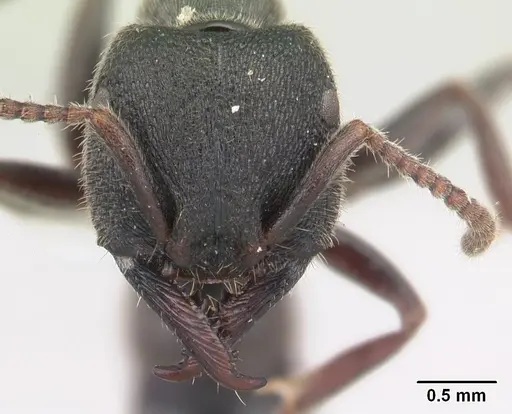
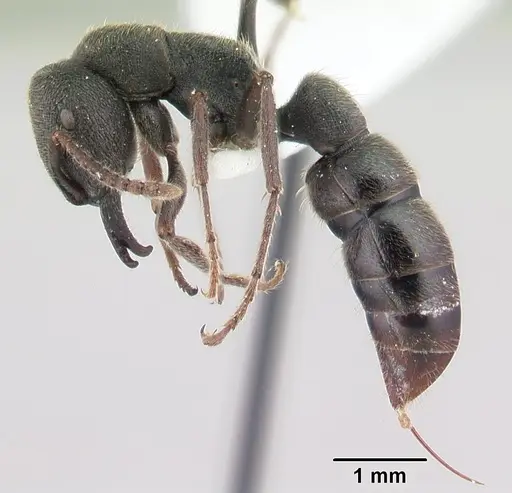
Stigmatomma bellii is a small predatory ant species native to India and Sri Lanka. Workers are blackish in color with a nearly square head that is as broad as long, measuring around 4-5mm. They have distinctive features including 12-segmented antennae and an anterior clypeal margin with more than 12 minute denticles. Their prominent eyes with distinct facets help them locate prey in their forest floor habitat [1][2]. This species belongs to the Amblyoponinae subfamily, commonly known as Dracula ants due to their unique feeding behavior of drinking hemolymph from the larvae of other ant species [3].
Quick Summary
- Difficulty: Expert
- Origin & Habitat: India and Sri Lanka in the Indomalayan region. Found in the Western Ghats and Eastern Himalayas, recorded from Karnataka, Kerala, Tamil Nadu, and West Bengal [4][5]. They live in tropical evergreen forests and ground foraging in rainforest environments.
- Colony Type: Likely monogyne (single queen) based on typical Amblyoponinae patterns. Colony sizes are small, typically under 100 workers.
- Colony: Monogyne
- Founding: Semi-claustral
- Size & Growth:
- Queen: Approximately 5-6mm (estimated based on genus patterns)
- Worker: Approximately 4-5mm [1]
- Colony: Likely under 100 workers (typical for Amblyoponinae)
- Growth: Slow
- Development: Estimated 8-12 weeks at warm temperatures based on related Amblyoponinae species (Development is slow compared to many common ant species. Temperature significantly affects development speed.)
- Antkeeping:
- Temperature: Keep at 24-28°C. They are a tropical species requiring warm, stable conditions [3].
- Humidity: High humidity preferred, think damp forest floor. Keep substrate consistently moist but not waterlogged.
- Diapause: Likely minimal or no true diapause given their tropical distribution. May reduce activity during cooler periods.
- Nesting: Natural nesting involves soil or rotting wood in shaded forest areas. In captivity, a naturalistic setup with moist substrate or a plaster/acrylic nest works well. They prefer dark, humid nest chambers.
- Behavior: Stigmatomma bellii is a specialized predator that hunts springtails and other small arthropods in the leaf litter. They are not aggressive toward humans but have functional stingers for subduing prey. Workers are small and can escape through small gaps, use fine mesh barriers. They are nocturnal or crepuscular foragers, often hunting at night when prey is more active.
- Common Issues: specialized diet makes feeding challenging, they need live prey, not just sugar water, slow growth tests keeper patience, colonies may take months to establish, escape prevention is critical due to small worker size, humidity control is essential, too dry and they die, too wet and mold becomes a problem, wild-caught colonies may have parasites that can devastate captive populations
Housing and Nest Setup
Stigmatomma bellii requires a humid, naturalistic setup that mimics their forest floor habitat. A naturalistic terrarium with moist soil, leaf litter, and hiding spots works well. You can also use a plaster or acrylic nest with narrow chambers, but ensure the nest material stays consistently damp. Cover the nest with a dark cloth or hide to simulate the dark, shaded conditions they prefer. A small outworld for foraging allows you to introduce live prey. Because workers are tiny, use fine mesh on any ventilation holes and apply fluon to barrier edges [1].
Feeding and Diet
As Dracula ants, Stigmatomma bellii are specialized predators that primarily hunt small arthropods in the leaf litter. Their main food should be live springtails, which you can culture separately or purchase. They may also accept other tiny live prey like fruit fly larvae, booklice, and small isopods. Unlike many ants, they do not rely heavily on sugar sources, their unique Dracula ant behavior involves wounding the larvae of other ant species to drink their hemolymph, but in captivity they can be sustained on small live prey [3]. Feed prey every 2-3 days, adjusting based on colony size and consumption rate. Remove uneaten prey to prevent mold.
Temperature and Seasonal Care
Keep your colony at 24-28°C, which matches their tropical forest habitat in India and Sri Lanka [3]. A heating cable on one side of the nest creates a temperature gradient so ants can choose their preferred zone. Avoid temperatures below 20°C for extended periods. Since they come from a tropical climate with minimal seasonal variation, they likely do not require a true diapause or hibernation period. However, you may notice reduced activity during cooler months, this is normal and you should reduce feeding accordingly. Stable temperatures are more important than exact numbers.
Colony Founding and Growth
Queens are semi-claustral, meaning they must leave the nest to hunt for food during the founding stage rather than living solely on stored fat reserves like claustral ants. This makes founding more challenging, the queen needs access to small live prey to survive and raise her first workers. Expect the first nanitic workers to appear after 8-12 weeks under optimal warm conditions, though this is estimated based on related species. Growth is slow, a mature colony may only reach 50-100 workers over several years. Be patient and avoid disturbing the founding chamber. Queens may seal themselves into a small chamber during egg-laying but will emerge to hunt. [3]
Behavior and Defense
Stigmatomma bellii workers are small but effective predators. They use their stingers to subdue prey rather than for defense against threats. These ants are not aggressive toward humans and will only sting if directly handled or threatened. The sting is mild compared to some tropical ants. Workers are nocturnal or crepuscular, becoming more active during dim light conditions. They forage individually or in small groups through the leaf litter, searching for springtails and other small prey. Their small size makes them excellent at accessing tight spaces in the substrate. [1][3]
Frequently Asked Questions
How long does it take for Stigmatomma bellii to raise first workers?
Expect 8-12 weeks from egg to first worker at optimal temperatures (24-28°C). This is slower than many common ant species. The first workers (nanitics) will be smaller than mature workers.
Can I keep Stigmatomma bellii in a test tube?
Test tubes can work for founding colonies if you maintain high humidity, but a naturalistic setup with moist substrate is better long-term. If using test tubes, use a second tube with water as a reservoir and wrap the nest portion in dark material.
What do Stigmatomma bellii eat?
They are specialized predators that need live small arthropods. Their primary food should be live springtails. They may also accept fruit fly larvae, tiny isopods, and other small live prey. They do not typically accept sugar water or honey.
Do Stigmatomma bellii ants sting?
Yes, they have functional stingers as members of the Amblyoponinae subfamily. However, they are not aggressive and stings are rare. If you are stung, the pain is typically mild.
Are Stigmatomma bellii good for beginners?
No, this is an expert-level species. Their specialized diet (live prey only), high humidity requirements, slow growth, and small size make them challenging. They are best suited for keepers with experience keeping predatory ant species.
How big do Stigmatomma bellii colonies get?
Colony sizes remain small, likely under 100 workers even at maturity. This is typical for Amblyoponinae species, which maintain smaller colonies compared to many Formicidae.
Do Stigmatomma bellii need hibernation?
No, they come from tropical regions in India and Sri Lanka and do not require hibernation. Keep them warm year-round at 24-28°C.
Why are my Stigmatomma bellii dying?
Common causes include: too dry humidity (they need damp conditions), lack of live prey (they cannot survive on sugar alone), temperatures below 20°C, escape through small gaps, or parasites from wild-caught colonies. Ensure proper humidity, provide live springtails regularly, and use fine mesh barriers.
Can I keep multiple queens together?
Not recommended. While colony structure is not fully studied, combining unrelated queens of this species has not been documented and may result in fighting. Keep one queen per colony.
When should I move them to a formicarium?
Wait until the colony has at least 15-20 workers before moving. Moving too early can stress the colony. A naturalistic setup with substrate is usually better than a bare formicarium for this species.
References

This caresheet is licensed under CC BY-SA 4.0 .
CASENT0102187
View on AntWeb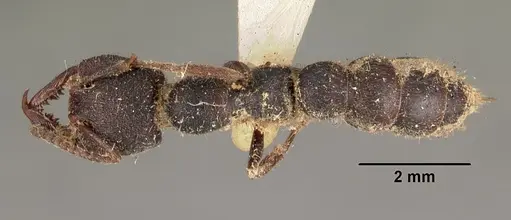
CASENT0102487
View on AntWeb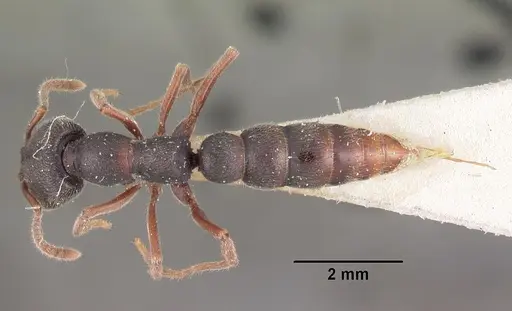
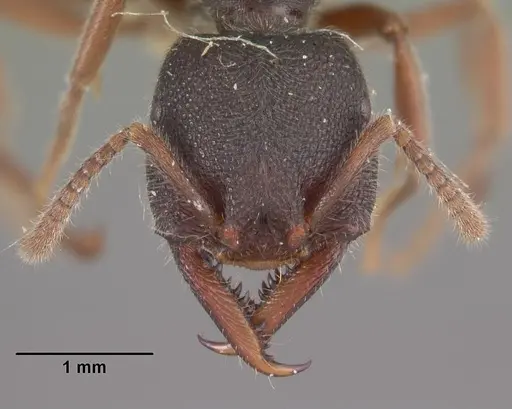
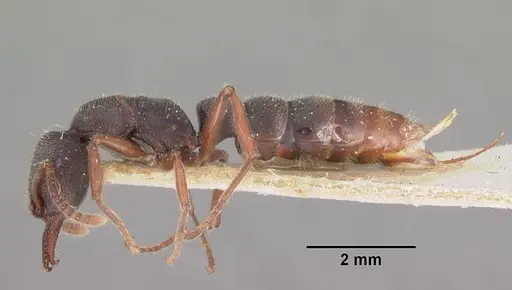
CASENT0102510
View on AntWeb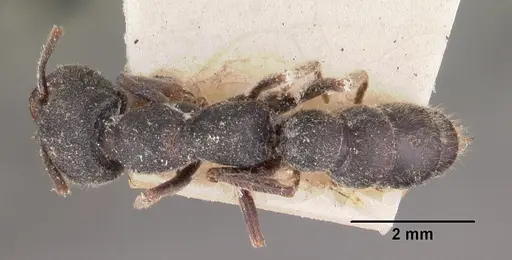
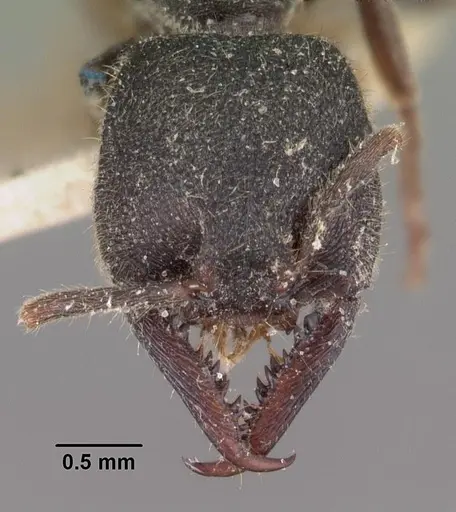
CASENT0172186
View on AntWeb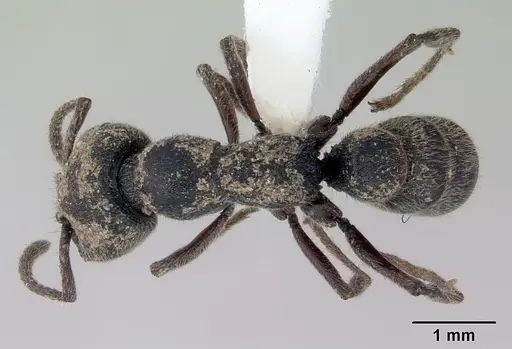
CASENT0179569
View on AntWeb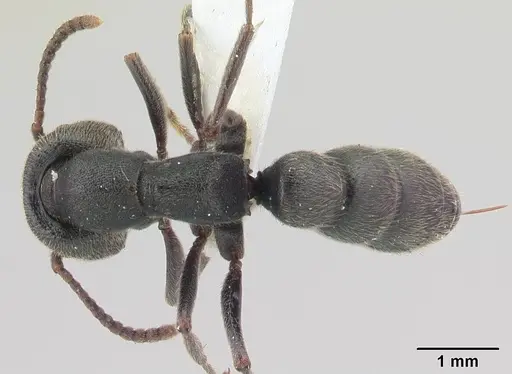
Literature
Loading...Loading products...