

Stigmacros termitoxena
- Scientific Name
- Stigmacros termitoxena
- Tribe
- Melophorini
- Subfamily
- Formicinae
- Author
- Wheeler, 1936
- Distribution
- Found in 1 countries
Stigmacros termitoxena Overview
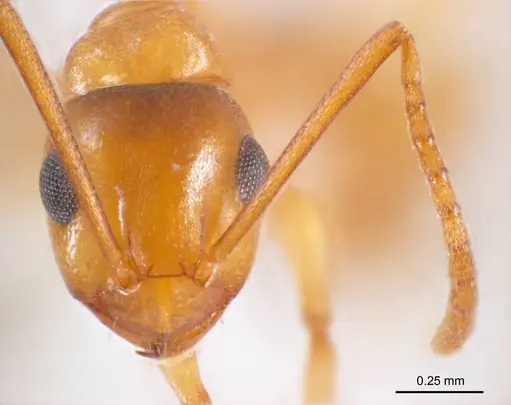
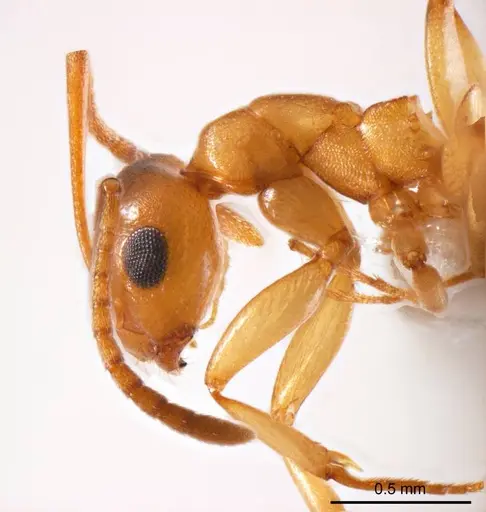
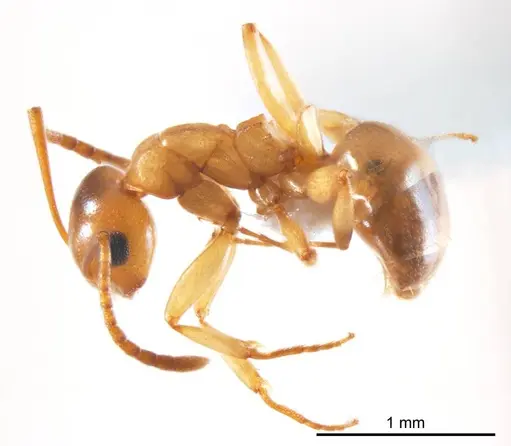
Stigmacros termitoxena is an ant species of the genus Stigmacros. It is primarily documented in 1 countries , including Australia. Detailed taxonomic data and occurrence records can be further explored via authoritative databases such as AntWeb or the Global Biodiversity Information Facility (GBIF).
Stigmacros termitoxena
Stigmacros termitoxena is a large species in the ant genus Stigmacros, native to Western Australia. These ants belong to the Formicinae subfamily and the Melophorini tribe [1]. The species was originally discovered associated with a termite mound, which is how it got its name 'termitoxena' [2][3]. Workers have 11 antennal segments including the scape [1]. This species is found in the more northern parts of the Southwest Australian Floristic Region as well as regions north of the Province [2][3].
Quick Summary
- Difficulty: Unknown, likely Moderate
- Origin & Habitat: Western Australia, particularly the northern parts of the Southwest Australian Floristic Region and areas north of the Province [2][3]. Originally discovered associated with termite mounds.
- Colony Type: Colony structure is unconfirmed, likely single-queen based on typical Stigmacros patterns but not documented.
- Size & Growth:
- Queen: Unknown, estimated 6-8mm based on genus Stigmacros size range
- Worker: Unknown, likely 3-5mm based on genus Stigmacros typical size
- Colony: Unknown, likely under 500 workers based on typical Stigmacros colony sizes
- Growth: Unknown, likely moderate
- Development: Unknown, estimated 6-10 weeks based on related Formicinae species in temperate regions (Direct development data unavailable for this species. Estimates based on typical Formicinae patterns.)
- Antkeeping:
- Temperature: Estimated 20-26°C, aim for room temperature around 22-24°C as a starting point. Adjust based on colony activity.
- Humidity: Likely moderate, Western Australia has dry to subtropical conditions. Provide a water tube and allow the ants to self-regulate humidity.
- Diapause: Likely required, Western Australia experiences cool winters. Provide a winter rest period around 10-15°C for 2-3 months.
- Nesting: Natural nesting is associated with termite mounds [2]. In captivity, a test tube setup works well for founding colonies. A small formicarium with soil or sand substrate would suit established colonies.
- Behavior: Behavior is poorly documented. As Formicinae ants, they likely have workers that can spray formic acid for defense rather than stinging. They are probably relatively docile compared to some other ant genera. Escape risk is likely moderate, use standard escape prevention with test tube setups.
- Common Issues: very limited scientific data makes care recommendations uncertain, colony founding may be slow due to limited documented breeding behavior, wild-caught colonies may have parasites or health issues, temperature and humidity requirements are estimates rather than confirmed needs, diapause requirements are inferred rather than directly studied
Origin and Distribution
Stigmacros termitoxena is endemic to Western Australia, specifically found in the northern parts of the Southwest Australian Floristic Region and areas to the north of the Province [2][3]. The species was originally described by W.M. Wheeler in 1936 after being discovered in association with a termite mound, which is how it earned its scientific name 'termitoxena' [2]. This association with termite mounds is notable and may indicate they prefer nesting in areas with termite activity, possibly benefiting from the warm, stable conditions that termite mounds provide. The species has also been recorded on Barrow Island off the coast of Western Australia [4].
Taxonomy and Identification
Stigmacros termitoxena belongs to the Formicinae subfamily and the Melophorini tribe [1]. Workers have 11 antennal segments including the scape, which is a key diagnostic feature for identification [1]. The genus Stigmacros contains relatively large ants compared to many other Australian ant genera. As Formicinae ants, they possess the characteristic ability to spray formic acid as a defensive mechanism rather than having a functional stinger. This makes them less dangerous to handle than some ant families.
Housing and Nesting
In captivity, Stigmacros termitoxena can be started in a standard test tube setup. The original colony was found associated with a termite mound [2], suggesting they may prefer nesting in warmer microhabitats. For established colonies, a small formicarium with a soil or sand substrate would work well. Ensure the nest has some moisture available but avoid waterlogging. As these ants are from Western Australia, they likely tolerate drier conditions better than many tropical species. Use standard escape prevention, while not among the smallest ants, they can still escape through small gaps.
Feeding and Diet
The specific diet of Stigmacros termitoxena has not been documented. As Formicinae ants in the Melophorini tribe, they likely have an omnivorous diet similar to other Australian ants in this group. Offer sugar water or honey as an energy source, and protein in the form of small insects like fruit flies, pinhead crickets, or mealworms. Observe your colony's preferences and adjust feeding accordingly. Provide a constant sugar source and offer protein 2-3 times per week.
Temperature and Seasonal Care
Based on their Western Australian origin, these ants likely experience seasonal temperature changes and would benefit from a winter rest period. Aim for temperatures around 22-26°C during the active season. During winter (roughly May-August in the Southern Hemisphere), reduce temperatures to around 10-15°C to simulate their natural seasonal cycle. This diapause period is important for colony health and may trigger reproductive behavior in the spring. Monitor your colony's activity levels, if they become less active in winter, the cooling is likely beneficial.
Behavior and Temperament
Specific behavioral observations for Stigmacros termitoxena are limited in the scientific literature. As Formicinae ants, they will likely show moderate aggression when their nest is disturbed and may spray formic acid as a defense. They are probably not aggressive foragers and likely establish relatively small colonies. The association with termite mounds in the original discovery suggests they may be tolerant of warm, termitarium-adjacent environments. Use gentle handling and avoid disturbing the nest frequently, especially during founding. [2]
Frequently Asked Questions
How long does it take for Stigmacros termitoxena to raise first workers?
The exact development timeline is unknown. Based on related Formicinae species, expect approximately 6-10 weeks from egg to first worker at optimal temperatures around 22-24°C. Patience is key as this species appears to be slow-growing.
What do Stigmacros termitoxena ants eat?
Their specific diet is unconfirmed. Offer sugar water or honey as a constant energy source, and protein like small insects (fruit flies, pinhead crickets, mealworms) 2-3 times per week. Adjust based on what your colony accepts.
Can I keep multiple Stigmacros termitoxena queens together?
This has not been documented. Based on typical Stigmacros patterns, single-queen colonies are likely. Do not combine unrelated foundress queens as fighting and colony failure is likely.
Do Stigmacros termitoxena need hibernation?
Based on their Western Australian origin, a winter rest period is likely beneficial. Provide 2-3 months at reduced temperatures around 10-15°C during winter (May-August in Southern Hemisphere).
How big do Stigmacros termitoxena colonies get?
Colony size is not documented, but based on typical Stigmacros species, colonies likely reach a few hundred workers at most. They are not among the largest ant species.
Are Stigmacros termitoxena good for beginners?
Difficulty level is unknown due to limited data. Start with a test tube setup and standard ant keeping practices. Be prepared for slower growth and limited documented care information.
What temperature should I keep Stigmacros termitoxena at?
Aim for 22-24°C as a starting point. They likely tolerate temperatures from roughly 20-26°C. Monitor colony activity and adjust slightly up or down based on how your ants respond.
Where is Stigmacros termitoxena found?
This species is native to Western Australia, particularly the northern parts of the Southwest Australian Floristic Region. It was originally discovered in association with termite mounds.
Why is it called Stigmacros termitoxena?
The name 'termitoxena' means 'guest of termites' in Latin. Wheeler named the species this way because the original colony was discovered living in association with a termite mound [2].
References

This caresheet is licensed under CC BY-SA 4.0 .
ANTWEB1008719
View on AntWeb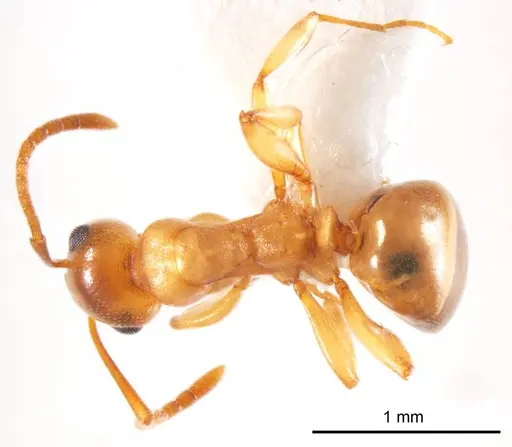
Literature
Loading...Loading products...