

Stigmacros reticulata
- Scientific Name
- Stigmacros reticulata
- Tribe
- Melophorini
- Subfamily
- Formicinae
- Author
- Clark, 1930
- Distribution
- Found in 1 countries
Stigmacros reticulata Overview
Stigmacros reticulata is an ant species of the genus Stigmacros. It is primarily documented in 1 countries , including Australia. Detailed taxonomic data and occurrence records can be further explored via authoritative databases such as AntWeb or the Global Biodiversity Information Facility (GBIF).
Stigmacros reticulata
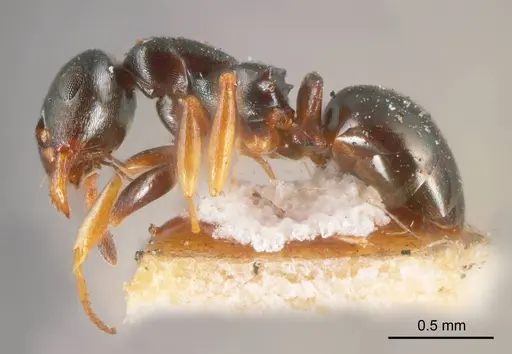
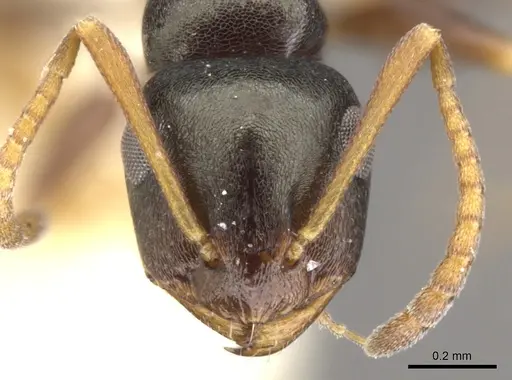
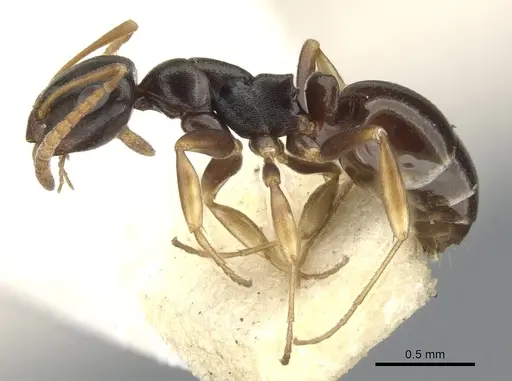
Stigmacros reticulata is a small to medium-sized ant belonging to the subfamily Formicinae, found exclusively in Australia. Workers display distinctive coloration that varies by region: shiny black in southern populations and reddish-and-black in eastern and northern areas [1]. This species inhabits white sand heathland and Banksia woodland environments, where it forages during daylight hours. When threatened or disturbed, workers exhibit a unique defensive behavior, they freeze completely and remain motionless for an extended period [1]. This freezing response is an anti-predator adaptation that helps them avoid detection. The genus Stigmacros belongs to the tribe Melophorini, and these ants are related to the more commonly kept Melophorus species.
Quick Summary
- Difficulty: Medium
- Origin & Habitat: Native to Australia, specifically white sand heathland and Banksia woodland habitats in the southern, eastern, and northern regions [1].
- Colony Type: Colony structure is unconfirmed. No published data exists on queen number or colony organization for this species.
- Size & Growth:
- Queen: Unknown, no measurements available in scientific literature
- Worker: Unknown, no measurements available in scientific literature
- Colony: Unknown, no colony size data published
- Growth: Unknown
- Development: Unknown, no development data available for this species. Estimates based on related Formicinae suggest 6-10 weeks at optimal temperature, but this is highly speculative. (Development timeline is unconfirmed. Related Melophorini species typically develop in 6-8 weeks under warm conditions.)
- Antkeeping:
- Temperature: Based on Australian habitat (heathland and Banksia woodland), likely prefers warm conditions. Start around 22-26°C and observe colony activity. Provide a temperature gradient allowing workers to self-regulate.
- Humidity: White sand heathland suggests relatively dry conditions. Keep nest substrate moderately dry to slightly damp, avoid excessive moisture. A dry-out period between waterings is appropriate.
- Diapause: Unknown, Australian temperate populations may require a mild winter rest period, but this is not documented.
- Nesting: Natural nesting habitat is likely soil or under stones in sandy areas. In captivity, a test tube setup works well for founding colonies. For established colonies, a Y-tong or plaster nest with some dry areas works. Avoid overly humid conditions.
- Behavior: Diurnal forager, active during daylight hours. Workers search for food and resources during the day. The most notable behavior is freezing when disturbed, workers stop moving completely and can remain immobile for some time. This is a passive defense mechanism. As Formicinae, they possess formic acid for defense rather than a stinger. Escape risk is moderate, workers are not extremely small but can fit through small gaps. Monitor for escape, especially with founding colonies.
- Common Issues: Very limited care information makes successful keeping more challenging, expect a learning curve, Colony development may be slow given lack of species-specific data, Winter care requirements are unknown and may require experimentation, Finding colony founders may be difficult as the species is not commonly kept, Freezing behavior may be mistaken for death or distress by inexperienced keepers
Natural History and Distribution
Stigmacros reticulata is endemic to Australia, found across multiple zones including southern, eastern, and northern regions. The species shows regional variation in coloration: southern populations appear shiny black while eastern and northern populations display a reddish-and-black pattern [1]. This variation suggests some geographic adaptation across their range. They inhabit specific Australian ecosystems, white sand heathland and Banksia woodlands, which are characterized by sandy soils, unique vegetation, and relatively open, often dry conditions. The Banksia woodlands of southwestern Australia are particularly known for their diverse insect fauna, and S. reticulata is part of this specialized ecosystem.
Defense and Behavior
The most distinctive behavioral trait of Stigmacros reticulata is its freezing response when disturbed. Unlike many ants that flee or attack when threatened, these workers stop moving entirely and remain motionless for an extended period [2]. This passive defense strategy helps them avoid predators that detect movement. As members of the subfamily Formicinae, they defend themselves by spraying formic acid rather than using a stinger. They are diurnal foragers, meaning they search for food during daylight hours rather than at night. This activity pattern aligns with their natural habitat in open woodland and heathland where daytime foraging is safe from many nocturnal predators.
Housing and Nesting
In captivity, start founding colonies in a simple test tube setup. The test tube provides the dark, enclosed space that queens need for claustral founding. Once the colony establishes and grows, you can transition to a small formicarium or Y-tong nest. Based on their natural habitat in white sand heathland, these ants likely prefer relatively dry conditions. Avoid overly humid setups, allow the nest to dry out partially between waterings. Provide a shallow water tube for drinking water. Since they are diurnal, placing the nest in a well-lit area during the day may encourage natural activity patterns, but avoid direct sunlight that could overheat the colony.
Feeding and Diet
Specific dietary requirements for S. reticulata are not documented in scientific literature. As Formicinae, they likely have a varied diet similar to related Melophorini ants. Offer sugar sources such as sugar water, honey, or diluted honey water as an energy source. For protein, provide small insects like fruit flies, small crickets, or mealworms. Since they are diurnal foragers, offer food during daylight hours when workers are naturally active. Remove uneaten protein after 24-48 hours to prevent mold. Start with small amounts and adjust based on what the colony consumes. The freezing behavior may make them appear less aggressive in food competition with other ants.
Temperature and Seasonal Care
Based on their Australian habitat, Stigmacros reticulata likely prefers warm conditions. Aim for temperatures in the 22-26°C range. A temperature gradient is beneficial, allow part of the nest to be slightly warmer while keeping another area cooler so workers can self-regulate. Use a heating cable or mat on one side of the nest if room temperature falls below this range. For winter care, the requirements are unknown. Australian temperate ants often experience mild winters, so a reduced temperature period (15-18°C) for 2-3 months may be appropriate, but this is an estimate rather than a confirmed requirement. Monitor colony behavior, if workers become less active and cluster together, they may be entering a rest period.
Frequently Asked Questions
How long does it take for Stigmacros reticulata to develop from egg to worker?
The egg-to-worker development time is unconfirmed for this species. Based on related Formicinae species in the Melophorini tribe, development likely takes 6-10 weeks at optimal warm temperatures (around 24-26°C). However, this is an estimate, actual development time may vary and has not been directly studied for S. reticulata.
What do Stigmacros reticulata ants eat?
Specific dietary data is not available for this species. Based on related Melophorini ants, they likely accept sugar sources (honey water, sugar water) and protein (small insects like fruit flies, tiny crickets, mealworms). Offer food during daylight hours since they are diurnal foragers.
Are Stigmacros reticulata good for beginners?
This species is not ideal for complete beginners due to limited available care information. The lack of species-specific data means keepers must rely on estimates and analogies to related species. However, antkeepers with some experience who enjoy working with less-documented species may find this a rewarding challenge.
How big do Stigmacros reticulata colonies get?
Colony size data is not published for this species. Based on related Melophorini, colonies likely reach several hundred workers at maximum, but this is speculative. The growth rate is also unknown.
Do Stigmacros reticulata need hibernation or diapause?
Winter care requirements are unconfirmed for this species. Based on their Australian distribution in temperate regions, a mild winter rest period at reduced temperatures (15-18°C) for 2-3 months may be beneficial, but this is an estimate rather than a confirmed requirement.
Why do my Stigmacros reticulata freeze when I observe them?
This is normal behavior, freezing when disturbed is a documented trait of this species [1]. Workers stop moving completely and remain immobile for some time as a defensive strategy against predators. This is not a sign of illness or distress.
Can I keep multiple Stigmacros reticulata queens together?
Colony structure (monogyne vs polygyne) is unconfirmed for this species. No published data exists on whether they accept multiple queens. Until more information is available, it is not recommended to combine unrelated queens.
What temperature should I keep my Stigmacros reticulata colony at?
Based on their Australian habitat, aim for 22-26°C. A temperature gradient allowing self-regulation is ideal. If room temperature is below this range, use a heating cable on one side of the nest.
When should I move my colony from a test tube to a formicarium?
Move to a formicarium when the colony reaches moderate size (typically 20-50 workers) and the test tube water reservoir is running low. For this species, which likely prefers drier conditions, ensure the new setup does not retain excessive humidity.
References

This caresheet is licensed under CC BY-SA 4.0 .
ANTWEB1008351
View on AntWeb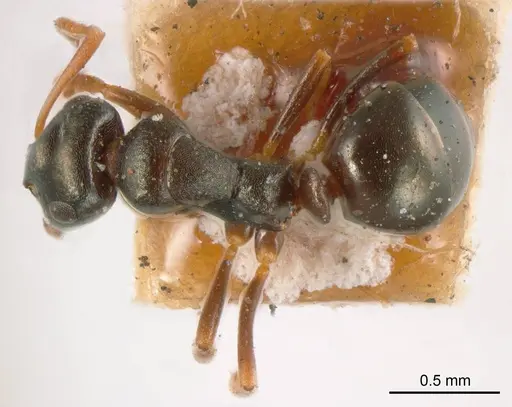
CASENT0903231
View on AntWeb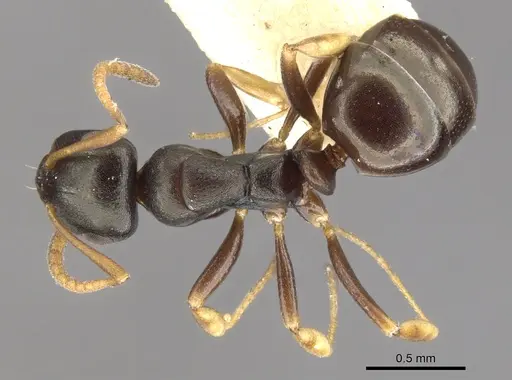
Literature
Loading...Loading products...