

Stigmacros punctatissima
- Scientific Name
- Stigmacros punctatissima
- Tribe
- Melophorini
- Subfamily
- Formicinae
- Author
- McAreavey, 1957
- Distribution
- Found in 1 countries
Stigmacros punctatissima Overview
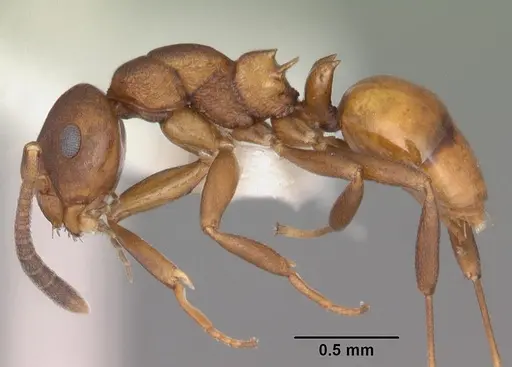
Stigmacros punctatissima is an ant species of the genus Stigmacros. It is primarily documented in 1 countries , including Australia. Detailed taxonomic data and occurrence records can be further explored via authoritative databases such as AntWeb or the Global Biodiversity Information Facility (GBIF).
Stigmacros punctatissima
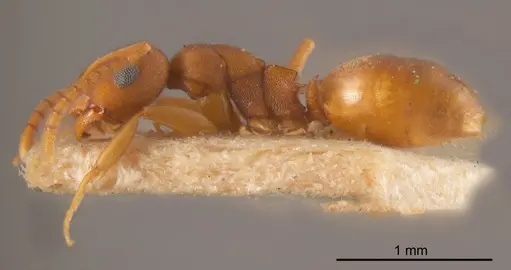
Stigmacros punctatissima is a small ant species native to Australia, belonging to the subfamily Formicinae and tribe Melophorini [1]. Workers are modest in size, typically measuring 3-5mm, with the genus known for its relatively compact body plan and characteristic body sculpturing that gives these ants their 'punctated' or pitted appearance. The species was formally described by McAreavey in 1957 from Australian specimens [1].
As a member of the Formicinae subfamily, these ants defend themselves by spraying formic acid rather than using a stinger, a key consideration for handling. The Melophorini tribe contains various Australian ants often adapted to warmer, drier conditions. While specific behavior data for S. punctatissima is limited, the genus is generally known for active foraging and moderate colony sizes. This species remains relatively obscure in both scientific literature and the antkeeping hobby, making it an interesting choice for keepers seeking something uncommon.
Quick Summary
- Difficulty: Medium
- Origin & Habitat: Native to Australia, specifically documented from Western Australia [1]. The species inhabits typical Australian environments, likely preferring warmer and relatively drier conditions consistent with the Melophorini tribe preferences.
- Colony Type: Likely monogyne (single-queen colonies) based on typical Melophorini patterns, though colony structure has not been specifically documented for this species.
- Colony: Monogyne
- Founding: Claustral
- Size & Growth:
- Queen: Estimated 5-7mm based on genus-level patterns for Stigmacros species
- Worker: Estimated 3-5mm based on genus descriptions
- Colony: Likely small to moderate colonies, typical for the genus, possibly reaching several hundred workers
- Growth: Moderate, estimated based on related Formicinae species
- Development: Estimated 6-10 weeks at optimal temperature based on typical Formicinae development patterns (Development time is inferred from related species, specific data for this species is unavailable)
- Antkeeping:
- Temperature: Keep at 22-26°C, providing a gentle temperature gradient. Australian origin suggests they tolerate warmer conditions, room temperature (around 24°C) is likely suitable.
- Humidity: Moderate humidity around 50-60%. These ants likely prefer drier conditions than many tropical species, allow the nest to dry out partially between water additions.
- Diapause: Likely required. Australian temperate ants typically need a winter rest period of 8-12 weeks at 10-15°C. Reduce feeding and keep them cool during this period.
- Nesting: Y-tong (AAC) nests or plaster nests work well. Provide a dry to moderately humid nest chamber with some moisture gradient options. They likely nest in soil or under stones in the wild.
- Behavior: Active foragers that likely search for both sugar sources and small prey. As Formicinae, they will spray formic acid when threatened, this is harmless to humans but worth knowing for handling. Workers are moderate in size and reasonably agile. Escape risk is moderate, standard formicarium barriers should suffice, but check for gaps regularly.
- Common Issues: Limited availability, this species is rarely available in the antkeeping hobby, making founding colonies difficult, Lack of species-specific care data means keepers must rely on genus-level inferences, Formic acid spraying may surprise new keepers, this is normal defense behavior, Australian species may not tolerate cool, damp conditions, avoid overwatering the nest, Growth rate may be slow initially, patience is required during founding phase
Housing and Nest Setup
For Stigmacros punctatissima, a Y-tong (AAC) nest or plaster formicarium provides ideal conditions. These ants prefer a relatively dry nest environment with a small water chamber to maintain moderate humidity. The nest chambers should be appropriately sized for their worker size, tight enough that workers feel secure but spacious enough for colony growth. An outworld area allows for foraging, and you can connect multiple formicaria as the colony expands. Because they spray formic acid, avoid using materials that could be damaged by formic acid exposure, acrylic and plaster work well. A test tube setup can work for founding colonies, but you'll need to transition them to a proper formicarium as the colony grows.
Feeding and Diet
Like other Formicinae, Stigmacros punctatissima likely accepts a varied diet. Offer sugar water, honey, or diluted syrup as a constant carbohydrate source. For protein, provide small insects such as fruit flies, small crickets, or mealworm pieces. Given their modest size, prey items should be appropriately sized, not larger than the workers themselves. Some Melophorini species are known to store honeydew, so they may also accept sweet liquids. Feed protein sources 2-3 times per week, and keep sugar water available at all times. Remove uneaten prey after 24 hours to prevent mold.
Temperature and Seasonal Care
Maintain temperatures between 22-26°C for optimal colony health and brood development. A heating cable on one side of the nest can create a temperature gradient, allowing ants to self-regulate. During Australian winter (roughly June-August in the Southern Hemisphere), the colony will benefit from a diapause period. Reduce temperature to 10-15°C, stop feeding protein, and keep sugar water available but check less frequently. This winter rest typically lasts 8-12 weeks. Do not feed during deep hibernation. After hibernation, gradually warm the colony back to room temperature over 1-2 weeks before resuming normal feeding.
Behavior and Handling
Stigmacros punctatissima workers are active foragers that will readily explore their outworld in search of food. When threatened or disturbed, Formicinae ants spray formic acid as a defense mechanism, this is their primary weapon since they lack a functional stinger. The spray is harmless to humans but can be startling. Handle the nest gently and avoid vibrations that might trigger defensive responses. Workers are not particularly large or aggressive, making them manageable for most antkeepers. Observe their foraging behavior in the evening hours, as many Melophorini species are more active during cooler parts of the day.
Colony Growth and Development
A newly mated queen will found her colony claustrally, sealing herself in a small chamber and raising the first brood using energy from her fat reserves. The first workers (nanitics) will be smaller than mature workers and typically appear within 6-10 weeks under optimal conditions. After the nanitics emerge, the queen stops foraging entirely and focuses on egg-laying while workers take over all colony tasks. Growth is initially slow but accelerates once the first workers begin foraging. A mature colony may reach several hundred workers over 1-3 years depending on conditions. Patience is essential during the founding phase, many colonies fail because keepers disturb the queen too frequently.
Frequently Asked Questions
How long does it take for Stigmacros punctatissima to produce first workers?
Expect first workers (nanitics) to emerge in approximately 6-10 weeks after the queen lays eggs, assuming optimal temperature around 24-26°C. This timeline is based on typical Formicinae development patterns since species-specific data is unavailable.
What temperature do Stigmacros punctatissima ants need?
Keep them at 22-26°C. Room temperature around 24°C is typically suitable. A slight temperature gradient in the nest allows the colony to regulate its own conditions.
Can I keep multiple queens together in one colony?
This is not recommended. While colony structure has not been documented for this species, Stigmacros is likely monogyne (single-queen). Combining unrelated queens typically results in fighting and colony failure.
Do Stigmacros punctatissima need hibernation?
Yes, a diapause period is likely required. Reduce temperatures to 10-15°C for 8-12 weeks during winter. This mimics their natural seasonal cycle in Australia and supports healthy colony development.
What do Stigmacros punctatissima ants eat?
They accept sugar sources (honey, sugar water, syrup) and protein (small insects like fruit flies, crickets, mealworms). Feed protein 2-3 times weekly with sugar water always available.
Is Stigmacros punctatissima good for beginners?
This species is rated Medium difficulty primarily due to limited availability and care information. If you can source a queen or colony, their care requirements are straightforward, moderate temperature, moderate humidity, and standard antkeeping practices apply.
How big do Stigmacros punctatissima colonies get?
Based on genus patterns, colonies likely reach several hundred workers at maturity. Exact maximum size is unknown since this species has not been extensively studied in captivity.
When should I move Stigmacros punctatissima from a test tube to a formicarium?
Move them once the colony reaches 20-30 workers and the test tube's water reservoir is running low, or when the colony shows signs of outgrowing the space. Ensure the formicarium is appropriately sized, too large a space can stress small colonies.
Why is my Stigmacros punctatissima colony not growing?
Common causes include temperatures that are too low (below 20°C), excessive humidity causing stress, insufficient protein in the diet, or disturbing the queen too frequently during founding. Check temperature, reduce nest moisture if damp, ensure regular protein feeding, and minimize disturbances.
References

This caresheet is licensed under CC BY-SA 4.0 .
ANTWEB1008348
View on AntWeb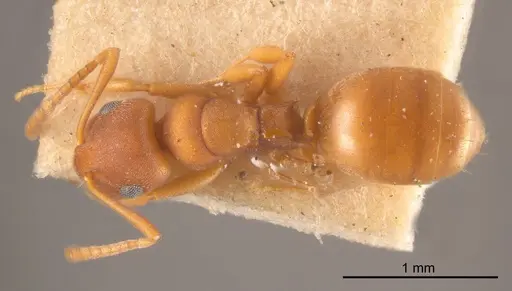
PSW8215-2
View on AntWeb
Literature
Loading...Loading products...