

Stigmacros flava
- Scientific Name
- Stigmacros flava
- Tribe
- Melophorini
- Subfamily
- Formicinae
- Author
- McAreavey, 1957
- Distribution
- Found in 1 countries
Stigmacros flava Overview
Stigmacros flava is an ant species of the genus Stigmacros. It is primarily documented in 1 countries , including Australia. Detailed taxonomic data and occurrence records can be further explored via authoritative databases such as AntWeb or the Global Biodiversity Information Facility (GBIF).
Stigmacros flava
Stigmacros flava is a tiny, very pale ant species native to Western Australia, specifically found near Perth. Workers are small and delicate, characteristic of the Stigmacros genus which belongs to the Formicinae subfamily and Melophorini tribe. This species is known for its pale coloration, distinguishing it from other darker Stigmacros species. As with other members of this genus, these ants are small foragers that likely nest in soil or under stones in their natural habitat around Perth [1].
The Stigmacros genus contains around 20 Australian species, and S. flava represents one of the paler forms in this group. While specific behaviors are not well documented, these ants are expected to be generalist foragers similar to other Melophorini species, feeding on small insects, honeydew, and nectar. They are not aggressive and, being Formicinae, they defend themselves by spraying formic acid rather than stinging.
Quick Summary
- Difficulty: Medium
- Origin & Habitat: Western Australia near Perth, Mediterranean climate with mild winters and warm, dry summers. They inhabit arid to semi-arid regions and nest in soil or under stones.
- Colony Type: Likely monogyne (single queen) based on typical genus patterns, though colony structure is unconfirmed for this specific species.
- Colony: Monogyne
- Founding: Claustral
- Size & Growth:
- Queen: Estimated 5-7mm based on genus patterns, not directly measured for this species
- Worker: Estimated 2-3mm based on genus typical size, worker described but exact measurements not specified [1]
- Colony: Likely small colonies of under 100 workers based on typical Stigmacros colony sizes
- Growth: Moderate, based on typical Melophorini development patterns
- Development: Estimated 6-10 weeks at optimal temperature based on related Melophorini species (Development timeline is estimated from genus-level data, not directly studied for this species)
- Antkeeping:
- Temperature: Keep at 22-26°C, mimicking mild Australian conditions. A slight temperature gradient allows workers to regulate their exposure to warmth.
- Humidity: Moderate humidity around 50-60%. These ants come from relatively dry Australian habitats, so avoid overly damp conditions. Provide a moisture gradient with a damp section and a drier section.
- Diapause: Likely required, Australian ants from temperate regions typically need a winter rest period. Provide 2-3 months at 10-15°C during winter.
- Nesting: Y-tong (AAC) nests or test tube setups work well. These tiny ants need tight chambers and narrow passages scaled to their small size. A naturalistic setup with stones over moist substrate also works.
- Behavior: Generally peaceful and non-aggressive. Workers are small and active, foraging for small prey and sugar sources. As Formicinae, they can spray formic acid as defense but pose minimal threat to keepers. Their tiny size means escape prevention is critical, they can squeeze through very small gaps. They are likely diurnal foragers, active during warmer parts of the day.
- Common Issues: escape prevention is critical due to their very small size, use fine mesh and tight-fitting lids, limited data means care requirements are estimated from genus patterns rather than species-specific research, slow colony growth can frustrate beginners, these are not fast-growing ants, overheating risk is significant, keep away from direct heat sources and strong lighting, wild-caught colonies may have parasites or diseases that can cause colony failure
Housing and Nest Setup
For such tiny ants, you'll need a nest with appropriately scaled chambers. Y-tong (AAC) nests work excellently because they provide tight, humid chambers that these small ants can manage. Alternatively, a well-humidified test tube setup with a cotton barrier can work for founding colonies. The key is ensuring passages are narrow enough that workers don't get lost in open spaces. A naturalistic setup with flat stones placed over moist soil also mimics their natural environment and allows you to observe their behavior. Whatever nest type you choose, ensure excellent escape prevention, these tiny ants can slip through gaps that seem impossible. [1]
Feeding and Diet
Like other Melophorini ants, Stigmacros flava likely accepts a varied diet of small insects, honeydew, and nectar. For protein, offer small prey items like fruit flies, pinhead crickets, or tiny mealworms. These ants are small, so prey should be appropriately sized, no larger than the ants themselves. Sugar sources are important too: offer diluted honey water, sugar water, or small drops of honey. A constant sugar source helps maintain worker energy. Feed protein roughly twice weekly, and remove any uneaten prey after 24 hours to prevent mold.
Temperature and Seasonal Care
Maintain temperatures in the 22-26°C range during the active season. These ants come from the Perth region which has a Mediterranean climate, warm, dry summers and mild winters. A heating cable on one side of the nest can create a temperature gradient, allowing workers to move to warmer or cooler areas as needed. During the Australian winter (roughly June-August in the Southern Hemisphere), reduce temperatures to 10-15°C for 2-3 months to simulate their natural seasonal cycle. This diapause period is important for colony health and may trigger reproductive behavior the following spring.
Behavior and Temperament
Stigmacros flava workers are small, active, and generally peaceful. They are diurnal foragers, likely becoming most active during warmer parts of the day. As Formicinae ants, they possess formic acid for defense but are not aggressive toward keepers and pose minimal danger. Their small size means they are excellent escape artists, always use fine mesh on any ventilation holes and ensure lid seals are tight. Observe their foraging behavior, which typically involves workers searching for small prey and sugar sources. They likely use chemical trails to mark food routes, a common behavior in small Formicinae.
Frequently Asked Questions
How long does it take for Stigmacros flava to raise first workers?
Based on typical Melophorini development, expect 6-10 weeks from egg to first worker at optimal temperature (around 24°C). This is an estimate from genus-level data, as no species-specific development timeline exists.
Can I keep Stigmacros flava in a test tube?
Yes, test tubes work well for founding colonies. Use a small test tube with a water reservoir separated by a cotton barrier. Ensure the tube is kept humid but not flooded, and transfer to a proper nest once the colony reaches 20-30 workers.
What do Stigmacros flava eat?
They likely accept small insects (fruit flies, pinhead crickets, tiny mealworms) for protein, and sugar sources (honey water, sugar water, honey) for energy. This is based on typical Melophorini diet preferences.
Do Stigmacros flava need hibernation?
Yes, a winter diapause period of 2-3 months at 10-15°C is recommended. This mimics their natural seasonal cycle in Western Australia and helps maintain colony health.
How big do Stigmacros flava colonies get?
Based on typical Stigmacros species, colonies likely reach 50-100 workers at maturity. They are not large colony formers like some Camponotus or Myrmica species.
Are Stigmacros flava good for beginners?
They are moderate difficulty, not the easiest but not challenging either. The main considerations are escape prevention due to their tiny size and providing appropriate seasonal care with hibernation.
When should I move my colony to a formicarium?
Move to a proper nest (Y-tong, plaster, or naturalistic) once the colony reaches 20-30 workers. Test tubes become difficult to maintain at larger sizes, and a proper nest provides better humidity control.
Why are my Stigmacros flava dying?
Common causes include: escape through tiny gaps, improper humidity (too wet or too dry), temperature stress (too hot or cold), or poor nutrition. Check that escape prevention is excellent and that temperatures are in the 22-26°C range.
Can I keep multiple queens together?
Not recommended. While colony structure is unconfirmed for this species, Stigmacros are typically monogyne (single queen). Combining unrelated queens often leads to fighting.
References

This caresheet is licensed under CC BY-SA 4.0 .
ANTWEB1008337
View on AntWeb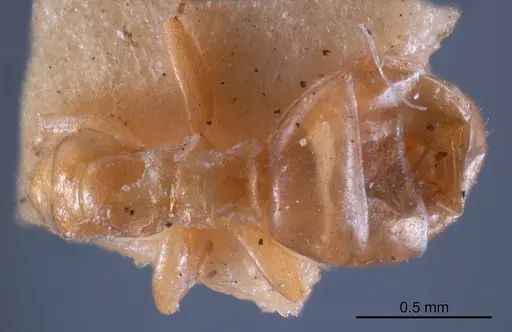
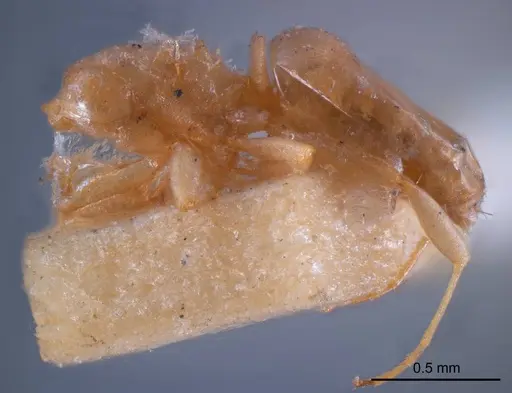
Literature
Loading...Loading products...