

Stigmacros aemula
- Scientific Name
- Stigmacros aemula
- Tribe
- Melophorini
- Subfamily
- Formicinae
- Author
- Forel, 1907
- Distribution
- Found in 1 countries
Stigmacros aemula Overview
Stigmacros aemula is an ant species of the genus Stigmacros. It is primarily documented in 1 countries , including Australia. Detailed taxonomic data and occurrence records can be further explored via authoritative databases such as AntWeb or the Global Biodiversity Information Facility (GBIF).
Stigmacros aemula
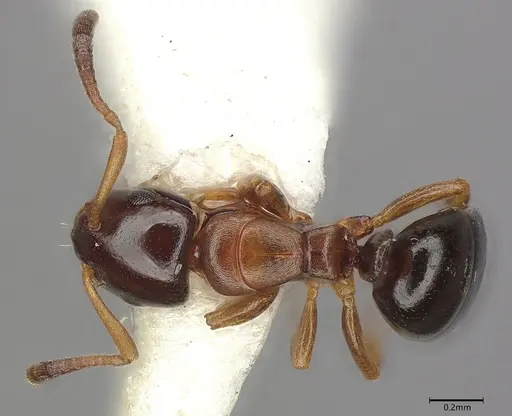
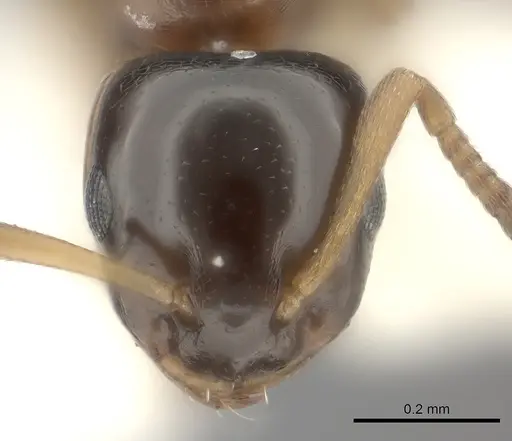
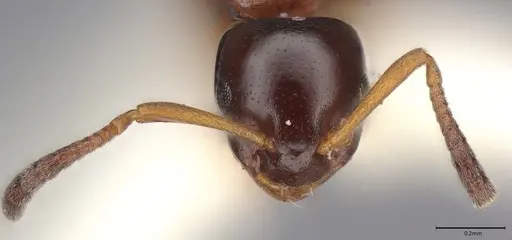
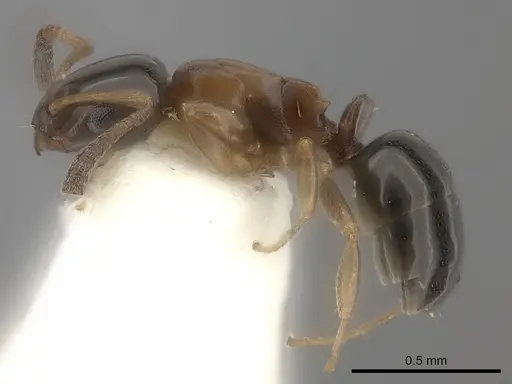
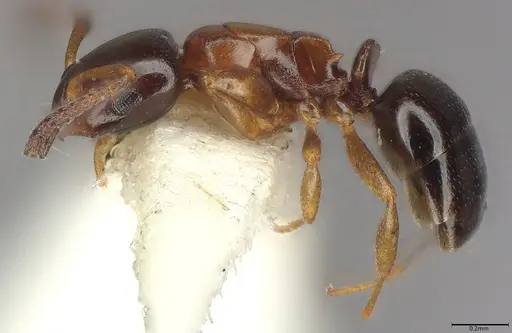
Stigmacros aemula is a small, shiny brown-and-black ant native to Western Australia. Workers are tiny ants that forage during the day (diurnal) and typically nest directly into soil, often forming clusters of multiple nests in one area [1]. This species is the most common member of the subgenus Campostigmacros and is frequently found in Perth gardens across the Swan coastal plain and adjacent parts of the Darling Range [1]. The colony structure is notable for having ergatogynes, larger wingless queens with three small eyes (ocelli) on their head that workers lack, which actively excavate nests and forage alongside workers [1]. Queens measure 2-2.6mm when dealated (after losing wings), making this one of the smaller ant species kept in captivity.
Quick Summary
- Difficulty: Medium
- Origin & Habitat: Western Australia, specifically the Swan coastal plain and adjacent parts of the Darling Range around Perth [1]. Naturally inhabits garden environments and soils in this temperate Australian region.
- Colony Type: Colonies appear to have ergatoid replacement queens (ergatogynes), wingless queens with ocelli that coexist with workers and participate in nest excavation and foraging [1]. The presence of these replacement reproductives suggests single-queen colonies with ergatoid succession.
- Colony: Monogyne
- Size & Growth:
- Queen: 2-2.6mm (dealated queen)
- Worker: Small (exact measurements not specified in available literature)
- Colony: Unknown, no specific colony size data available
- Growth: Moderate, likely inferable from related Melophorini species
- Development: Unknown, no direct development data for this species. Estimates based on related Formicinae would suggest 6-10 weeks at optimal temperature. (Development timeline unconfirmed for this species. Related Melophorini ants typically take 6-10 weeks from egg to first worker.)
- Antkeeping:
- Temperature: Keep at room temperature around 20-24°C. As a Western Australian species from temperate latitudes, they likely prefer moderate temperatures without extreme heat.
- Humidity: Maintain moderate humidity. Since they nest directly into soil in nature, the substrate should be kept moist but not waterlogged. Allow some drying between waterings.
- Diapause: Likely requires a mild winter rest period (diapause) given their temperate Australian origin. Reduce feeding and keep at cooler temperatures (10-15°C) for 2-3 months during winter.
- Nesting: Soil-nesting species, will do well in naturalistic setups with compact soil or a plaster/acrylic nest with soil chamber. They excavate their own chambers, so a diggable substrate works best.
- Behavior: Generally peaceful and non-aggressive. As Formicinae ants, they can spray formic acid as a defense but are not dangerous to humans. They forage during the day (diurnal) and workers actively search for food. Their small size means escape prevention is important, they can slip through small gaps. Ergatoid queens actively participate in colony activities including foraging, which is unusual compared to many other ant species.
- Common Issues: small size makes escape prevention critical, use fine mesh and tight-fitting lids, limited availability in the antkeeping hobby since they're not commonly traded, winter diapause requirements may be unfamiliar to keepers in warmer climates, soil-nesting preference means they may not adapt well to test tube setups, ergatoid queens foraging outside the nest may alarm new keepers but this is normal behavior
Housing and Nest Setup
Stigmacros aemula is a soil-nesting species that prefers naturalistic setups with diggable substrate. A naturalistic terrarium with compact soil (about 5-8cm deep) works well, or you can use a plaster/acrylic nest with a soil chamber. They excavate their own tunnels, so the substrate should be compact enough to hold tunnels but not so hard they cannot dig. Avoid test tube setups, these ants are adapted to soil and may not thrive in artificial setups without proper substrate. The outworld (foraging area) should be escape-proof since their small size allows them to slip through tiny gaps. Use fine mesh on any ventilation holes. [1]
Feeding and Diet
Like most Formicinae, these ants likely have an omnivorous diet. They probably consume honeydew from aphids and scale insects, as well as small insects for protein. Offer sugar water or honey water as a constant carbohydrate source. For protein, small fruit flies, pinhead crickets, or other tiny insects work well. Since they forage diurnally, offer food during daylight hours when workers are active. Remove uneaten food after 24-48 hours to prevent mold. The presence of ergatoid queens actively foraging suggests the colony may have higher energy demands than typical claustral species. [1]
Temperature and Seasonal Care
Keep the nest area at moderate temperatures around 20-24°C. As ants from the Perth region of Western Australia (temperate climate), they experience seasonal temperature variations. During Australian winter (our summer months), consider providing a mild cooling period. Reduce temperatures to around 10-15°C for 2-3 months in winter and reduce feeding significantly. This mimics their natural cycle. Avoid temperatures above 30°C or below 10°C. A heating cable on one side of the nest can create a temperature gradient allowing ants to choose their preferred zone. [1]
Behavior and Colony Dynamics
This species has a unique social structure among ants, ergatoid queens (wingless queens with three ocelli on their head) actively participate in colony activities including excavating nests and foraging alongside workers [1]. This is different from most ant species where the queen remains hidden in the nest after mating. Workers are diurnal foragers, actively searching for food during daylight hours. The colony may form clusters of multiple nests [1], which suggests they may tolerate or even prefer multi-nest setups in captivity. They are not aggressive and rely on formic acid spray for defense rather than stinging. Their small size and active foraging make them interesting to observe.
Escape Prevention
Due to their very small size, excellent escape prevention is essential. Use tight-fitting lids on all enclosures. Ventilation holes must be covered with fine mesh (at least 0.5mm or finer). Check all seams and edges regularly, these tiny ants can squeeze through impossibly small gaps. A barrier of fluon or petroleum jelly on container rims helps prevent escapes. When setting up the outworld, ensure all entry points are sealed. This is not an optional precaution, small ant species are expert escape artists. [1]
Frequently Asked Questions
How long does it take for Stigmacros aemula to produce first workers?
The exact development timeline is unconfirmed for this species. Based on related Formicinae ants, expect approximately 6-10 weeks from egg to first worker at optimal temperature (around 22-24°C). Nanitics (first workers) will be smaller than normal workers.
Can I keep Stigmacros aemula in a test tube setup?
Not recommended. This is a soil-nesting species that naturally excavates nests directly into soil. They may not adapt well to artificial test tube setups without proper substrate. A naturalistic setup with compact soil or a formicarium with a soil chamber is preferable.
Are Stigmacros aemula good for beginners?
This is a moderately difficult species to keep. While relatively peaceful, they have specific requirements including soil-nesting preference, potential diapause needs, and escape prevention challenges due to their small size. They are also rarely available in the antkeeping hobby.
Do Stigmacros aemula need hibernation?
Likely yes. As a species from temperate Western Australia, they probably require a mild winter rest period. Reduce temperatures to around 10-15°C for 2-3 months during winter and reduce feeding significantly.
Why do the queens of Stigmacros aemula forage outside the nest?
This species has ergatoid queens, wingless queens with ocelli (three small eyes on their head) that workers lack. Unlike typical ant queens that remain hidden after founding, these ergatoid queens actively participate in nest excavation and foraging alongside workers. This is normal behavior for this species.
How big do Stigmacros aemula colonies get?
The maximum colony size is unknown. However, they often form clusters of multiple nests in nature, which may indicate larger colony structures. Expect moderate colony sizes based on related Melophorini species.
What do Stigmacros aemula eat?
They are omnivorous like most Formicinae. Offer sugar water or honey water as a constant carbohydrate source. For protein, provide small insects like fruit flies, pinhead crickets, or other tiny prey. They forage during the day, so offer food during daylight hours.
References

This caresheet is licensed under CC BY-SA 4.0 .
CASENT0217812
View on AntWeb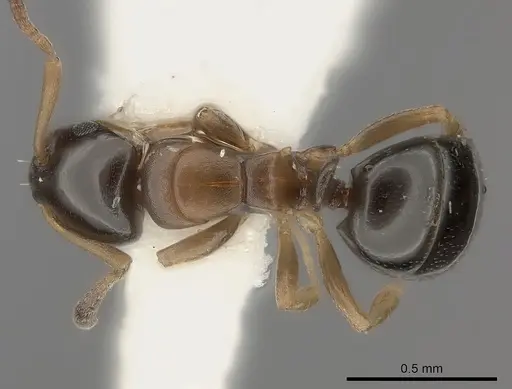
Literature
Loading...Loading products...