

Stictoponera ortostoma
- Scientific Name
- Stictoponera ortostoma
- Tribe
- Ectatommini
- Subfamily
- Ectatomminae
- Author
- Lattke, 2004
- Distribution
- Found in 1 countries
Stictoponera ortostoma Overview
Stictoponera ortostoma is an ant species of the genus Stictoponera. It is primarily documented in 1 countries , including Malaysia. Detailed taxonomic data and occurrence records can be further explored via authoritative databases such as AntWeb or the Global Biodiversity Information Facility (GBIF).
Stictoponera ortostoma - "Rectangular Head Ant"
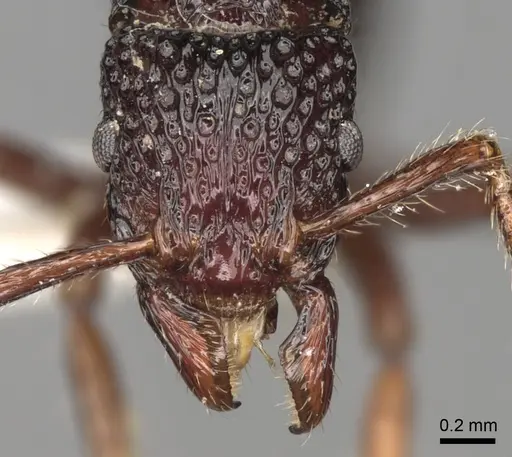
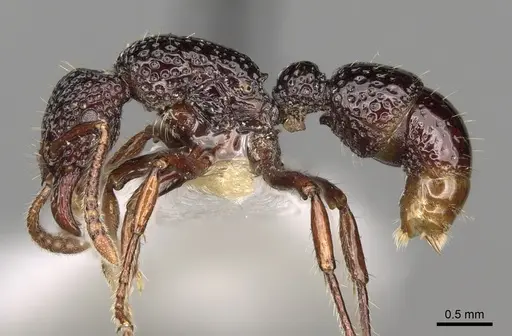
Stictoponera ortostoma is a fascinating ant species characterized by its elongate habitus and distinctive subrectangular head shape when viewed from the front. Their bodies, including the head, mesosoma, petiole, and gaster, are typically dark brown to black, while their mandibles, antennae, and legs are a ferruginous (rusty red) color. Workers have densely punctate or foveolate (pitted) bodies, particularly on the head and mesosoma, with fine median longitudinal sulcus on the frons. The presence of propodeal teeth helps distinguish them from some related groups. Specific size ranges are available for worker and queen holotypes and paratypes, with workers measuring around 0.94-0.98 mm in head length and queens around 0.98 mm in head length.
- Difficulty: Medium
- Origin & Habitat: Southeast Asia, specifically found in Singapore, Borneo (East Malaysia: Sarawak), and Thailand. in Associated with primary and/or mature secondary forests, primarily found in leaf litter..
- Colony Type: Monogyne, claustral founding.
- Size & Growth:
- Queen: 0.98-0.98mm
- Worker: 0.94-0.98mm
- Colony: Small (hundreds). Slow growth.
- Antkeeping:
- Temperature: Maintain a temperature range of 24-28°C (75-82°F) for optimal activity and brood development. Consistent temperatures are crucial for tropical species..
- Humidity: High humidity is essential, ideally between 70-90%. This can be achieved by keeping a portion of the nest constantly moist and offering a humid outworld..
- Diapause: Not required. Not specified at Not specified.
- Nesting: These ants likely prefer naturalistic setups that mimic their leaf litter habitat, such as acrylic nests with substrate inserts, or naturalistic setups with a good layer of forest litter, bark, or decaying wood. Ytong or plaster nests with multiple hydration points could also work, provided humidity is consistently high..
- Behavior: Medium (towards handler, food or other ants) aggressiveness.
- Common Issues: Humidity fluctuations, Lack of suitable prey, Mold in nest, Queen stress.
One key aspect of Stictoponera ants, and potentially Stictoponera ortostoma, is that some species within this genus are known to utilize gamergates for reproduction. This means that fertile workers can lay reproductive eggs, which might influence colony dynamics and the overall structure of the colony. While a queen is present, understanding the potential for gamergates is important for observing colony behavior and reproduction. Keep an eye out for any workers with noticeably enlarged gasters or reproductive behavior.
Due to their natural habitat in forest leaf litter, providing a suitable nesting environment is paramount. These ants appreciate substrate-based setups that allow them to tunnel and forage naturally. Consider incorporating materials like coco fiber, decaying wood, or a mix of forest soil and sand to replicate their preferred environment. This will encourage natural behaviors and contribute to the colony's overall well-being.
As with many Ponerine ants, Stictoponera ortostoma is likely a predatory species. Their diet in the wild would consist primarily of small insects and other arthropods. In captivity, this translates to offering a variety of protein sources such as small crickets, roaches, or fruit flies. Ensure these prey items are appropriately sized for the workers to handle and are offered regularly to support colony growth and queen egg-laying.
Maintaining stable high humidity is crucial for this tropical species. Fluctuations in humidity can quickly stress the colony and lead to issues like brood desiccation or mold growth if not managed correctly. Using a nest with good hydration capabilities, such as a large water reservoir or a consistently moist section, is recommended. Regular misting of the outworld can also help maintain ambient humidity levels, but avoid direct spraying of the ants or the nest entrance.
Given the limited specific information on Stictoponera ortostoma in captivity, observation is key. Pay close attention to how the colony reacts to different food offerings, humidity levels, and temperatures. Keep detailed notes on their foraging habits, brood development, and any unusual behaviors. This will not only help in their successful keeping but also contribute valuable insights to the antkeeping community about this lesser-known species.
Frequently Asked Questions
What kind of nest is best for Stictoponera ortostoma?
For these fascinating ants, a naturalistic setup is often ideal. Consider an acrylic nest designed for substrate, or a more elaborate terrarium with a good layer of forest soil, coco fiber, or decaying wood. They’re found in leaf litter in the wild, so mimicking that environment will make them feel right at home. You can also use Ytong or plaster nests, but be sure they have excellent hydration systems to keep humidity high.
What do Stictoponera ortostoma eat?
Like many predatory ants, Stictoponera ortostoma will thrive on a diet of small insects and other arthropods. Think along the lines of tiny crickets, flightless fruit flies, or small roaches. Offer a variety of protein to ensure they get all the necessary nutrients for healthy brood development. You might also try a small drop of sugar water or honey solution, though protein is their primary need.
Do Stictoponera ortostoma sting?
Yes, Stictoponera ortostoma workers can sting. While the exact potency isn't widely documented for this specific species, it's always wise to exercise caution when handling ants from the Ponerinae subfamily, as their stings can be quite painful to humans. Always use appropriate tools and avoid direct contact with the ants.
How large do Stictoponera ortostoma colonies get?
While precise colony sizes for Stictoponera ortostoma aren't extensively documented, other Stictoponera species are known to have relatively small colonies, often in the hundreds rather than thousands. Expect a slow-to-medium growth rate, so patience is key for watching these colonies develop. A hundred workers or so would be a strong colony for this genus.
What temperatures and humidity do Stictoponera ortostoma need?
Being a tropical species from Southeast Asia, Stictoponera ortostoma will appreciate warmer temperatures, ideally between 24-28°C (75-82°F). High humidity is also crucial for their well-being, with levels in the 70-90% range being optimal. Consistent hydration in the nest and a humid outworld environment will go a long way in keeping them healthy.
Do Stictoponera ortostoma have gamergates?
Yes, it is known that some species within the Stictoponera genus can utilize gamergates for reproduction. This means that even if you start with a queen, some workers might develop reproductive capabilities and lay eggs. This fascinating aspect of their biology can make for interesting observations in your ant setup.
Is Stictoponera ortostoma a good beginner species?
Due to the limited information available on their specific care and their specialized needs for high humidity and live prey, Stictoponera ortostoma is generally not recommended for beginner antkeepers. They are more suited for intermediate to advanced hobbyists who have experience with more challenging ant species and can provide precise environmental conditions.
How long does it take for Stictoponera ortostoma eggs to become workers?
The development time from egg to adult worker for Stictoponera ortostoma is estimated to be between 6 to 10 weeks, but this can vary depending on temperature, humidity, and the availability of food. Consistent conditions are key to ensuring a steady development cycle for their brood.
Do I need to hibernate Stictoponera ortostoma?
No, Stictoponera ortostoma is a tropical species and does not require a diapause (hibernation period). Maintaining stable warm temperatures and high humidity year-round is important for their continuous development and well-being. They come from regions with consistent climates, so replicating that in captivity is ideal.
What are common problems when keeping Stictoponera ortostoma?
Antkeepers might encounter issues like humidity fluctuations, which can quickly lead to desiccation or mold problems in the nest. Lack of suitable live prey can also hinder colony growth. Queen stress, often due to improper conditions or disturbances, can lead to a colony stalling. Regular monitoring and proactive environmental control are essential to avoid these common pitfalls.
Where can I find Stictoponera ortostoma?
Stictoponera ortostoma are native to Southeast Asia, including Singapore, parts of Borneo, and Thailand. They are not commonly available in the antkeeping hobby due to their specific habitat and potentially challenging care requirements. If you're looking to acquire them, you'd likely need to connect with specialized breeders or researchers in regions where they are native.

This caresheet is licensed under CC BY-SA 4.0 .
CASENT0281844
View on AntWeb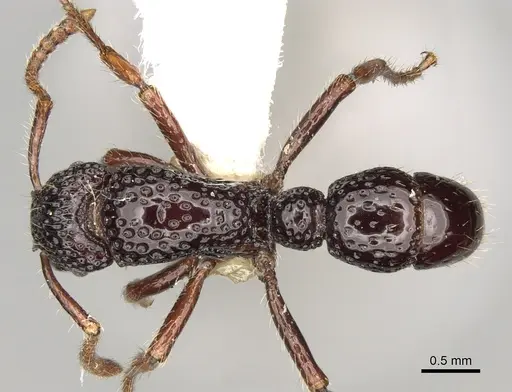
Literature
Loading...Loading products...