

Stictoponera coxalis
- Scientific Name
- Stictoponera coxalis
- Tribe
- Ectatommini
- Subfamily
- Ectatomminae
- Author
- Roger, 1860
- Distribution
- Found in 3 countries
Stictoponera coxalis Overview
Stictoponera coxalis is an ant species of the genus Stictoponera. It is primarily documented in 3 countries , including China, Indonesia, Malaysia. Detailed taxonomic data and occurrence records can be further explored via authoritative databases such as AntWeb or the Global Biodiversity Information Facility (GBIF).
Stictoponera coxalis - "Yellow-tailed Sculptured Ant"
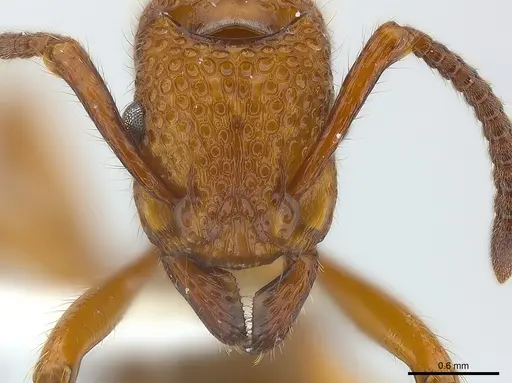
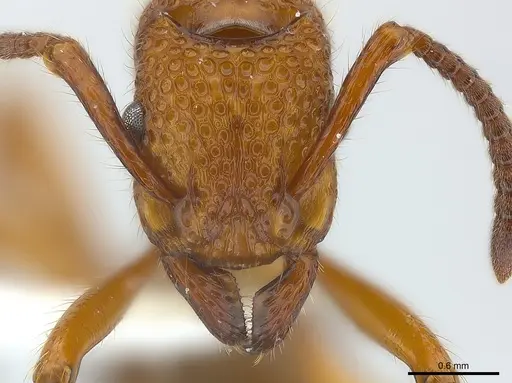
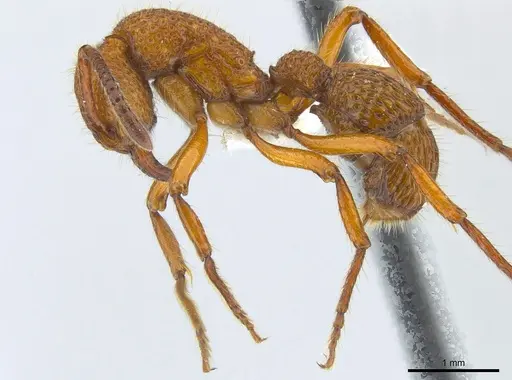
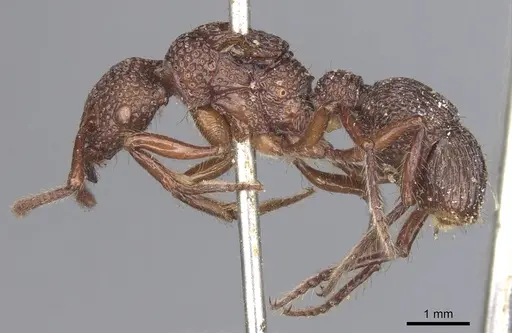
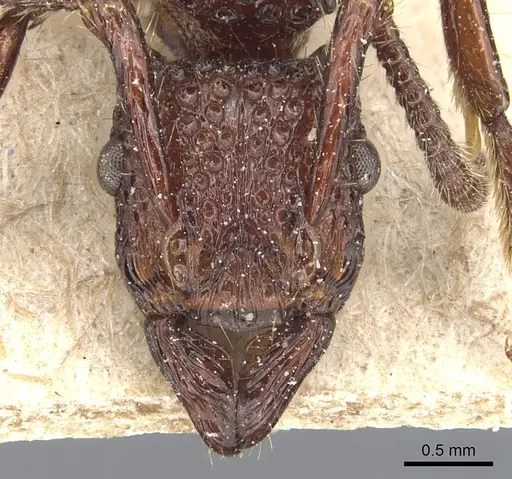
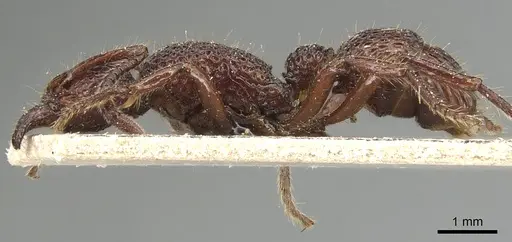
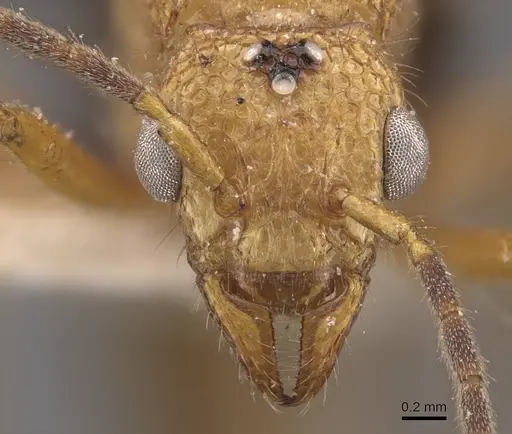
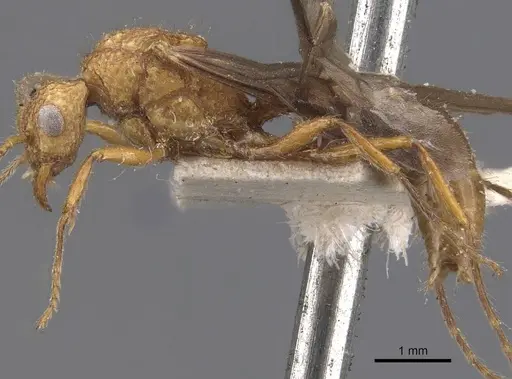
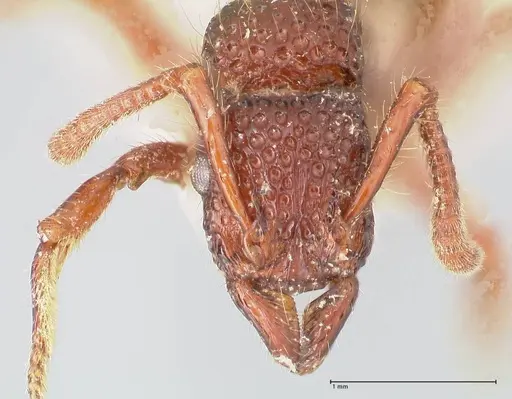
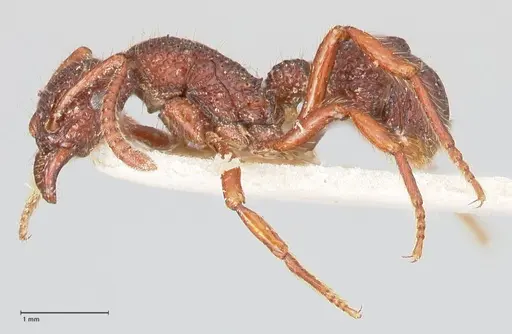
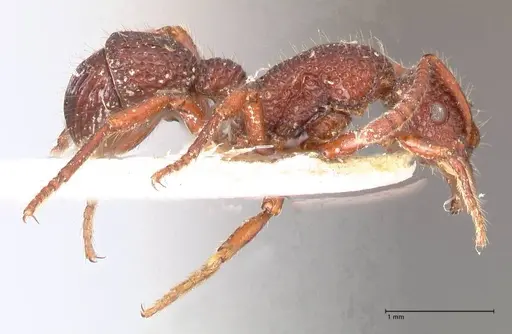
Stictoponera coxalis, also known as the yellow-tailed sculptured ant, is a fascinating ant species recognized by its distinctive sculpturing on the body and often a yellowish tint on the last segment of its gaster. These ants are part of the Ectatomminae subfamily, a group known for their 'primitive' morphological characteristics. They are medium-sized ants, with workers having a head length (HL) ranging from 1.52 to 1.58 mm and a worker length (WL) of 2.08 to 2.25 mm. This species was historically classified under the genus Gnamptogenys, but recent phylogenetic evidence has reinstated its current genus, Stictoponera.
- Difficulty: Medium
- Origin & Habitat: Southeast Asia and Oceania, including Singapore, Borneo, Brunei, Indonesia, Malaysia, Philippines, India, Myanmar, Nicobar Island, Sri Lanka, Thailand, and Vietnam. in Primary or mature secondary forests, including native-dominated secondary forests. They are typically found nesting in fallen rotting wood and leaf litter..
- Colony Type: Gamergate (queenless, workers reproduce), claustral (though reproduction is by gamergates in mature colonies, initial founding details are less known but likely claustral for a single founding queen if present) founding.
- Size & Growth:
- Queen: Not specified
- Worker: 2.08-2.25mm
- Colony: Small (hundreds). Slow growth.
- Antkeeping:
- Temperature: Maintain a temperature range of 24-28°C for optimal activity and brood development. Consistent temperatures are important for species from tropical environments..
- Humidity: High humidity, between 70-90%, is crucial, reflecting their natural habitat in rotting wood and leaf litter within moist forests..
- Diapause: Not required. Not specified at Not specified.
- Nesting: Nests in natural cavities, specifically in fallen rotting wood and leaf litter. For captive setups, naturalistic formicaria mimicking these conditions, such as those made from a mix of wood and soil or specialized acrylic nests with good hydration, are preferred..
- Behavior: Medium (towards prey, potentially defensive if disturbed) aggressiveness.
- Common Issues: Mold in nest, Humidity fluctuations, Dietary deficiencies if protein intake is insufficient.
Keeping Stictoponera coxalis can be a rewarding experience for ant enthusiasts looking for a unique species. These ants are known for their preference for decaying wood as a nesting substrate. This means that a standard acrylic or Ytong nest might not be sufficient on its own. Providing a formicarium that incorporates pieces of rotting wood or a substrate mix designed to mimic their natural forest floor habitat will significantly increase your chances of success and provide a more enriching environment for your colony. Regular misting of the substrate, rather than just the outworld, is crucial to maintain the high humidity levels they require, which simulates the moist conditions found in their natural forest homes.
One intriguing aspect of Stictoponera species, including Stictoponera coxalis, is the presence of gamergates. This means that instead of a single queen exclusively laying all the eggs, some worker ants can also become reproductive and lay fertile eggs. This unique colony structure can influence colony dynamics and development. While this feature is fascinating, it might also mean that colony growth could be slower compared to species with a single, highly prolific queen. Observing these reproductive workers in action adds another layer of depth to antkeeping.
Due to their specific humidity and nesting preferences, preventing mold growth within the formicarium is a key challenge. Ensuring proper ventilation alongside high humidity is a delicate balance. It's often beneficial to use a larger outworld with good airflow to allow for foraging and waste disposal, which helps keep the nest area cleaner. Regularly inspecting the nesting material for any signs of mold or fungal growth is vital, and addressing it promptly by removing affected areas can prevent widespread issues that could harm your colony.
Their diet in the wild primarily consists of other insects, indicating a need for a protein-rich diet in captivity. Offering a variety of feeder insects like mealworms, crickets, or roaches will provide essential nutrients. While some ant species readily consume sugar solutions, the specific dietary preferences of Stictoponera coxalis for sugary foods might be less pronounced given their predatory nature. Always research and observe your colony's feeding habits closely to tailor their diet for optimal health and growth, ensuring they get the right balance of nutrients.
Frequently Asked Questions
What kind of formicarium is best for Stictoponera coxalis?
For Stictoponera coxalis, a naturalistic setup is highly recommended. This means opting for formicaria that can maintain high humidity and incorporate natural elements like rotting wood or a soil-based substrate. Acrylic nests with large hydration reservoirs or setups designed for fungus-growing ants, adapted for these species, could work well, provided you can integrate their preferred nesting material. The goal is to replicate their forest floor habitat as closely as possible, ensuring excellent humidity retention and preventing desiccation, a common pitfall for tropical ant species.
How do Stictoponera coxalis colonies reproduce without a traditional queen?
Stictoponera coxalis, like several other 'primitive' ant species, relies on gamergates for reproduction. A gamergate is a worker ant that has developed the ability to mate and lay fertile eggs, effectively taking on the reproductive role typically held by a queen. This fascinating adaptation means that even if you don't have a winged queen, your colony can still grow and thrive, provided the gamergates are present and healthy. It's a truly unique aspect of their social structure that captivates many antkeepers interested in diverse ant behaviors.
What should I feed my Stictoponera coxalis colony?
These ants are primarily predatory, so a diet rich in protein is essential for their well-being and colony growth. Offer them a variety of small feeder insects such as freshly killed or frozen and thawed crickets, mealworms, or roaches. Make sure the prey items are appropriately sized for your colony. While they might occasionally take sugary liquids, their main dietary requirement will be protein to fuel their development and foraging activities. Maintaining a consistent feeding schedule will also contribute to a healthy, active colony.
Do Stictoponera coxalis sting?
Yes, Stictoponera coxalis workers do possess a sting. While they are not typically aggressive towards handlers unless severely provoked or their nest is disturbed, it's always wise to exercise caution when interacting with their setup. As with any stinging ant species, avoid direct contact with them and use appropriate tools for maintenance. The sting is primarily used for subduing prey and defense, and while information on the potency of their sting is limited, it's best to assume it can be painful.
How large do Stictoponera coxalis colonies get?
Stictoponera coxalis colonies are considered to be on the smaller side, typically numbering in the hundreds of individuals. Unlike some other ant species that can reach tens or even hundreds of thousands, these colonies maintain a more modest size. This can be an advantage for antkeepers with limited space or those who prefer managing smaller, more manageable colonies. While they might not form sprawling supercolonies, their unique biology and behaviors offer plenty to observe and appreciate within their smaller numbers.
Is diapause necessary for Stictoponera coxalis?
Given their tropical origin in Southeast Asia, Stictoponera coxalis does not require a period of diapause or hibernation. They are accustomed to stable, warm temperatures and high humidity year-round in their natural habitat. Maintaining consistent environmental conditions is key to their continuous growth and activity. Attempting to induce diapause in a tropical species can be detrimental to their health and the colony's overall well-being, so it's best to avoid it.
What are common issues when keeping Stictoponera coxalis?
The main challenges in keeping Stictoponera coxalis often revolve around maintaining their specific environmental requirements. Mold growth within the nest is a significant concern due to the high humidity they need. Ensuring good ventilation while keeping the substrate moist is a fine balance to achieve. Humidity fluctuations can also stress the colony, leading to stalled growth or even colony collapse. Additionally, like many predatory species, ensuring they receive a consistent and varied protein diet is crucial to prevent deficiencies and keep them thriving.
How fast do Stictoponera coxalis colonies grow?
Stictoponera coxalis colonies typically exhibit a slow growth rate. This is common for species that reproduce via gamergates, as the reproductive output might not be as rapid or as high as colonies with a dedicated, highly prolific queen. Patience is key when keeping these ants. While their growth might not be explosive, the gradual development of the colony allows for a more extended period of observation and appreciation of their unique social structure and behaviors. Don't expect a supercolony overnight; enjoy the journey of watching them slowly expand.
Where can I find Stictoponera coxalis for my ant collection?
Finding Stictoponera coxalis can be a bit challenging as they are not as commonly available in the antkeeping hobby as some other species. Your best bet would be to look for specialized ant retailers or hobbyists who focus on rare or exotic ant species. Keep an eye on online antkeeping forums and communities, as sometimes individuals trade or sell colonies. Given their specific habitat requirements, ensure that any supplier has ethically sourced the ants and can provide guidance on their care, especially since some ant shops may be out of stock.
Are Stictoponera coxalis aggressive towards other ant species?
In the wild, Stictoponera coxalis are predatory ants, meaning they will actively hunt and consume other insects. This predatory nature suggests they can be aggressive towards potential prey or rival ant species if encountered. In a captive setup, it's crucial to keep them isolated from other colonies to prevent conflicts. Their aggression is typically directed towards securing food resources and defending their territory, so careful handling and isolation are recommended to avoid any unwanted encounters.

This caresheet is licensed under CC BY-SA 4.0 .
CASENT0010662
View on AntWeb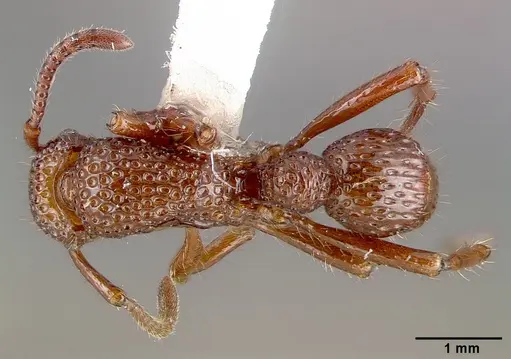
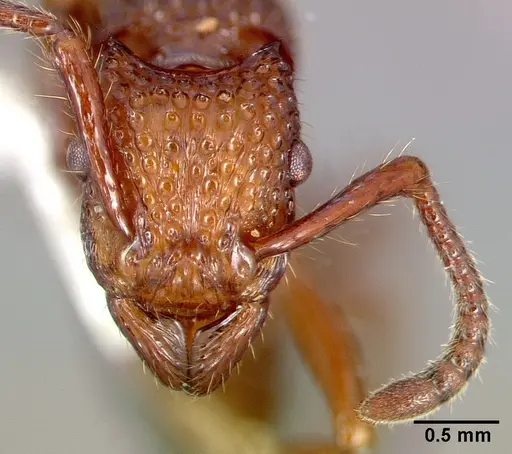
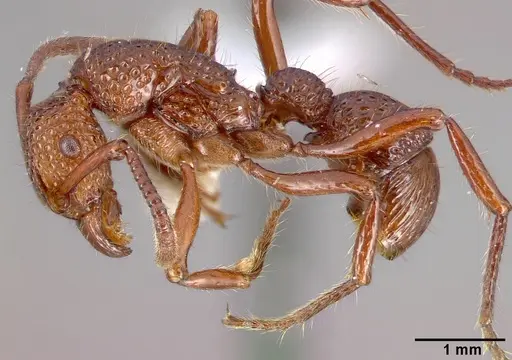
CASENT0179980
View on AntWeb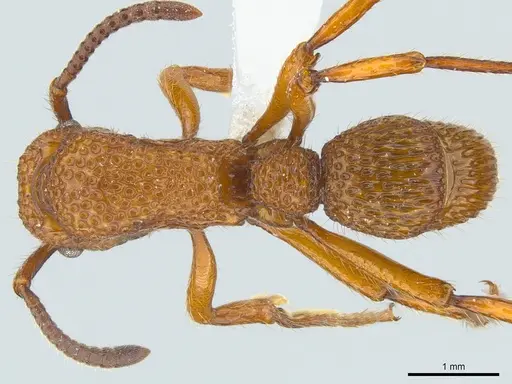
CASENT0281842
View on AntWeb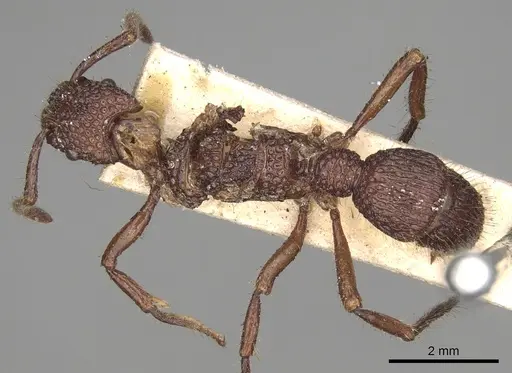
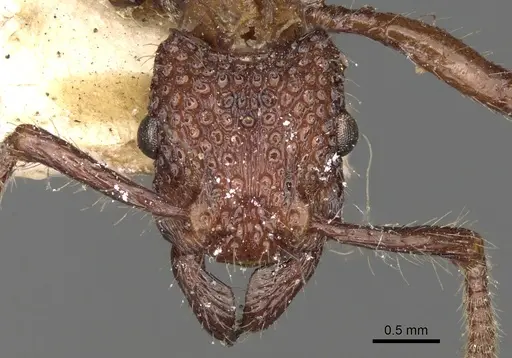
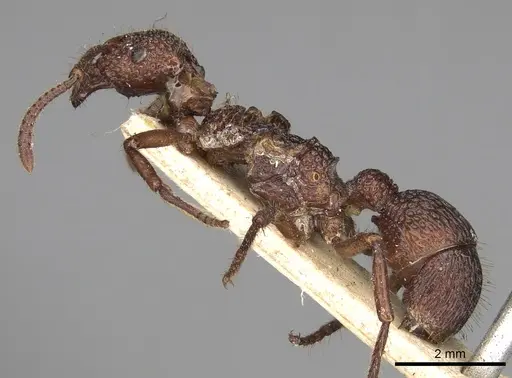
CASENT0901369
View on AntWeb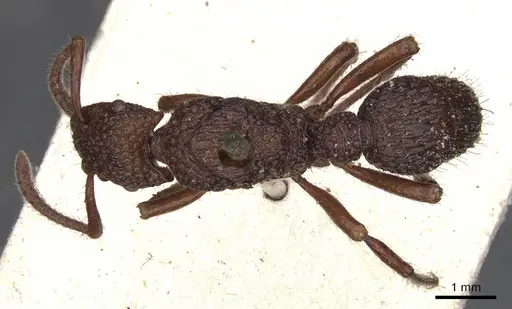
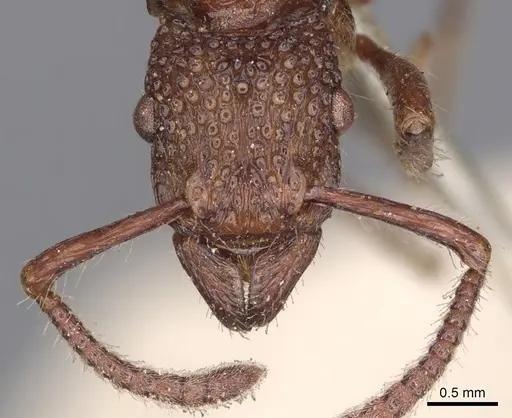
CASENT0903850
View on AntWeb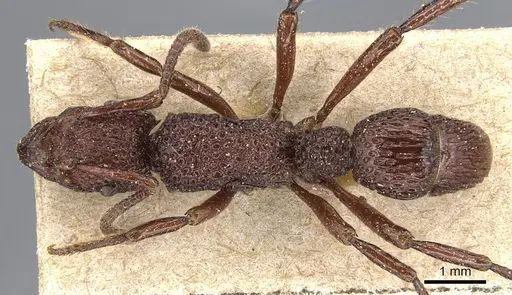
CASENT0907197
View on AntWeb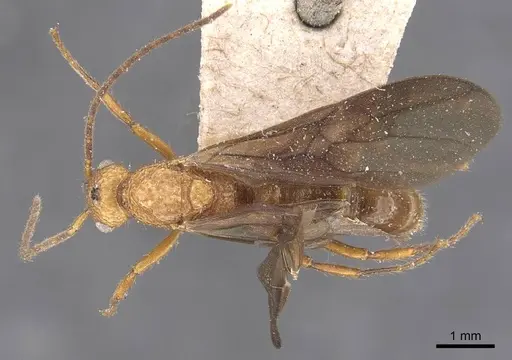
CASENT0907198
View on AntWeb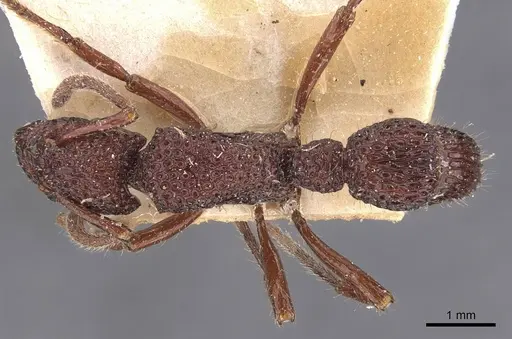
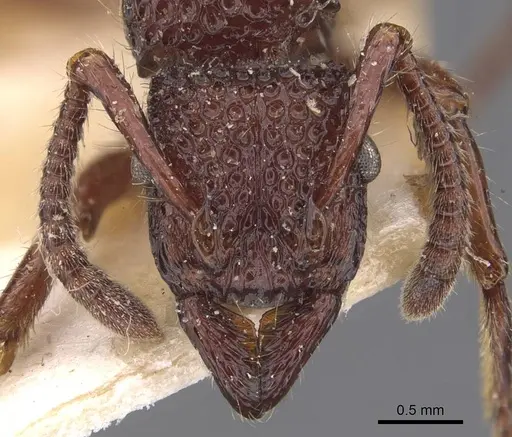
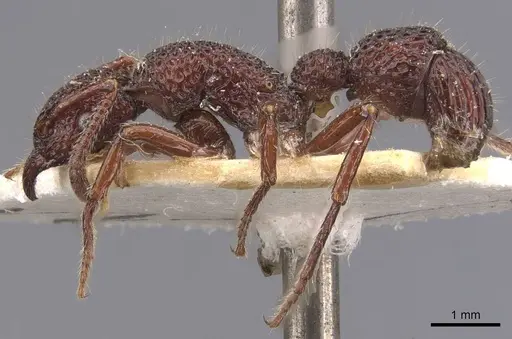
FOCOL0868
View on AntWeb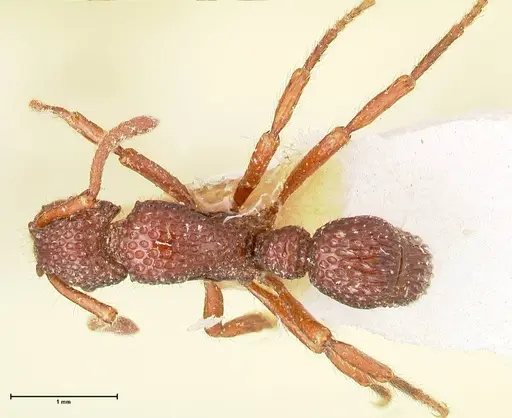
Literature
Loading...Loading products...