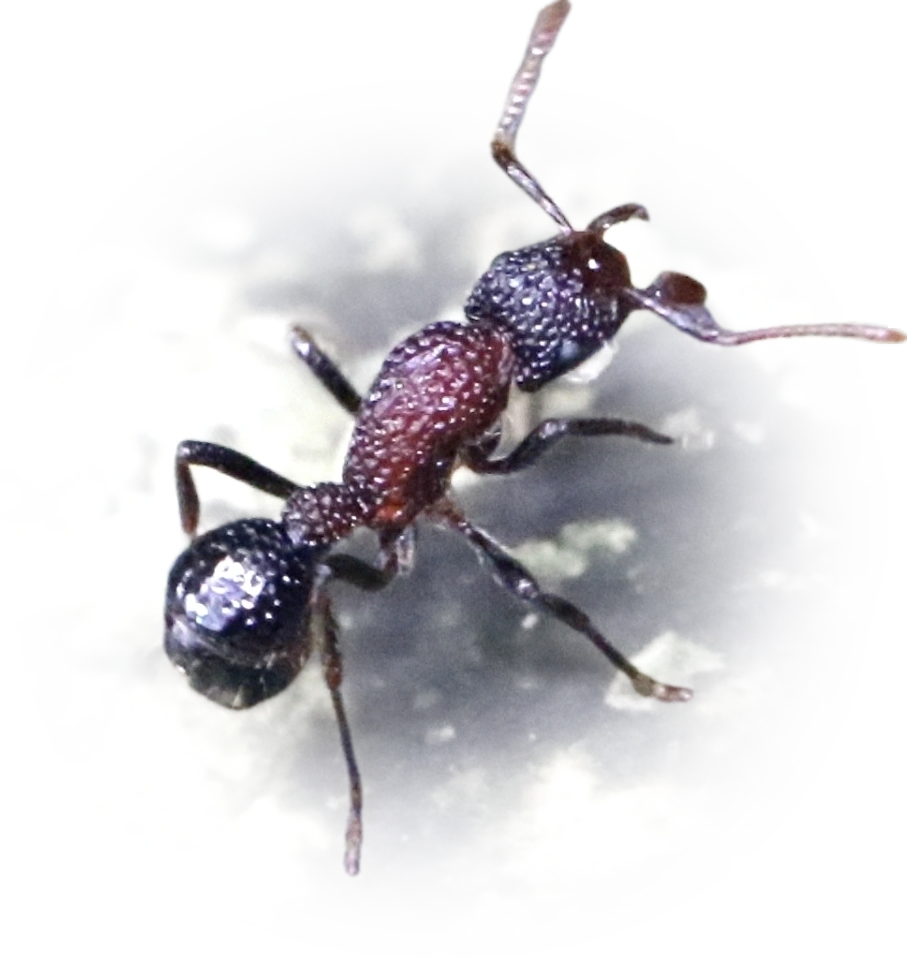

Stictoponera bicolor
- Scientific Name
- Stictoponera bicolor
- Tribe
- Ectatommini
- Subfamily
- Ectatomminae
- Author
- Emery, 1889
- Distribution
- Found in 7 countries
Stictoponera bicolor Overview
Stictoponera bicolor is an ant species of the genus Stictoponera. It is primarily documented in 7 countries , including China, Hong Kong, Indonesia. Detailed taxonomic data and occurrence records can be further explored via authoritative databases such as AntWeb or the Global Biodiversity Information Facility (GBIF).
Stictoponera bicolor
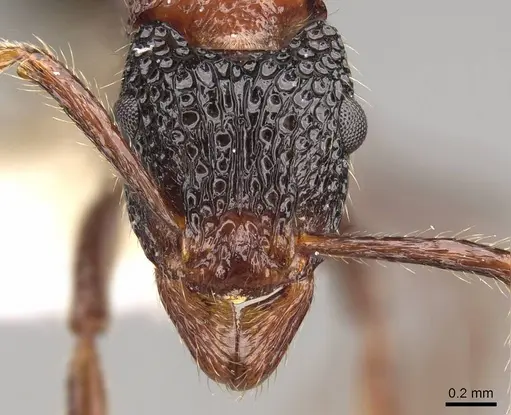
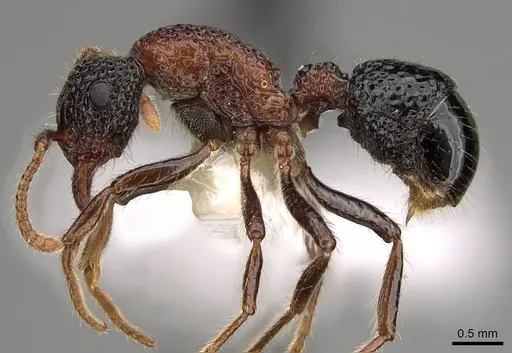
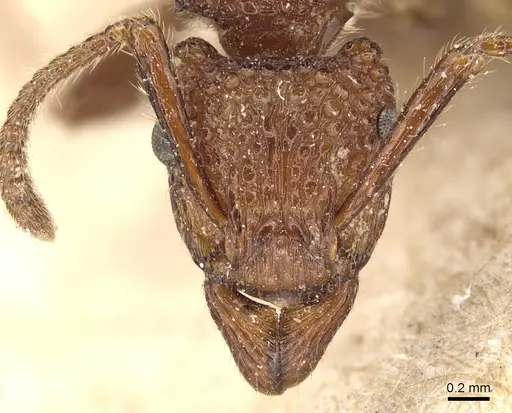
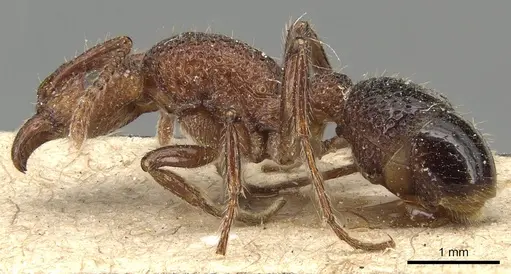
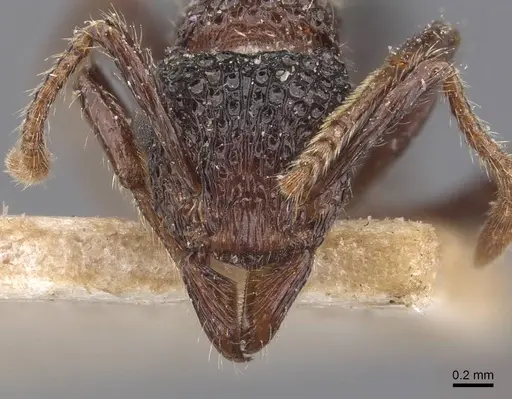
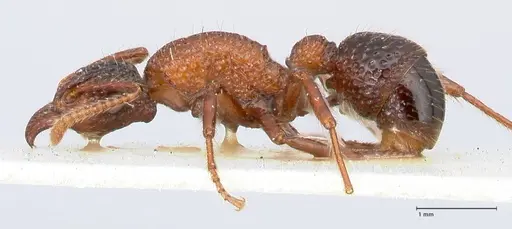
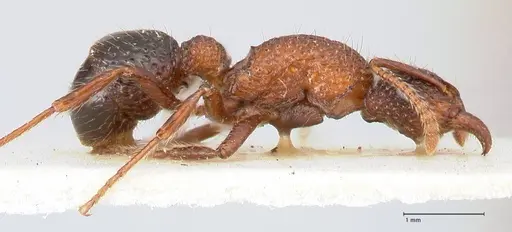
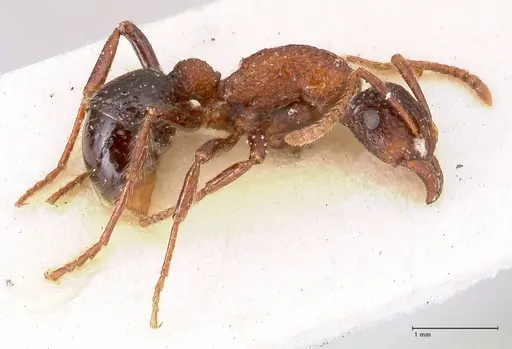
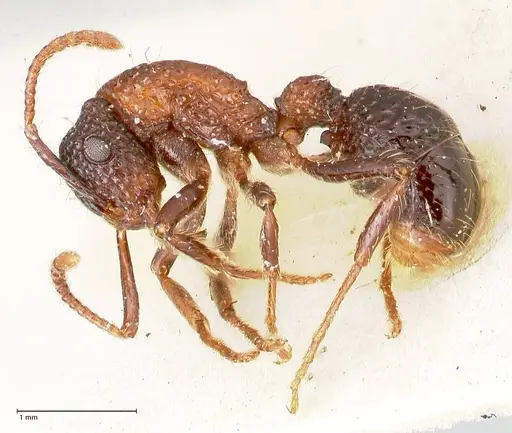
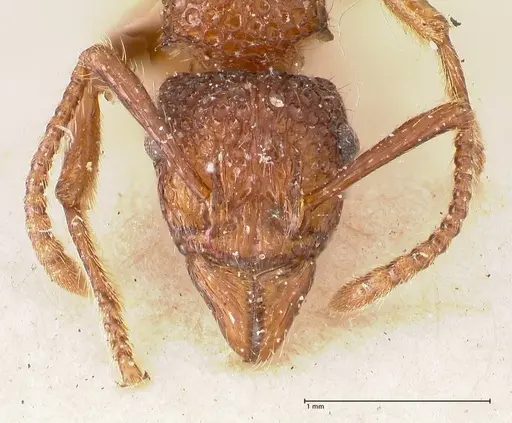
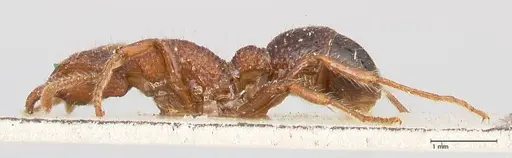
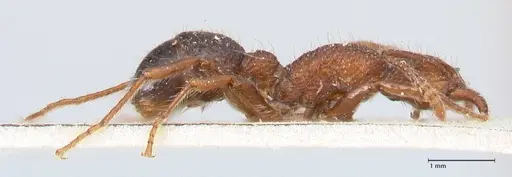
Stictoponera bicolor is a medium-sized ant species native to Southeast Asia and southern China. Workers measure 5.5-6.3mm with a distinctive bicolor pattern: the head and gaster are dark brown to black, while the mesosoma (middle body section) is orange-ferruginous [1]. This species belongs to the subfamily Ectatomminae, which are known for having functional stingers. They inhabit mesic, forested areas and nest in rotten wood [2]. One of the most fascinating aspects of this species is its reproductive system, colonies can be headed by either an ergatoid (wingless) queen or by a gamergate, which is a worker that has become reproductive [3]. This means workers can actually lay eggs and contribute to colony reproduction, making them quite unusual among ants.
Quick Summary
- Difficulty: Medium
- Origin & Habitat: Southeast Asia and southern China, found in China (Yunnan, Guangxi, Hong Kong), Myanmar, Thailand, Malaysia, Indonesia (Java, Sumatra, Bali), Laos, Vietnam, India, Singapore, and Cambodia. They live in mesic forested habitats, particularly in rotten wood and ground nests in mixed deciduous forests [4][5][1].
- Colony Type: Monogynous colonies headed by either an ergatoid (wingless) queen or by a gamergate (reproductive worker). Both queens and workers can reproduce, this is called Q+G reproductive strategy [3][6]. Maximum colony size reaches around 480 workers [7].
- Colony: Monogyne
- Special: Gamergates
- Size & Growth:
- Queen: Not collected, only ergatoid (wingless) queens known [2]
- Worker: 5.5-6.3mm typical,4.7mm for minor variant [8][1]
- Colony: Up to 480 workers [7]
- Growth: Moderate, inferred from related species
- Development: Unknown for this specific species, estimates based on related Ectatomminae suggest 6-10 weeks at optimal temperature (Colonies kept at 27°C in laboratory studies [3])
- Antkeeping:
- Temperature: Keep around 24-27°C. Laboratory colonies thrive at 27°C with 14-hour light/10-hour dark cycle [3]. This is a tropical/subtropical species so warmth is important.
- Humidity: High humidity preferred, they come from mesic (damp) forested habitats. Keep substrate consistently moist but not waterlogged.
- Diapause: No, being a tropical species, they do not require hibernation. Keep at stable warm temperatures year-round [3].
- Nesting: Rotten wood nesting in the wild. In captivity, a naturalistic setup with moist substrate (like a formicarium with soil/peat mix) works well. They also nest in the ground so provide deep substrate for tunneling.
- Behavior: These ants are predatory and will accept live insects like termites and mealworms, plus honey water as a sugar source [3]. They have a functional stinger as members of Ectatomminae, so they can deliver a painful sting if provoked. Workers are moderately aggressive when defending the nest. They are ground-nesting ants that prefer dark, humid nest chambers. Escape prevention is important though not as critical as with tiny ants, they are medium-sized but can still squeeze through small gaps if determined.
- Common Issues: colonies may fail if kept too cold, maintain 24-27°C consistently, workers can become reproductive (gamergates) which may confuse keepers expecting only queen reproduction, testes degeneration in males occurs around 6 weeks, this is normal but means males have limited fertility window [3], wild-caught colonies may have parasites that kill them in captivity, predatory diet means they need regular protein (live insects), sugar alone is insufficient
Housing and Nest Setup
Stictoponera bicolor is a ground-nesting species that naturally nests in rotten wood and soil in forested areas. For captivity, a naturalistic setup works best, use a formicarium or acrylic nest with a deep layer of moist substrate (a mix of soil, peat, and sand works well). They prefer dark, humid chambers so provide good coverage and avoid bright lighting. A water reservoir or moisture system helps maintain humidity. Since they can sting, ensure the escape prevention is adequate, even though they're not tiny, they can squeeze through small gaps. Test tubes can work for founding colonies but they'll need to move to a larger space as the colony grows past 20-30 workers. [4][3][2]
Feeding and Diet
These ants are predatory and need a protein-rich diet. In laboratory settings, they've been successfully fed termites, mealworms, and honey water [3]. Offer live insects regularly, small crickets, fruit flies, and other small arthropods are ideal. They will also accept sugar sources like honey water or sugar water. Feed them 2-3 times per week, adjusting based on colony size. Remove uneaten prey after 24-48 hours to prevent mold. A varied diet helps maintain colony health.
Temperature and Seasonal Care
Keep your colony at 24-27°C for optimal health. Laboratory colonies have been maintained at a constant 27°C with a 14-hour light/10-hour dark cycle [3]. As a tropical species from Southeast Asia, they do not require hibernation or diapause. Avoid temperature fluctuations and keep them away from cold drafts or air conditioning vents. Room temperature in most homes should be suitable, but you may need a small heating mat or cable during winter if your home is cool. Monitor colony activity, if workers become sluggish, the temperature may be too low.
Reproduction and Colony Dynamics
This species has an unusual reproductive system that sets it apart from many common ant pets. Colonies are headed by either an ergatoid (wingless) queen or by a gamergate, a worker that has become reproductive and can lay eggs [3]. Both queens and workers can reproduce, which is called the Q+G reproductive strategy [6]. This means you may see workers laying eggs, which is normal for this species. Queens have not been collected in the wild, only ergatoid queens are known [2]. The maximum colony size is around 480 workers [7]. If your colony loses its queen, a gamergate may take over as the reproductive.
Behavior and Defense
Stictoponera bicolor belongs to the subfamily Ectatomminae, which means they have a functional stinger. If threatened, they can deliver a painful sting, so handle with care. Workers are moderately aggressive when defending the nest. They are primarily ground-dwelling and prefer dark, humid environments. In the wild, they forage on the forest floor and in rotting wood. They are not aggressive toward humans unless their nest is disturbed. When working with them, use caution and consider using tools rather than bare hands. [2]
Growth and Development
The development timeline for this specific species is not well documented, but related Ectatomminae ants typically take 6-10 weeks from egg to worker at optimal temperature. Males have an interesting reproductive biology, their testes begin degenerating around 2 weeks after eclosion and completely degenerate by about 6 weeks [3]. This is relatively late compared to many other ant species. Males are produced when colonies are well-established. The colony growth rate is moderate, expect several months to reach 50+ workers from a founding colony.
Frequently Asked Questions
Can I keep Stictoponera bicolor in a test tube?
Test tubes work for founding colonies but these ants will need more space as they grow. They are ground-nesting ants that prefer dark, humid conditions, so transfer to a naturalistic formicarium or acrylic nest once the colony reaches 20-30 workers.
How long until first workers appear in Stictoponera bicolor?
The exact egg-to-worker timeline is not documented for this species, but based on related Ectatomminae, expect 6-10 weeks at optimal temperature (around 27°C). Be patient, this is a moderately growing species.
Do Stictoponera bicolor ants sting?
Yes, they can sting. This species belongs to Ectatomminae, which has functional stingers. The sting is painful, so handle with care and use tools rather than bare hands when working with them.
What do Stictoponera bicolor eat?
They are predatory ants that need protein-rich food. Feed them live insects like termites, mealworms, small crickets, and fruit flies. They also accept honey water or sugar water as a sugar source. Feed them 2-3 times per week.
How big do Stictoponera bicolor colonies get?
Maximum colony size is around 480 workers [7]. This is a moderately sized colony for a Ponerine ant.
Do Stictoponera bicolor need hibernation?
No, they do not require hibernation. This is a tropical/subtropical species from Southeast Asia. Keep them at a constant warm temperature of 24-27°C year-round.
Why are my Stictoponera bicolor workers laying eggs?
This is normal! Stictoponera bicolor has an unusual reproductive system where both the queen (or ergatoid) AND workers can reproduce. These reproductive workers are called gamergates. It's a natural part of their biology.
Can I keep multiple queens together in Stictoponera bicolor?
No, colonies are monogynous, they have only one reproductive female at a time (either an ergatoid queen or a gamergate). Combining unrelated queens is not recommended and has not been documented.
Are Stictoponera bicolor good for beginners?
This species is rated as Medium difficulty. They require warm temperatures (24-27°C), high humidity, and a predatory diet. They also can sting. If you're new to antkeeping, you may want to start with easier species like Lasius or Tetramorium before trying Stictoponera.
Why is my Stictoponera bicolor colony declining?
Check temperature (should be 24-27°C), humidity (keep substrate moist), and food (they need regular protein). Also ensure they're not being disturbed too often. Wild-caught colonies may carry parasites that can cause decline. If conditions are correct and decline continues, the colony may be reaching its natural lifespan.
References

This caresheet is licensed under CC BY-SA 4.0 .
ANTWEB1060494
View on AntWeb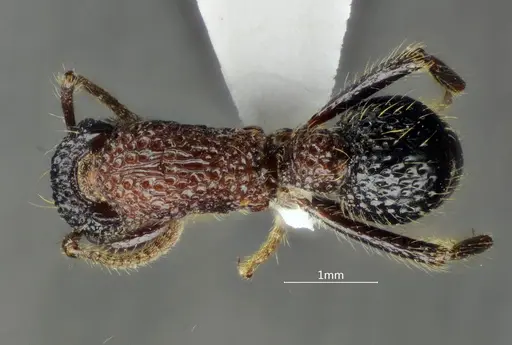
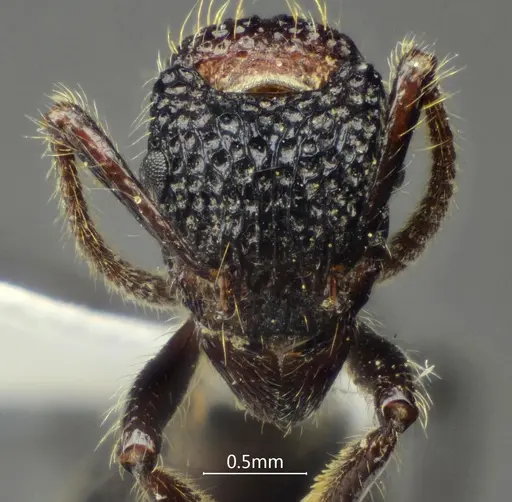
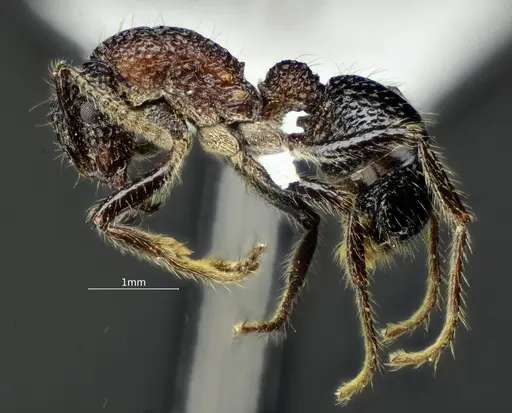
CASENT0179978
View on AntWeb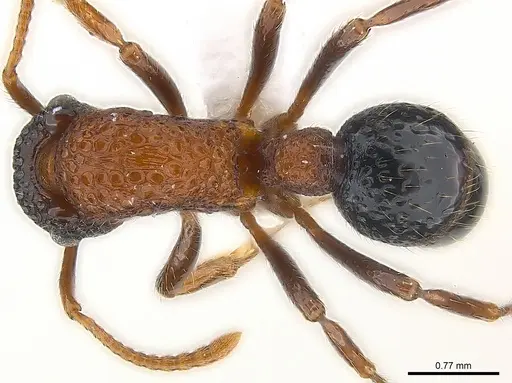


CASENT0217481
View on AntWeb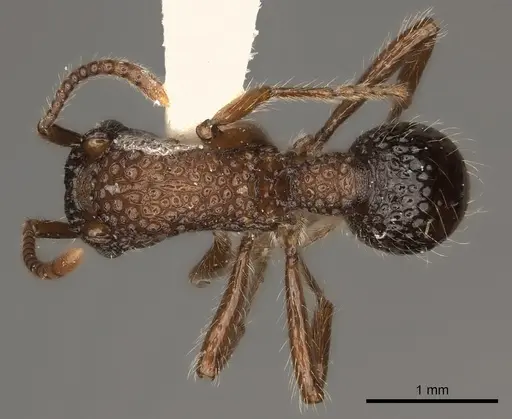
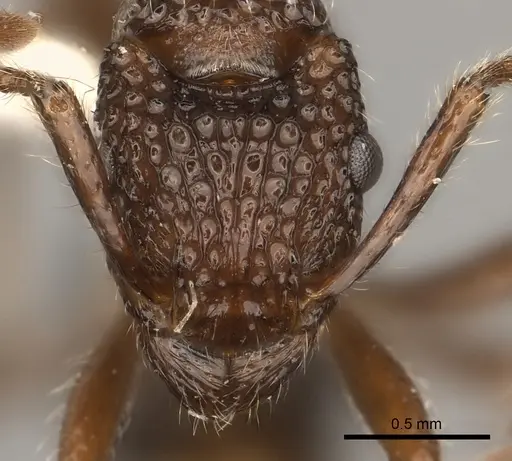
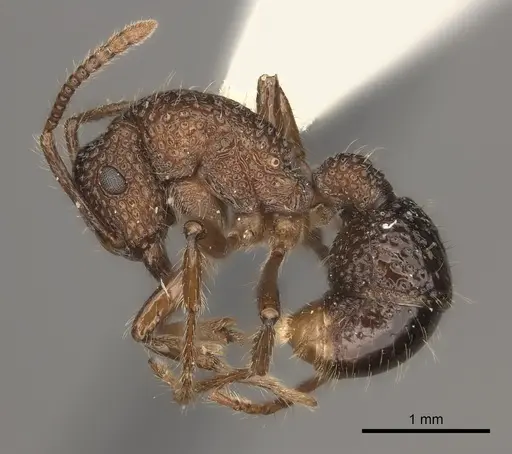
CASENT0281517
View on AntWeb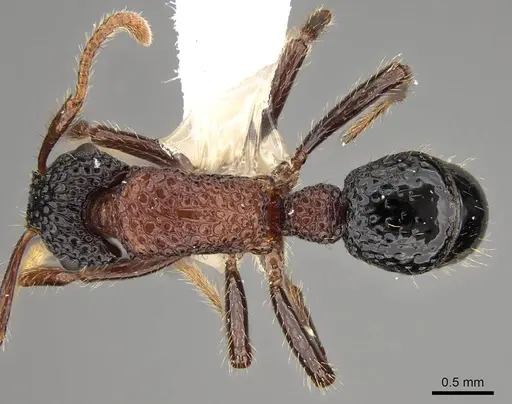
CASENT0903851
View on AntWeb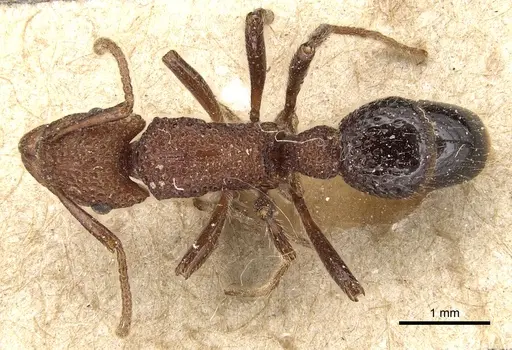
CASENT0907201
View on AntWeb

FOCOL0869
View on AntWeb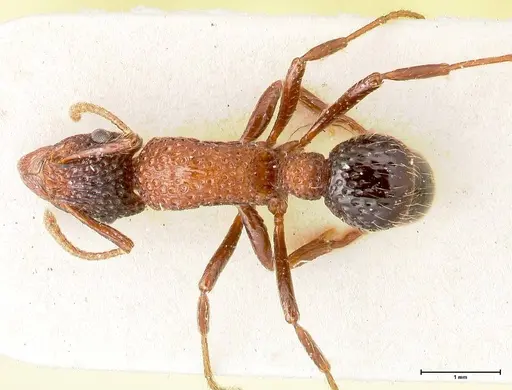

FOCOL0870
View on AntWeb

FOCOL0871
View on AntWeb

FOCOL0872
View on AntWeb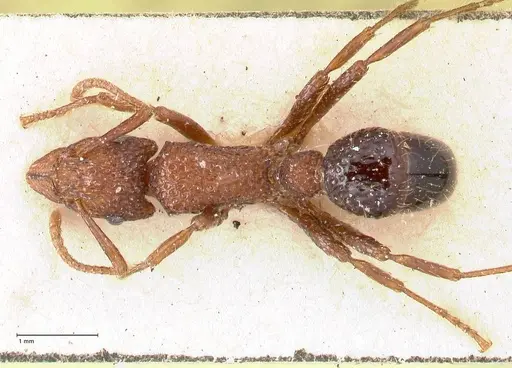
Literature
Loading...Loading products...