

Stereomyrmex horni
- Scientific Name
- Stereomyrmex horni
- Tribe
- Crematogastrini
- Subfamily
- Myrmicinae
- Author
- Emery, 1901
- Distribution
- Found in 1 countries
Stereomyrmex horni Overview
Stereomyrmex horni is an ant species of the genus Stereomyrmex. It is primarily documented in 1 countries , including Sri Lanka. Detailed taxonomic data and occurrence records can be further explored via authoritative databases such as AntWeb or the Global Biodiversity Information Facility (GBIF).
Stereomyrmex horni
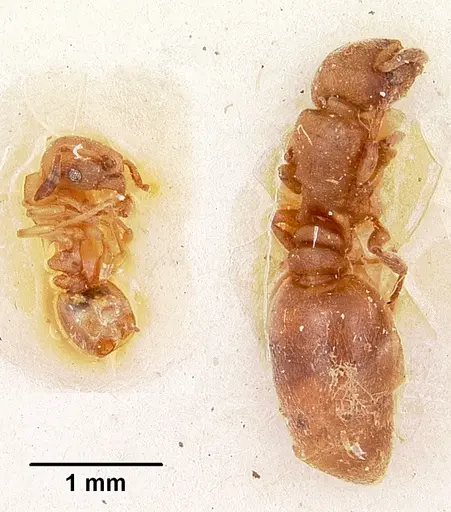
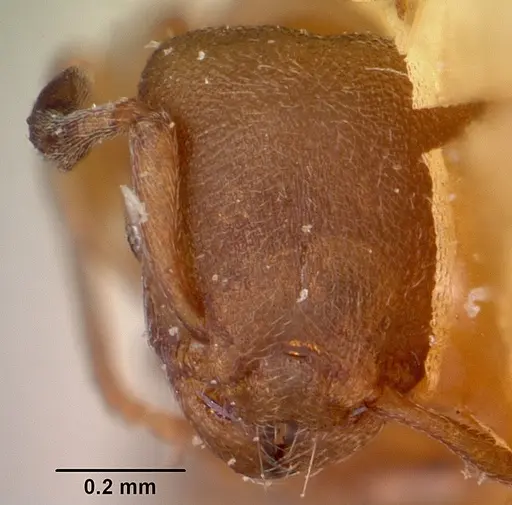
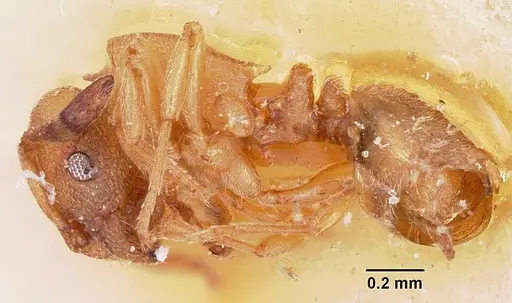
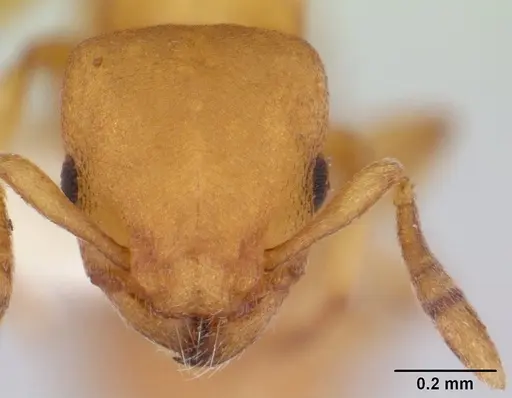
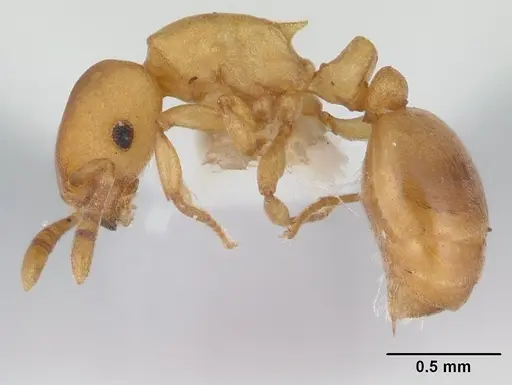
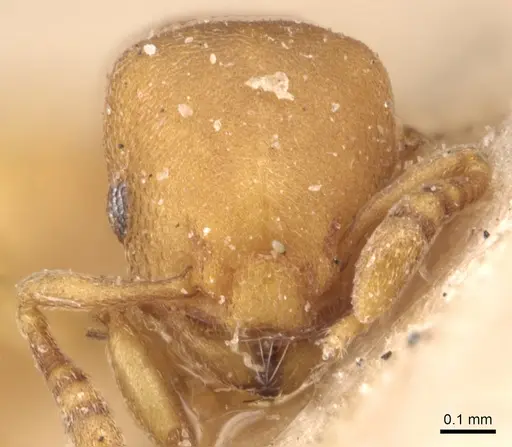
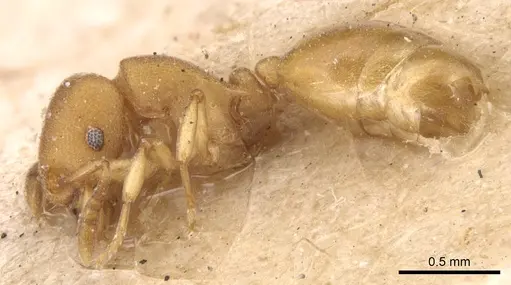
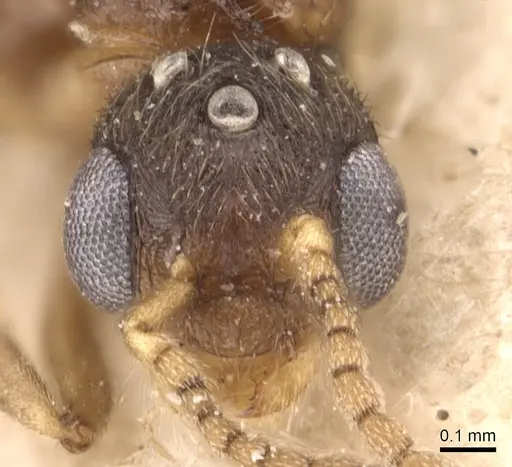
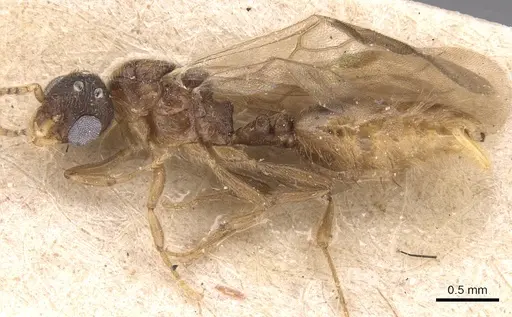
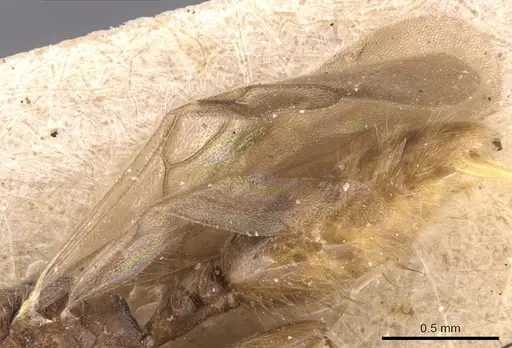
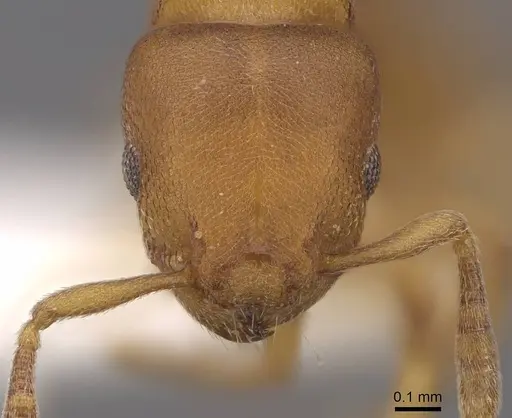
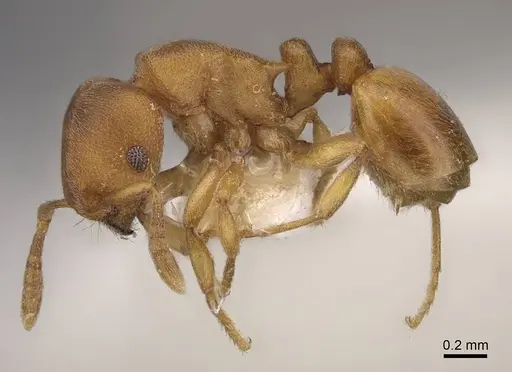
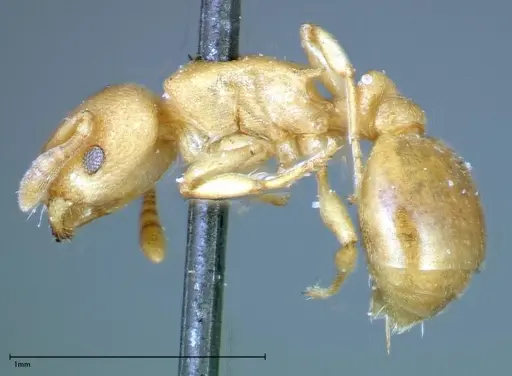
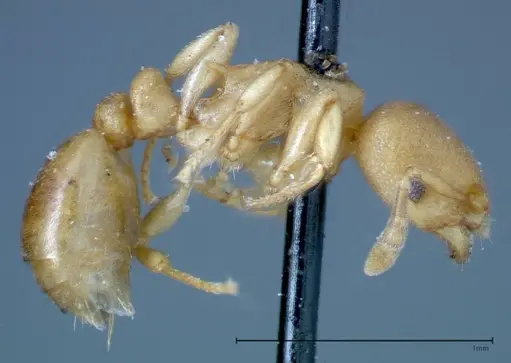
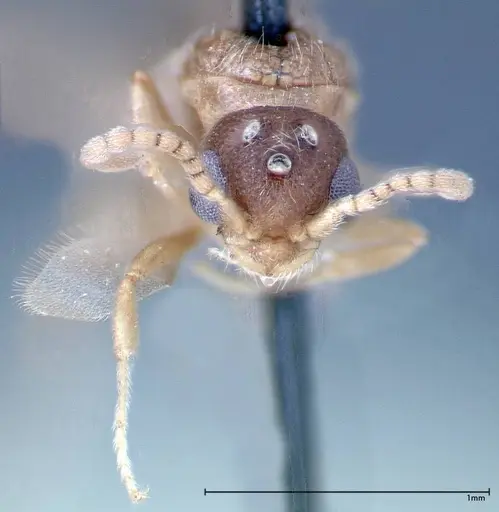
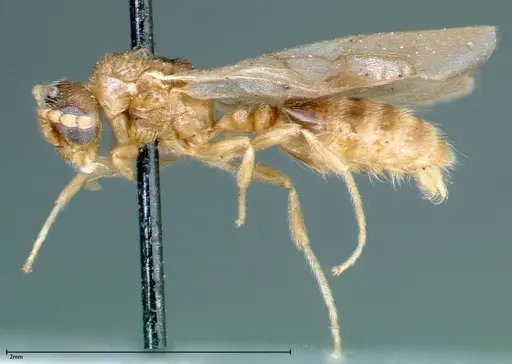
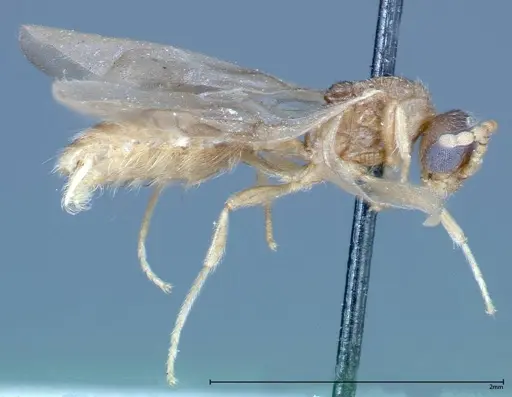
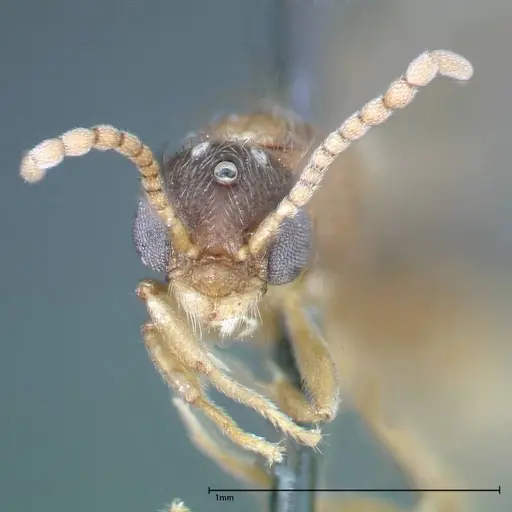
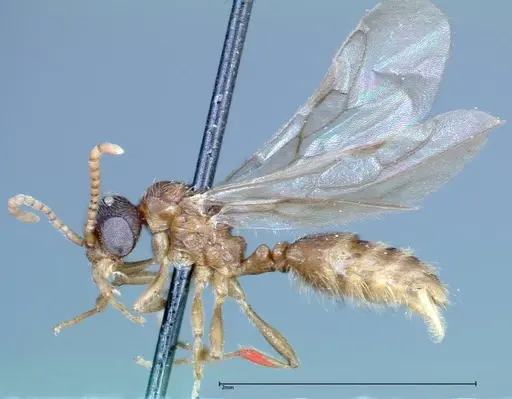
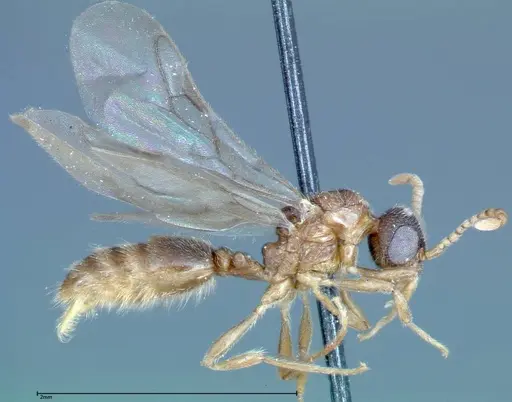
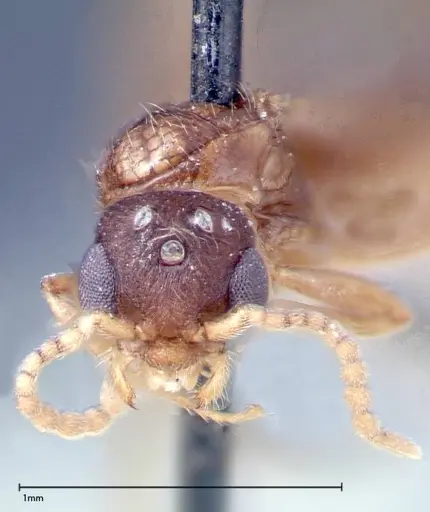
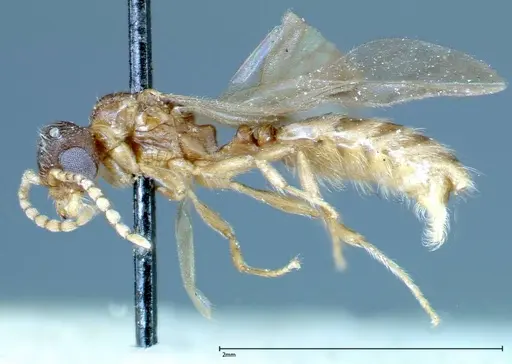
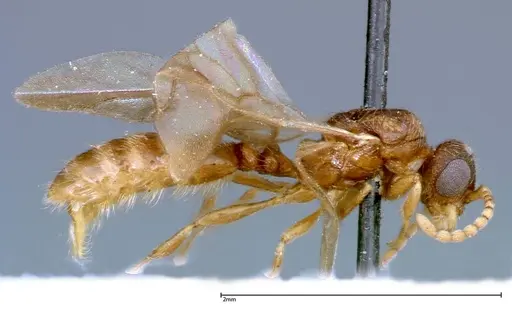
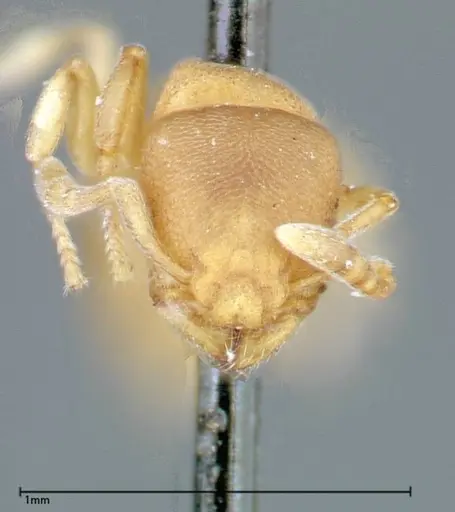
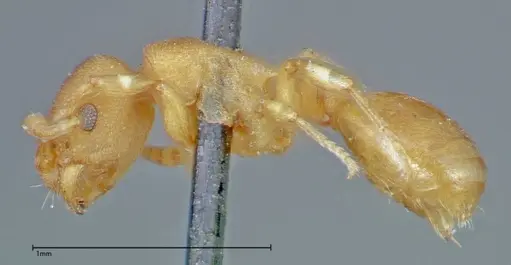
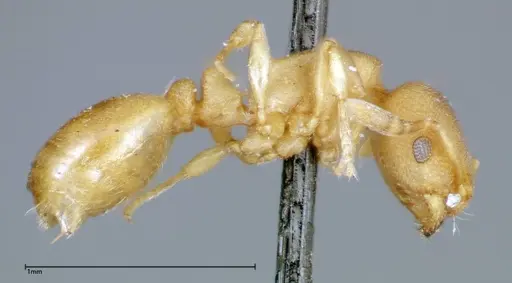
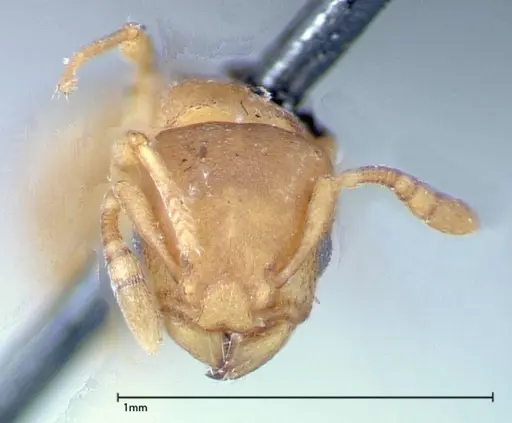
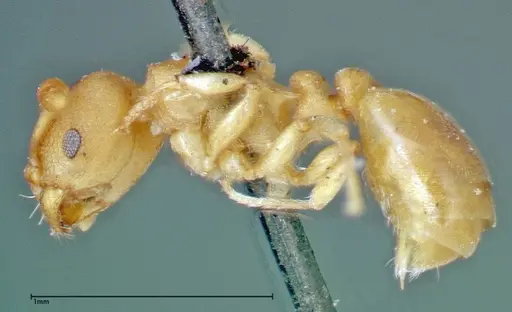
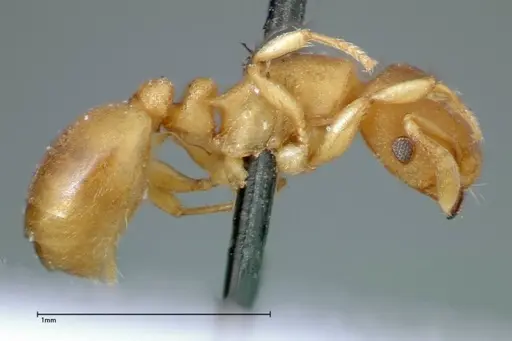
Stereomyrmex horni is a tiny Myrmicine ant endemic to Sri Lanka, belonging to the tribe Crematogastrini. Workers and males were originally described by Emery in 1901 from specimens collected in Bandarawela, and the genus was established based on these Sri Lankan specimens [1]. The queen is ergatoid, meaning she is wingless and serves as a replacement reproductive if the primary queen dies [2]. This is an exceptionally rare species, listed as Critically Endangered (CR) on Sri Lanka's National Red List with criteria B2ab(iii) [3]. The ant is dark in coloration with typical Myrmicine morphology. What makes this species particularly interesting is its extreme rarity and limited distribution, it has only been encountered a handful of times despite extensive ant surveys across Sri Lanka from 2000-2008 [1].
Quick Summary
- Difficulty: Expert
- Origin & Habitat: Endemic to Sri Lanka, found in dry mixed evergreen forest in the North Central Province (Anuradhapura Sanctuary at 108m elevation) and wet zone forests in Western and Southern provinces [1][4]. The species can survive in habitats with a wide range of soil moisture conditions and has been found in the absence of leaf litter [4].
- Colony Type: Unconfirmed colony structure. The queen is ergatoid (wingless), which typically indicates potential for replacement reproductives within established colonies. Based on typical Myrmicinae patterns, likely single-queen colonies, but this has not been directly studied.
- Size & Growth:
- Queen: Estimated 4-5mm based on ergatoid queen morphology typical of related Myrmicinae [2]
- Worker: Estimated 2-3mm based on typical genus size range [2]
- Colony: Unknown, no colony size data exists in scientific literature
- Growth: Unknown, no development data exists for this species
- Development: Unknown, no direct measurements exist. Based on typical Myrmicinae in tropical conditions, estimated 4-8 weeks at optimal temperature. (This is a pure estimate based on related species, no species-specific data is available)
- Antkeeping:
- Temperature: Field data shows air temperature 27-30°C and soil temperature 25-29°C across collection sites [4]. Keep nest area around 25-28°C as a starting point. This is based on actual field measurements, not laboratory studies.
- Humidity: Field data shows soil moisture ranging from 6.4% to 36.1% across different forest sites [4]. This species tolerates a wide moisture range. Keep substrate moderately moist but not waterlogged, with some variation available.
- Diapause: Unknown, this is a tropical species from Sri Lanka where temperatures remain warm year-round. Likely no true diapause, but may show reduced activity during cooler periods.
- Nesting: Ground-nesting species based on nest density studies in forest soils [4]. In captivity, a test tube setup or small acrylic/plaster nest would be appropriate. Provide moist soil substrate.
- Behavior: Behavior is unstudied in both wild and captive conditions. Based on typical Myrmicinae behavior, they likely form small colonies and forage on the ground. Escape risk is low given their tiny size, they are not strong climbers. Aggression levels are unknown.
- Common Issues: this species is critically endangered and should not be collected from the wild, ethical concerns about keeping rare endemic species, no captive husbandry information exists, you would be pioneering all care methods with no guidance, field-collected colonies may carry parasites that could kill them in captivity, virtually nothing is known about their diet, feeding may be experimental and uncertain, the ergatoid queen system may affect colony structure in ways we don't understand
Conservation and Ethical Considerations
Stereomyrmex horni is listed as Critically Endangered (CR) on Sri Lanka's National Red List [3]. This is one of the rarest ant species in the world, with only a handful of specimens ever collected despite intensive surveys. The species has been found in protected areas including Anuradhapura Sanctuary. For these reasons, wild collection is strongly discouraged and may even be illegal. If you are interested in keeping this species, the only ethical approach would be to work with established captive colonies from responsible breeding programs, though none are known to exist in the antkeeping hobby. This species represents a case where the antkeeping community should prioritize conservation over hobby interest.
Distribution and Habitat
This species is endemic to Sri Lanka, meaning it is found nowhere else on Earth [5]. Originally known only from the type locality of Bandarawela in the wet zone, it was later discovered in Anuradhapura Sanctuary in the dry zone North Central Province [1]. More recent surveys extended its known range to Western Province (KPFR site) and Southern Province (WFR site) [4]. At the Anuradhapura site, it was found in dry mixed evergreen forest at 108m elevation with air temperature around 29.6°C and soil moisture around 6.4% [4]. At the wetter KPFR site, air temperature was 27.3°C with much higher soil moisture of 26.6% [4]. This demonstrates the species can tolerate a wide range of moisture conditions.
Temperature and Care
Field temperature data provides the best guidance for this species. In their natural habitat, air temperatures ranged from 27-30°C and soil temperatures from 25-29°C across different forest sites [4]. Keep the nest area within this range, roughly 25-28°C. A heating cable on one side of the nest can create a gentle gradient. Since this is a tropical species from a warm climate, no hibernation or diapause is expected. However, being a ground-nesting species from Sri Lanka, they likely prefer stable conditions without major temperature fluctuations. Monitor colony behavior, if workers become sluggish, slightly increase temperature, if they avoid the heated area, reduce it.
Nest Preferences and Setup
Field studies show this is a ground-nesting species found in forest soils [4]. Nest density was studied using quadrat methods, finding up to 0.6 nests per square meter at one site [4]. In captivity, provide a nest setup with moist soil or plaster substrate. A test tube setup with damp cotton works well for founding colonies. For established colonies, a small acrylic or plaster nest with narrow chambers scaled to their tiny size would be appropriate. The wide range of soil moisture conditions they tolerate in the wild (6-36%) suggests they are adaptable, but aim for consistently damp substrate rather than wet or dry extremes.
Behavior and Temperament
The behavior of Stereomyrmex horni has never been studied in detail. Based on its placement in Myrmicinae and the Crematogastrini tribe, it likely exhibits typical ant behaviors: small ground-nesting colonies that forage for food items including nectar, small insects, and honeydew. The ergatoid queen system (wingless queens that can serve as replacement reproductives) is interesting but its implications for captive husbandry are unknown. No information exists on aggression levels, foraging patterns, or colony defense. Given their tiny size and rarity, they are unlikely to be aggressive or difficult to contain. Start with standard Myrmicinae care protocols and adjust based on observed colony behavior. [2]
Frequently Asked Questions
Can I keep Stereomyrmex horni as a pet ant?
Ethically, no, this species is Critically Endangered and should not be collected from the wild [3]. No captive breeding programs are known to exist. If you are serious about keeping this species, you would need to wait for responsible captive propagation, which does not currently exist. Please consider more common species instead.
What do Stereomyrmex horni ants eat?
Their diet is completely unstudied. Based on typical Myrmicinae behavior, they likely accept sugar sources (honey water, sugar water) and protein (small insects, mealworms). Start with standard ant foods and observe what the colony accepts. Do not rely on any specific food item until you confirm acceptance.
What temperature do Stereomyrmex horni ants need?
Field data shows they live in habitats with air temperatures of 27-30°C and soil temperatures of 25-29°C [4]. Keep nest areas around 25-28°C. A heating cable on one part of the nest creates a gradient for the ants to choose their preferred temperature.
How big do Stereomyrmex horni colonies get?
Unknown, no colony size data exists in scientific literature. Based on their rarity and the ergatoid queen system, colonies are likely small, possibly under 100 workers. This is an estimate based on typical patterns for rare tropical ants.
Do Stereomyrmex horni ants need hibernation?
No, this is a tropical species from Sri Lanka where year-round temperatures remain warm. No diapause or hibernation is expected. Maintain stable warm temperatures throughout the year.
Are Stereomyrmex horni ants dangerous?
Unknown, no studies on their defense mechanisms exist. As tiny Myrmicinae, they likely cannot sting humans effectively. Their small size and rarity make them harmless to people.
How long does it take for Stereomyrmex horni eggs to become workers?
Unknown, no development data exists for this species. Based on typical Myrmicinae in tropical conditions, estimate 4-8 weeks from egg to worker at optimal temperature. This is a rough guess, not a confirmed timeline.
Can I keep multiple Stereomyrmex horni queens together?
Unknown, colony structure has never been studied. The ergatoid queen system suggests potential for replacement reproductives, but this is not the same as multiple-queen colonies. Do not attempt combining unrelated queens without specific guidance.
What is an ergatoid queen?
An ergatoid queen is a wingless, non-flying queen that develops from a normal larva rather than the typical winged reproductive form. Ergatoid queens can serve as replacement reproductives if the primary queen dies or becomes ineffective. This is an interesting trait but its practical implications for antkeeping are not well understood.
Why is Stereomyrmex horni so rare?
This species has an extremely limited distribution, found only in Sri Lanka. Despite intensive ant surveys across the country from 2000-2008,it was encountered only a few times [1]. Its rarity may be due to specialized habitat requirements, low population density, or both. This is why it is listed as Critically Endangered.
References

This caresheet is licensed under CC BY-SA 4.0 .
CASENT0101263
View on AntWeb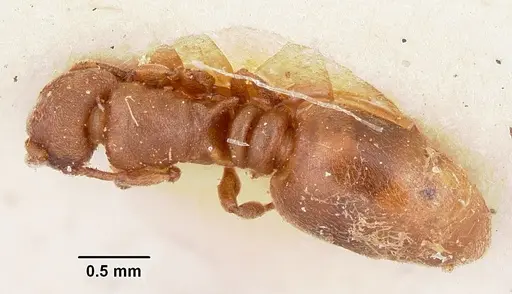

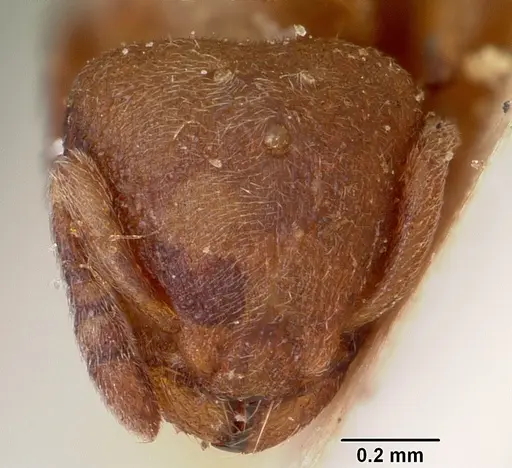
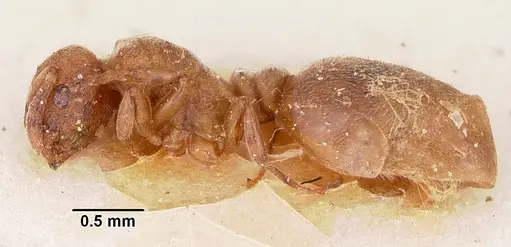
CASENT0101264
View on AntWeb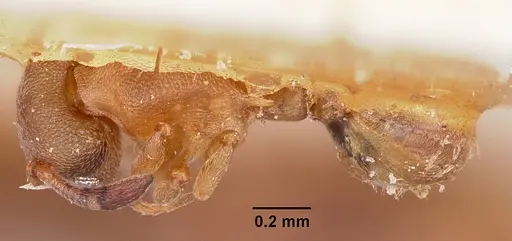
CASENT0101796
View on AntWeb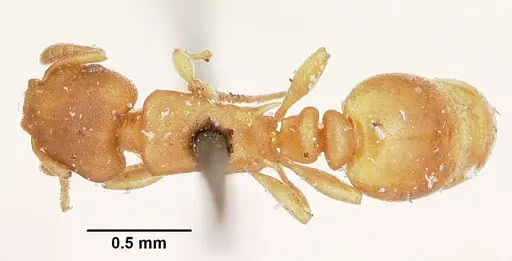
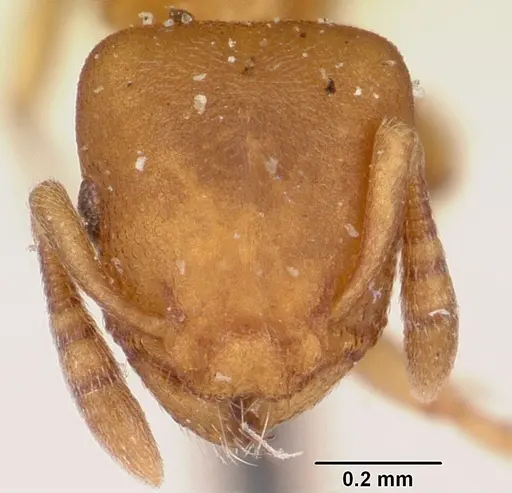
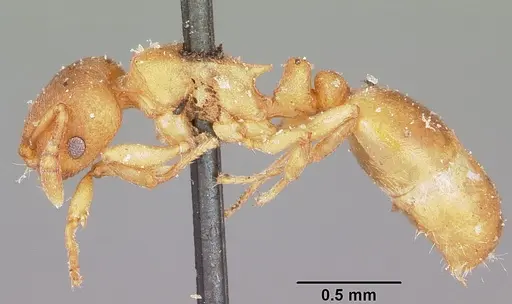
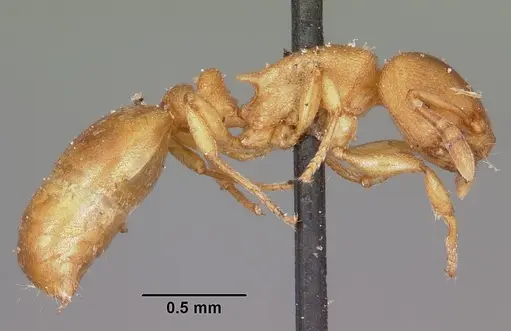
CASENT0178593
View on AntWeb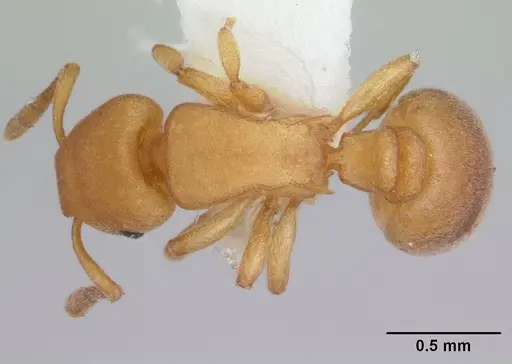
CASENT0904458
View on AntWeb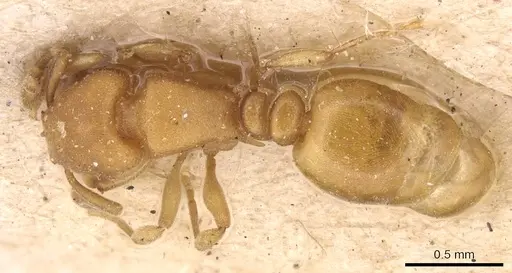
CASENT0904459
View on AntWeb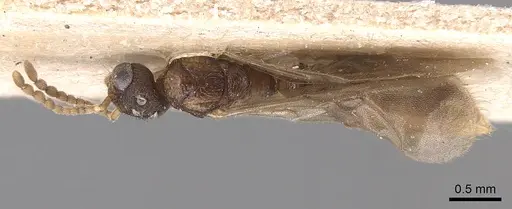
CASENT0922896
View on AntWeb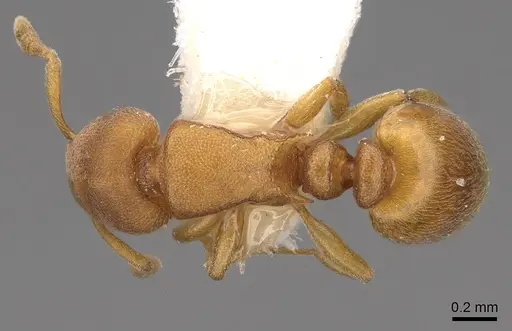
FOCOL0290
View on AntWeb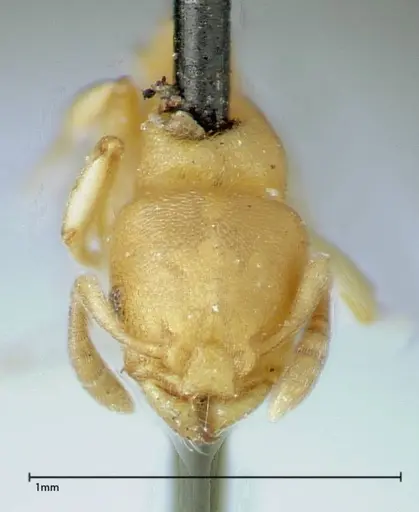
FOCOL0291
View on AntWeb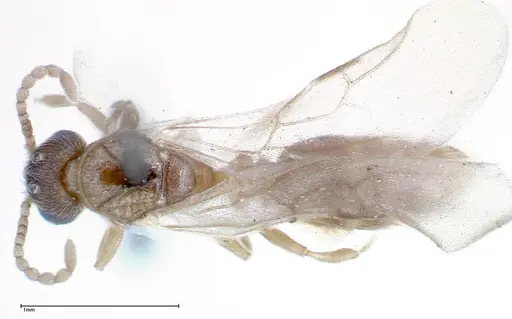
FOCOL0292
View on AntWeb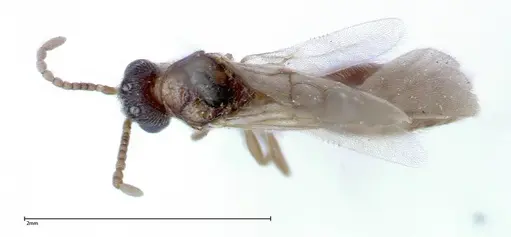
FOCOL0293
View on AntWeb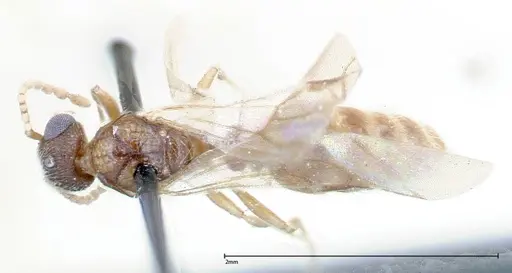
FOCOL0294
View on AntWeb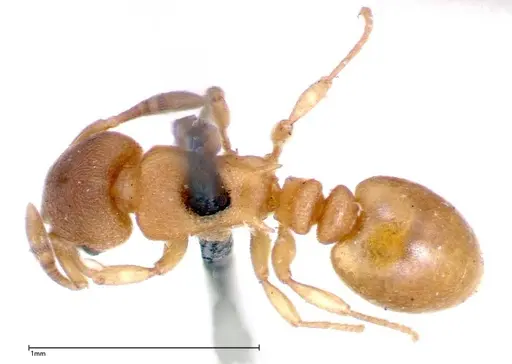
FOCOL0295
View on AntWeb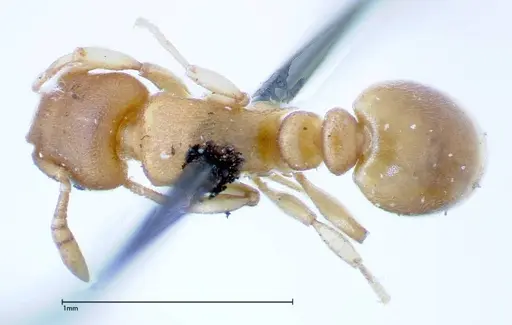
Literature
Loading...Loading products...