

Stereomyrmex anderseni
- Scientific Name
- Stereomyrmex anderseni
- Tribe
- Crematogastrini
- Subfamily
- Myrmicinae
- Author
- Taylor, 1991
- Distribution
- Found in 1 countries
Stereomyrmex anderseni Overview
Stereomyrmex anderseni is an ant species of the genus Stereomyrmex. It is primarily documented in 1 countries , including Australia. Detailed taxonomic data and occurrence records can be further explored via authoritative databases such as AntWeb or the Global Biodiversity Information Facility (GBIF).
Stereomyrmex anderseni
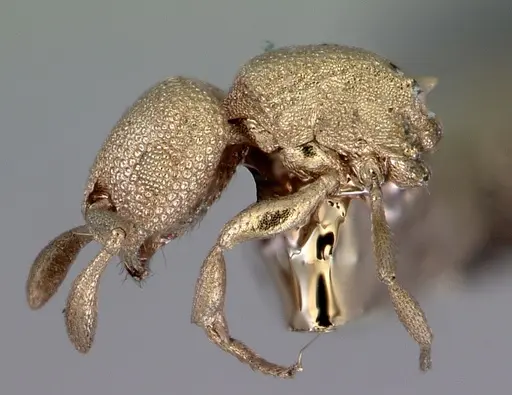
Stereomyrmex anderseni is a tiny yellow-brown ant native to the Kimberley region of Western Australia. Workers measure just 2mm in total length, making them one of the smaller ant species you'll encounter in the hobby. Their body is bright yellow-brown with a distinctly dark gastral dorsum, and they have black eyes and dark mandibular teeth. The head is expanded posterolaterally, and they possess short but acute propodeal spines. This species is the only Stereomyrmex species found in Western Australia, making it a unique addition for antkeepers interested in Australian natives [1]. They were first described in 1991 from specimens collected in sclerophyll woodland near the King Edward River.
Quick Summary
- Difficulty: Medium
- Origin & Habitat: Kimberley region of Western Australia, in sclerophyll woodland on brown sand dominated by Eucalyptus miniata and E. tetrodonta. The habitat features understory of annual grasses and leguminous scrub.
- Colony Type: Colony structure is unconfirmed. This is a poorly studied species with limited research available.
- Size & Growth:
- Queen: Unknown, queen has not been described in scientific literature
- Worker: 2mm total length (TL ca. 2.0mm)
- Colony: Unknown, no colony size data available
- Growth: Unknown, no development data available
- Development: Unknown, no direct development data exists for this species. Based on typical Myrmicinae patterns and small body size, expect roughly 6-10 weeks at optimal temperature, but this is an estimate. (No species-specific development studies exist. Related Crematogastrini tribe members suggest moderate growth rates.)
- Antkeeping:
- Temperature: Based on their Kimberley origin (tropical northern Australia), aim for warm conditions around 24-28°C. The Kimberley region experiences hot temperatures year-round, so they likely tolerate higher temperatures well.
- Humidity: Semi-arid to arid woodland habitat suggests moderate to low humidity needs. Allow the nest to dry out partially between waterings, but provide a moisture gradient so ants can choose their preferred zone.
- Diapause: Unknown, no specific studies on overwintering requirements. Kimberley temperatures rarely drop below 15°C, so they likely do not require true hibernation. A slight cool-down period during winter months may be beneficial.
- Nesting: Natural nesting occurs in soil under stones in woodland habitats. A naturalistic setup with sandy substrate and flat stones works well, or a Y-tong/plaster nest with moderate humidity.
- Behavior: Temperament is unconfirmed, but being a small Myrmicinae, they likely have a functional stinger for defense. Their small size (2mm workers) means escape prevention is critical, they can squeeze through tiny gaps. Foraging style is unknown but likely involves ground-level searching. Handle with care given their small size and potential defensive capabilities.
- Common Issues: very small worker size makes escape prevention challenging, use fine mesh and tight-fitting barriers, no published care guidelines exist, this is a rare species in the antkeeping hobby, colony size and growth rate are unknown, making it difficult to predict development timelines, queen has never been described, founding behavior and colony structure are unconfirmed, limited availability in the hobby means few keeper resources exist for troubleshooting
Origin and Distribution
Stereomyrmex anderseni is endemic to the Kimberley region of Western Australia, specifically around the King Edward River area (15°08'50"S, 126°08'40"E). This makes it the only Stereomyrmex species found in Western Australia, though the genus has other species in Southeast Asia [1]. The type specimens were collected in June 1988 using pitfall traps in sclerophyll woodland. The natural habitat features sandy soils dominated by Eucalyptus miniata and E. tetrodonta trees, with an understory of annual grasses and leguminous scrub. This environment suggests they are adapted to warm, relatively dry conditions with seasonal variation.
Identification and Morphology
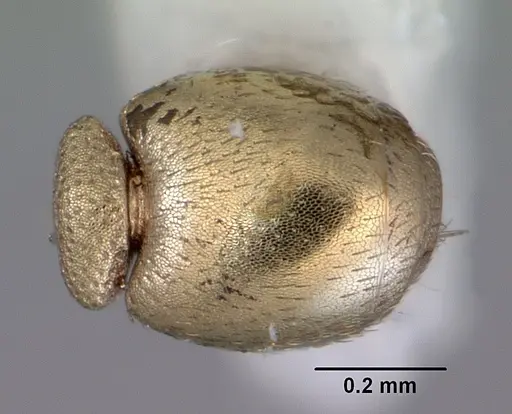
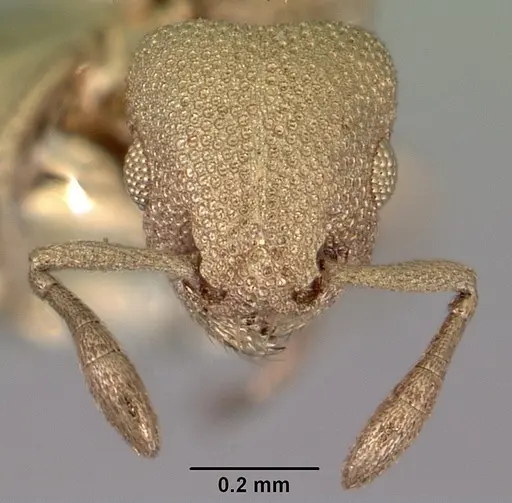
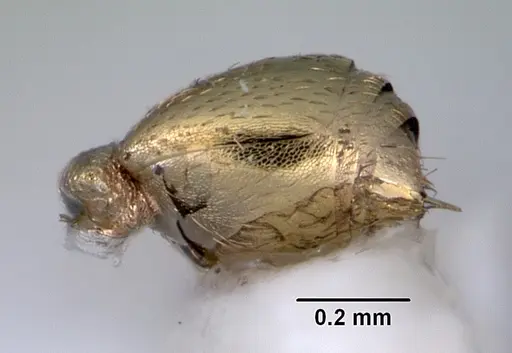
Workers of S. anderseni are tiny at approximately 2mm total length. They are readily distinguished from their closest relative Stereomyrmex dispar by their much smaller size, different petiolar and postpetiolar structure, and pale yellow-brown coloration. The head is expanded posterolaterally, and the clypeus is inflated anteromedially. They have 5-toothed mandibles with the apical tooth being the largest. Their antennal club is indistinctly 3-jointed. The propodeal spines are short but acute, posterodorsolaterally directed. A notable feature is their moderately strong, blade-like sting without an apical appendage. The gaster is broad and flattened, with the dorsal surface darkly infuscated, appearing darkest medially.
Housing and Nesting
In their natural habitat, they nest in soil under stones in woodland areas. For captive care, a naturalistic setup with sandy substrate and flat stones on top works well, allowing you to observe colony activity. Alternatively, a Y-tong (AAC) or plaster nest with moderate humidity can work. Given their tiny 2mm size, ensure your setup has no gaps larger than 1mm, these ants are excellent at finding escape routes. Provide a moisture gradient within the nest so the colony can self-regulate their humidity preferences. The sandy substrate they naturally inhabit suggests they can tolerate drier conditions compared to rainforest species.
Temperature and Heating
Being from the Kimberley region of northern Western Australia, these ants are adapted to warm conditions. The Kimberley experiences temperatures regularly exceeding 30°C during the dry season, with warm nights. Aim for a temperature range of 24-30°C within the nest area. A heating cable or mat on one side of the nest can create the necessary gradient. Avoid temperatures below 20°C for extended periods. Unlike temperate species, they do not require true hibernation, but a slight reduction in temperature during winter months (around 20-24°C) may simulate seasonal changes and promote colony health.
Feeding and Diet
No specific dietary studies exist for this species. As a Myrmicinae ant, they likely have a varied diet similar to other small Crematogastrini species, a combination of sugars (honey water, sugar water) and protein (small insects, mealworms). In their natural habitat, they would forage for honeydew from aphids and small arthropods. Offer sugar water or honey water as a constant carbohydrate source, and provide small protein items like fruit flies, pinhead crickets, or mealworm pieces. Given their tiny size, prey items should be appropriately sized, no larger than their own body size.
Challenges and Considerations
This species presents several challenges for antkeepers. First, it is extremely rare in the antkeeping hobby, you may have difficulty finding colonies or queens for sale. Second, almost no published care guides exist, so you will be pioneering husbandry techniques. Third, their tiny 2mm size requires excellent escape prevention with fine mesh barriers. Fourth, the queen has never been scientifically described, so identifying a true queen may be difficult if you find a wild colony. Finally, colony growth rates and maximum size are unknown, making it hard to plan long-term housing needs. Start with a small test tube setup and be prepared to upgrade as the colony grows. [1]
Frequently Asked Questions
How do I care for Stereomyrmex anderseni ants?
This is a rare Australian species with limited care documentation. Based on their Kimberley origin, keep them warm (24-30°C) with moderate humidity. Use a naturalistic setup with sandy substrate or a Y-tong nest. Their tiny 2mm size means escape prevention is critical. Feed sugar water and small protein items. This is a pioneering species in the hobby with no established care protocols.
What do Stereomyrmex anderseni eat?
No species-specific dietary studies exist. Based on related Crematogastrini ants, they likely accept sugar water or honey water as a carbohydrate source, and small protein like fruit flies, pinhead crickets, or mealworm pieces. Offer appropriately sized prey given their tiny 2mm worker size.
What temperature do Stereomyrmex anderseni need?
Keep them warm, around 24-30°C. They originate from the Kimberley region of Western Australia where temperatures are consistently warm. A heating cable on one side of the nest can create a gradient. Avoid temperatures below 20°C for extended periods.
How big do Stereomyrmex anderseni colonies get?
Unknown, no colony size data has been published. Being a small species (2mm workers), colonies are likely modest in size, possibly reaching a few hundred workers at most. Related Crematogastrini species typically form colonies of 100-500 workers.
Do Stereomyrmex anderseni ants sting?
Yes, they have a moderately strong, blade-like sting. As Myrmicinae ants, they possess a functional stinger. However, given their tiny 2mm size, the sting is likely mild and would only be noticeable to humans if multiple ants stinging simultaneously.
Where is Stereomyrmex anderseni found?
They are endemic to the Kimberley region of Western Australia, specifically around the King Edward River. This is the only Stereomyrmex species found in Western Australia, though related species exist in Southeast Asia.
Can I keep Stereomyrmex anderseni in a test tube?
Yes, a test tube setup works for founding colonies. However, given their tiny 2mm size, ensure excellent escape prevention, use cotton that is packed tightly and consider wrapping the tube with fine mesh. Monitor for escapes, especially as the colony grows.
How long does it take for Stereomyrmex anderseni to develop from egg to worker?
Unknown, no species-specific development data exists. Based on typical Myrmicinae patterns and their small body size, estimate roughly 6-10 weeks at optimal temperature (around 26-28°C). This is an educated guess rather than confirmed data.
Is Stereomyrmex anderseni a good species for beginners?
No, this is not recommended for beginners. The species is extremely rare in the hobby, has no established care protocols, and almost no published information on colony development. Additionally, their tiny size requires careful attention to escape prevention. This is a species for experienced antkeepers interested in pioneering husbandry techniques.
Do Stereomyrmex anderseni need hibernation?
Probably not. The Kimberley region rarely experiences cold temperatures, and ants from this area are adapted to year-round warmth. A slight temperature reduction during winter months (around 20-24°C) may be beneficial, but true hibernation is likely not required.
References

This caresheet is licensed under CC BY-SA 4.0 .
CASENT0172304
View on AntWeb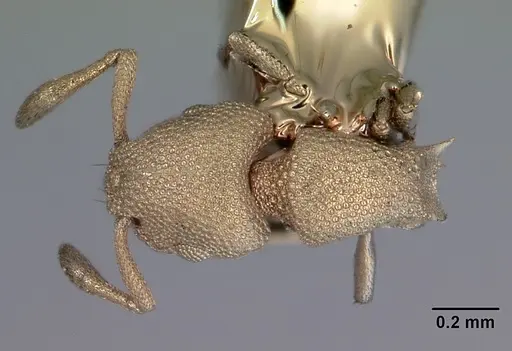
Literature
Loading...Loading products...