

Stenamma snellingi
- Scientific Name
- Stenamma snellingi
- Tribe
- Stenammini
- Subfamily
- Myrmicinae
- Author
- Bolton, 1995
- Distribution
- Found in 1 countries
Stenamma snellingi Overview
Stenamma snellingi is an ant species of the genus Stenamma. It is primarily documented in 1 countries , including United States of America. Detailed taxonomic data and occurrence records can be further explored via authoritative databases such as AntWeb or the Global Biodiversity Information Facility (GBIF).
Stenamma snellingi
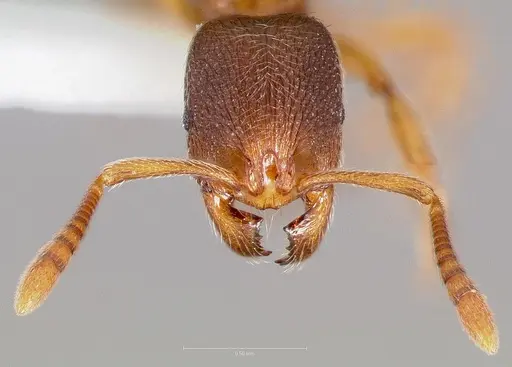
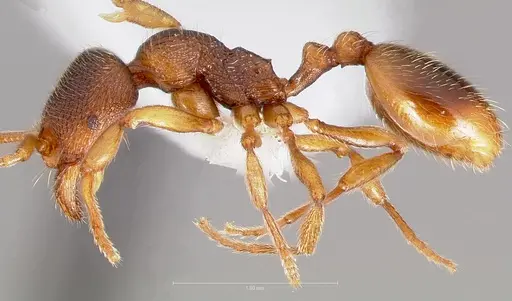
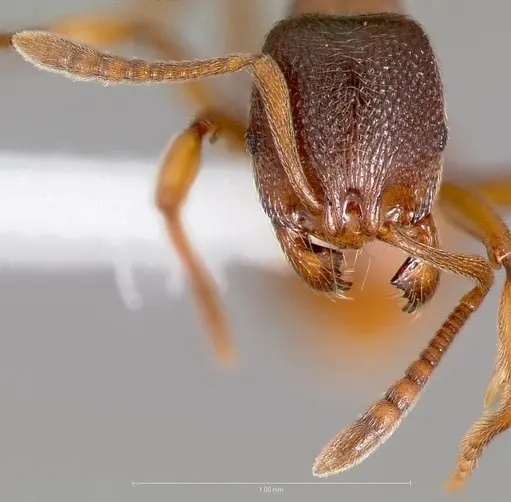
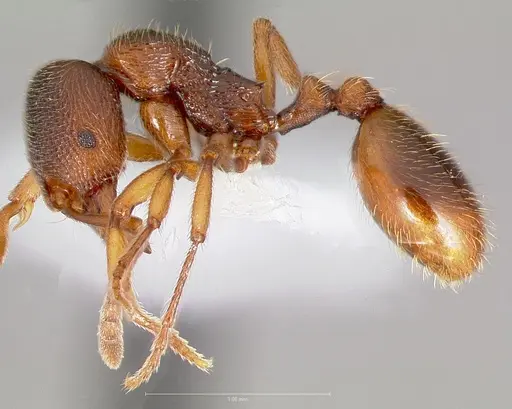
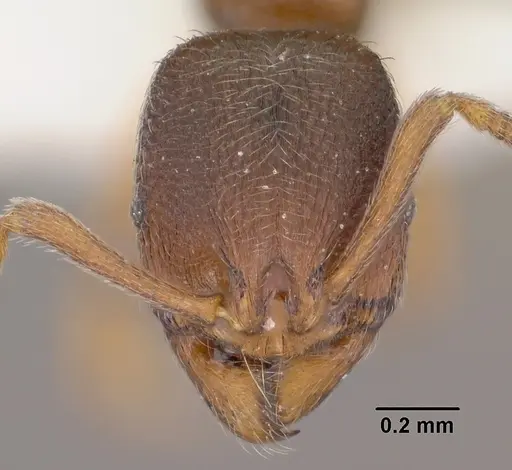
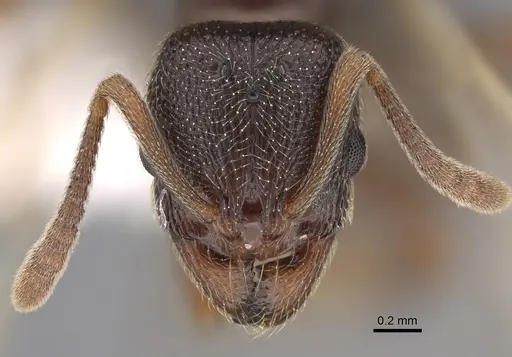
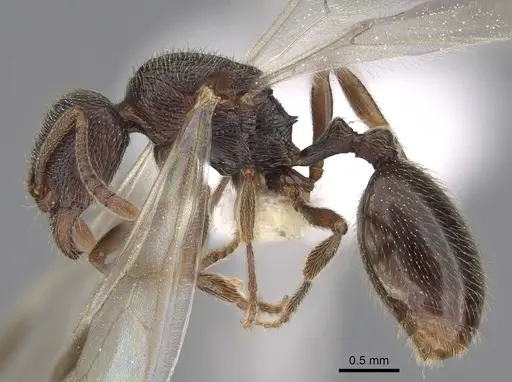
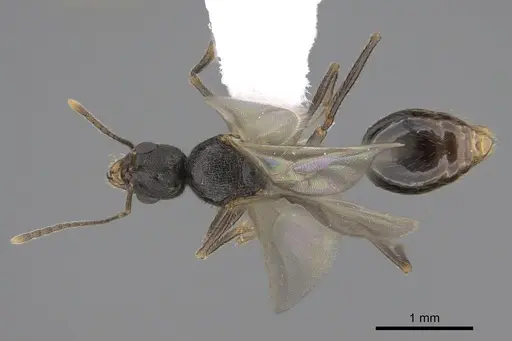
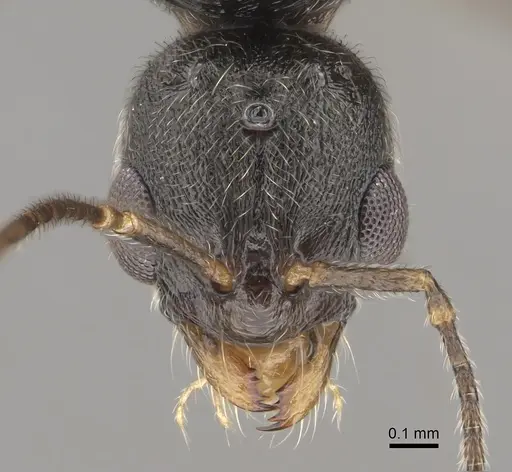
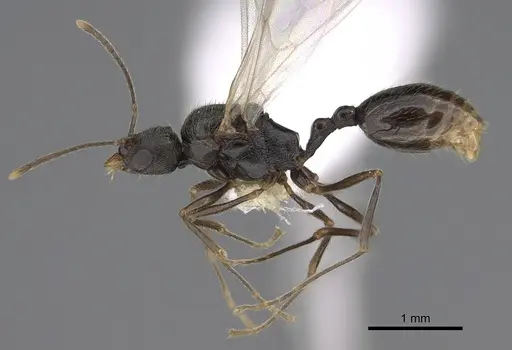
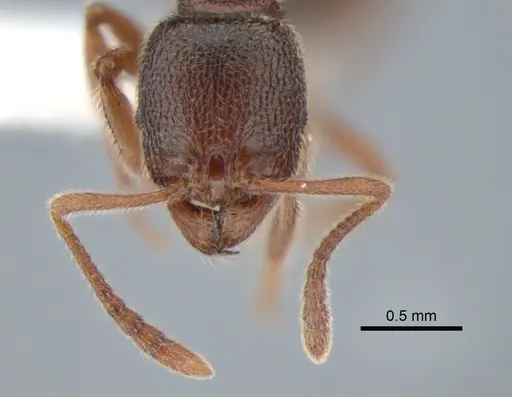
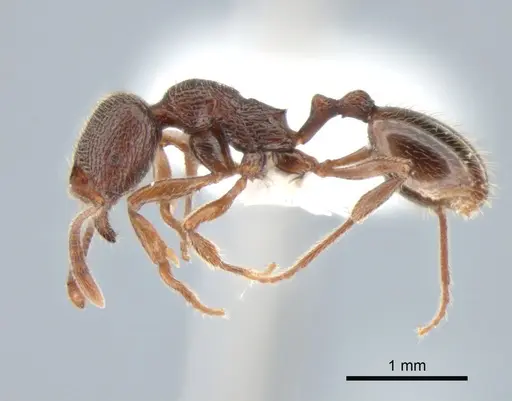
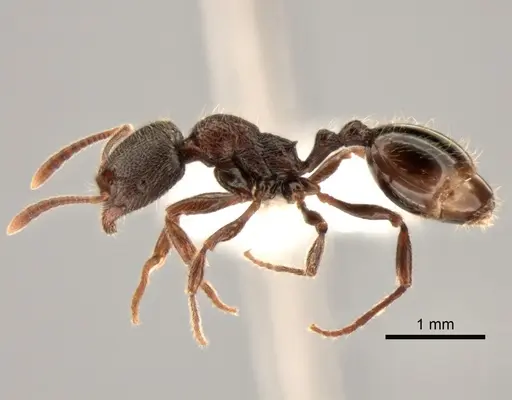
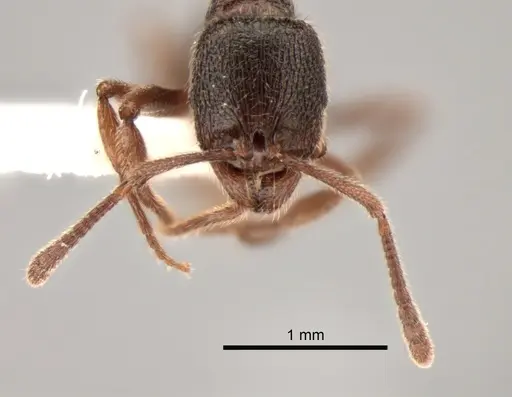
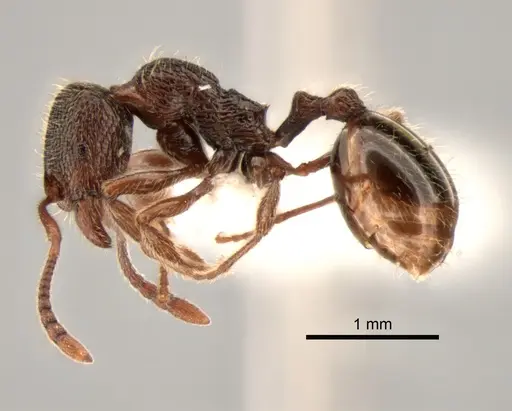
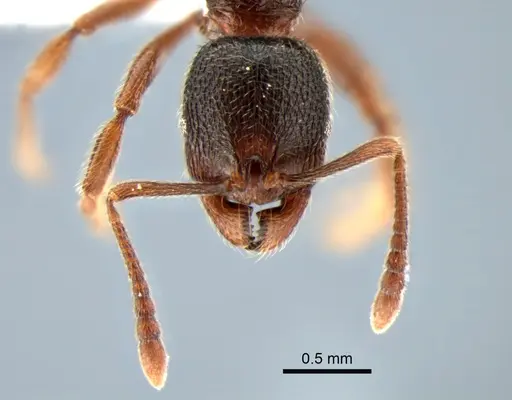
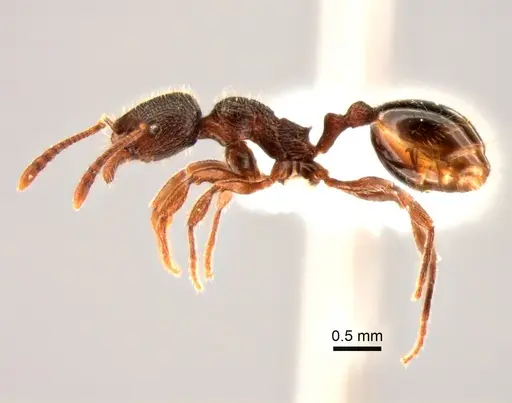
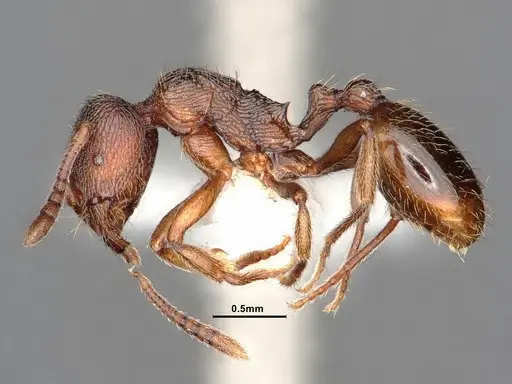
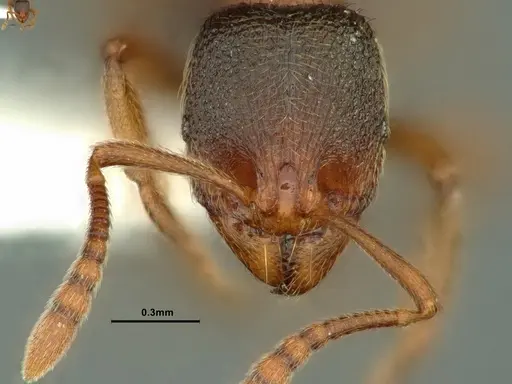
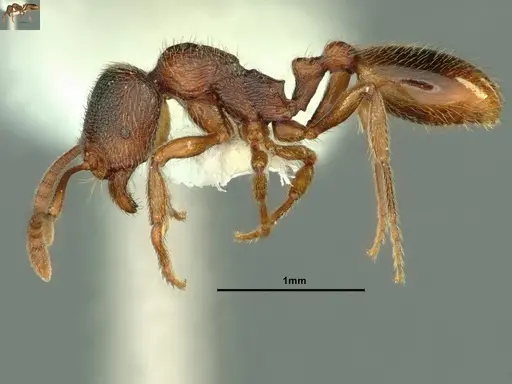
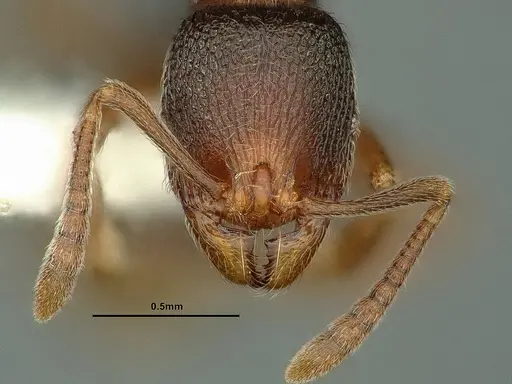
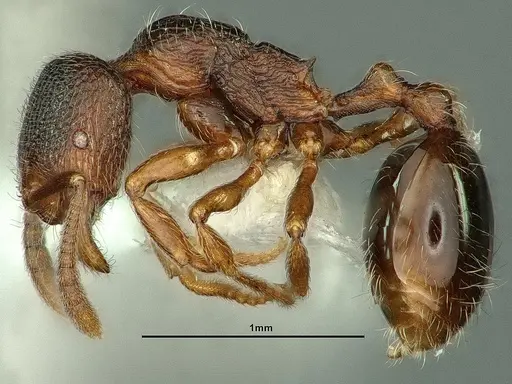
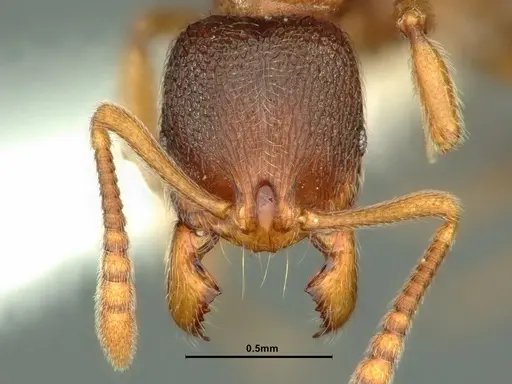
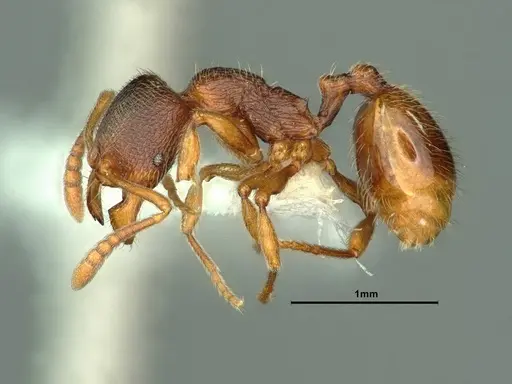
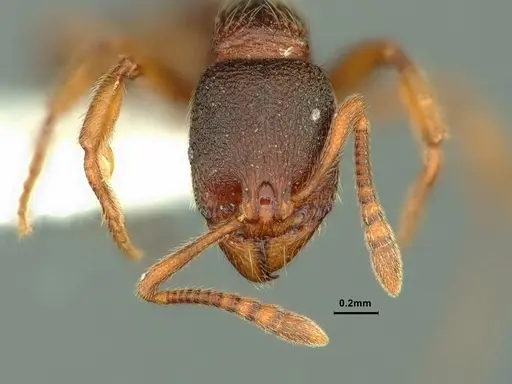
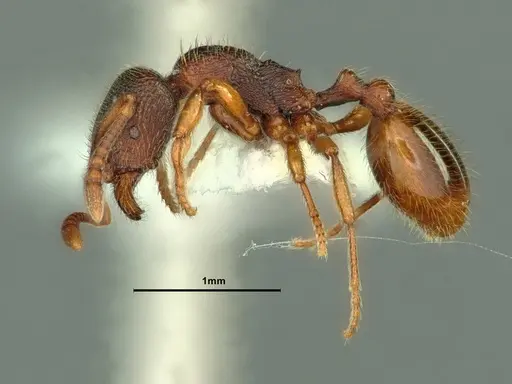
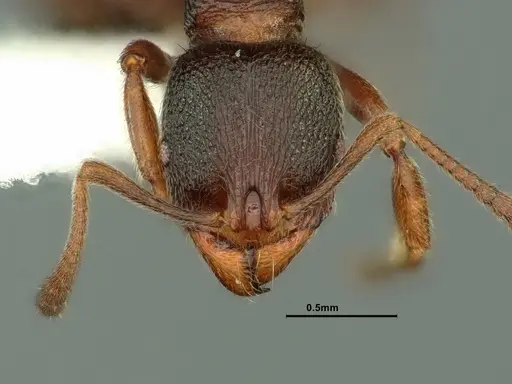
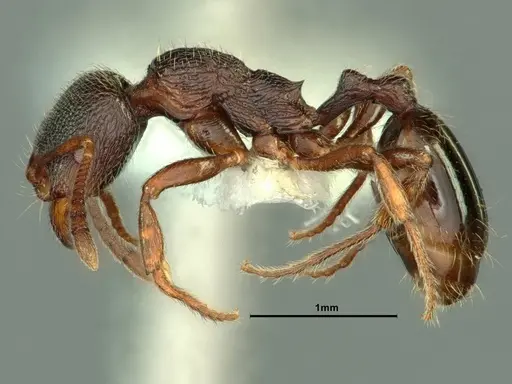
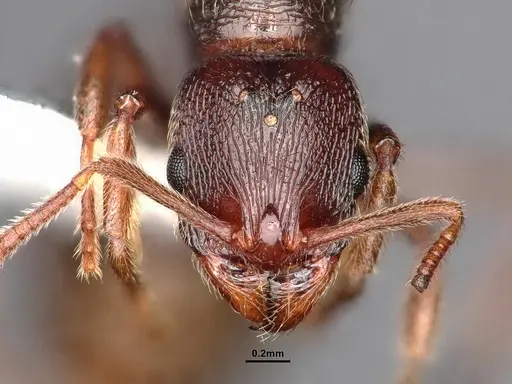
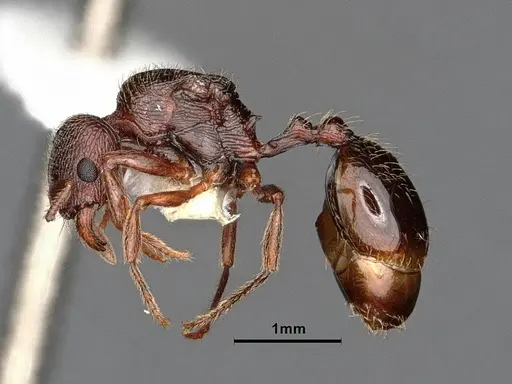
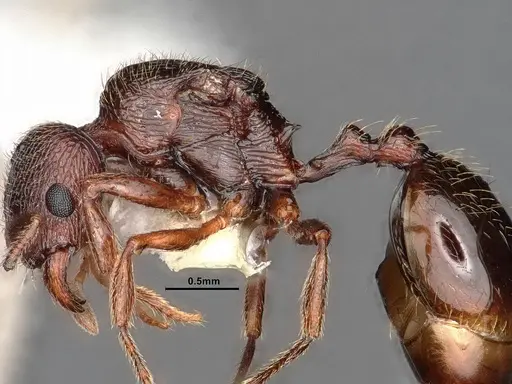
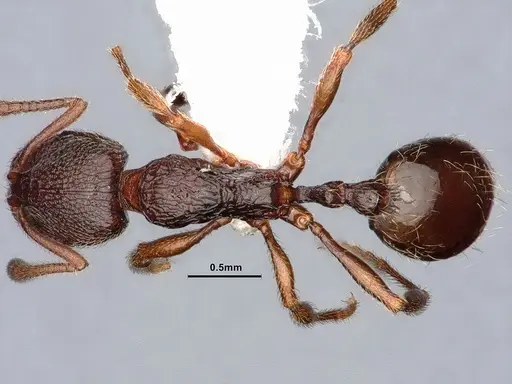
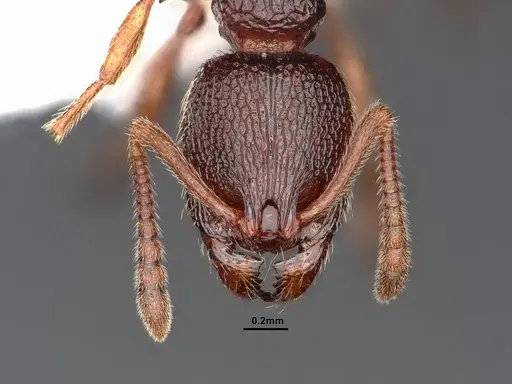
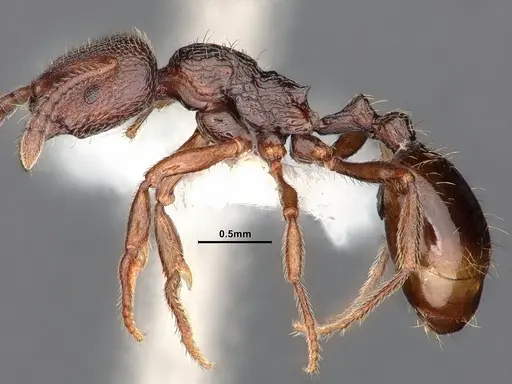
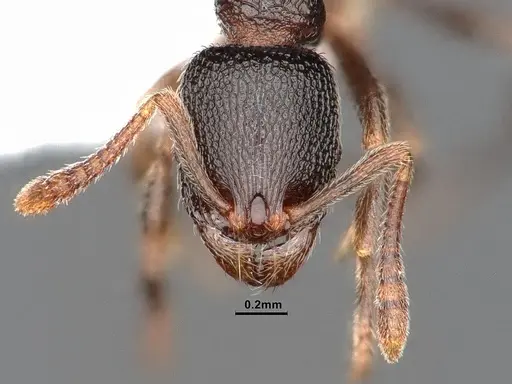
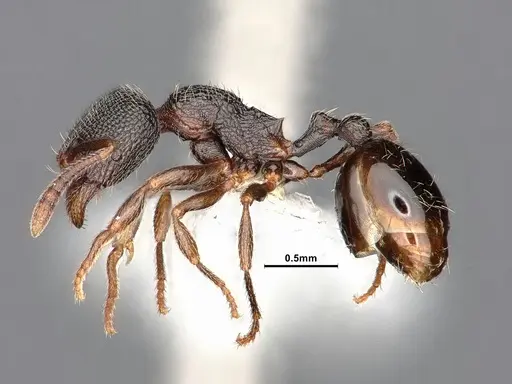
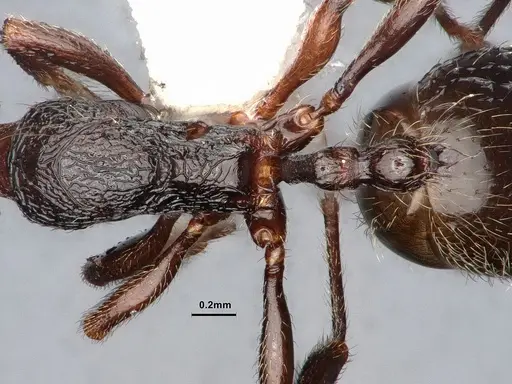
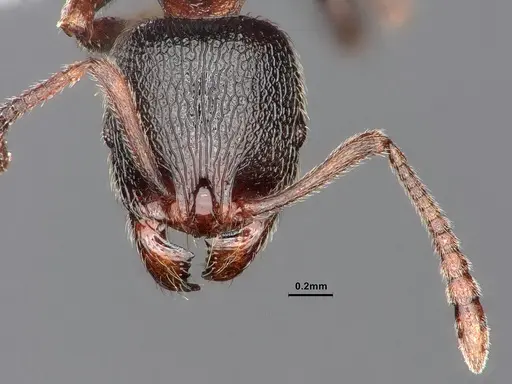
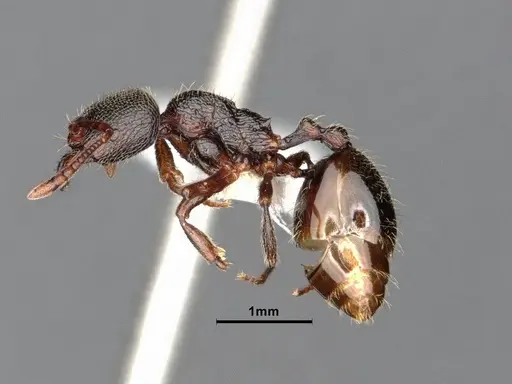
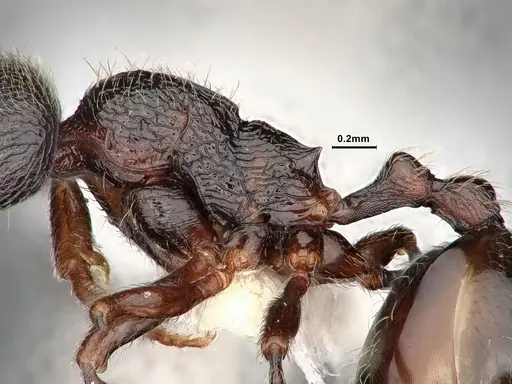
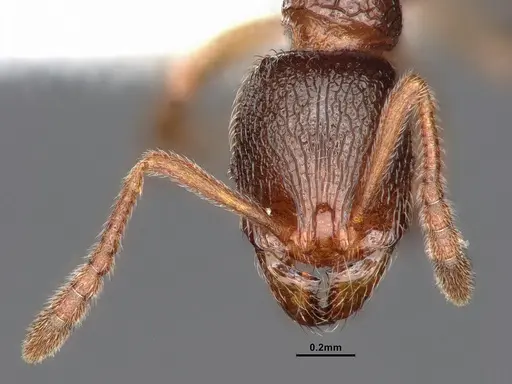
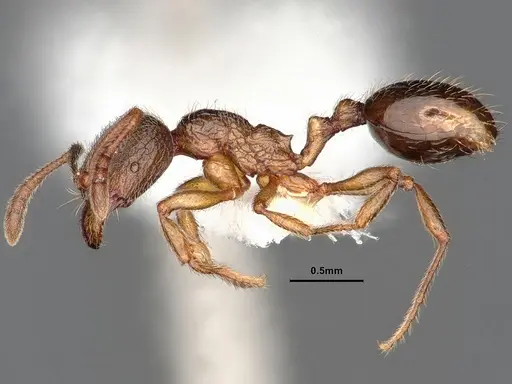
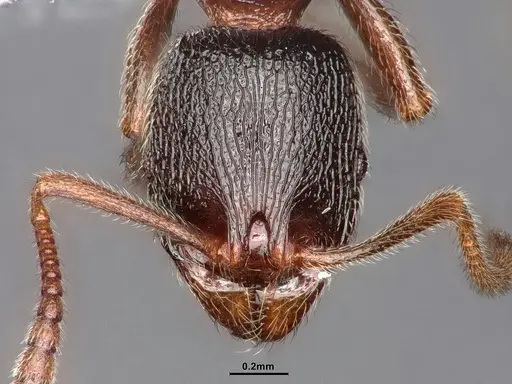
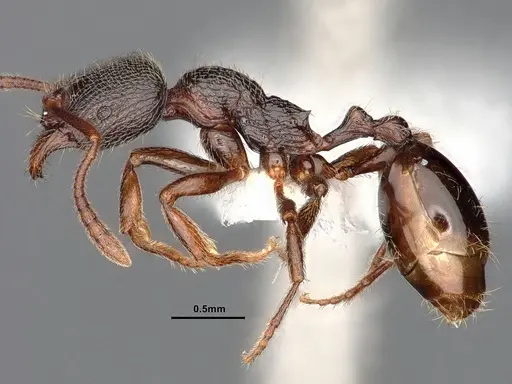
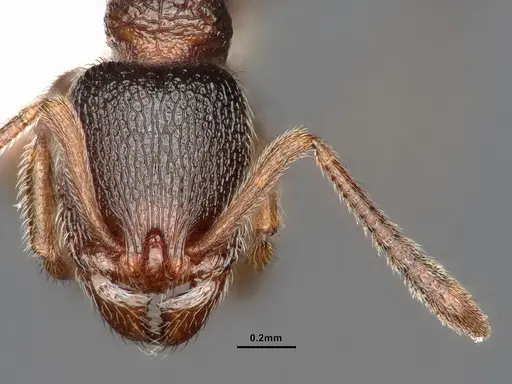
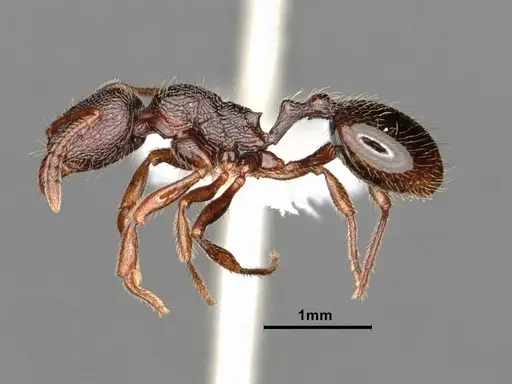
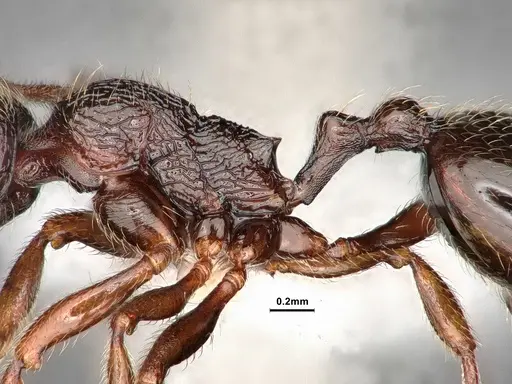
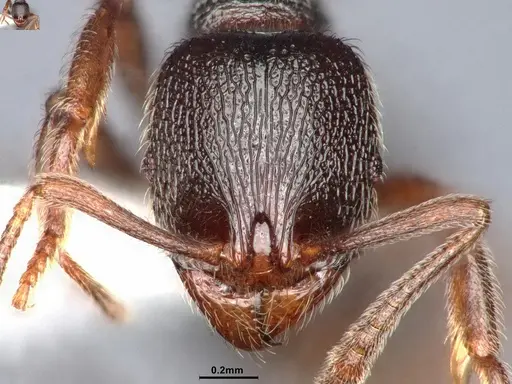
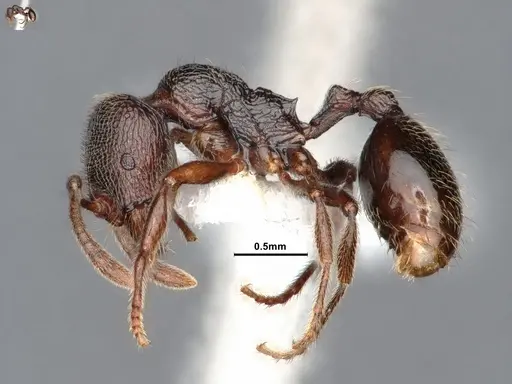
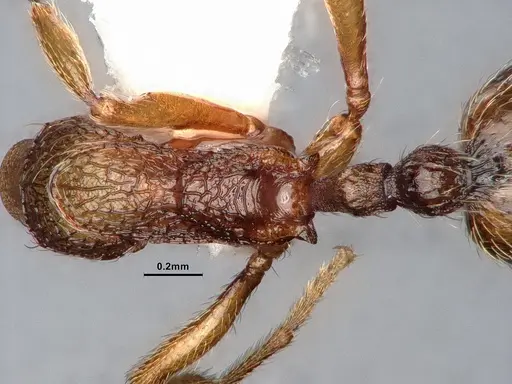
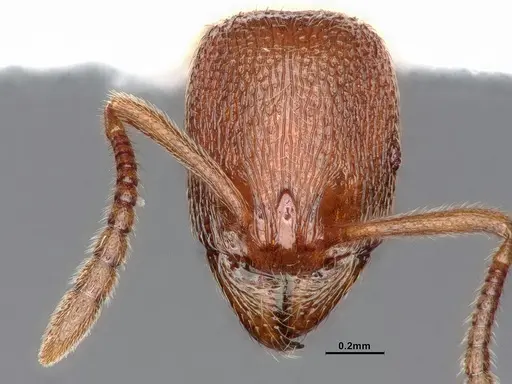
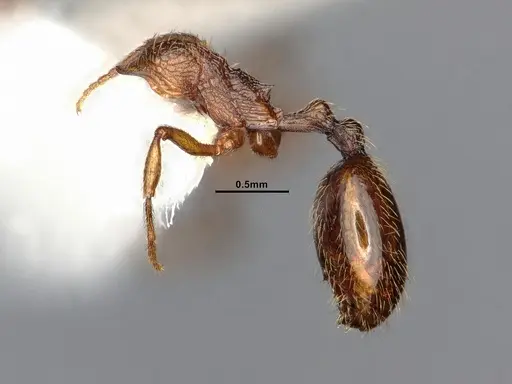
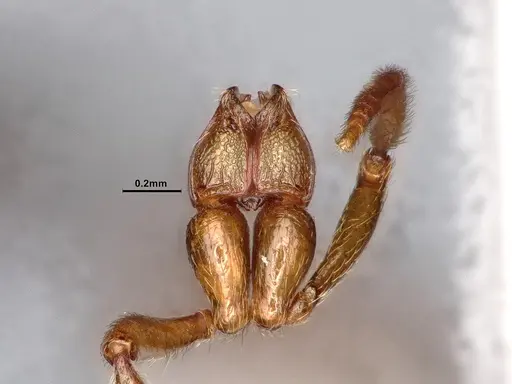
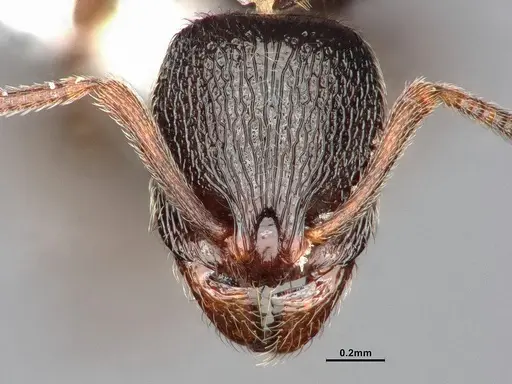
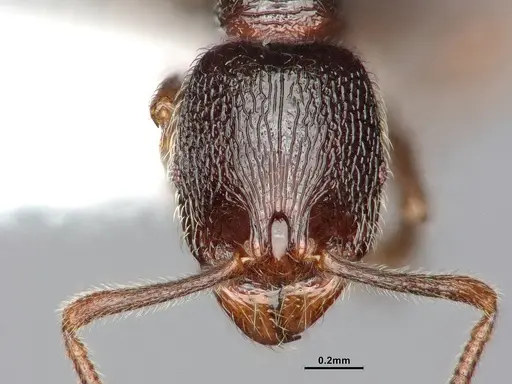
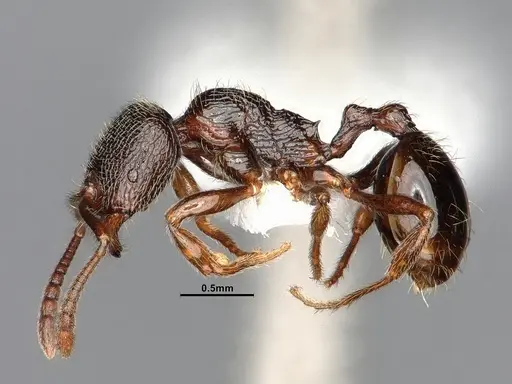
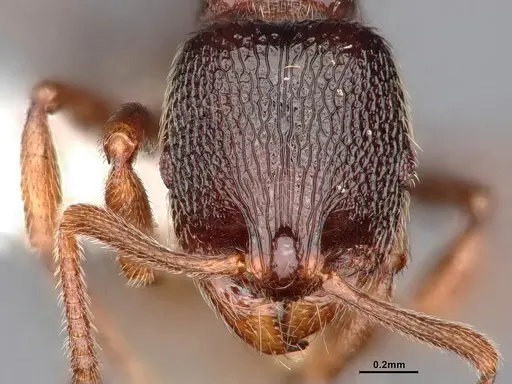
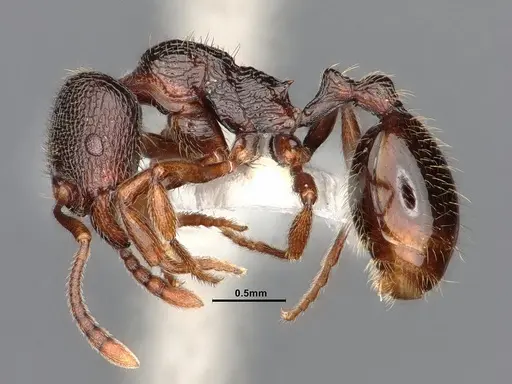
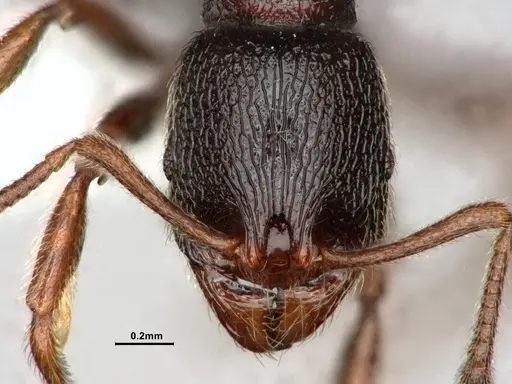
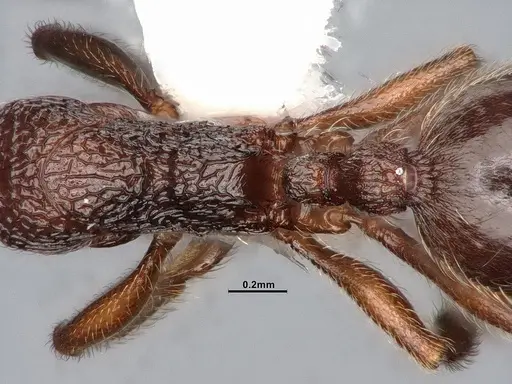
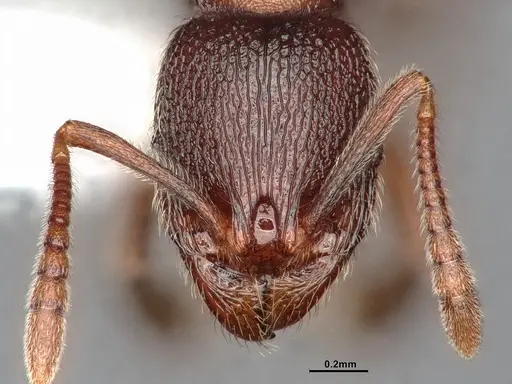
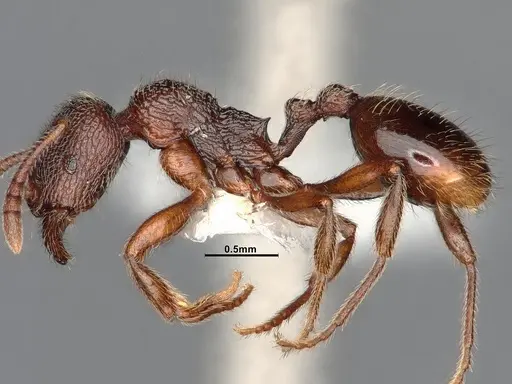
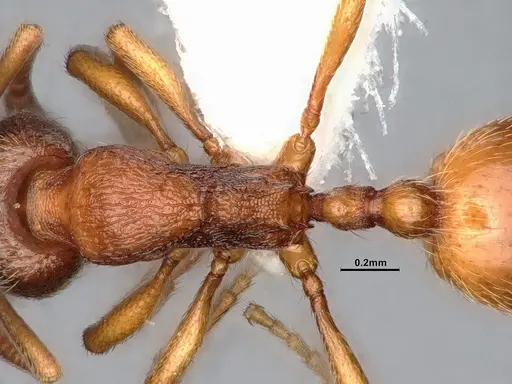
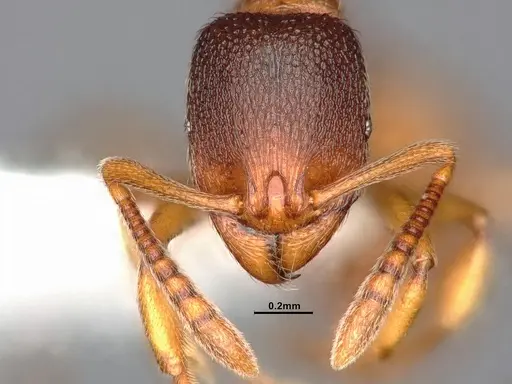
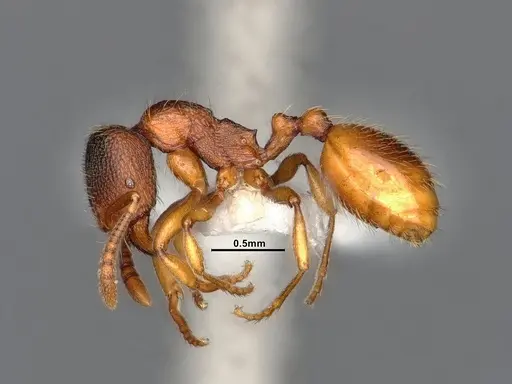
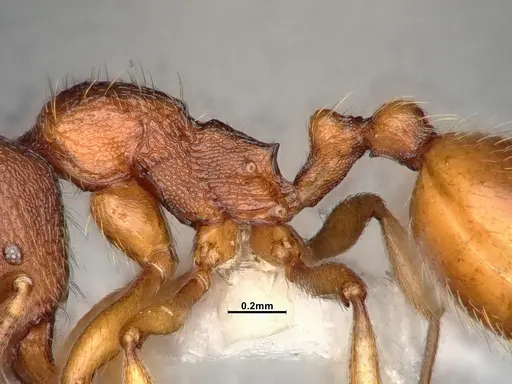
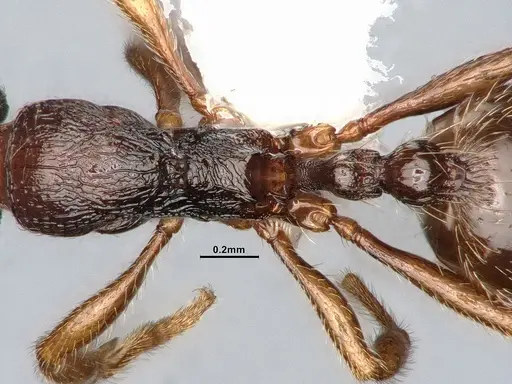
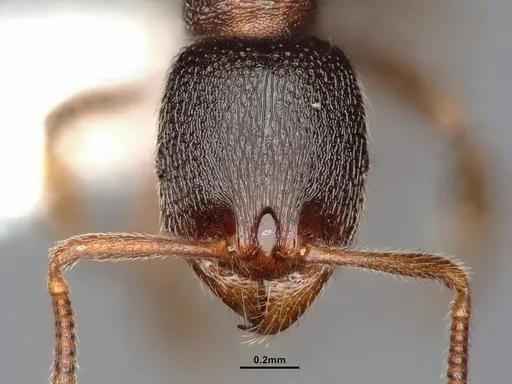
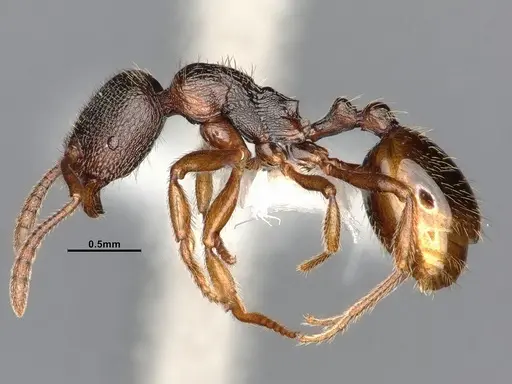
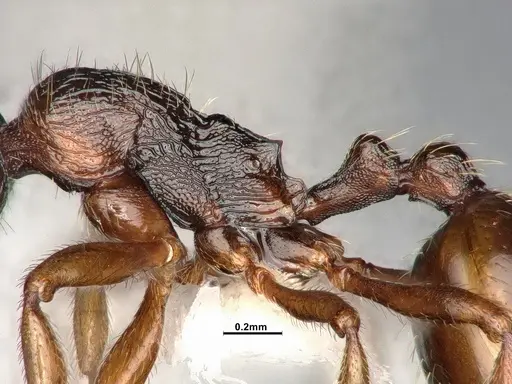
Stenamma snellingi is a small, dark brown ant native to western North America, ranging from British Columbia south to Baja California, Mexico [1][2]. Workers measure 2.8-3.4mm with a distinctive lighter gaster that has a dark transverse band near its middle [1]. This species is highly variable and closely related to Stenamma diecki, making identification challenging even with multiple specimens from the same colony [3]. The ants are typically found in the forest litter layer and nest in soil beneath rocks, tolerating a wide range of environmental conditions across their extensive range from near sea level to 9,000 feet elevation [1][3].
Quick Summary
- Difficulty: Medium
- Origin & Habitat: Western North America (British Columbia to Baja California, east to Idaho, Colorado, New Mexico). Found in forest litter layer and under rocks in soil [1][4].
- Colony Type: Single-queen colonies (monogyne). All known colonies are founded beneath rocks in soil [1].
- Colony: Monogyne
- Founding: Claustral
- Size & Growth:
- Queen: 4.5 mm [1]
- Worker: 2.8-3.4 mm [1]
- Colony: Likely several hundred workers based on typical Stenamma colony sizes
- Growth: Moderate, inferred from related species and extratropical distribution
- Development: 6-10 weeks estimated based on related extratropical Stenamma species (Development time estimated, no specific study found for this species. Temperature-dependent, slower in cooler conditions.)
- Antkeeping:
- Temperature: Keep around 18-22°C. Wide altitude range (700-9000 ft) suggests tolerance to cooler conditions. Avoid overheating.
- Humidity: Moderate to high, forest floor species that prefers damp soil. Keep substrate consistently moist but not waterlogged.
- Diapause: Yes, recommended for 2-3 months at 5-10°C during winter, consistent with temperate origin [1]
- Nesting: Y-tong or plaster nests work well. They naturally nest under rocks in soil, so provide a naturalistic setup with some soil substrate or a nest chamber with good moisture retention. Acceptable: test tube setups for founding colonies.
- Behavior: Generally peaceful, non-aggressive ants. Workers are small (under 3.5mm) and not particularly defensive. They forage in the litter layer and are not known to sting aggressively, Myrmicinae have stingers but this genus is not aggressive. Escape risk is moderate due to small size, use standard barriers. Activity level is moderate, they are not particularly active foragers compared to some genera.
- Common Issues: colonies grow slowly, beginners may lose patience and overfeed, causing mold, small size makes escape prevention important, use tight-fitting lids and fine mesh, humidity management is critical, too dry and brood dies, too wet and mold becomes a problem, founding colonies are fragile, queen needs quiet, dark location for first workers, winter dieback is possible if diapause conditions are not provided
Housing and Nest Setup
Stenamma snellingi does well in Y-tong (AAC) nests or plaster nests that retain moisture well. In the wild, they nest in soil beneath rocks, so a naturalistic setup with a thin layer of soil substrate works perfectly [1]. For founding colonies, a standard test tube setup with a water reservoir works well, the queen will seal herself into a chamber and raise her first workers there. Once the colony reaches 20-30 workers, you can consider moving them to a larger formicarium. Because they are small ants, avoid nests with overly large chambers where they may feel exposed. A small to medium Y-tong nest with tight chambers scaled to their size is ideal. Always use excellent escape prevention, these ants are small enough to squeeze through standard gaps if not careful.
Feeding and Diet
Stenamma snellingi is a generalist forager that collects food from the forest floor. In captivity, offer protein sources like small mealworms, fruit flies, or other tiny insects twice weekly. They also accept sugar water or honey occasionally. Since they are small ants, prey items should be appropriately sized, too large and they cannot tackle them. Remove uneaten prey after 24-48 hours to prevent mold. A constant supply of sugar water is recommended once workers are established. Feed less frequently during diapause (once weekly or less) when the colony is dormant. [3]
Temperature and Seasonal Care
Keep your colony at room temperature (18-22°C) year-round, with a slight warming option during active growth periods. This species tolerates a wide altitude range in the wild (700 to 9,000 feet) [1], indicating good temperature flexibility. During winter, provide a diapause period of 2-3 months at 5-10°C, this mimics their natural seasonal cycle and promotes healthy colony development. You can move them to an unheated garage or refrigerator during this time. Reduce feeding during diapause and keep the nest slightly drier but not bone-dry. Resume normal feeding and temperatures gradually in spring.
Growth and Development
The colony starts with a claustral queen sealing herself into a chamber, living off her stored fat reserves while raising the first brood. Workers (nanitics) will be smaller than normal workers and typically appear within 6-10 weeks under optimal conditions. After that, growth is moderate, expect several months to reach 50 workers, and potentially a year or more to reach several hundred. Males and female alates are produced in late summer in the wild [1], so you may see winged reproductives develop in established colonies during late summer or fall. The colony does not reach large sizes quickly, so patience is required.
Behavior and Temperament
These are peaceful, non-aggressive ants that are well-suited for antkeepers who want a calm species. Workers are small and forage primarily in the litter layer, not aggressively defending their nest. They do not have a functional stinger that poses any significant threat to humans. The main concern for keepers is their small size making escape prevention important, use fluon on edges and fine mesh on any ventilation. They are not known for being particularly active or exciting to watch compared to some ants, but their subtle foraging behavior is interesting for those who appreciate quieter species. Colonies are typically single-queen (monogyne) in structure. [1][3]
Frequently Asked Questions
How long does it take for Stenamma snellingi to produce first workers?
Expect first workers (nanitics) to emerge in 6-10 weeks under optimal temperature conditions (around 20-22°C). This is an estimate based on related extratropical Stenamma species since specific development data for S. snellingi is not available.
Are Stenamma snellingi ants good for beginners?
They are moderate difficulty, not the easiest but not challenging either. Their main requirements are proper humidity, moderate temperatures, and a winter diapause period. The slow growth rate may test beginner patience, and their small size requires good escape prevention.
Do Stenamma snellingi ants sting?
They have a stinger as members of the subfamily Myrmicinae, but they are not aggressive and rarely use it. These ants are peaceful and not considered dangerous to keepers.
What do Stenamma snellingi ants eat?
They are generalists that accept small insects (protein) and sugar sources. Feed small prey like fruit flies or tiny mealworms twice weekly, with constant access to sugar water or honey once workers are established.
Can I keep multiple Stenamma snellingi queens together?
Not recommended. This species appears to be monogyne (single-queen colonies) based on typical Stenamma behavior. Combining unrelated queens has not been documented and would likely result in fighting.
Do Stenamma snellingi need hibernation?
Yes, a winter diapause of 2-3 months at 5-10°C is recommended. This mimics their natural seasonal cycle in western North America and supports healthy colony development.
How big do Stenamma snellingi colonies get?
Based on typical Stenamma species, colonies likely reach several hundred workers at maximum. They are not among the larger Myrmicinae ants.
Why are my Stenamma snellingi dying?
Common causes include: too dry conditions (they need moist substrate), improper temperatures (avoid overheating), mold from overfeeding, or stress during founding. Check humidity levels first, forest floor species need consistent moisture. Also ensure they are not being disturbed during the founding stage.
When should I move Stenamma snellingi to a formicarium?
Keep them in a test tube or small setup for founding. Once the colony reaches 20-30 workers and you see them struggling with space, you can move them to a Y-tong or plaster nest. They do fine in test tubes longer than many species though, so do not rush the move.
References

This caresheet is licensed under CC BY-SA 4.0 .
CASENT0005823
View on AntWeb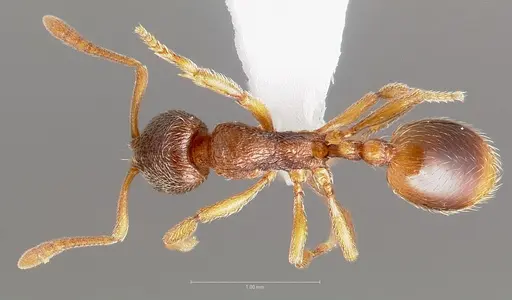
CASENT0005824
View on AntWeb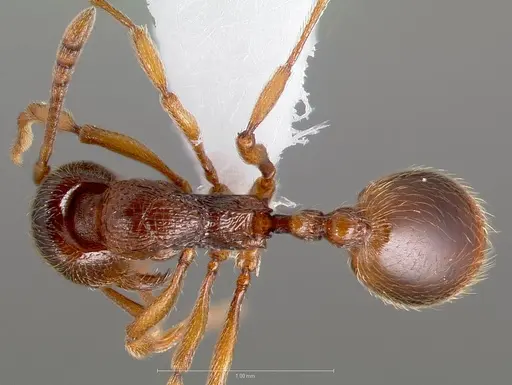
CASENT0102902
View on AntWeb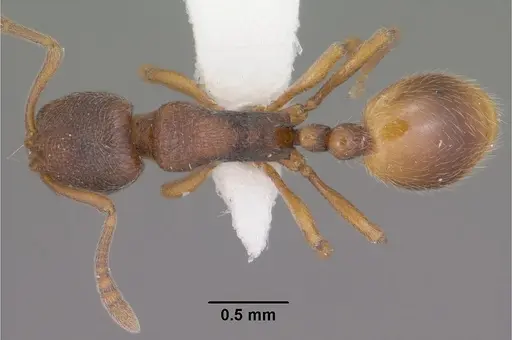
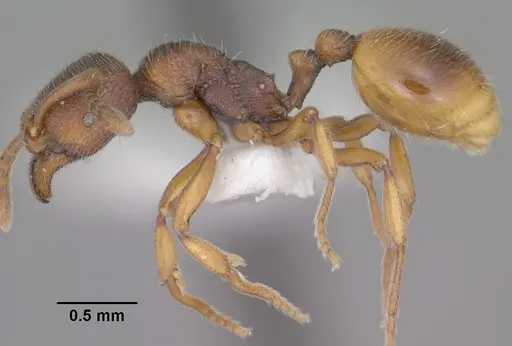
CASENT0221898
View on AntWeb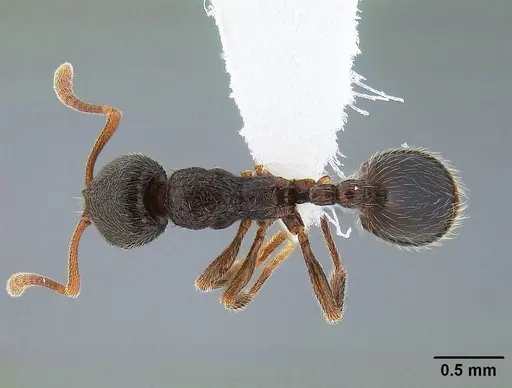
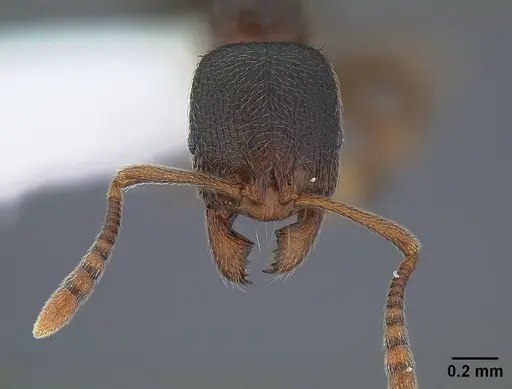
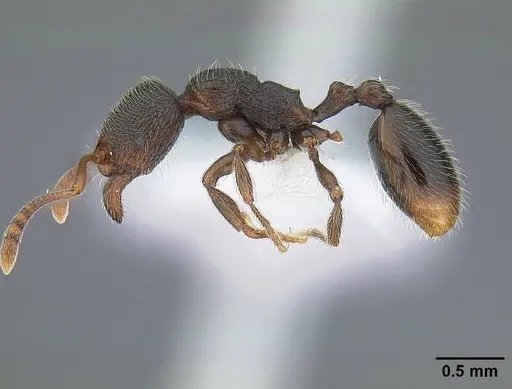
CASENT0761006
View on AntWeb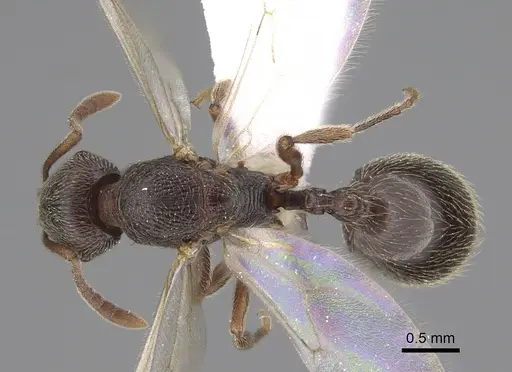
CASENT0761007
View on AntWeb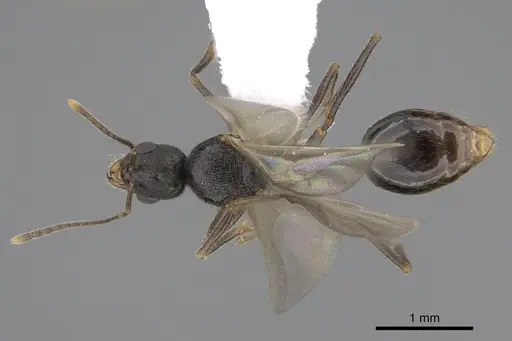
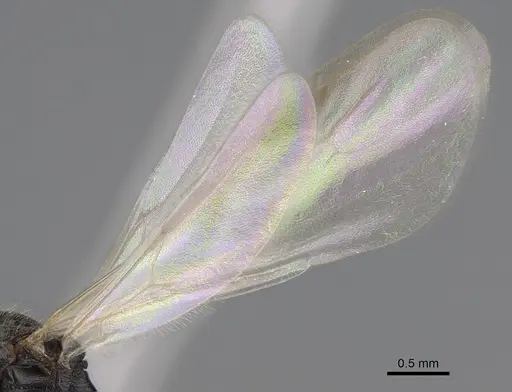
CASENT0882255
View on AntWeb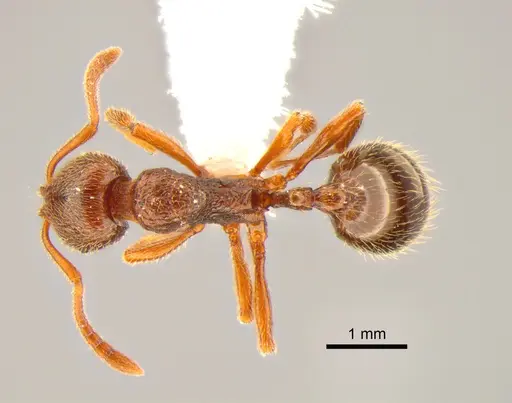
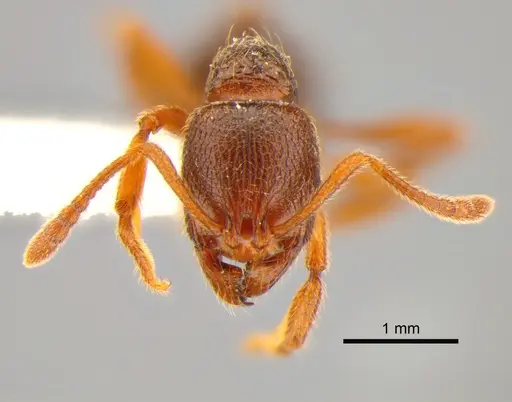
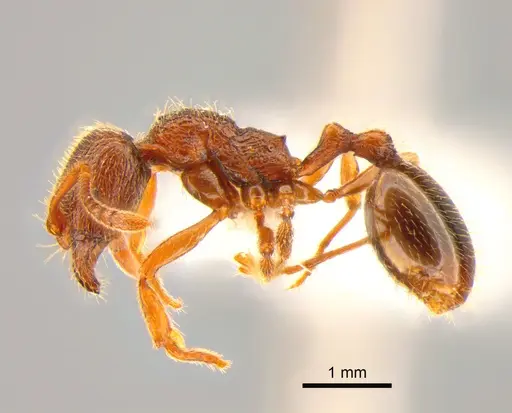
CASENT0882256
View on AntWeb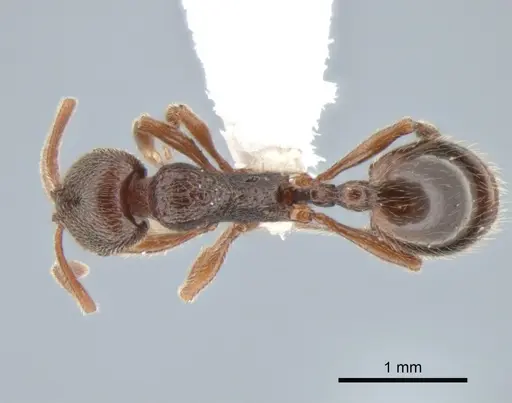
CASENT0882257
View on AntWeb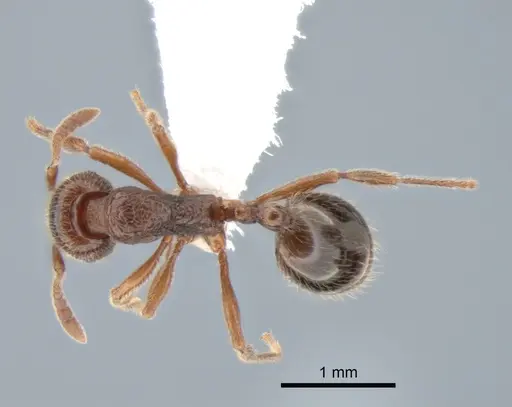
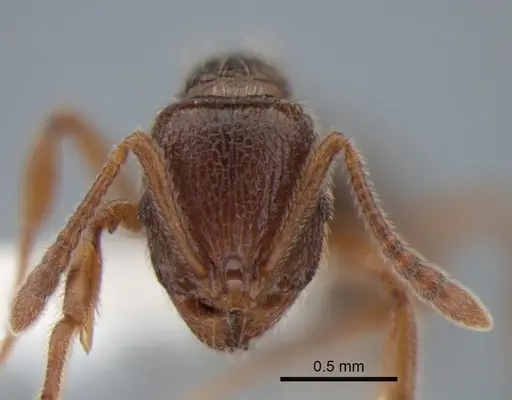
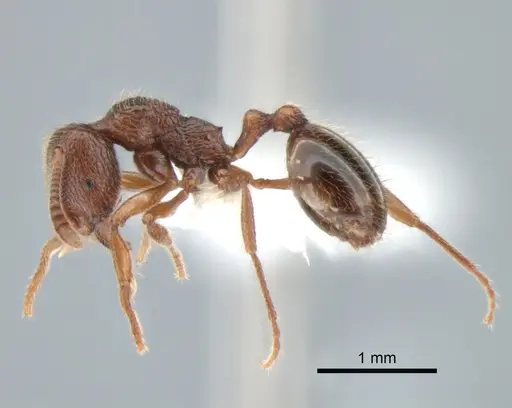
CASENT0882261
View on AntWeb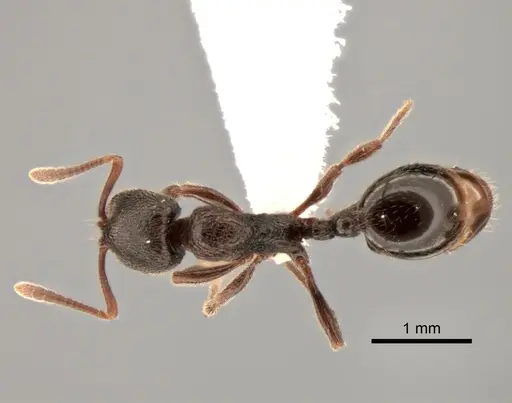
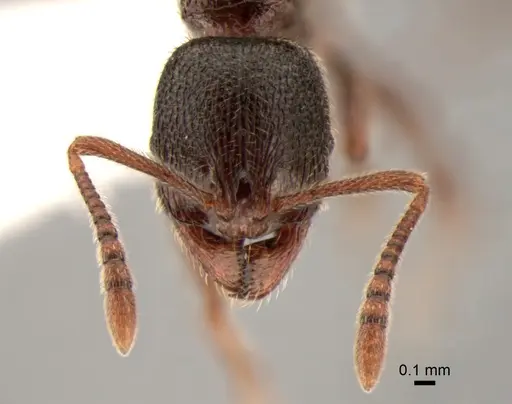
CASENT0882262
View on AntWeb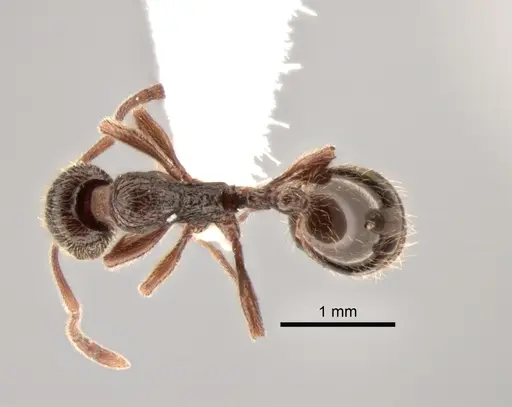
CASENT0882269
View on AntWeb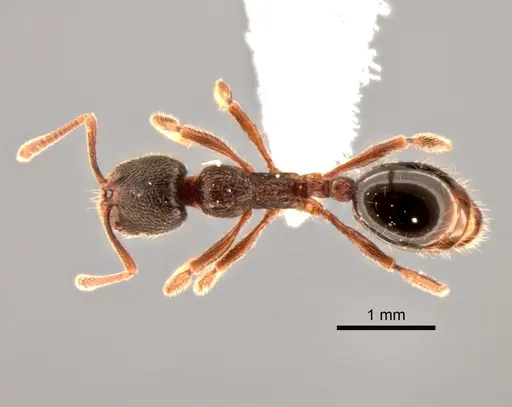
CASENT0882270
View on AntWeb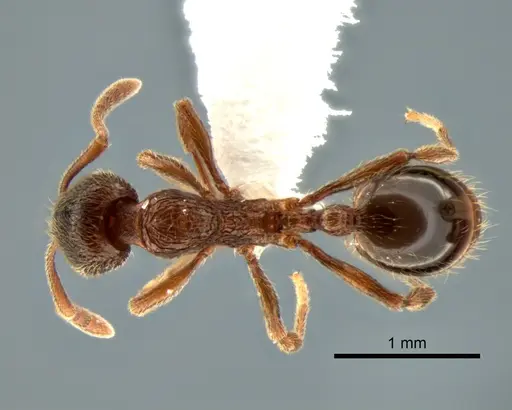
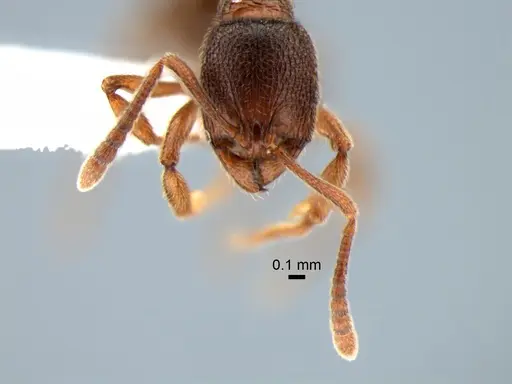
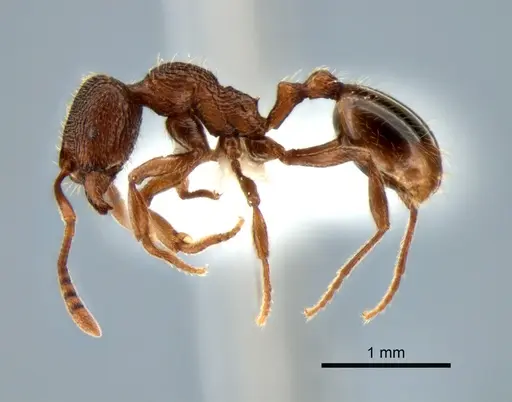
CASENT0883302
View on AntWeb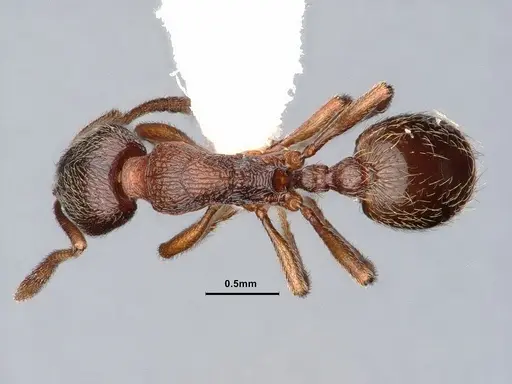
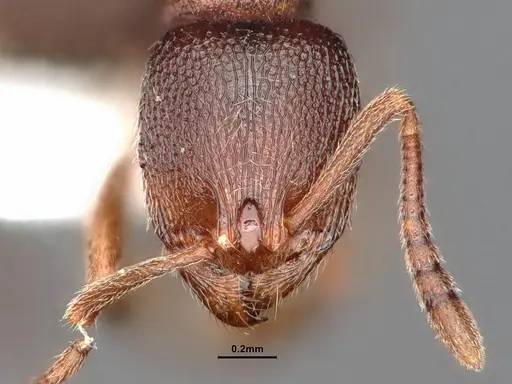
CASENT0883382
View on AntWeb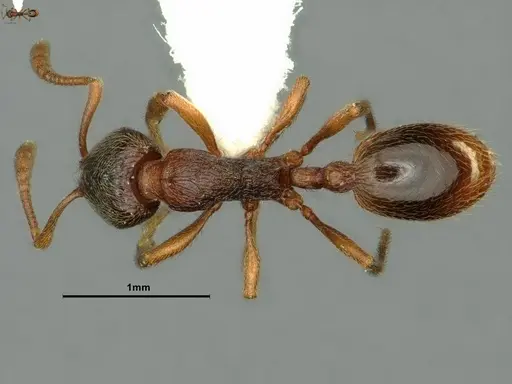
CASENT0883416
View on AntWeb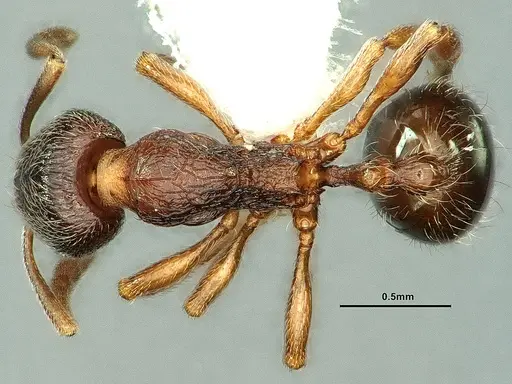
CASENT0883417
View on AntWeb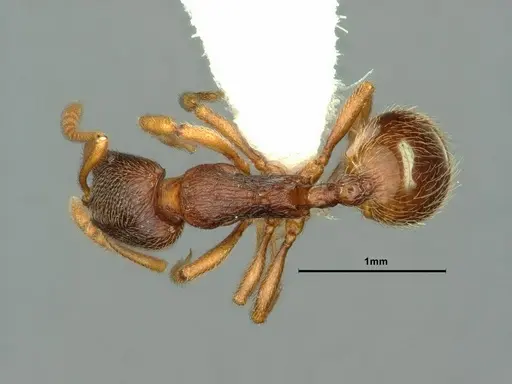
CASENT0883418
View on AntWeb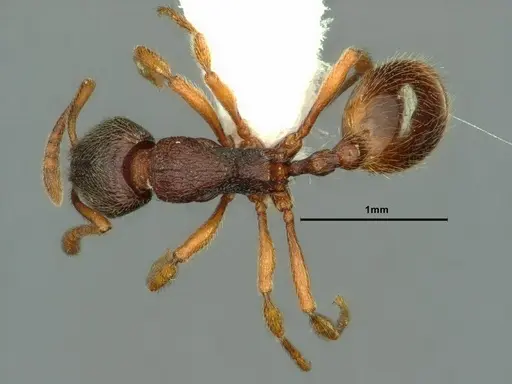
CASENT0883420
View on AntWeb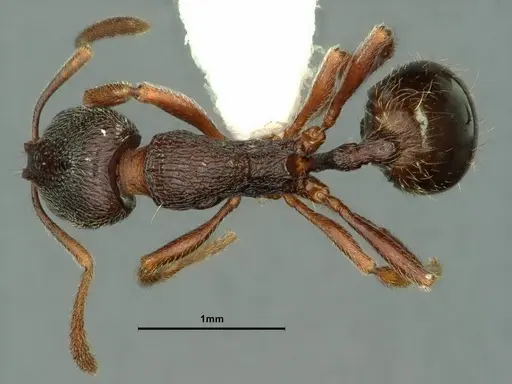
CASENT0884234
View on AntWeb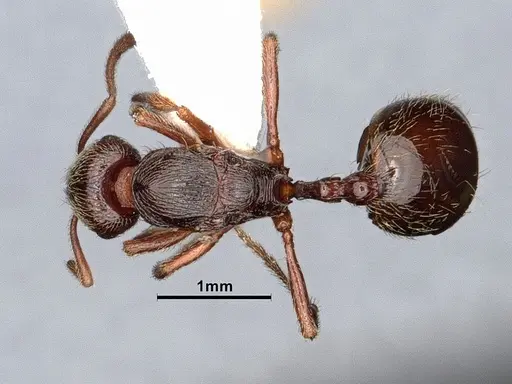
CASENT0884237
View on AntWeb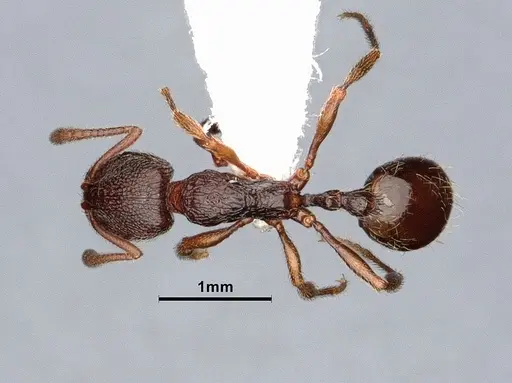
CASENT0884239
View on AntWeb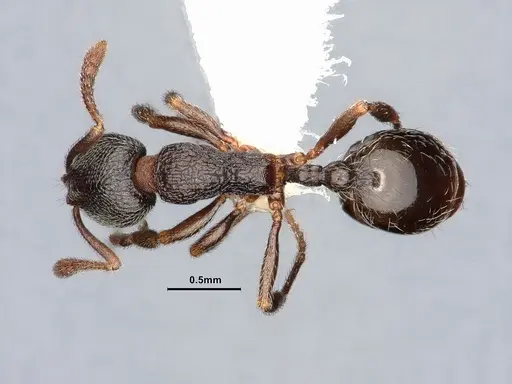
CASENT0884242
View on AntWeb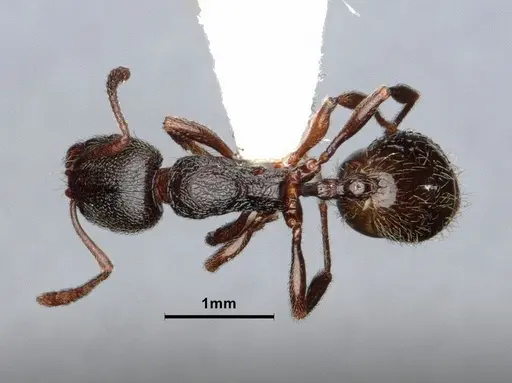
CASENT0884243
View on AntWeb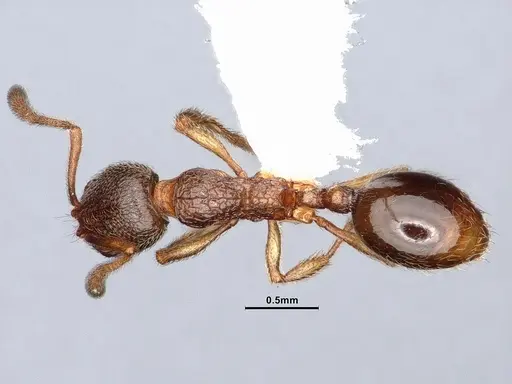
CASENT0884246
View on AntWeb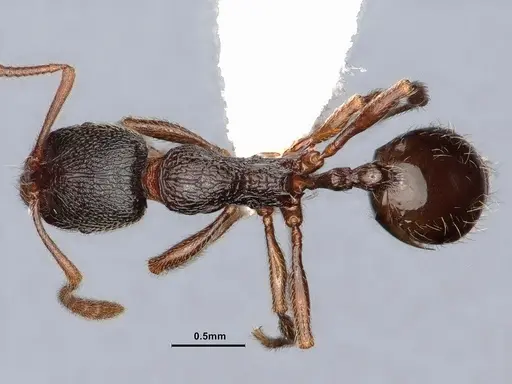
CASENT0884250
View on AntWeb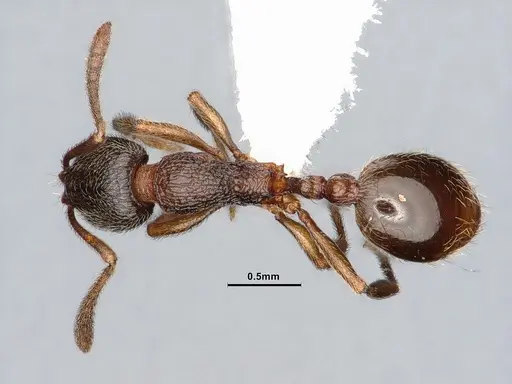
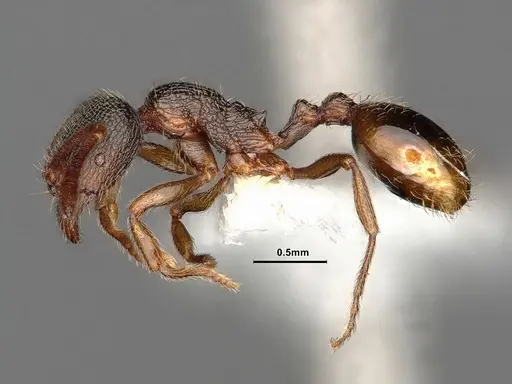
CASENT0884268
View on AntWeb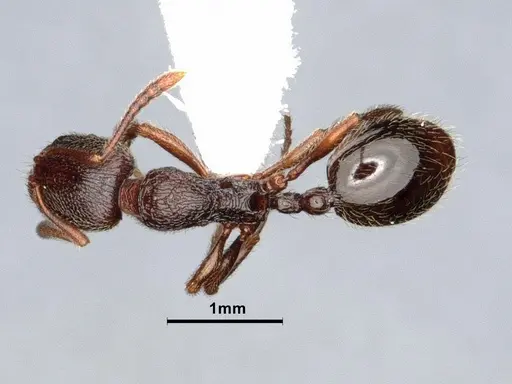
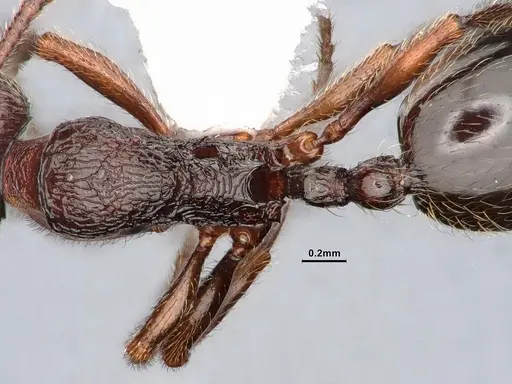
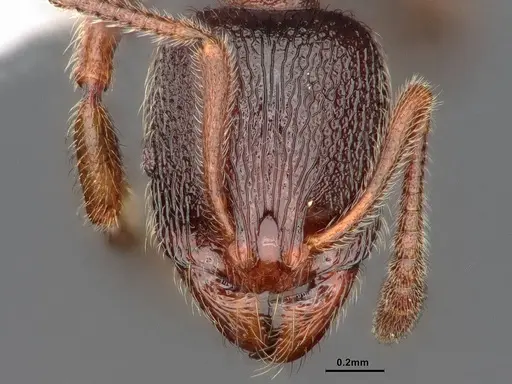
CASENT0884447
View on AntWeb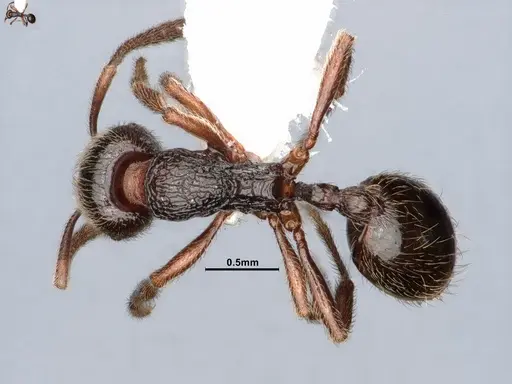
CASENT0884753
View on AntWeb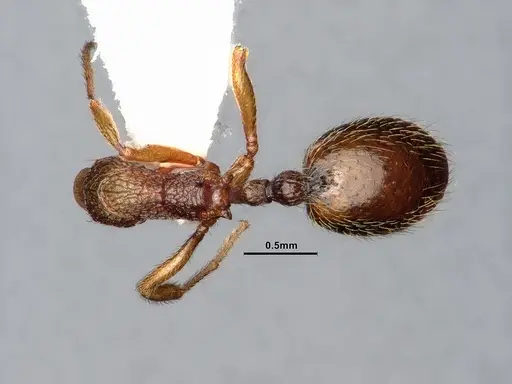
CASENT0885482
View on AntWeb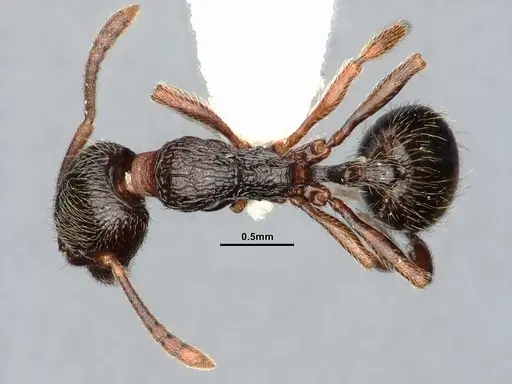
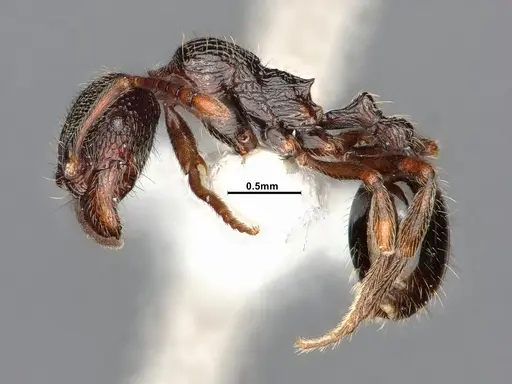
CASENT0885487
View on AntWeb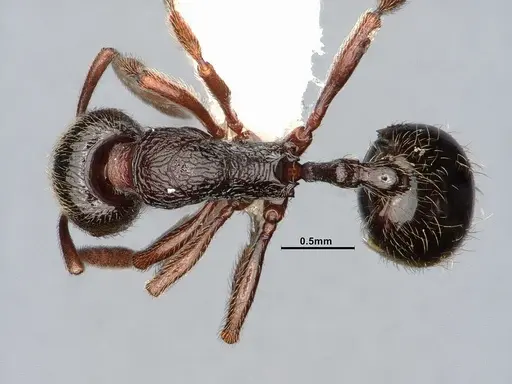
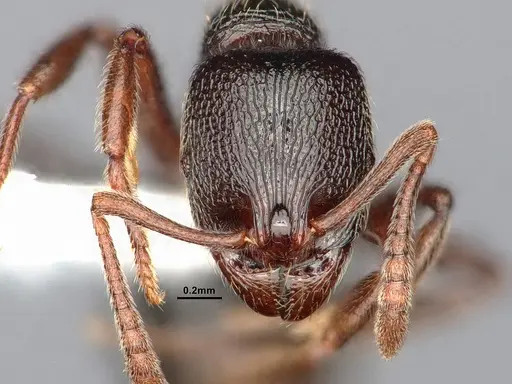
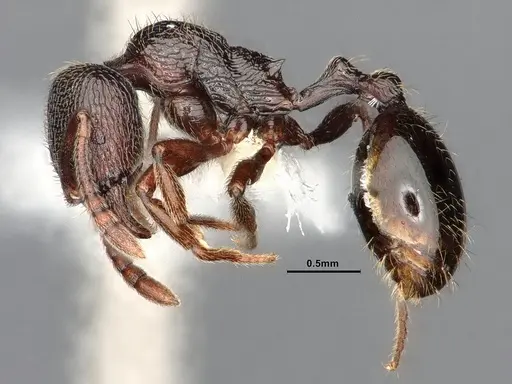
CASENT0885488
View on AntWeb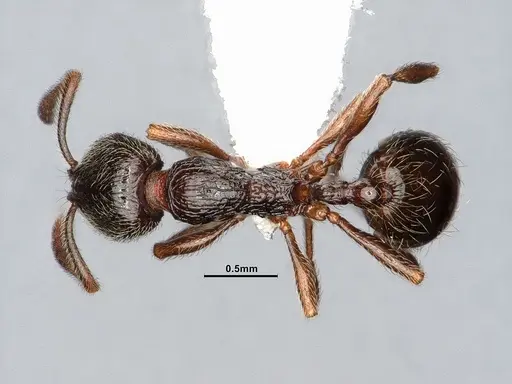
CASENT0885521
View on AntWeb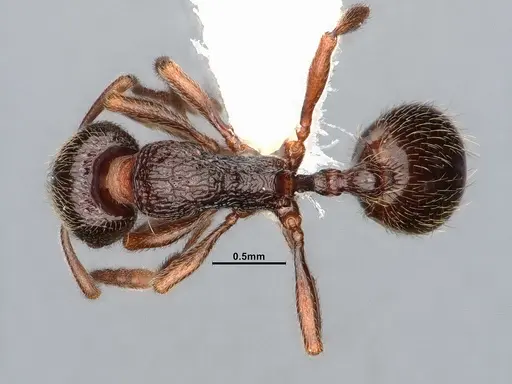
CASENT0886990
View on AntWeb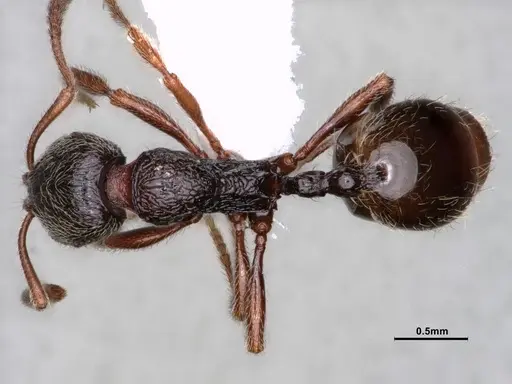
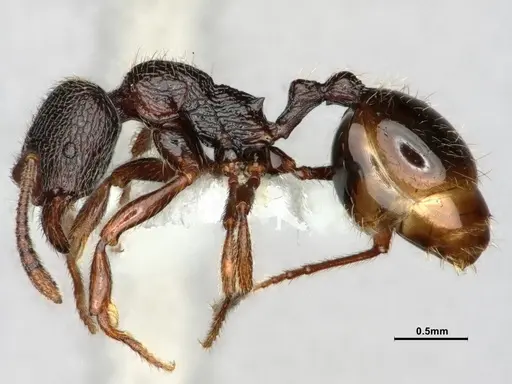
CASENT0911241
View on AntWeb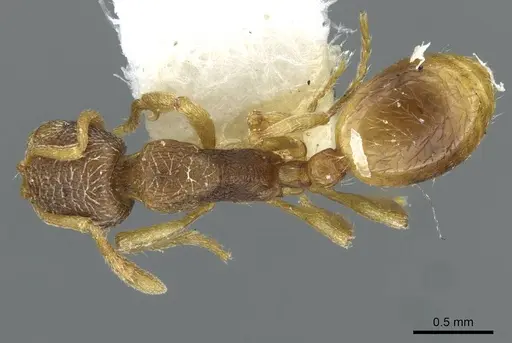
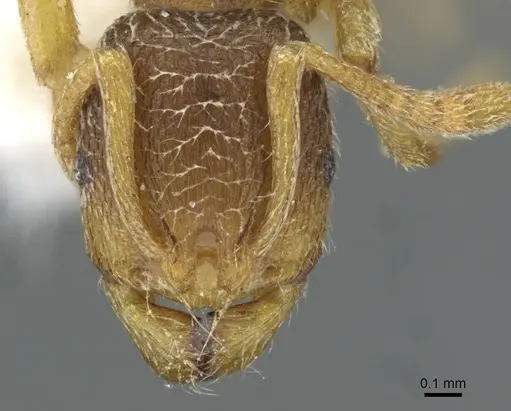
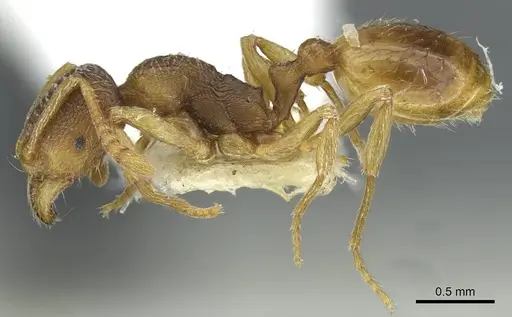
CASENT4031366
View on AntWeb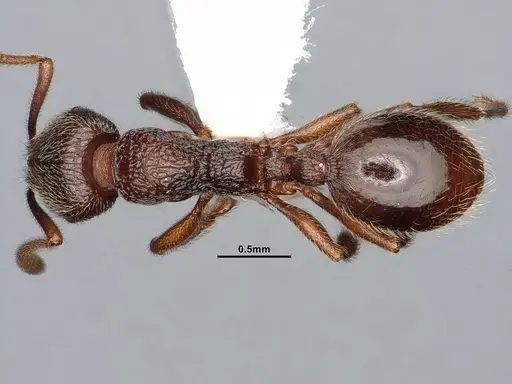
CASENT4031373
View on AntWeb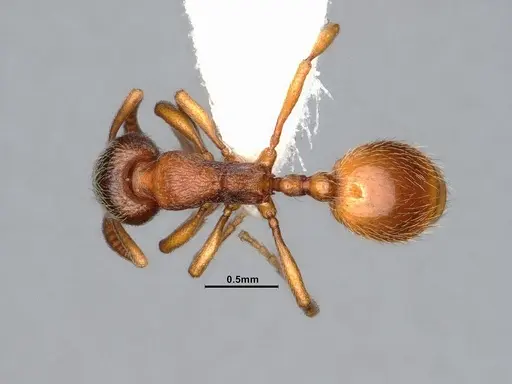
CASENT4031379
View on AntWeb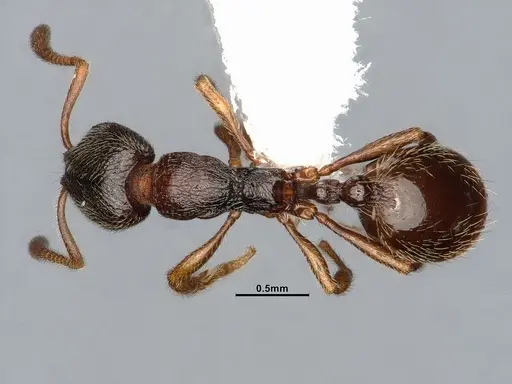
Literature
Loading...Loading products...